Nullam dignissim, ante scelerisque the is euismod fermentum odio sem semper the is erat, a feugiat leo urna eget eros. Duis Aenean a imperdiet risus.
Nullam dignissim, ante scelerisque the is euismod fermentum odio sem semper the is erat, a feugiat leo urna eget eros. Duis Aenean a imperdiet risus.
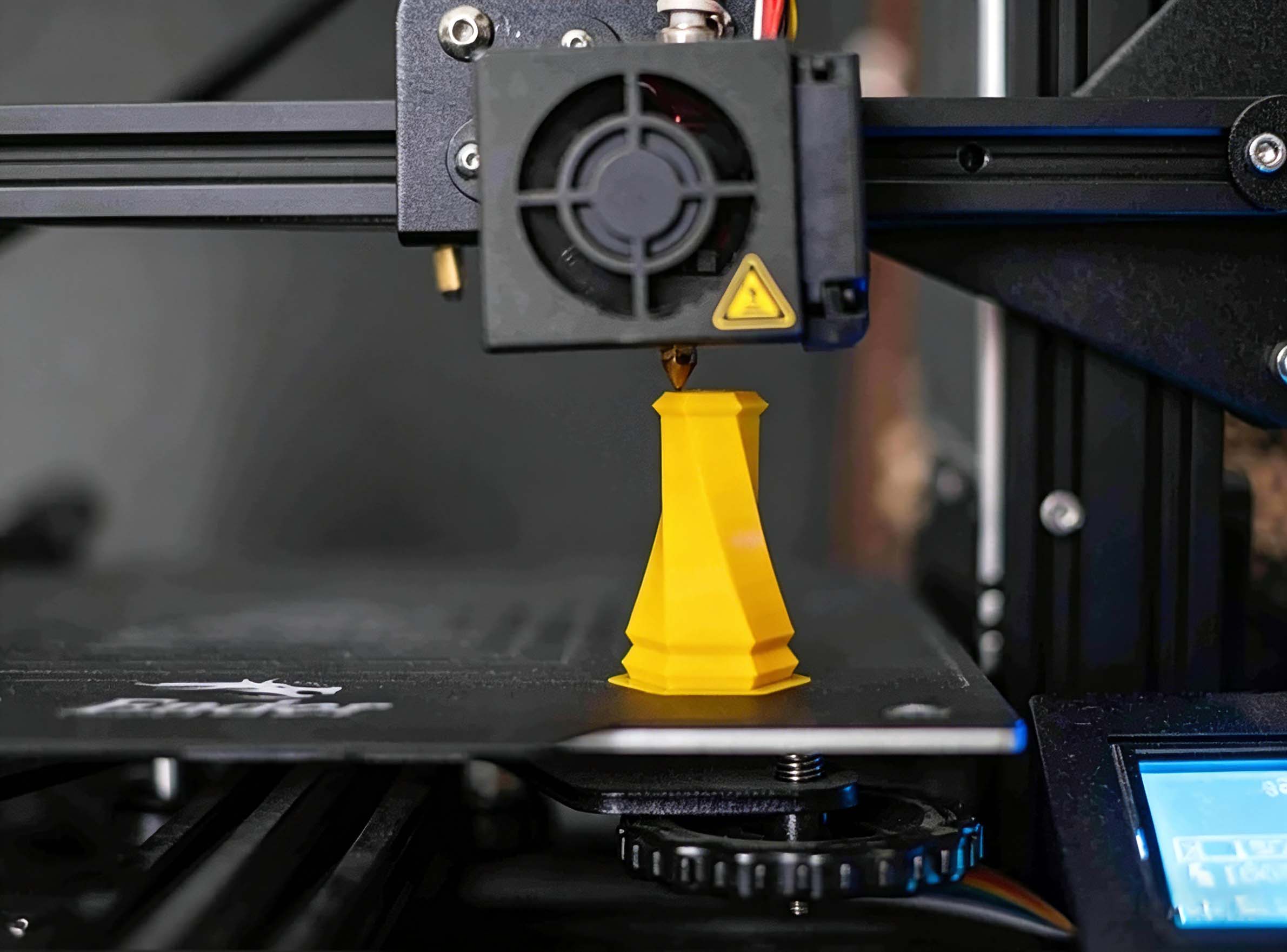
Stereolithography builds a resin part layer by layer using light to cure liquid photopolymer. It is valued for fine detail and a smooth appearance, making it useful for design communication, fit checks and prototype evaluation before committing to tooling.
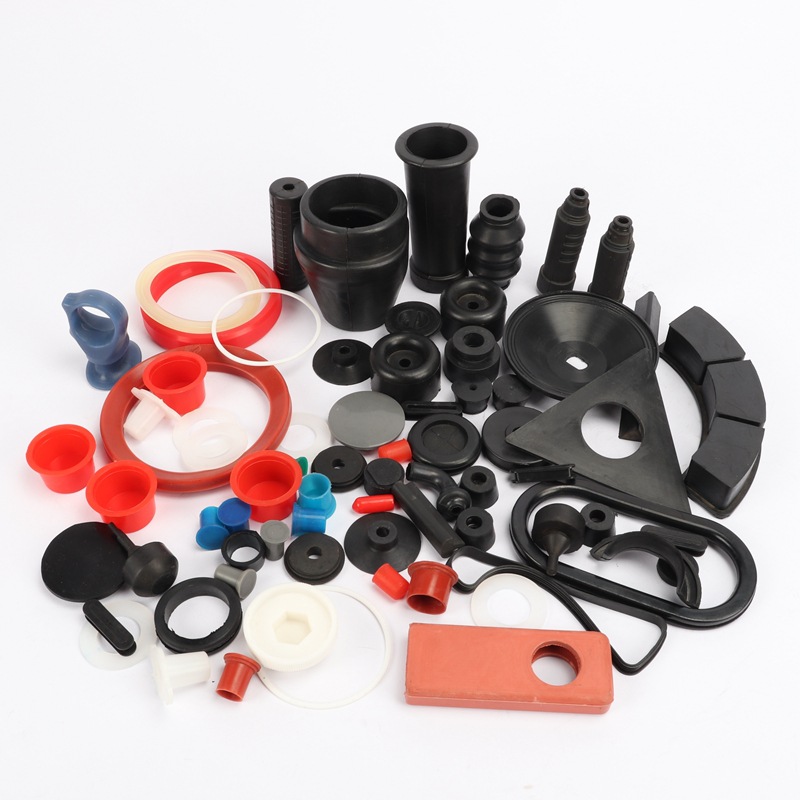
Custom rubber parts must do more than match a shape. They may need to seal, flex, isolate vibration, protect an edge or maintain contact through repeated use. We review the operating conditions first, then connect material, geometry and molding method to the job the part must perform.
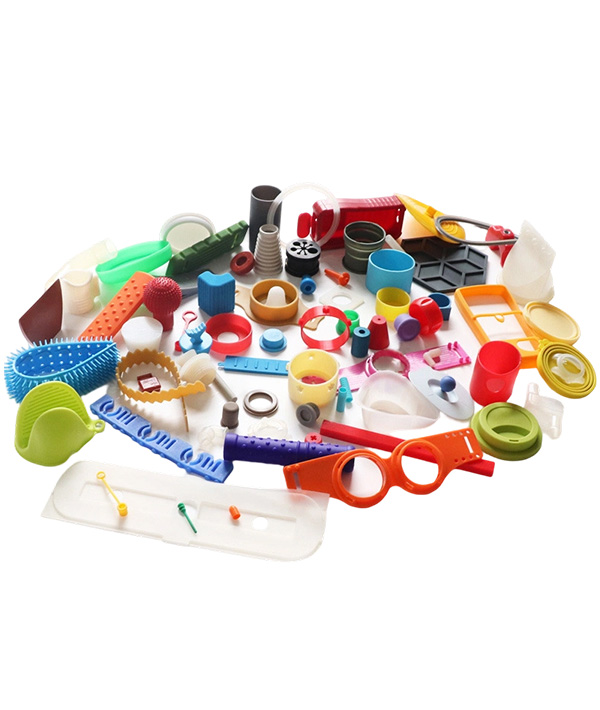
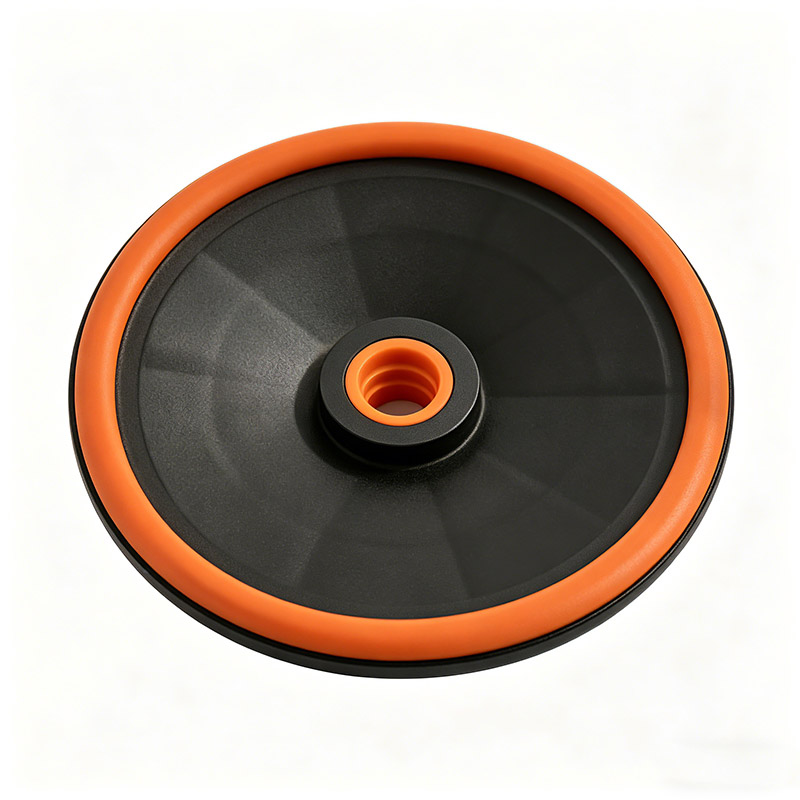
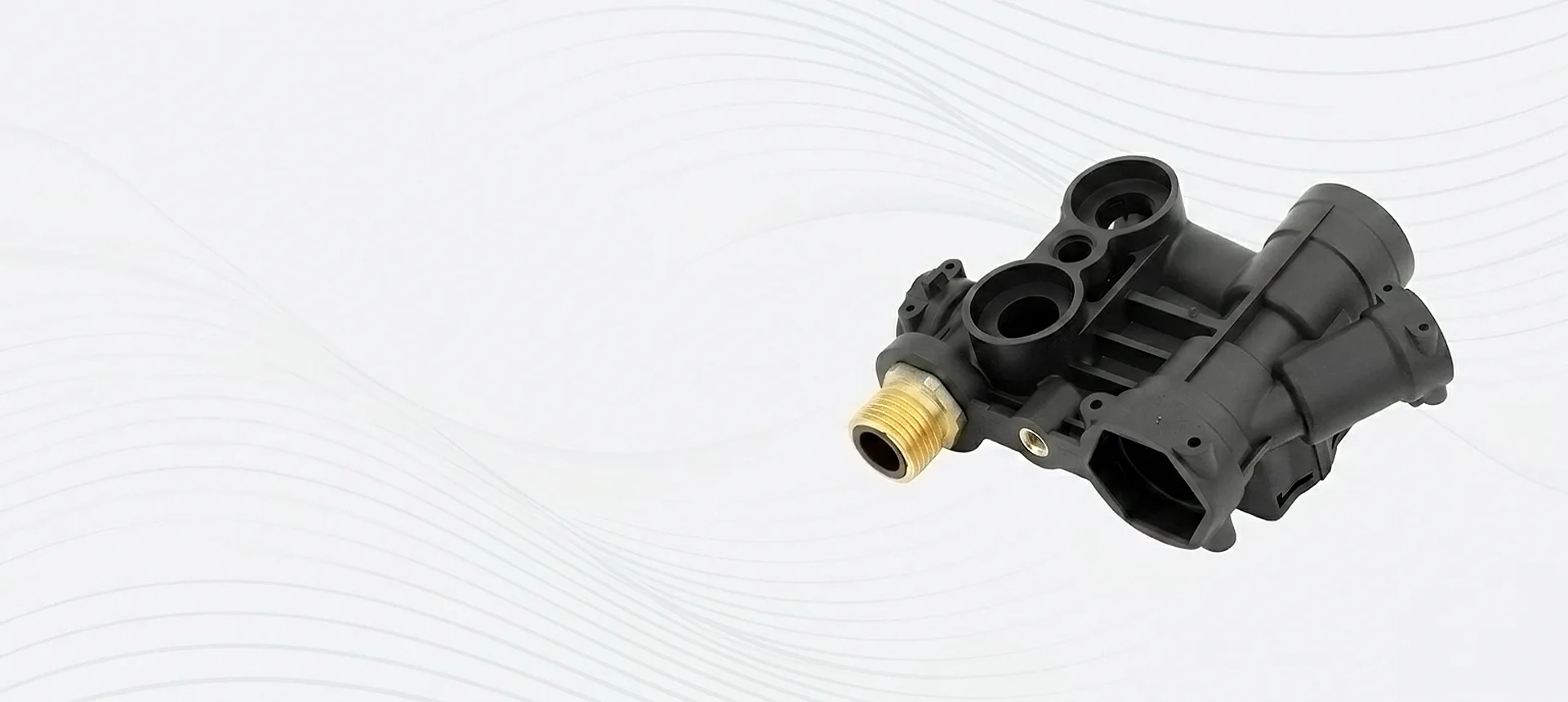
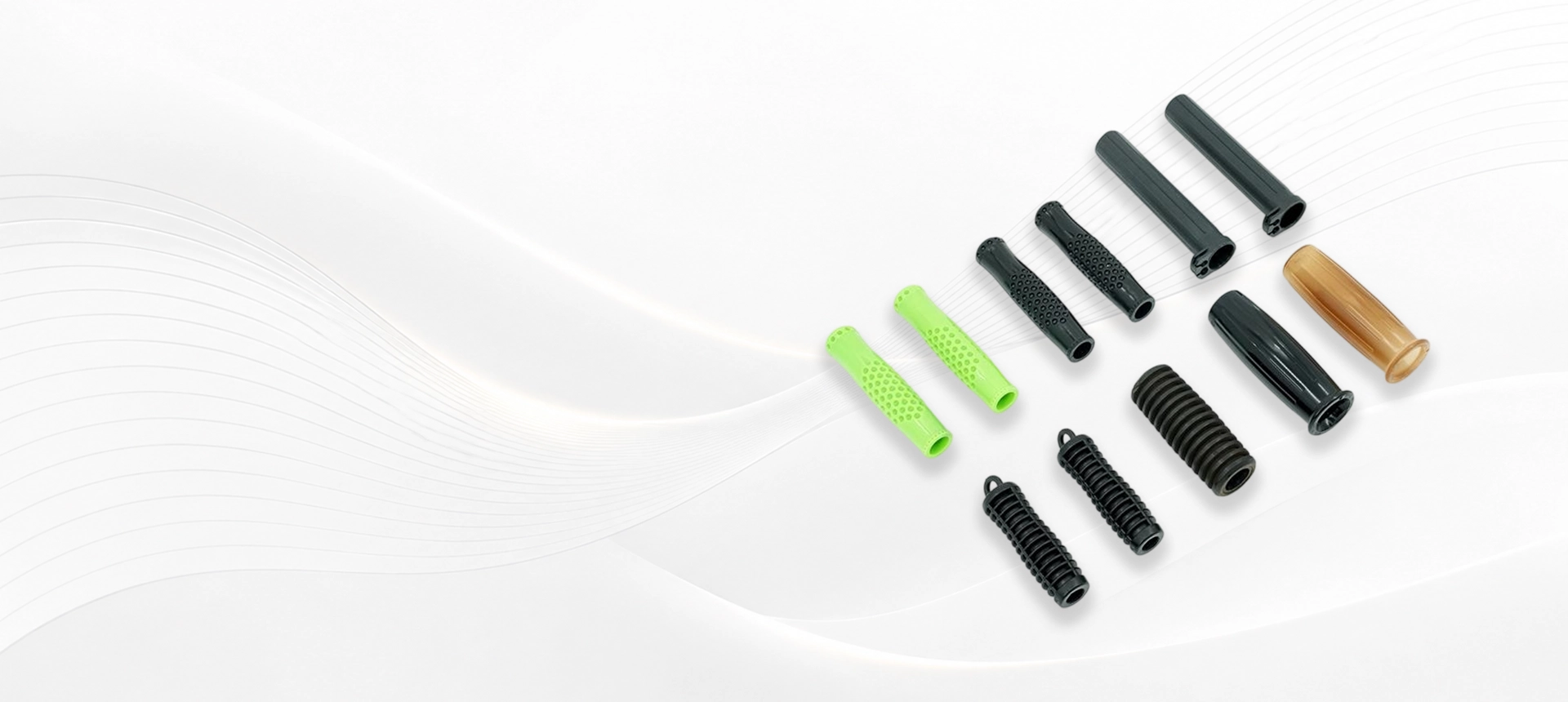
Rubber overmolding combines a softer elastomer with a rigid part or insert to create grip, sealing, cushioning or protection in one component. Reliable results depend on the interface: material compatibility, mechanical retention, surface condition and tool shutoffs must all be planned.
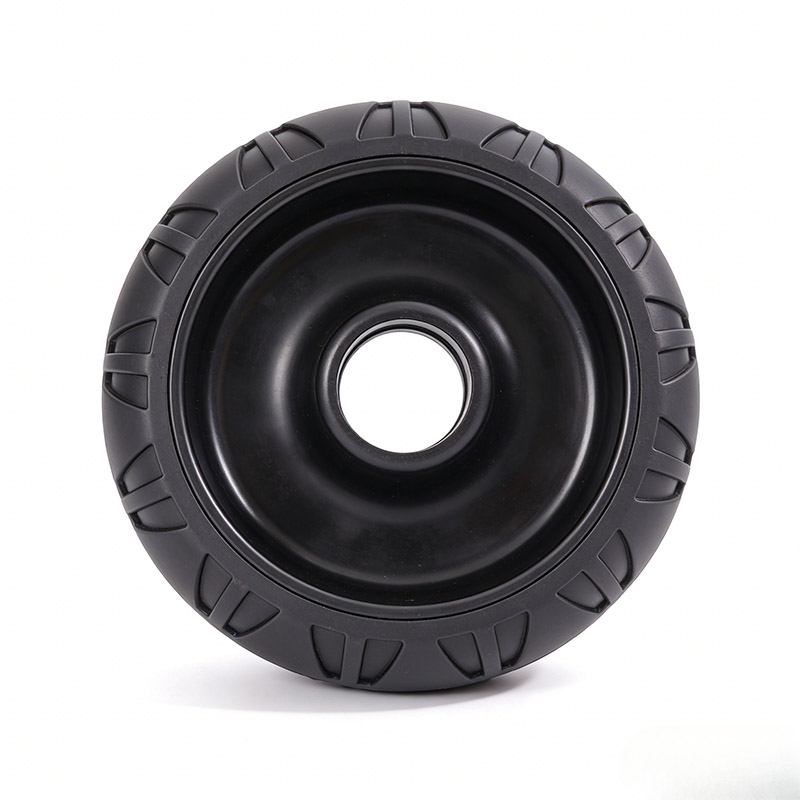
Compression molding forms a measured rubber charge in a heated tool, where pressure shapes the material and heat cures it. The process is well established for many custom elastomer parts and can be a practical choice for robust geometries and suitable production volumes.
Stereolithography builds a resin part layer by layer using light to cure liquid photopolymer. It is valued for fine detail and a smooth appearance, making it useful for design communication, fit checks and prototype evaluation before committing to tooling.
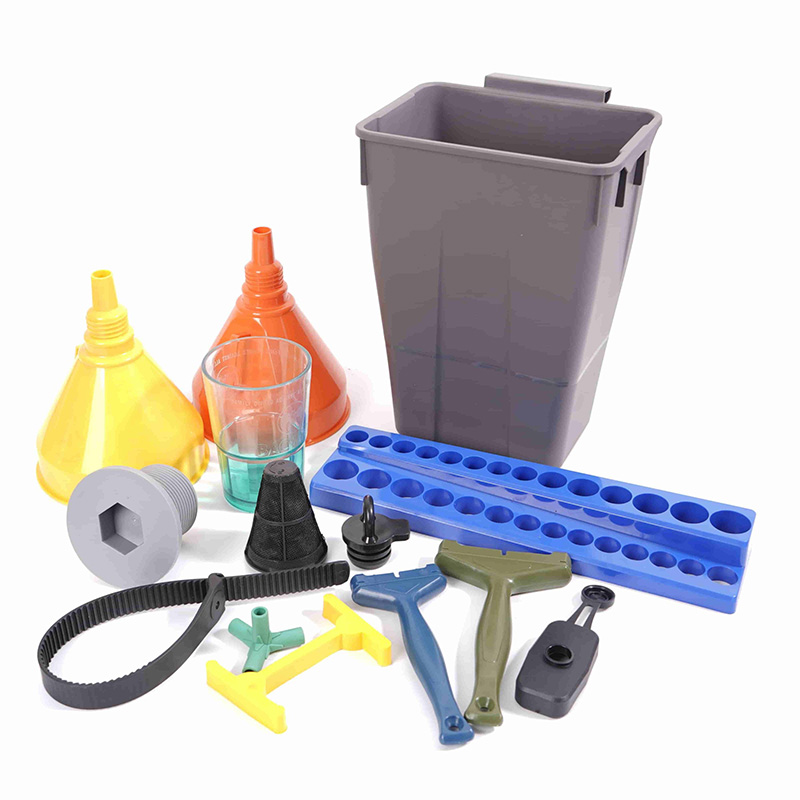
Turn a plastic part design into a repeatable production process. Shenyue supports moldable-part review, tooling, sampling, injection molding and optional finishing so that design decisions, process settings and acceptance requirements stay connected.
Overmolding combines a softer material with a rigid substrate to create one integrated component. TPE, TPU or selected rubber compounds can be molded over plastic, metal or other prepared inserts to improve grip, cushioning, sealing, insulation or surface protection. Reliable overmolding depends on more than placing one material over another. The substrate, elastomer, interface geometry, mold, loading method and process conditions must work together. Shenyue reviews these factors before tooling and validates the finished interface through samples and agreed functional checks.
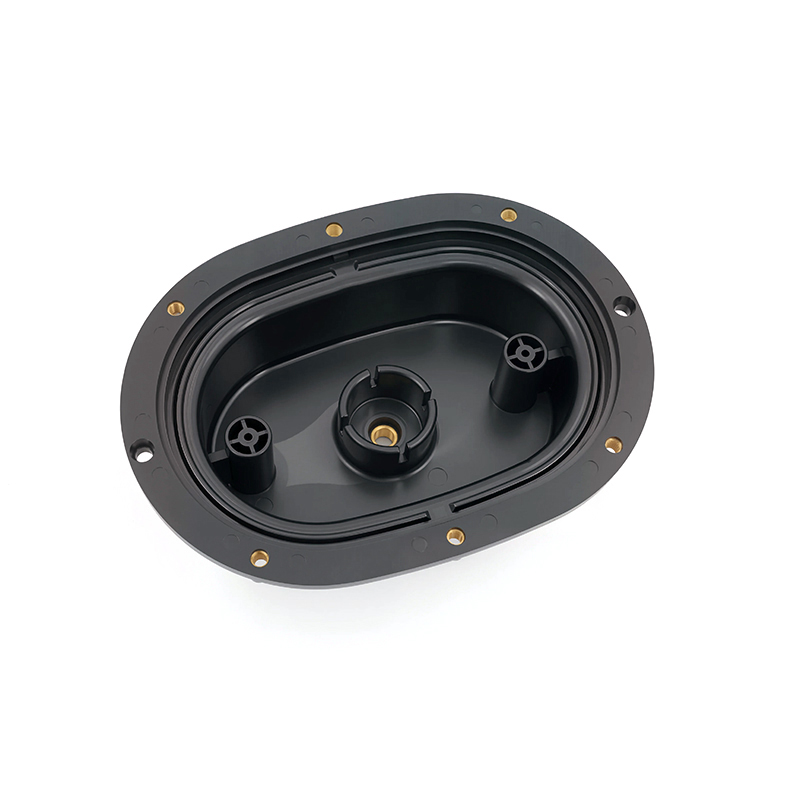
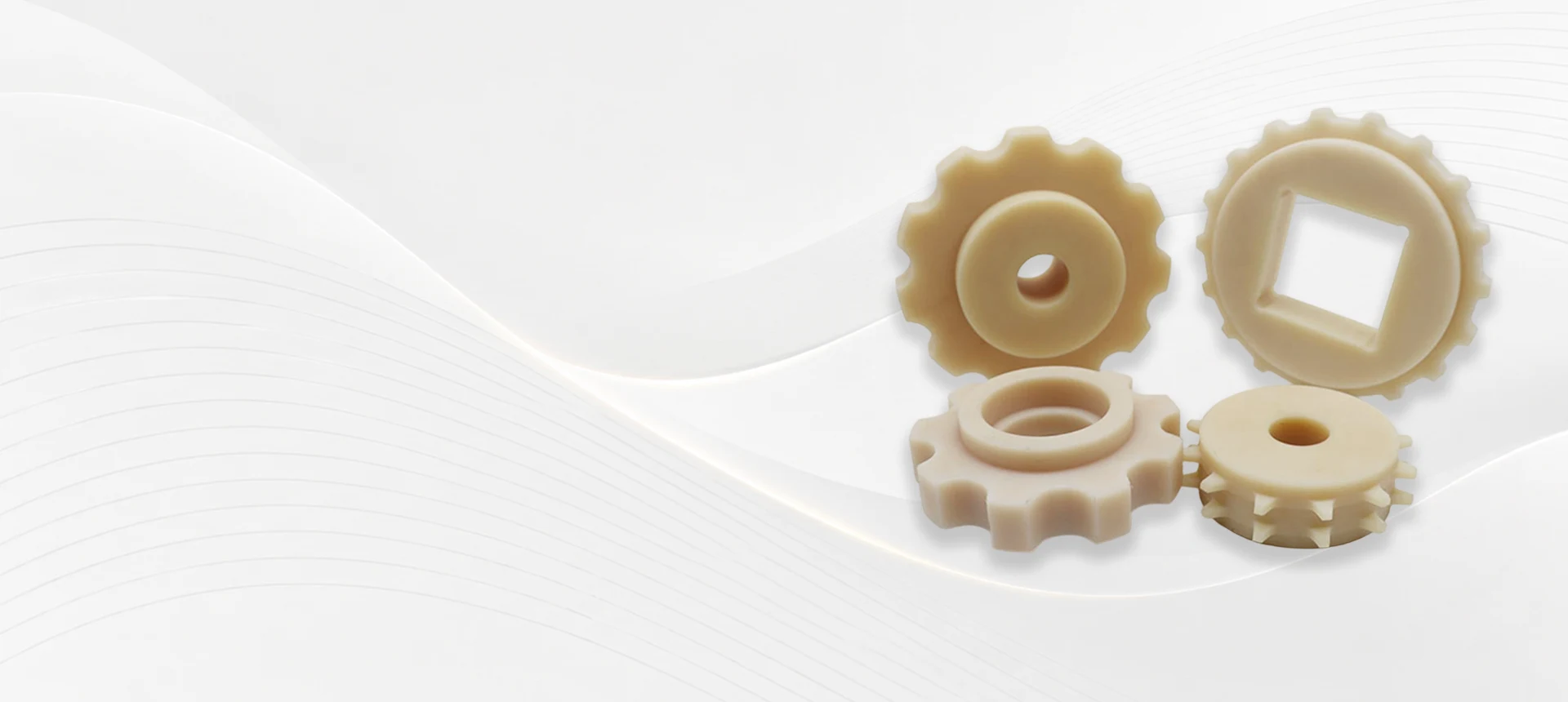
Insert molding places a prepared component in the tool and molds plastic around it in one controlled cycle. It can replace later assembly steps and create a compact, integrated part—when the insert, plastic and mold are designed to work together.
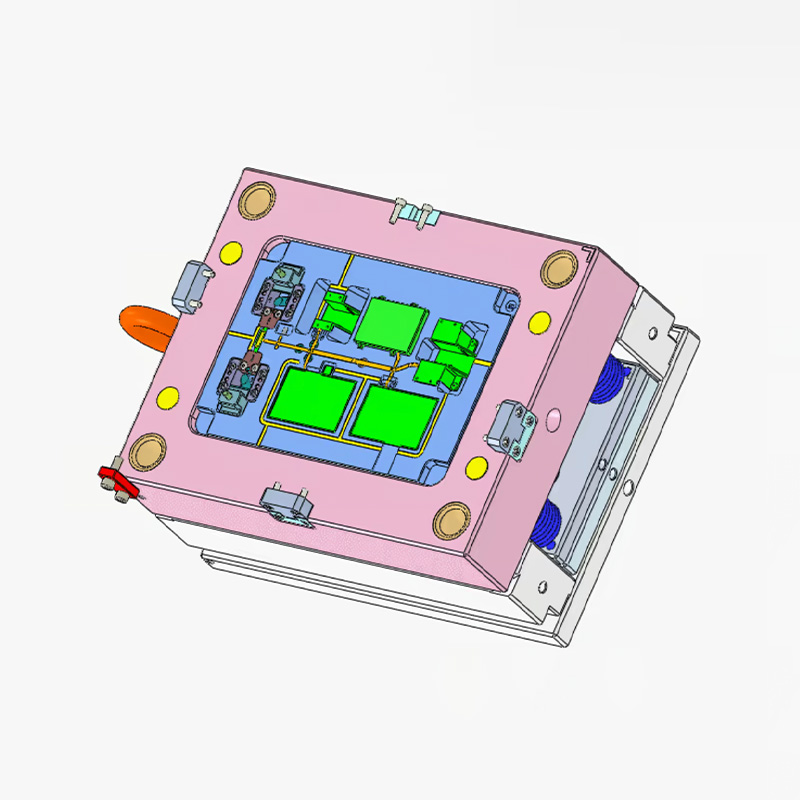
Produce more than one part per molding cycle with a tool designed around the real production mix. Multi-cavity molds repeat one part; family molds combine different parts. Both can improve output, but only when flow balance, demand and quality requirements support the choice.
A mold is a production asset, and small changes in vents, slides, cooling or shutoffs can become part defects and downtime. Maintenance keeps known conditions stable; repair addresses damage or wear and returns the tool to a verified production state.
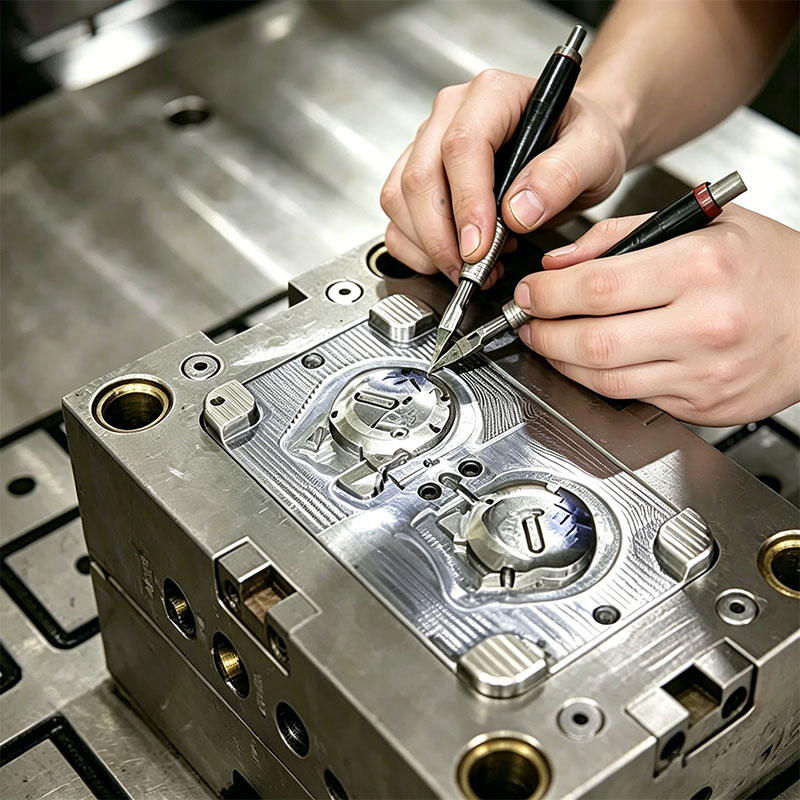
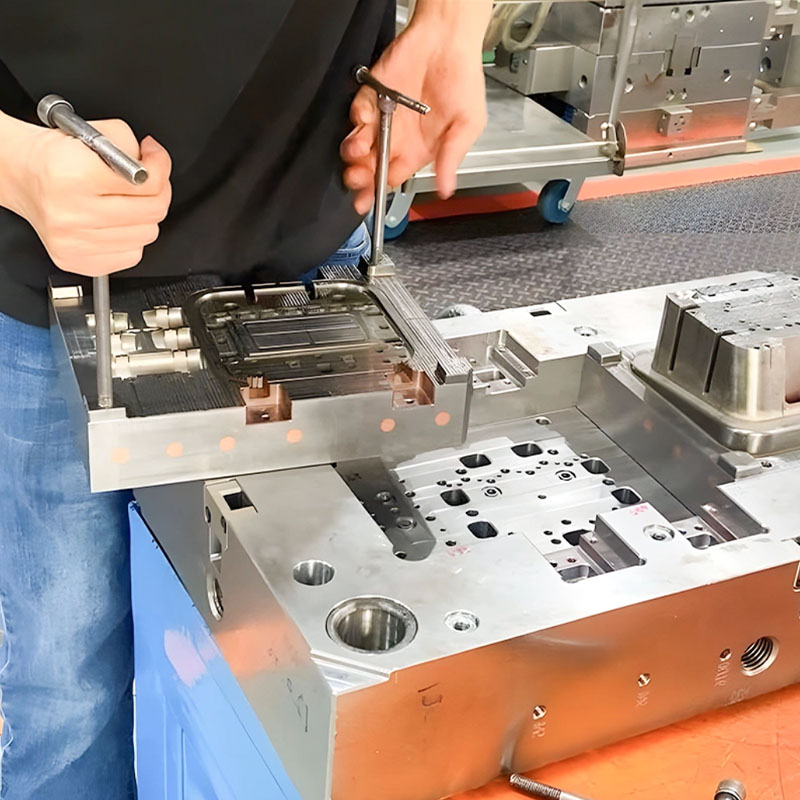
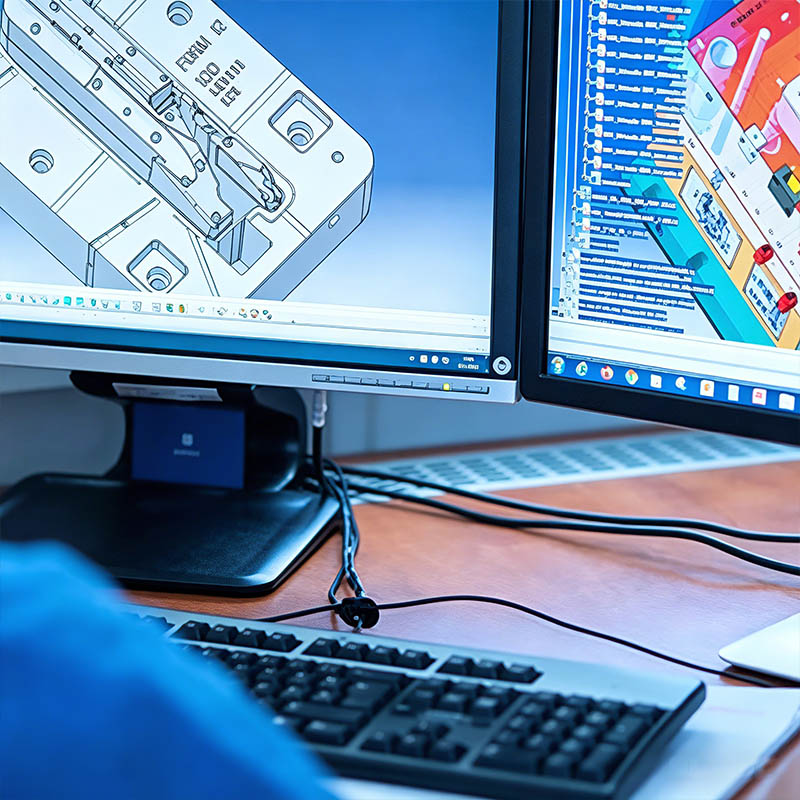
A production mold should be designed for the part, material and expected workload—not chosen from a generic specification. Shenyue connects part review, mold design, machining, assembly, trial and correction in one tooling workflow.
Good mold engineering turns product intent into a tool that can fill, cool, eject and be maintained. We review the part and production requirements early, then develop the mold concept around known risks instead of waiting for trials to expose them.
Custom rubber parts must do more than match a shape. They may need to seal, flex, isolate vibration, protect an edge or maintain contact through repeated use. We review the operating conditions first, then connect material, geometry and molding method to the job the part must perform.
Rubber overmolding combines a softer elastomer with a rigid part or insert to create grip, sealing, cushioning or protection in one component. Reliable results depend on the interface: material compatibility, mechanical retention, surface condition and tool shutoffs must all be planned.
Compression molding forms a measured rubber charge in a heated tool, where pressure shapes the material and heat cures it. The process is well established for many custom elastomer parts and can be a practical choice for robust geometries and suitable production volumes.
We don't have our own products – all we provide are tailor-made according to customer demand. We specialize in supporting the development of new and unique products by providing the engineering solutions.
Our production is flexible, fast and efficient. Regardless of order size, we can provide services to support our clients through the entire process—from product testing to mass production and shipment.
We offer a wide range of shipping and inventory services tailored to your needs. From drop shipping for trading companies to urgent bulk shipments for factories, we ensure fast and reliable delivery without the need for large stock commitments.
We provide a variety of added services including painting, plating, printing, and more. These solutions are designed to meet different customer requirements, making them especially suitable for brand owners seeking consistent product quality and customization.
From product design and mold development to mass production and component sourcing, we offer a complete one-stop solution. This allows customers to simplify their supply chain and receive finished products ready for market.
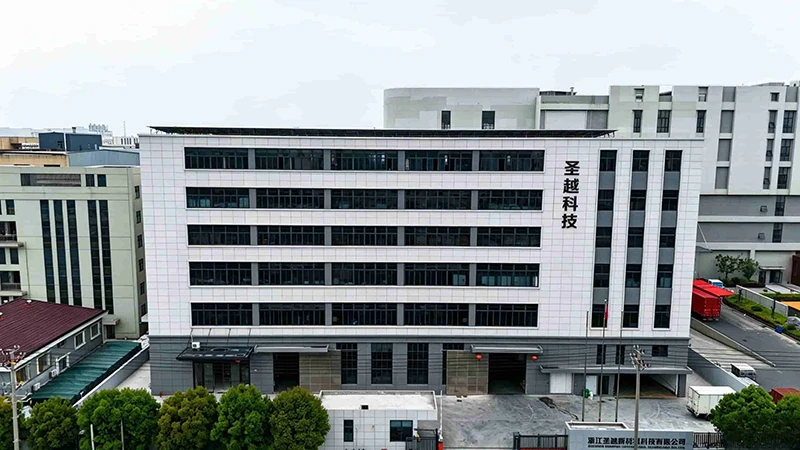
Shenyue Technology is a professional manufacturer specializing in custom plastic injection molding and rubber compression molding products. With over 20 years of industry experience, we provide reliable OEM solutions from product design to mass production for global customers. We are equipped with advanced injection molding machines and compression molding machines, and a dedicated engineering team to support efficient and stable production. Our in-house mold design and tooling capabilities allow us to deliver cost-effective and flexible solutions for a wide range of industries. We focus on quality consistency and long-term cooperation helping customers turn their ideas into high quality products.

Review how parting arrangements, gates, runners, cooling and ejection relate to dimensional problems and fit in injection molded parts.
Read More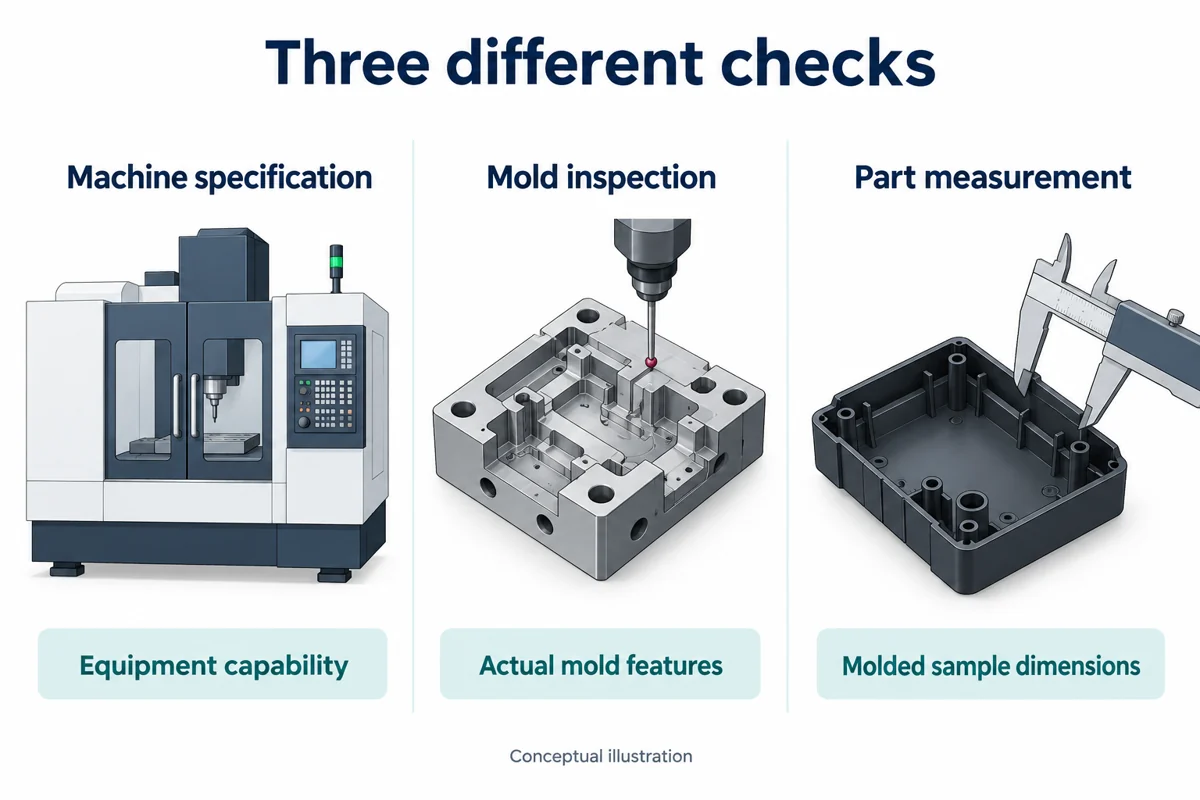
See how mold machining, component inspection and trial results work together when reviewing critical dimensions on injection molded parts.
Read More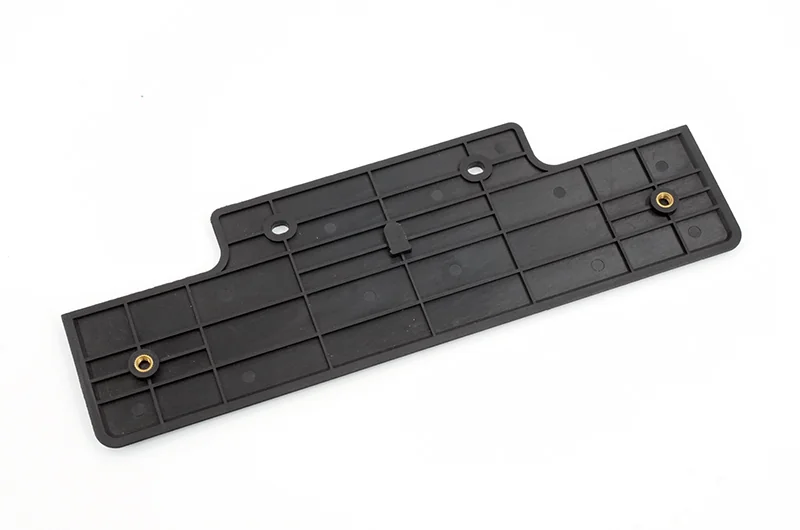
See how holding pressure and hold time affect molded part dimensions, why higher pressure is not always better, and what to check when a part fails to fit.
Read More