Nullam dignissim, ante scelerisque the is euismod fermentum odio sem semper the is erat, a feugiat leo urna eget eros. Duis Aenean a imperdiet risus.

service 9
service 9

Mold Design and Engineering

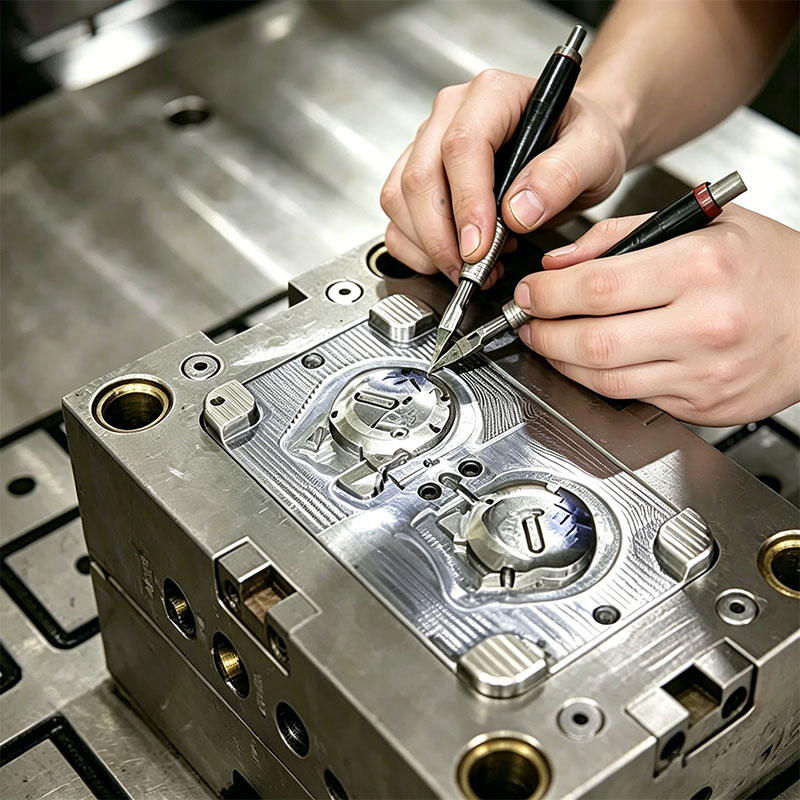
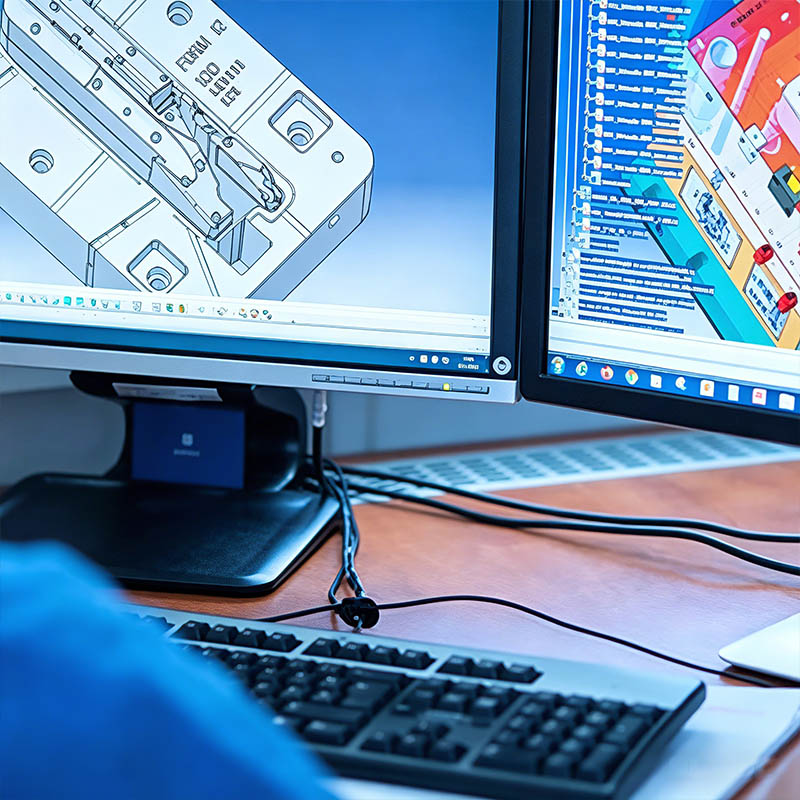
Good mold engineering turns product intent into a tool that can fill, cool, eject and be maintained. We review the part and production requirements early, then develop the mold concept around known risks instead of waiting for trials to expose them.
  • DFM feedback tied to specific part features.
  • Parting line, gate and ejection concepts reviewed before build.
  • Cooling and venting considered alongside material behavior.
  • Mechanisms used only where geometry requires them.
  • Design review creates a shared basis for approval and change.

Manufacturability review

Wall transitions, draft, undercuts, ribs, bosses, shutoffs, cosmetic faces and critical tolerances are examined in relation to resin and tool direction. The output should be actionable: a marked feature, its likely effect and a proposed decision. Product function remains the customer’s authority.

Mold concept development

The concept defines cavity layout, parting direction, gates and runners, ejection, cooling, venting and any slides, lifters or inserts. Machine envelope and molding constraints are considered. A concept that is easy to explain and maintain is often more valuable than unnecessary mechanical complexity.

Engineering around variation

Plastic shrinks and a tool changes temperature during the cycle. Flow length, pressure, cooling balance and local stiffness can influence dimensions and distortion. Engineering aims to create a reasonable process window, while recognizing that simulation or rules of thumb still require confirmation by trials.

Review and change control

Customer and manufacturing reviews resolve interfaces before machining locks them in. Critical decisions, revisions and open items are recorded. If the product changes, the mold impact is assessed so schedule and cost follow the actual scope.

What to define before quotation

A useful quotation begins with product models, drawings, resin, volume, machine envelope, cosmetic areas, critical features and tool destination. These details let the engineering team distinguish fixed requirements from preferences and identify missing decisions before they affect cost or schedule. The immediate goal is an understandable mold concept that creates a practical processing window and can be built and maintained. When a requirement is not yet known, it should be marked as open rather than hidden behind a generic tolerance, material name or quality statement. This gives both sides a clearer basis for comparing options, planning samples and deciding which evidence will be needed before production.

Risk review and quality planning

Project planning should address unresolved undercuts, weak shutoffs, poor gates, insufficient venting, uneven cooling, difficult ejection and unnecessary mechanisms. Not every risk deserves the same inspection effort, so the quality plan should concentrate on features that affect fit, function, appearance or downstream assembly. Depending on the project, control can include formal design reviews, open-item tracking, revision control, interface checks and documented customer decisions. Measurement methods, sampling frequency, reference samples and reporting expectations should be agreed before routine production. This risk-based approach gives critical requirements a visible place in the process without implying that every characteristic can be controlled in exactly the same way.

The value of an integrated manufacturing route

Shenyue can connect manufacturability review, mold-flow guidance, tooling manufacture, mold trials and engineering changes within one project route. That connection matters because a decision made in one stage often changes the next: material affects processing and finishing, tooling affects release and appearance, and assembly or packaging can expose issues that are not visible on an individual component. Keeping technical questions, sample feedback and revisions together reduces avoidable handoffs. It also gives buyers a more practical path from initial files to an approved production baseline and, when applicable, repeat-order support.

Typical Applications / Project Fit

Useful for new molds, complex part reviews, tooling transfers and projects where design risks need to be resolved before steel is cut. Analysis depth is agreed by project.

Frequently Asked Questions

What is included in DFM feedback?

Typical items include draft, thickness, undercuts, gates, parting line, ejection, cosmetic risks and critical dimensions.

Does mold-flow analysis guarantee a good part?

No. Analysis can guide decisions, but results depend on inputs and must be confirmed through tool trials and measurement.

Who approves product changes?

The customer should approve changes that affect product design or function; the manufacturer controls tool and process details within the agreed scope.

Share the 3D model, 2D drawing, resin, volume and critical-quality notes. We will review the engineering questions that should be closed before tooling.

Services

service 18

Mold Maintenance and Repair

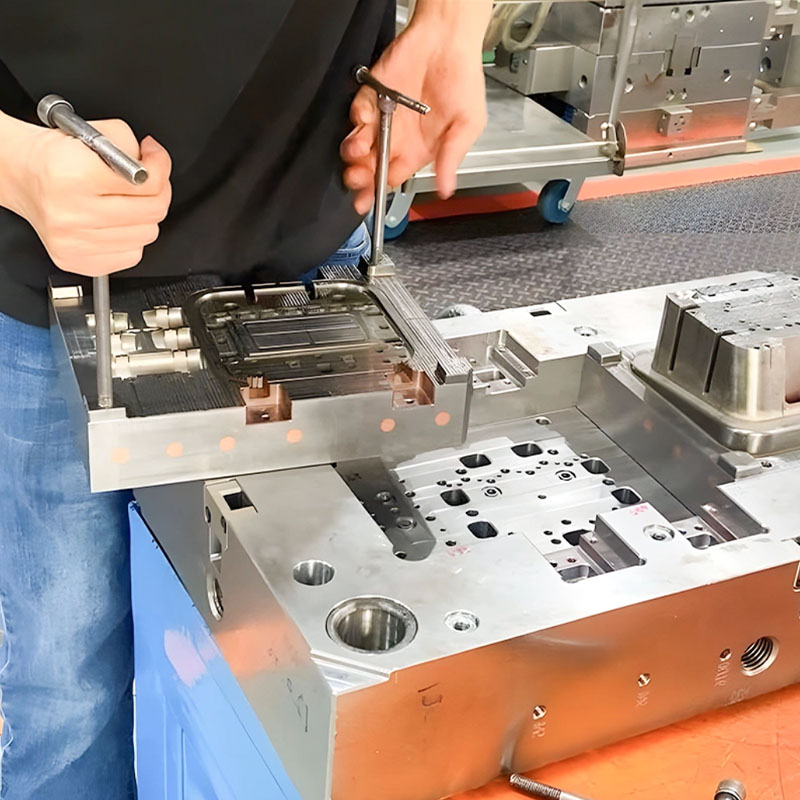
A mold is a production asset, and small changes in vents, slides, cooling or shutoffs can become part defects and downtime. Maintenance keeps known conditions stable; repair addresses damage or wear and returns the tool to a verified production state.
Learn More
1

Mold Tooling

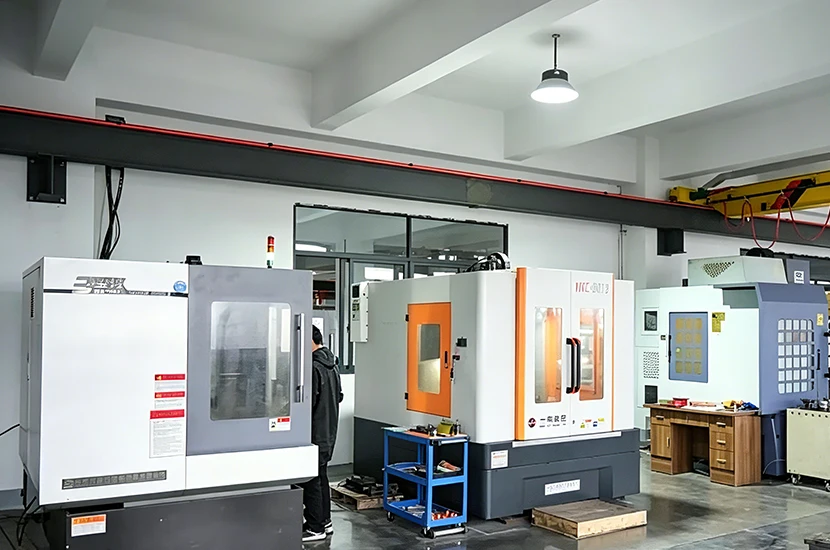
A production mold should be designed for the part, material and expected workload—not chosen from a generic specification. Shenyue connects part review, mold design, machining, assembly, trial and correction in one tooling workflow.
Learn More

30/ June

Our New Manufacturing Facility Is Now Operational – A Major Step Forward in Capacity and Efficiency

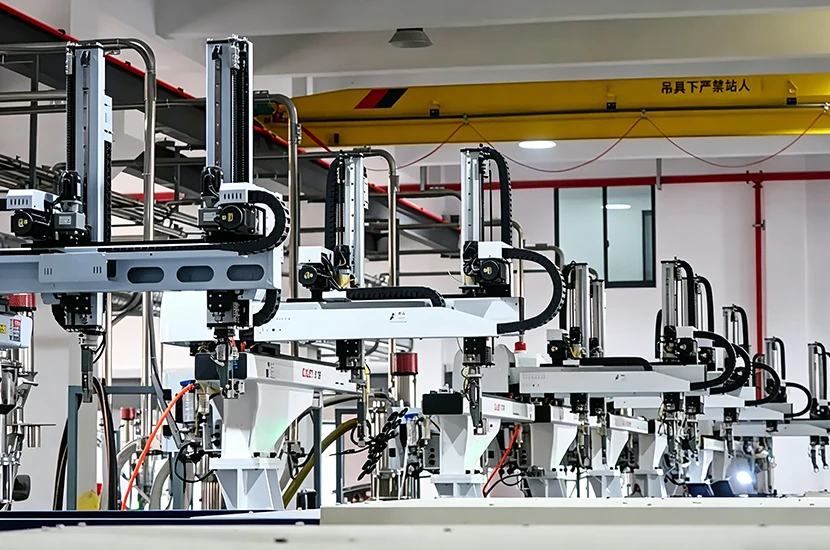
We are proud to announce that our new manufacturing facility is now officially in operation. This upgrade represents a total investment of over RMB 60 million and marks an important milestone in our continuous growth and commitment to high-quality production. The new factory has been equipped with 23 brand-new injection molding machines from Haitian International, with a maximum clamping force of 850 tons, enabling us to produce plastic parts weighing up to 3000 grams. This significantly enhances our capability to handle larger and more complex products for a wide range of industries. To further improve production stability and efficiency, we have implemented a centralized material feeding system across the entire workshop. This system ensures consistent material supply, reduces manual handling, and minimizes the risk of contamination or human error. In addition, all machines are now equipped with automated robotic arms, allowing for fully automated production processes. This not only improves production efficiency but also ensures better consistency and precision in every batch. With these upgrades, we are able to: (1)Increase production capacity and shorten lead times (2)Maintain stable product quality across high-volume orders (3)Support more complex and larger-scale custom projects (4)Provide more reliable OEM and ODM manufacturing solutions This new facility reflects our long-term commitment to investing in advanced equipment and smart manufacturing. We believe these improvements will enable us to better serve our global customers with higher efficiency, greater flexibility, and consistent quality.
Learn More
blog1

15/ October

Why It Is Recommended to Choose an Injection Molding Manufacturer with an In-House Mold Workshop

When selecting an injection molding manufacturer, factors such as price, lead time, and communication are often prioritized. However, whether the manufacturer has an in-house mold workshop is an equally important consideration that can significantly impact project outcomes. 1. Improved Development Efficiency Manufacturers with in-house mold workshops are able to manage the entire process internally, including mold design, machining, and modification. This integrated workflow helps to: (1)Reduce dependency on third-party suppliers (2)Shorten communication cycles (3)Accelerate mold development and revision processes As a result, overall project timelines are typically more predictable and efficient. 2. Better Control of Mold Quality The quality of injection-molded products is closely related to the precision and condition of the mold. When mold production is outsourced, differences in standards and communication gaps may lead to inconsistencies. In contrast, in-house mold workshops allow for: (1)Direct supervision of manufacturing processes (2)Consistent quality standards (3)Easier implementation of design adjustments This contributes to more stable production performance and reduced defect rates. 3. Faster Problem Resolution During Production During mold trials and mass production, issues such as dimensional deviation, surface defects, or deformation may occur. With in-house capabilities, manufacturers can: (1)Identify root causes more quickly (2)Perform adjustments such as welding, polishing, or structural modification in a timely manner (3)Minimize downtime during production This is particularly important for projects requiring multiple iterations or tight deadlines. 4.Potential Long-Term Cost Advantages Although initial mold costs may not vary significantly, in-house mold capabilities can contribute to cost efficiency over time by: (1)Reducing delays and repeated modifications (2)Lowering communication and logistics costs (3)Extending mold service life through proper maintenance These factors can help improve the overall cost-effectiveness of a project. 5.More Structured Mold Management Manufacturers with dedicated mold workshops often implement systematic mold management practices, including: (1)Clear identification and tracking systems (2)Organized storage and maintenance procedures (3)Faster response for repeat production orders This ensures that molds remain in good condition and are readily available when needed. Conclusion Choosing an injection molding manufacturer involves more than evaluating production capacity alone. The presence of an in-house mold workshop can provide advantages in efficiency, quality control, and long-term project stability. For projects that require precision, flexibility, and ongoing support, this factor can be an important criterion in supplier selection.  
Learn More
blog 6

15/ April

Upgrading Our Mold Management System – 3 Months, 1,500+ Molds Reorganized

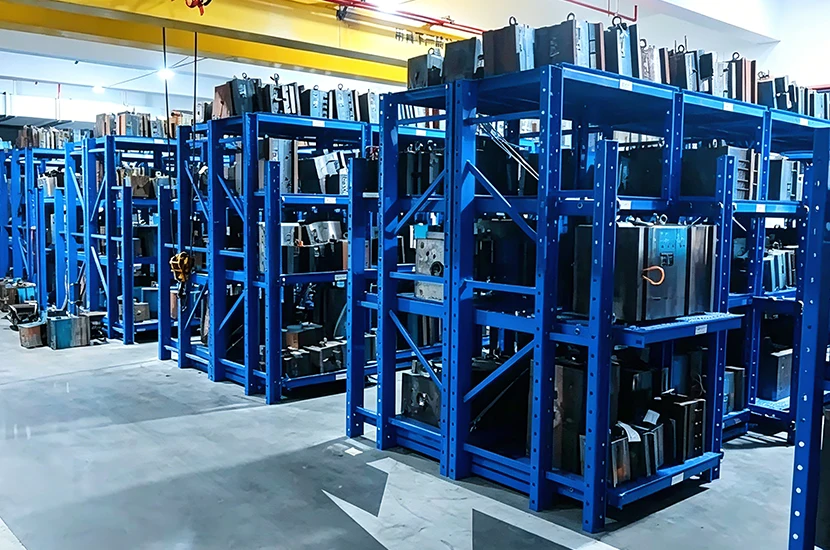
Over the past three months, our team has completed a comprehensive upgrade of our mold warehouse management system—an essential step to improve efficiency, traceability, and long-term service quality. During this project, we systematically reorganized our entire mold inventory. Each mold has been re-labeled, coded, and assigned a clear storage position, with standardized identification plates for easier tracking and management. In total, more than 1,500 molds have been re-registered and properly stored in our upgraded warehouse system. This process not only improves internal efficiency but also ensures that we can respond faster and more accurately to repeat orders from our customers. In addition, we reviewed all inactive molds in storage and handled over 500 abandoned molds that had not been used for an extended period. This helped us optimize warehouse space and maintain a more organized and efficient storage environment. It is worth highlighting that we provide free mold storage for up to 5 years for all our customers. During this period, molds are carefully maintained and remain available for future production. However, if a mold has not been used for more than 5 years, we will proceed with disposal, unless otherwise agreed or specifically instructed by the customer. With this upgrade, we are now able to: (1)Improve mold traceability and management efficiency (2)Ensure faster response for repeat production (3)Optimize warehouse space and organization (4)Provide more reliable long-term mold storage services We believe that well-managed molds are the foundation of stable production and long-term cooperation. This upgrade reflects our commitment to offering not only manufacturing services, but also professional and responsible mold management for our global partners.
Learn More
blog 7
Contact Us

Enjoy Thoughtful & Exclusive Service

Whether you have inquiries, cooperation intentions or feedback suggestions, we are always online for you. Our professional team provides one-on-one considerate response with quick replies and dedicated follow-up. With thoughtful service attitude and efficient reliability, we guard your needs all the way. We look forward to sincere communication and win-win cooperation with you!

    Name *

    Email *

    Tel Number

    WhatsApp

    Which country/region do you reside in? *

    Website / File Sharing Link

    Or Upload Product Drawings (Max: 10MB)

    Comment or Product Message *

    Products
    Contacts
    WhatsApp
    Email