15 , October
When selecting an injection molding manufacturer, factors such as price, lead time, and communication are often prioritized. However, whether the manufacturer has an in-house mold workshop is an equally important consideration that can significantly impact project outcomes.
1. Improved Development Efficiency
Manufacturers with in-house mold workshops are able to manage the entire process internally, including mold design, machining, and modification.
This integrated workflow helps to:
(1)Reduce dependency on third-party suppliers
(2)Shorten communication cycles
(3)Accelerate mold development and revision processes
As a result, overall project timelines are typically more predictable and efficient.
2. Better Control of Mold Quality
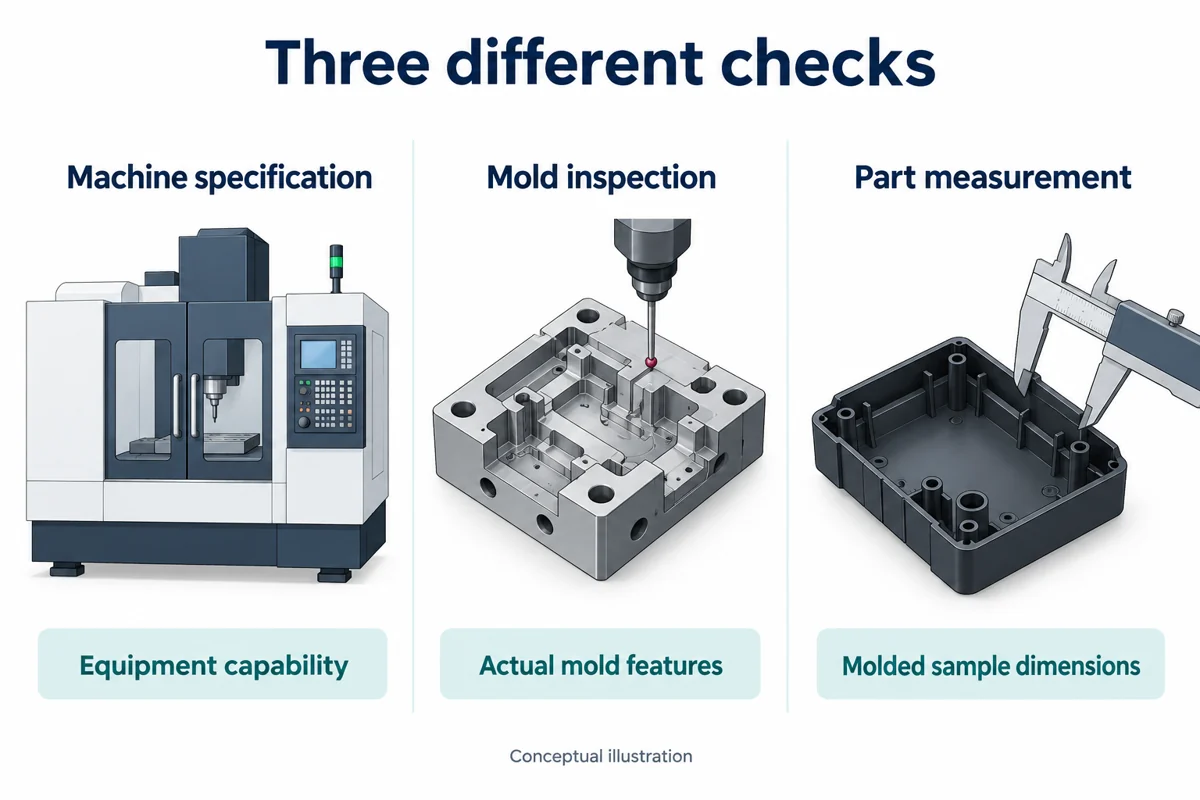
The quality of injection-molded products is closely related to the precision and condition of the mold.
When mold production is outsourced, differences in standards and communication gaps may lead to inconsistencies. In contrast, in-house mold workshops allow for:
(1)Direct supervision of manufacturing processes
(2)Consistent quality standards
(3)Easier implementation of design adjustments
This contributes to more stable production performance and reduced defect rates.
3. Faster Problem Resolution During Production
During mold trials and mass production, issues such as dimensional deviation, surface defects, or deformation may occur.
With in-house capabilities, manufacturers can:
(1)Identify root causes more quickly
(2)Perform adjustments such as welding, polishing, or structural modification in a timely manner
(3)Minimize downtime during production
This is particularly important for projects requiring multiple iterations or tight deadlines.
4.Potential Long-Term Cost Advantages
Although initial mold costs may not vary significantly, in-house mold capabilities can contribute to cost efficiency over time by:
(1)Reducing delays and repeated modifications
(2)Lowering communication and logistics costs
(3)Extending mold service life through proper maintenance
These factors can help improve the overall cost-effectiveness of a project.
5.More Structured Mold Management
Manufacturers with dedicated mold workshops often implement systematic mold management practices, including:
(1)Clear identification and tracking systems
(2)Organized storage and maintenance procedures
(3)Faster response for repeat production orders
This ensures that molds remain in good condition and are readily available when needed.
Conclusion
Choosing an injection molding manufacturer involves more than evaluating production capacity alone. The presence of an in-house mold workshop can provide advantages in efficiency, quality control, and long-term project stability.
For projects that require precision, flexibility, and ongoing support, this factor can be an important criterion in supplier selection.