Nullam dignissim, ante scelerisque the is euismod fermentum odio sem sempre das ist erat, ein feugiat leo urna eget eros. Duis Aenean ein unverschämtes Risiko.
Nullam dignissim, ante scelerisque the is euismod fermentum odio sem sempre das ist erat, ein feugiat leo urna eget eros. Duis Aenean ein unverschämtes Risiko.
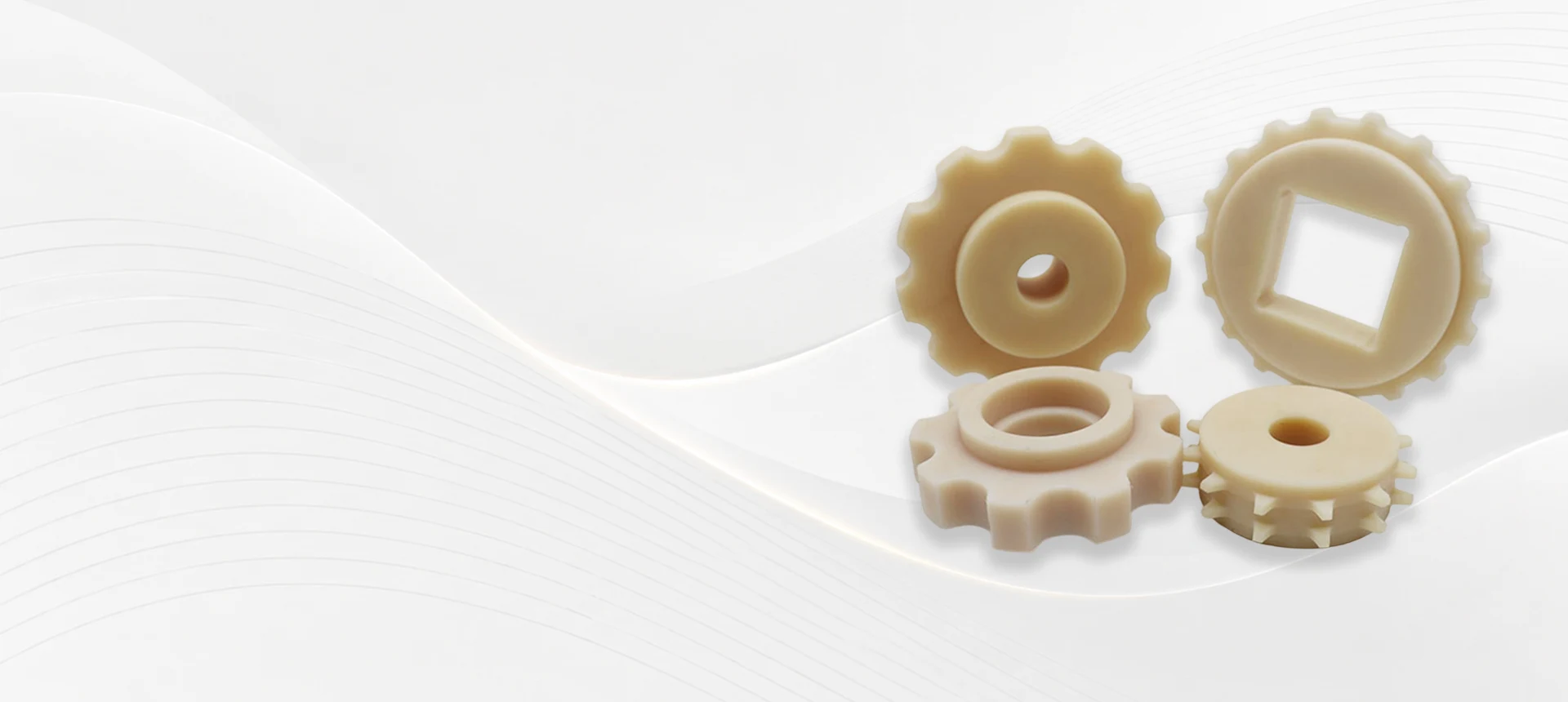
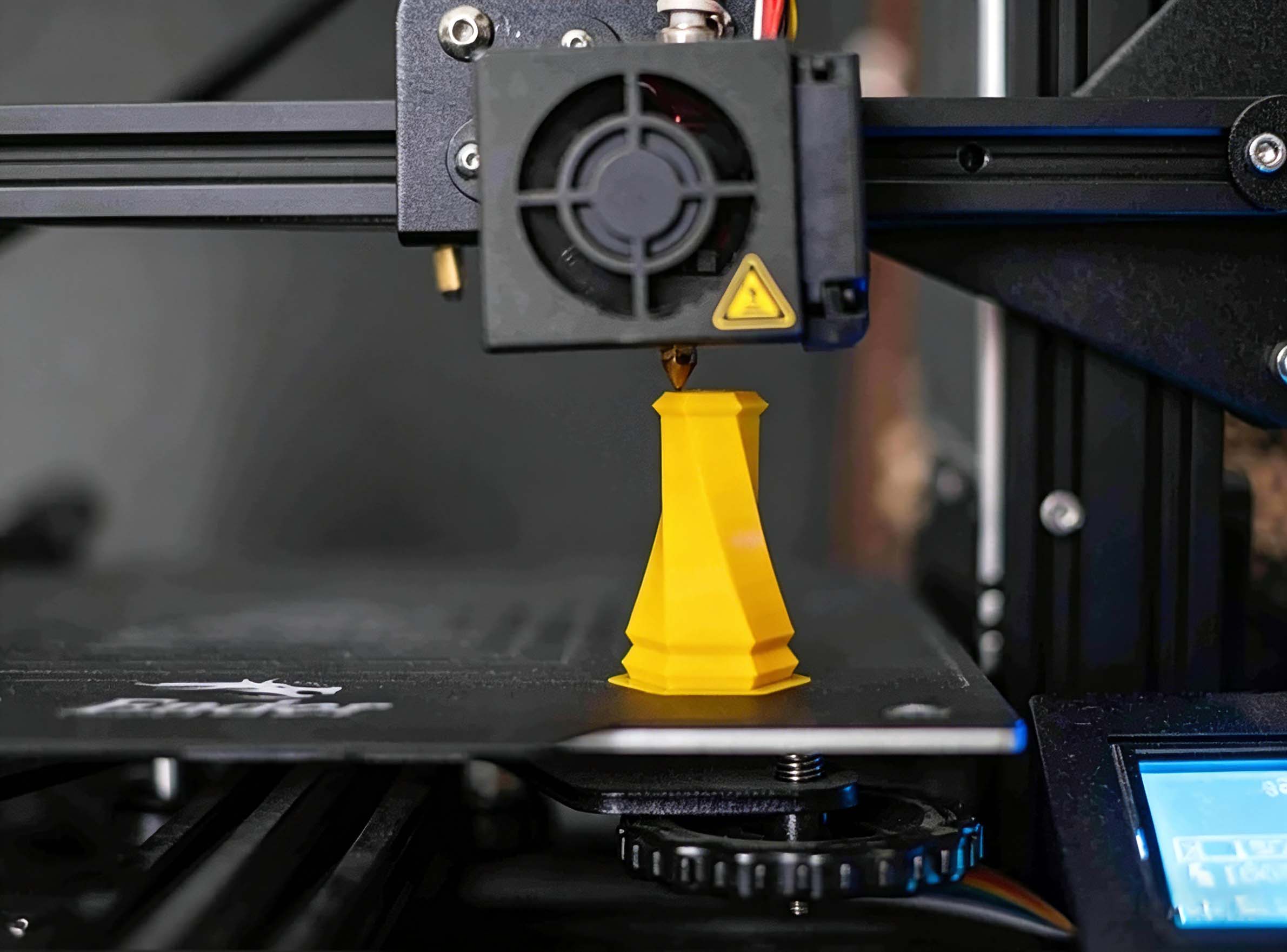
Stereolithografie baut ein Harzbauteil Schicht für Schicht auf, indem flüssiges Photopolymer durch Licht ausgehärtet wird. Sie zeichnet sich durch feine Details und eine glatte Oberfläche aus und eignet sich daher für die Designkommunikation, Passungsprüfungen und die Prototypenbewertung vor der Werkzeugherstellung.
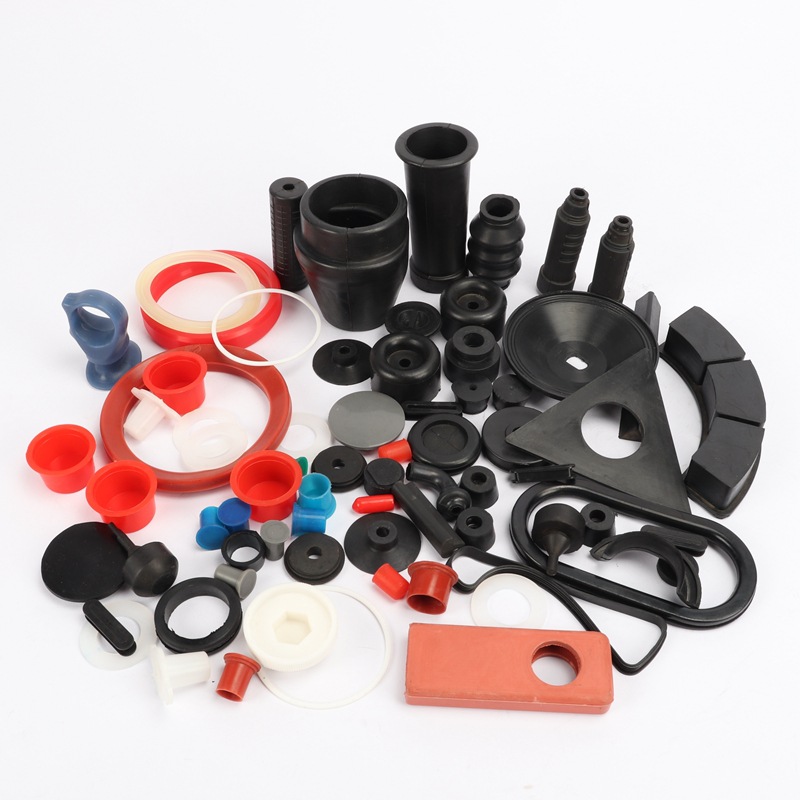
Kundenspezifische Gummiteile müssen mehr leisten, als nur eine bestimmte Form zu erfüllen. Sie müssen unter Umständen abdichten, flexibel sein, Vibrationen dämpfen, Kanten schützen oder auch bei wiederholter Nutzung den Kontakt gewährleisten. Wir analysieren zunächst die Betriebsbedingungen und stimmen dann Material, Geometrie und Formgebungsverfahren auf die jeweilige Funktion des Teils ab.
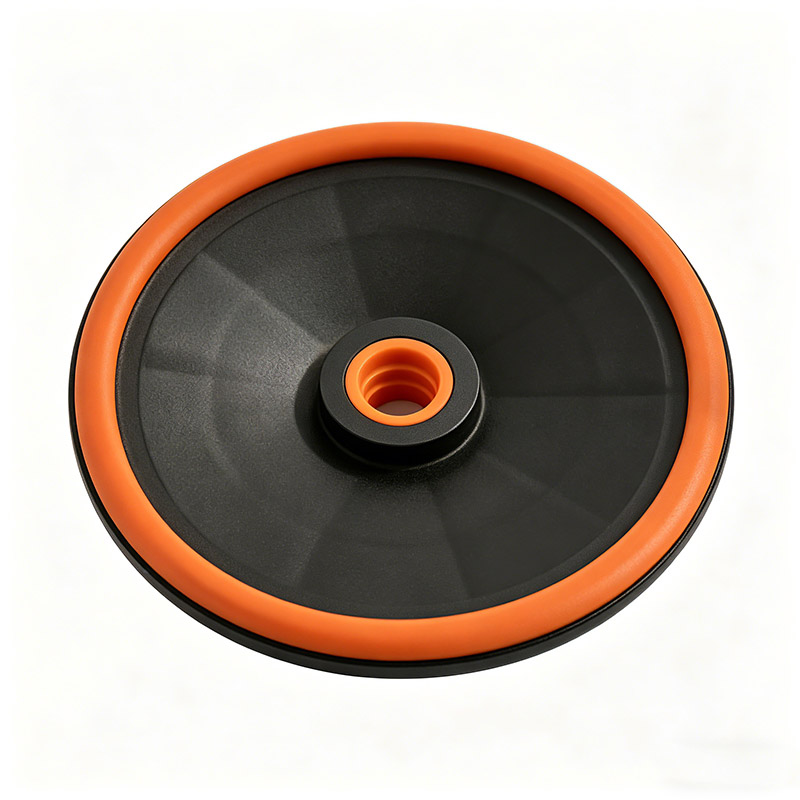
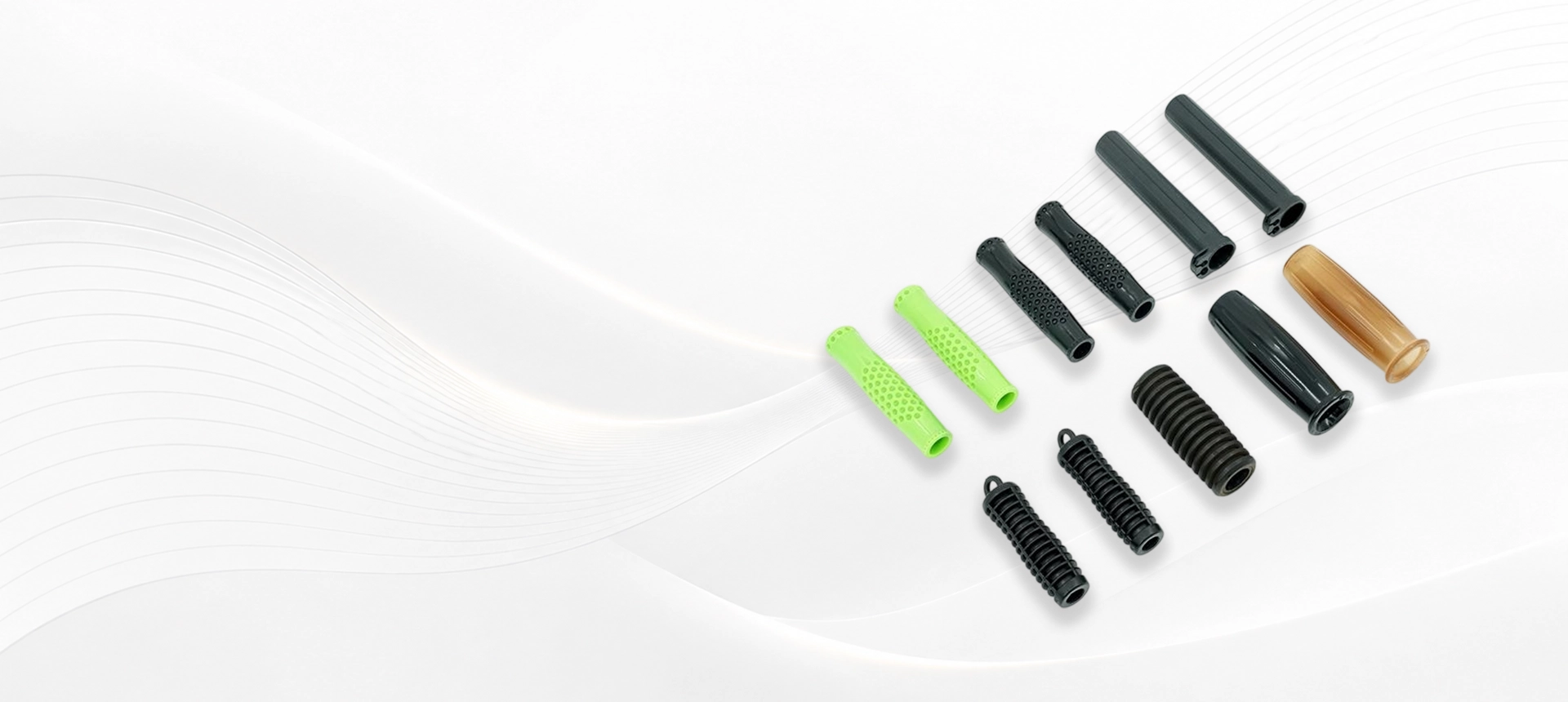
Durch das Umspritzen mit Gummi wird ein weicheres Elastomer mit einem starren Bauteil oder Einsatz kombiniert, um in einem Bauteil Griffigkeit, Abdichtung, Dämpfung oder Schutz zu erzielen. Zuverlässige Ergebnisse hängen von der Schnittstelle ab: Materialverträglichkeit, mechanische Haftung, Oberflächenbeschaffenheit und Werkzeugabschaltungen müssen sorgfältig geplant werden.
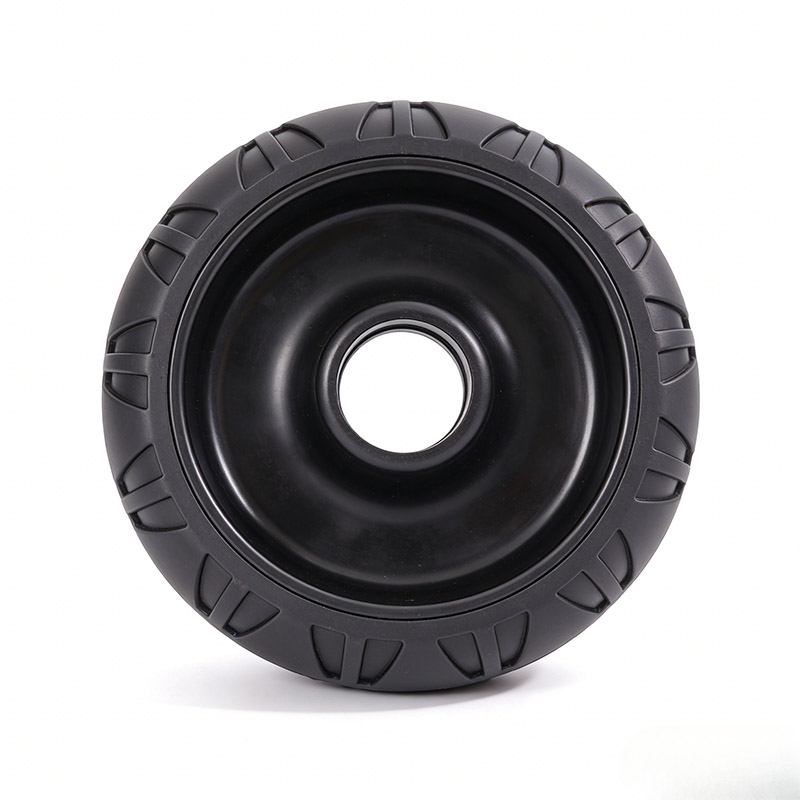
Beim Formpressen wird eine abgemessene Gummimenge in einem beheizten Werkzeug geformt, wobei Druck das Material formt und Hitze es aushärtet. Das Verfahren ist für viele kundenspezifische Elastomerteile etabliert und eignet sich gut für robuste Geometrien und geeignete Produktionsmengen.
Stereolithografie baut ein Harzbauteil Schicht für Schicht auf, indem flüssiges Photopolymer durch Licht ausgehärtet wird. Sie zeichnet sich durch feine Details und eine glatte Oberfläche aus und eignet sich daher für die Designkommunikation, Passungsprüfungen und die Prototypenbewertung vor der Werkzeugherstellung.
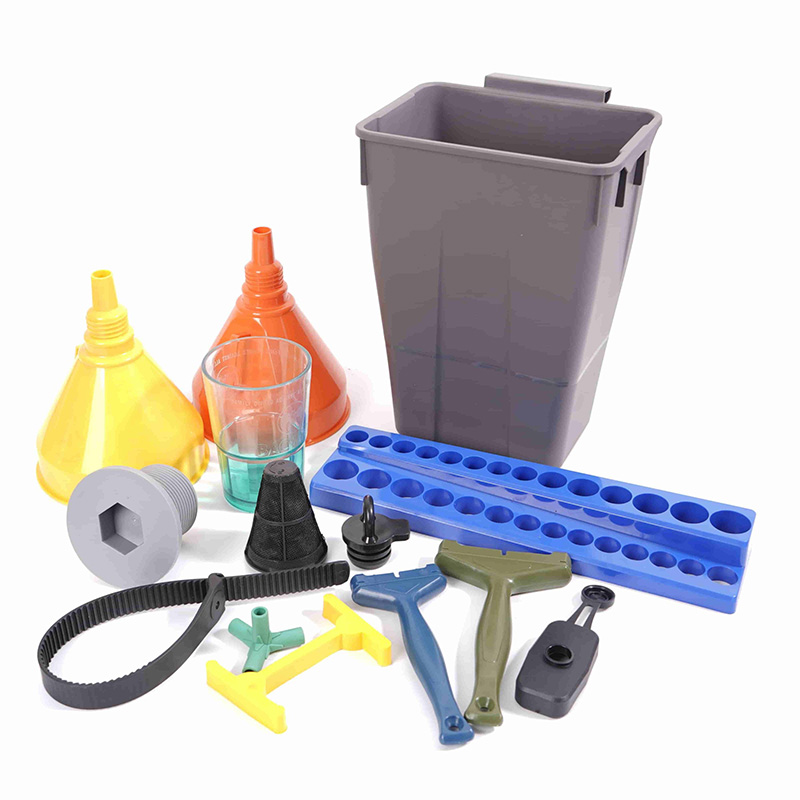
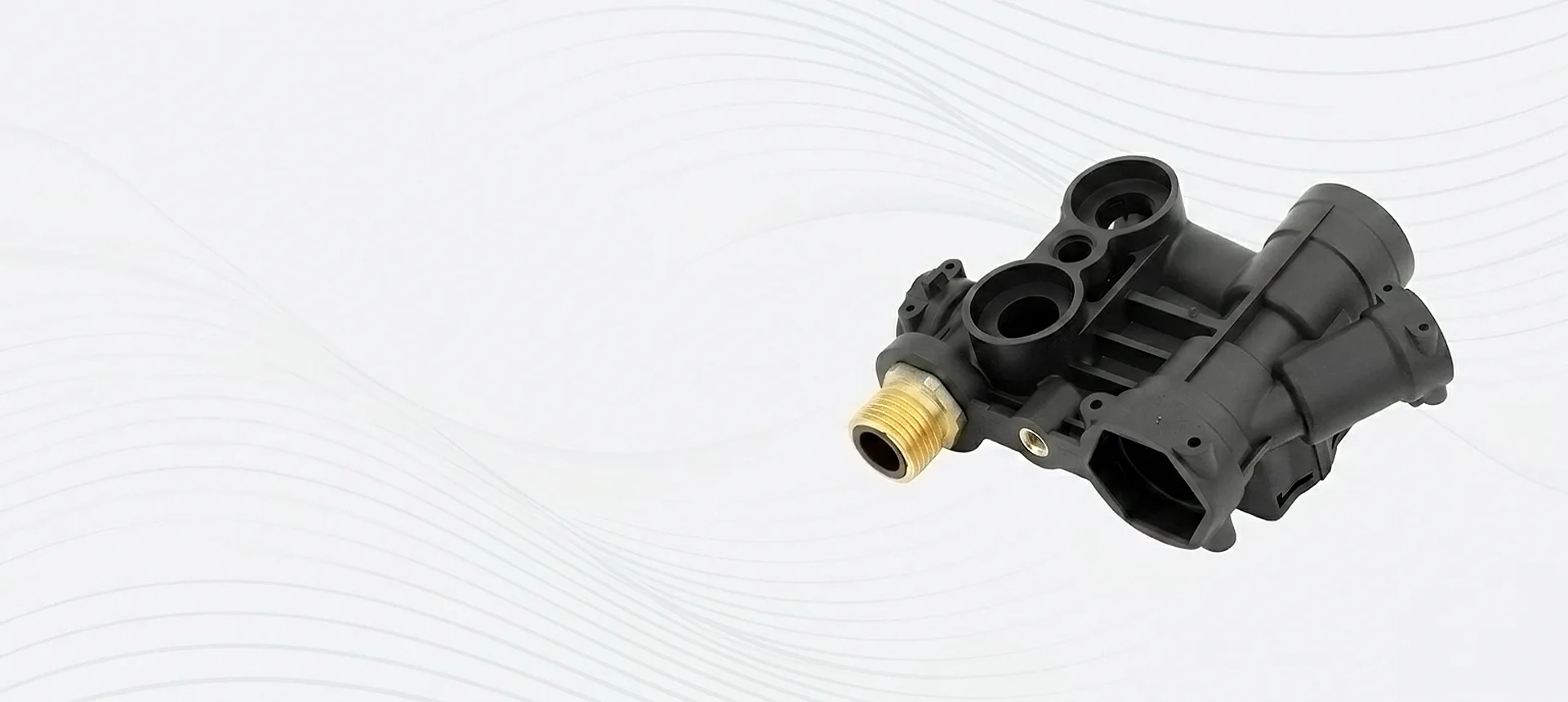
Verwandeln Sie die Konstruktion eines Kunststoffteils in einen wiederholbaren Produktionsprozess. Shenyue unterstützt die Prüfung von Formteilen, Werkzeugbau, Bemusterung, Spritzguss und optionale Nachbearbeitung, sodass Konstruktionsentscheidungen, Prozesseinstellungen und Abnahmekriterien stets miteinander verknüpft bleiben.
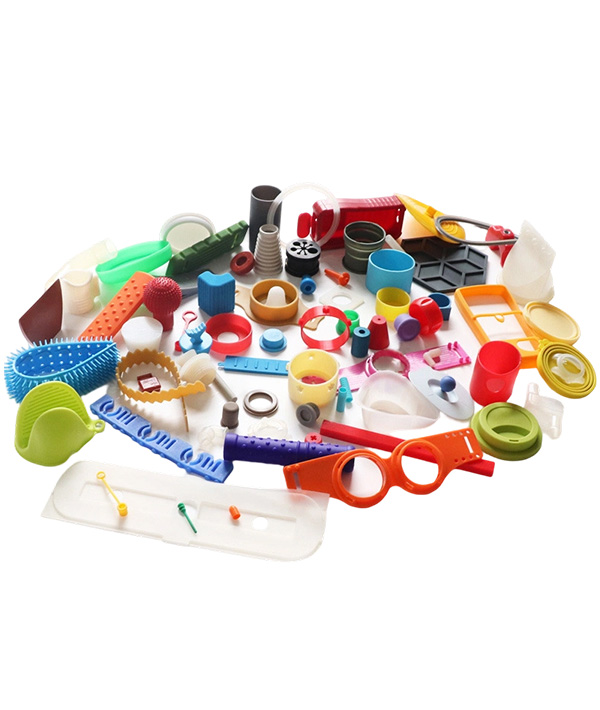
Beim Umspritzen wird ein weicheres Material mit einem starren Substrat zu einem integrierten Bauteil verbunden. TPE, TPU oder ausgewählte Gummimischungen können über Kunststoff-, Metall- oder andere vorbereitete Einsätze gegossen werden, um Griffigkeit, Dämpfung, Abdichtung, Isolierung oder Oberflächenschutz zu verbessern. Zuverlässiges Umspritzen erfordert mehr als nur das Aufbringen eines Materials auf ein anderes. Substrat, Elastomer, Geometrie der Grenzfläche, Werkzeug, Belastungsmethode und Prozessbedingungen müssen optimal aufeinander abgestimmt sein. Shenyue prüft diese Faktoren vor der Werkzeugherstellung und validiert die fertige Grenzfläche anhand von Mustern und vereinbarten Funktionsprüfungen.
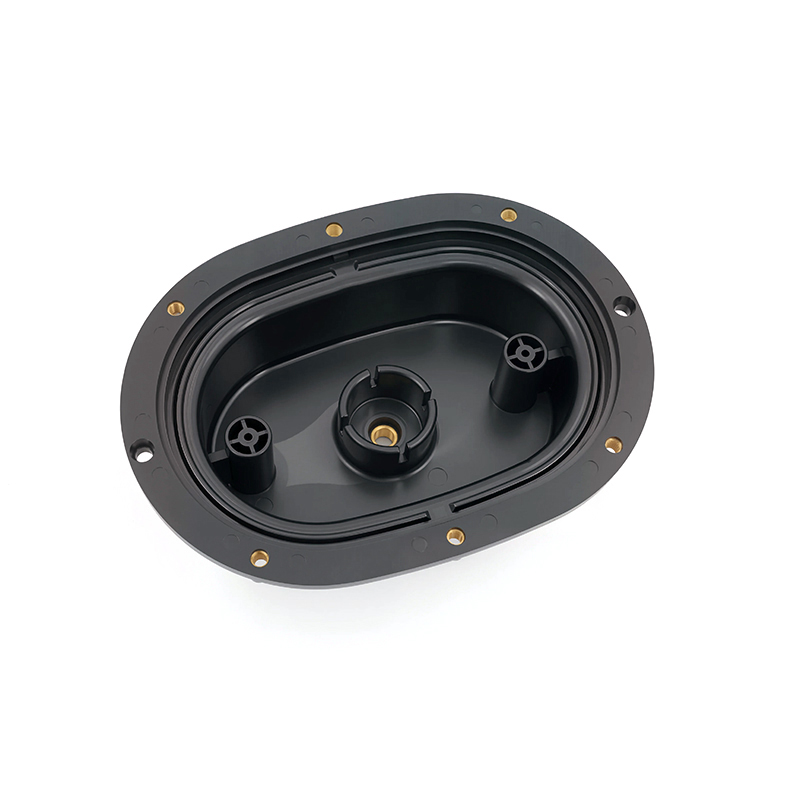
Beim Einlegen eines Einsatzes wird ein vorbereitetes Bauteil in das Werkzeug eingelegt und in einem kontrollierten Zyklus mit Kunststoff umhüllt. Dieses Verfahren kann spätere Montageschritte ersetzen und ein kompaktes, integriertes Bauteil erzeugen – vorausgesetzt, Einsatz, Kunststoff und Werkzeug sind optimal aufeinander abgestimmt.
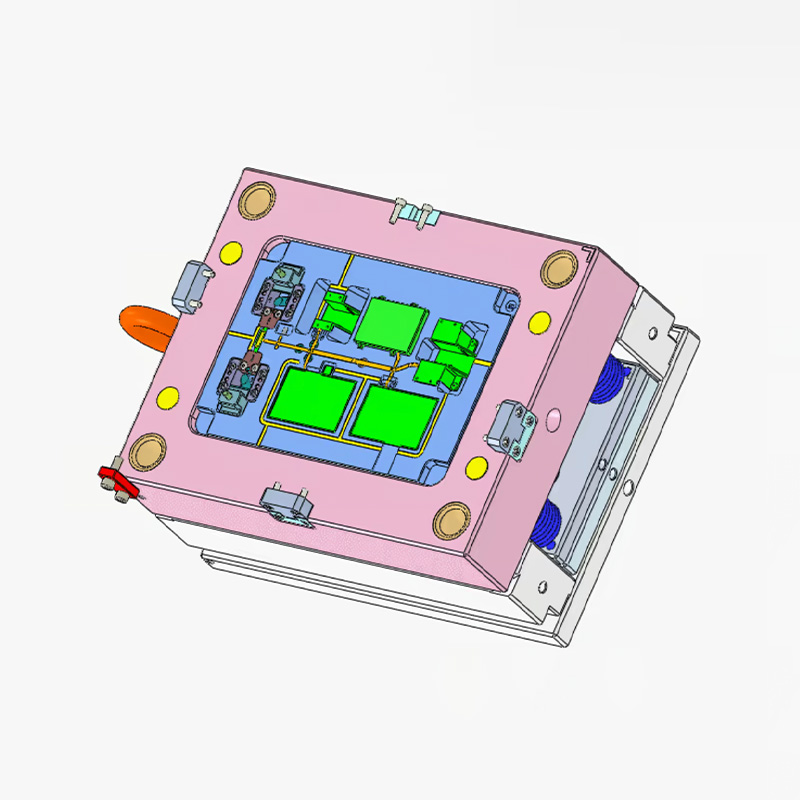
Mit einem Werkzeug, das auf den tatsächlichen Produktionsmix abgestimmt ist, lassen sich mehrere Teile pro Spritzgießzyklus herstellen. Mehrfachformen fertigen jeweils ein Teil; Formenfamilien kombinieren verschiedene Teile. Beide Verfahren können die Produktivität steigern, jedoch nur, wenn Materialfluss, Nachfrage und Qualitätsanforderungen die jeweilige Wahl rechtfertigen.
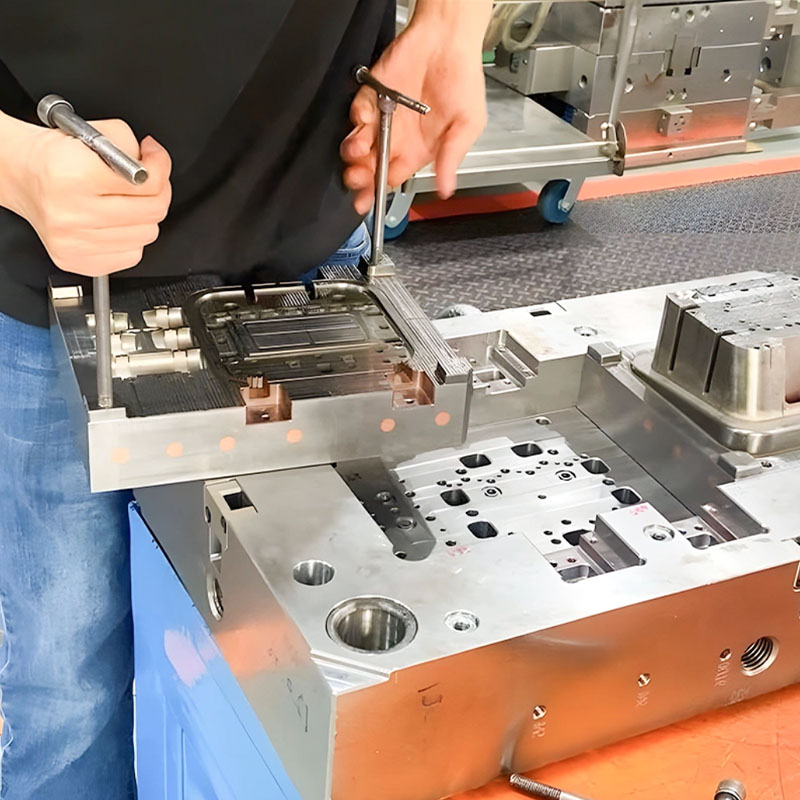
Eine Form ist ein Produktionsgut, und bereits kleine Änderungen an Entlüftungsöffnungen, Schiebern, Kühlung oder Absperrventilen können zu Bauteilfehlern und Produktionsausfällen führen. Die Wartung sorgt für einen stabilen Zustand; die Reparatur behebt Schäden oder Verschleiß und versetzt das Werkzeug wieder in einen geprüften Produktionszustand.
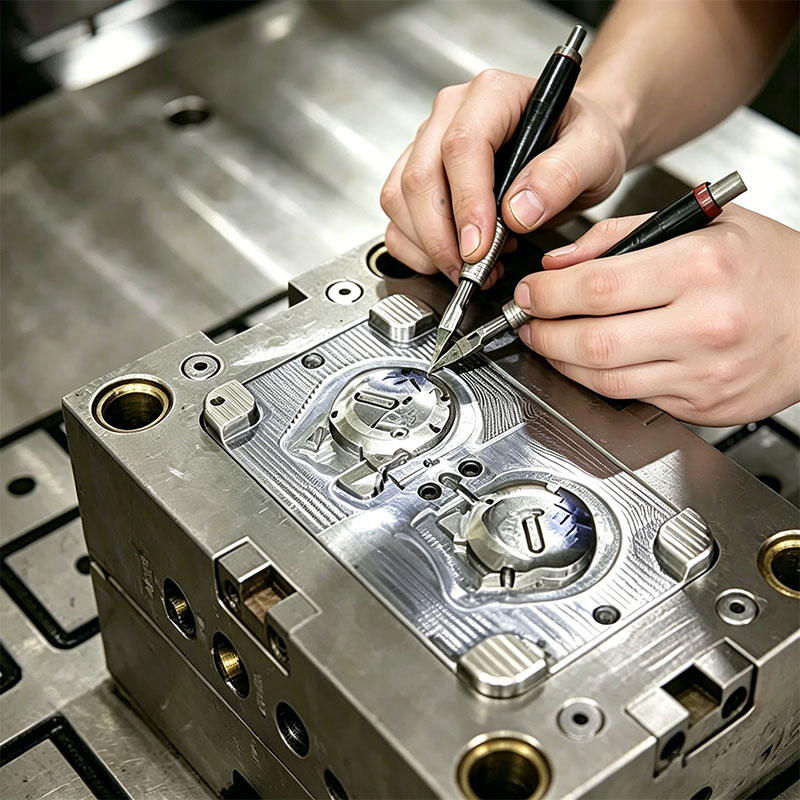
Ein Produktionswerkzeug sollte speziell für das Bauteil, das Material und die erwartete Arbeitsbelastung ausgelegt sein – und nicht anhand einer Standardvorgabe ausgewählt werden. Shenyue verbindet Bauteilprüfung, Werkzeugkonstruktion, Bearbeitung, Montage, Erprobung und Korrektur in einem einzigen Werkzeugbau-Workflow.
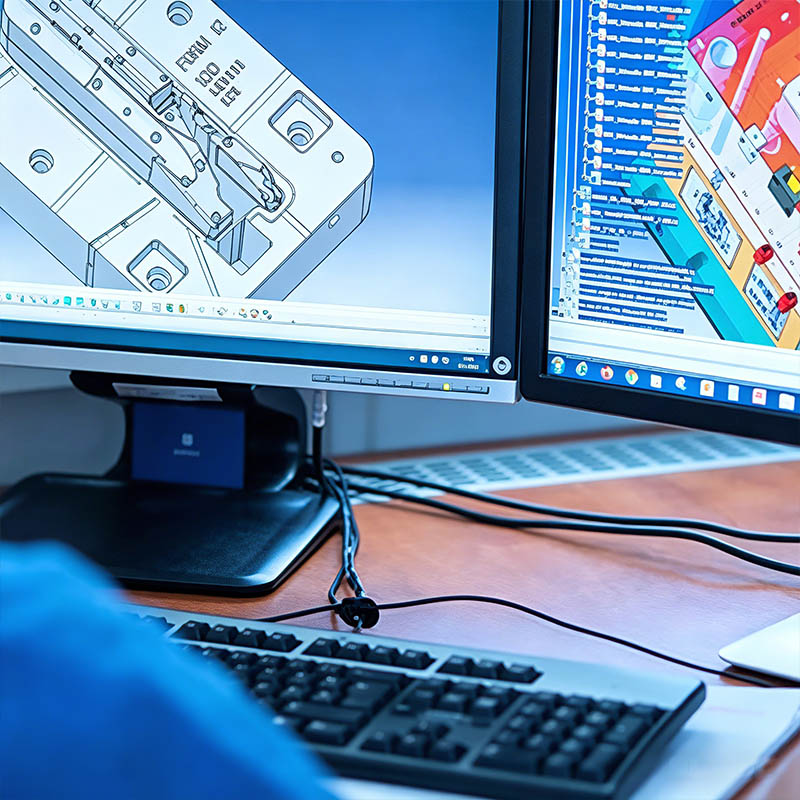
Eine gute Werkzeugkonstruktion setzt die Produktabsicht in ein Werkzeug um, das sich befüllen, abkühlen, auswerfen und warten lässt. Wir analysieren die Bauteil- und Produktionsanforderungen frühzeitig und entwickeln das Werkzeugkonzept unter Berücksichtigung bekannter Risiken, anstatt diese erst durch Versuche aufzudecken.
Kundenspezifische Gummiteile müssen mehr leisten, als nur eine bestimmte Form zu erfüllen. Sie müssen unter Umständen abdichten, flexibel sein, Vibrationen dämpfen, Kanten schützen oder auch bei wiederholter Nutzung den Kontakt gewährleisten. Wir analysieren zunächst die Betriebsbedingungen und stimmen dann Material, Geometrie und Formgebungsverfahren auf die jeweilige Funktion des Teils ab.
Durch das Umspritzen mit Gummi wird ein weicheres Elastomer mit einem starren Bauteil oder Einsatz kombiniert, um in einem Bauteil Griffigkeit, Abdichtung, Dämpfung oder Schutz zu erzielen. Zuverlässige Ergebnisse hängen von der Schnittstelle ab: Materialverträglichkeit, mechanische Haftung, Oberflächenbeschaffenheit und Werkzeugabschaltungen müssen sorgfältig geplant werden.
Beim Formpressen wird eine abgemessene Gummimenge in einem beheizten Werkzeug geformt, wobei Druck das Material formt und Hitze es aushärtet. Das Verfahren ist für viele kundenspezifische Elastomerteile etabliert und eignet sich gut für robuste Geometrien und geeignete Produktionsmengen.
Wir bieten keine eigenen Produkte an – alle unsere Produkte werden individuell nach Kundenwunsch gefertigt. Wir sind darauf spezialisiert, die Entwicklung neuer und einzigartiger Produkte durch die Bereitstellung entsprechender technischer Lösungen zu unterstützen.
Unsere Produktion ist flexibel, schnell und effizient. Unabhängig von der Auftragsgröße bieten wir unseren Kunden umfassende Unterstützung während des gesamten Prozesses – von Produkttests über die Serienproduktion bis hin zum Versand.
Wir bieten Ihnen ein breites Spektrum an Versand- und Lagerdienstleistungen, die individuell auf Ihre Bedürfnisse zugeschnitten sind. Vom Direktversand für Handelsunternehmen bis hin zu dringenden Großlieferungen für Fabriken – wir garantieren schnelle und zuverlässige Lieferungen ohne die Notwendigkeit großer Lagerbestände.
Wir bieten eine Vielzahl zusätzlicher Dienstleistungen an, darunter Lackierung, Galvanisierung, Bedruckung und vieles mehr. Diese Lösungen sind auf unterschiedliche Kundenbedürfnisse zugeschnitten und eignen sich daher besonders für Markeninhaber, die Wert auf gleichbleibende Produktqualität und individuelle Anpassung legen.
Von Produktdesign und Formenbau bis hin zu Serienproduktion und Komponentenbeschaffung bieten wir eine Komplettlösung aus einer Hand. So können unsere Kunden ihre Lieferkette vereinfachen und marktreife Produkte erhalten.
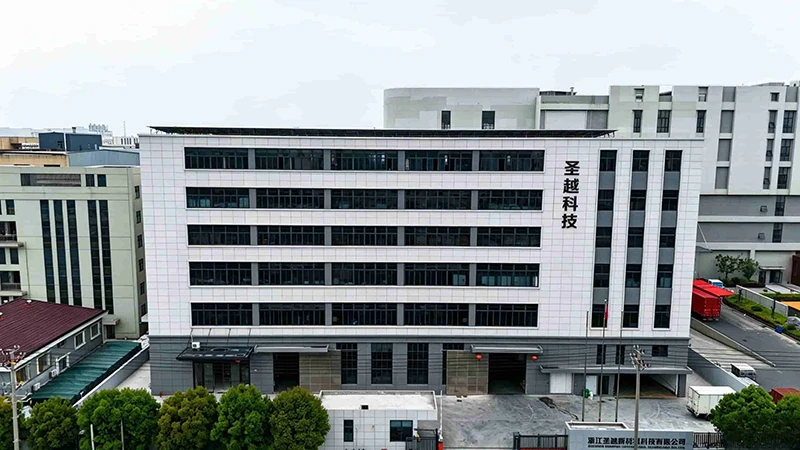
Shenyue Technology ist ein professioneller Hersteller, spezialisiert auf kundenspezifische Kunststoff-Spritzguss- und Gummiformteile. Mit über 20 Jahren Branchenerfahrung bieten wir unseren Kunden weltweit zuverlässige OEM-Lösungen – von der Produktentwicklung bis zur Serienfertigung. Wir verfügen über modernste Spritzgieß- und Formpressmaschinen sowie ein engagiertes Ingenieurteam, das eine effiziente und stabile Produktion gewährleistet. Dank unserer internen Werkzeugkonstruktion und -fertigung können wir kostengünstige und flexible Lösungen für eine Vielzahl von Branchen anbieten. Wir legen Wert auf gleichbleibende Qualität und langfristige Zusammenarbeit und helfen unseren Kunden dabei, ihre Ideen in hochwertige Produkte umzusetzen.

Review how parting arrangements, gates, runners, cooling and ejection relate to dimensional problems and fit in injection molded parts.
Mehr lesen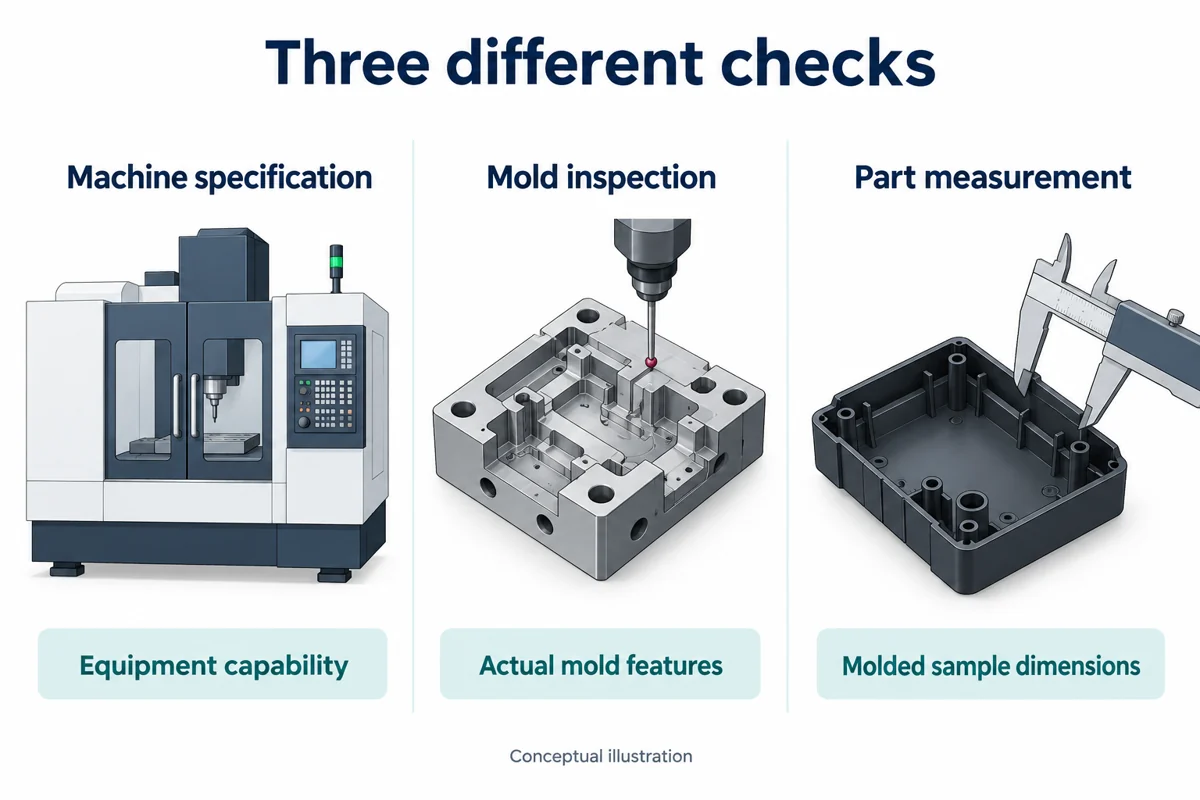
See how mold machining, component inspection and trial results work together when reviewing critical dimensions on injection molded parts.
Mehr lesen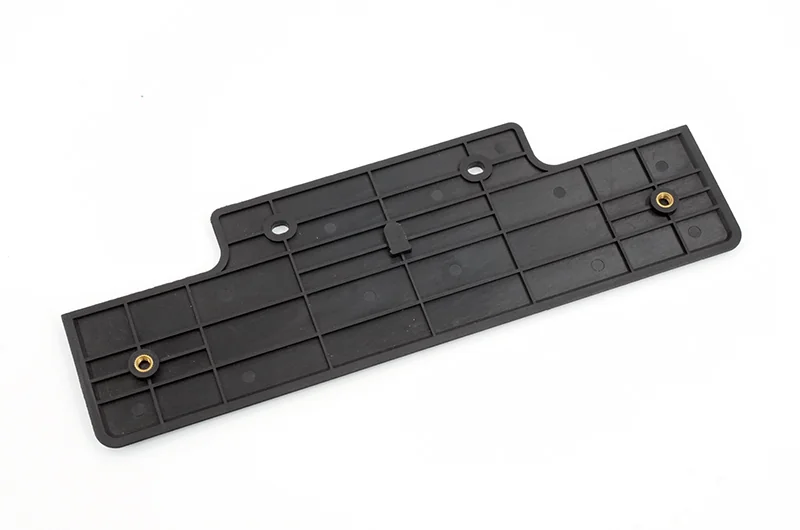
See how holding pressure and hold time affect molded part dimensions, why higher pressure is not always better, and what to check when a part fails to fit.
Mehr lesen