Sem dignidade, diante do scelerisque o ódio é euismod fermentum sem sempre o is erat, a feugiat leo urna eget eros. Duis Enéias Um corte de cabelo para dar risada.
Sem dignidade, diante do scelerisque o ódio é euismod fermentum sem sempre o is erat, a feugiat leo urna eget eros. Duis Enéias Um corte de cabelo para dar risada.
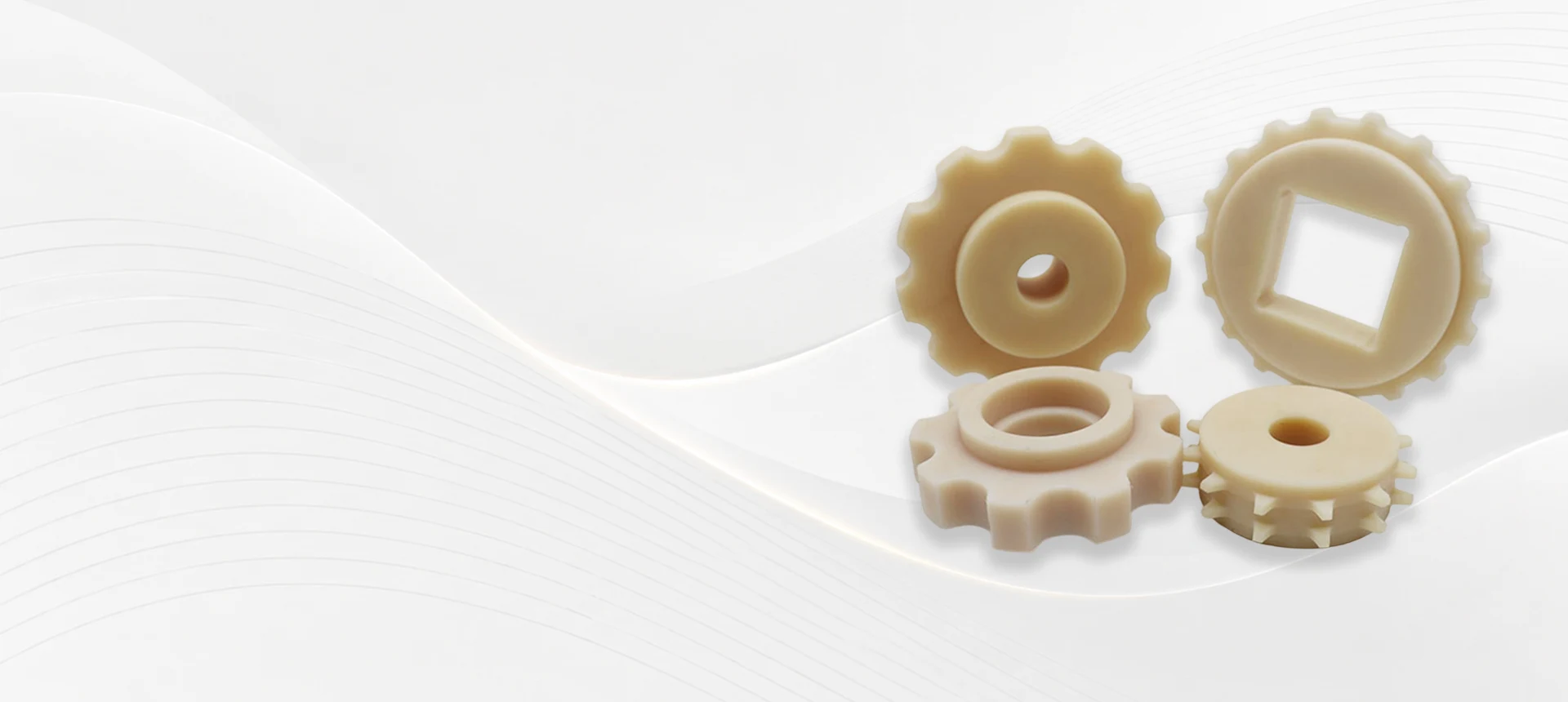
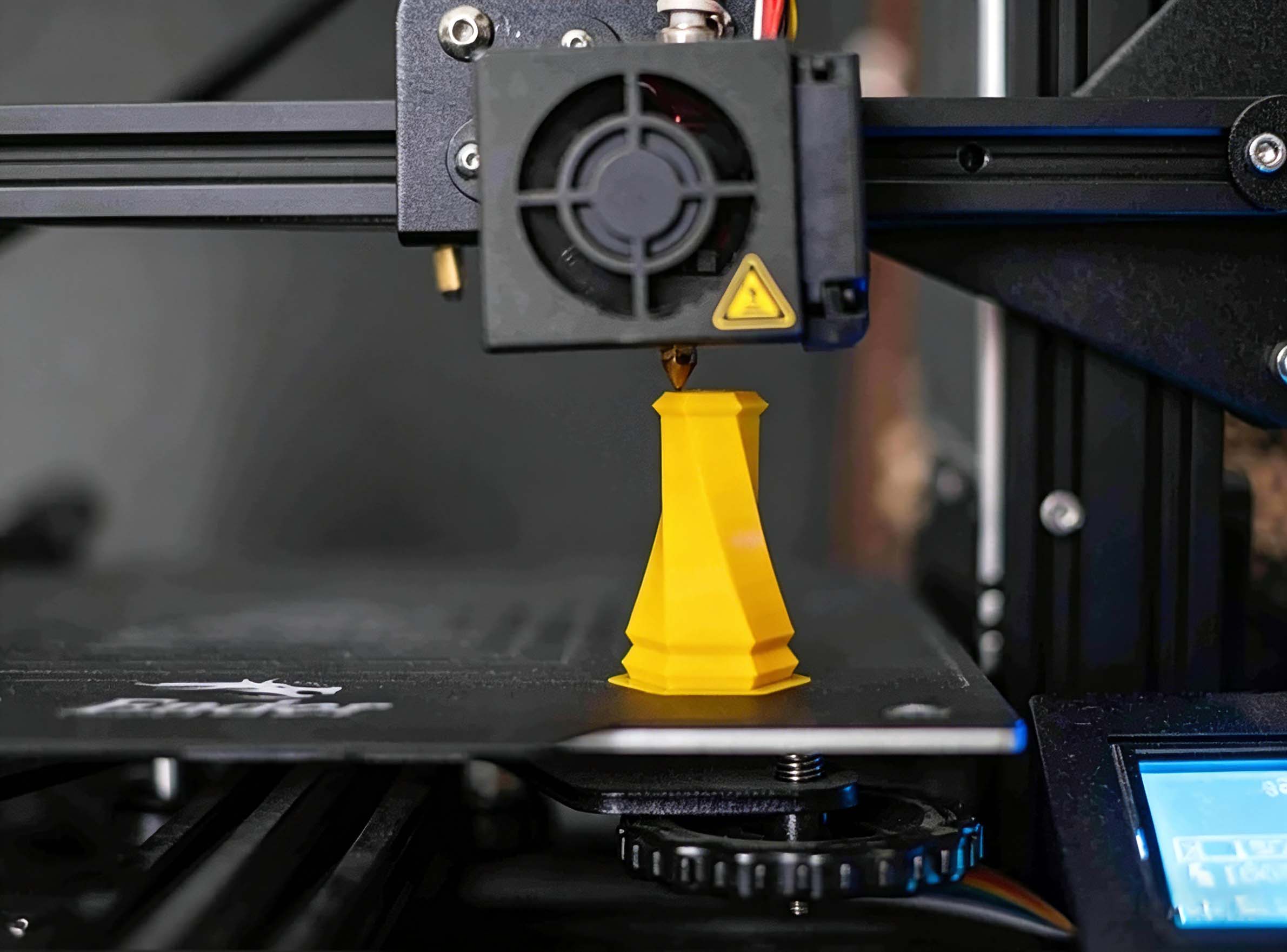
A estereolitografia constrói uma peça de resina camada por camada, utilizando luz para curar o fotopolímero líquido. É valorizada pela precisão dos detalhes e pela aparência lisa, sendo útil para a comunicação do projeto, verificação de encaixe e avaliação de protótipos antes da produção das ferramentas.
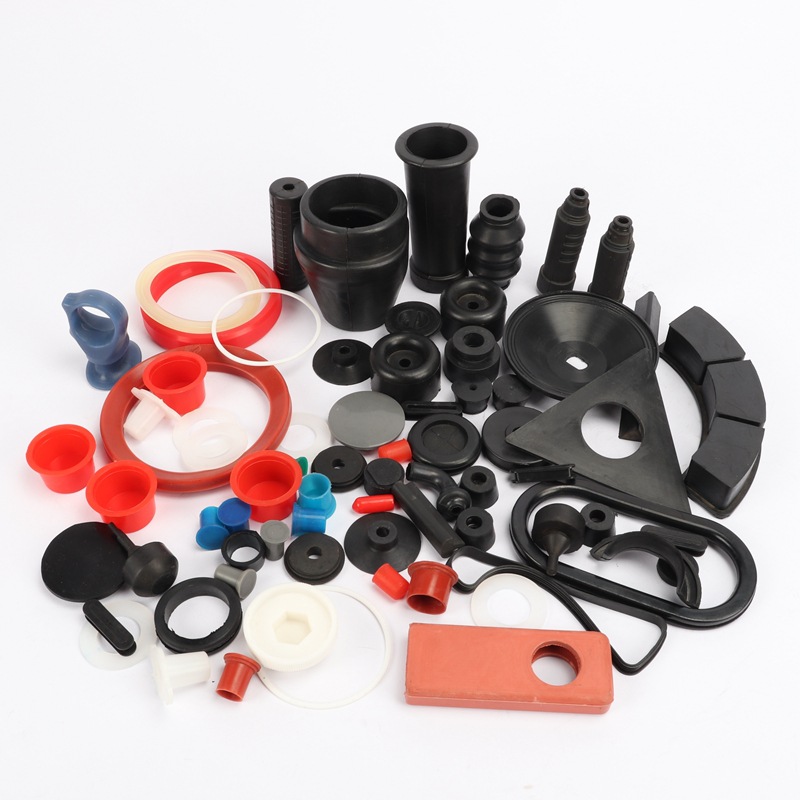
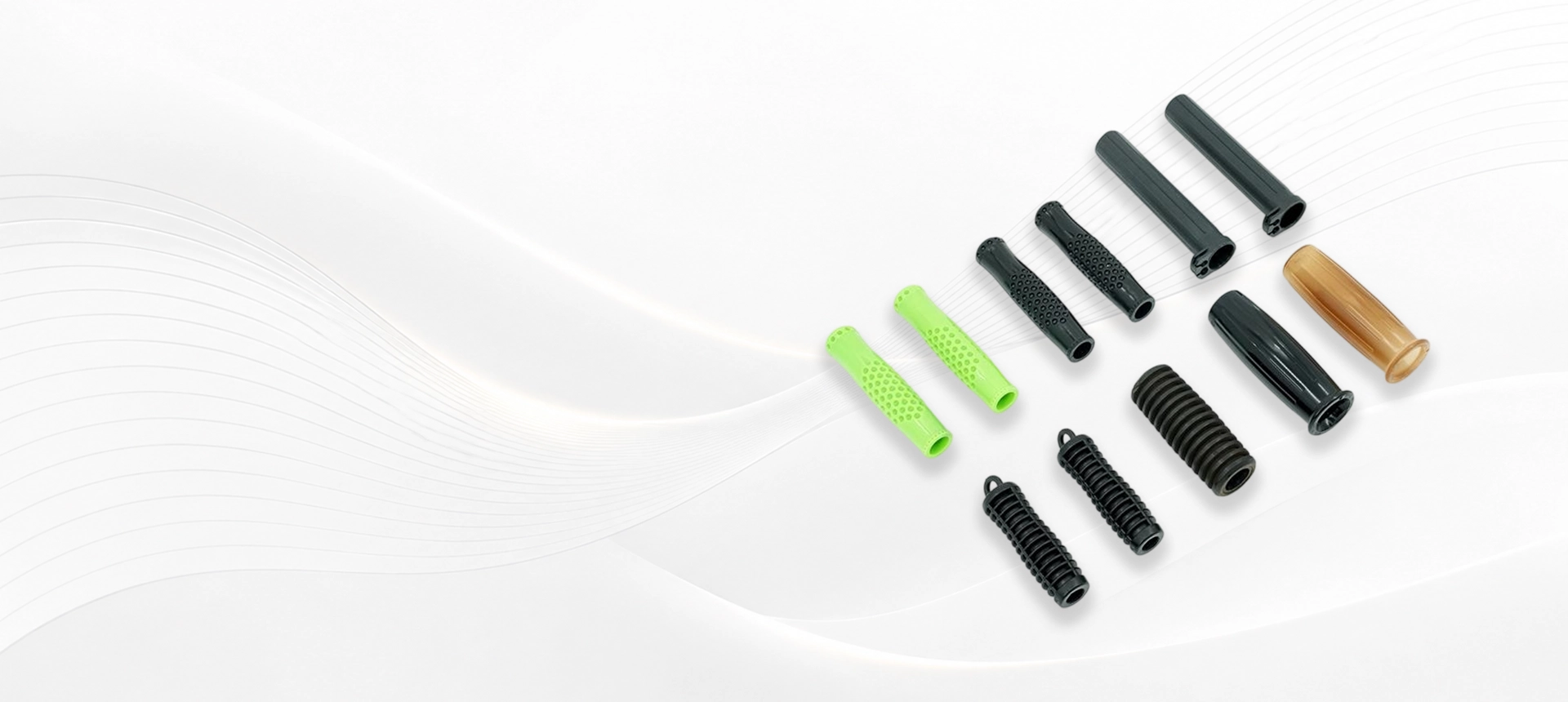
As peças de borracha personalizadas precisam fazer mais do que simplesmente reproduzir um formato. Elas podem precisar vedar, flexionar, isolar vibrações, proteger bordas ou manter o contato mesmo com uso repetido. Primeiramente, analisamos as condições de operação e, em seguida, relacionamos o material, a geometria e o método de moldagem à função que a peça deve desempenhar.
A sobremoldagem de borracha combina um elastômero mais macio com uma peça ou inserto rígido para criar aderência, vedação, amortecimento ou proteção em um único componente. Resultados confiáveis dependem da interface: compatibilidade de materiais, retenção mecânica, condição da superfície e desligamentos da ferramenta devem ser planejados.
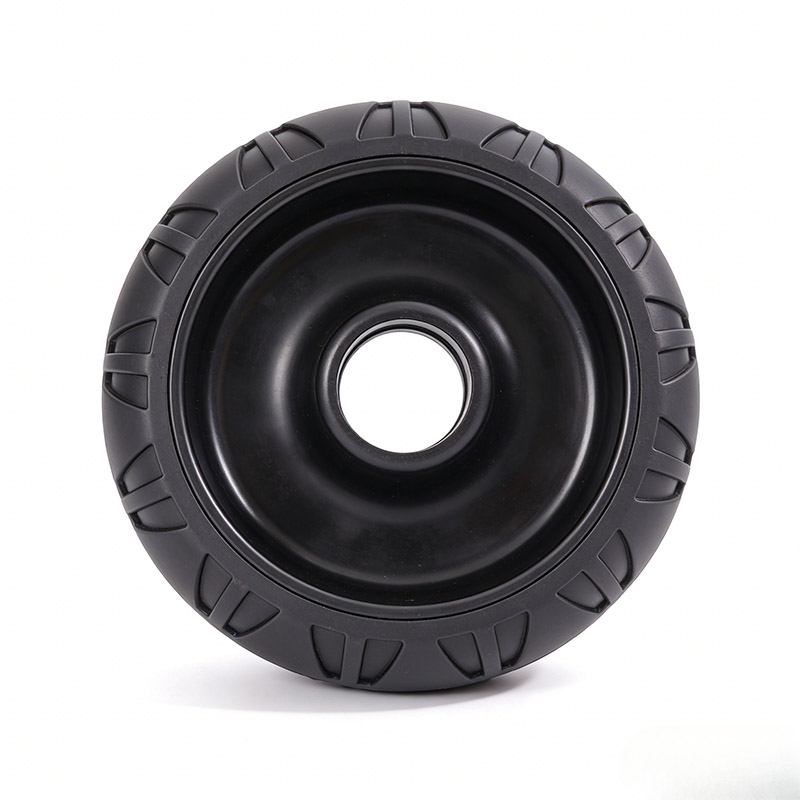
A moldagem por compressão forma uma carga de borracha medida em um molde aquecido, onde a pressão molda o material e o calor o cura. O processo é bem estabelecido para muitas peças de elastômero personalizadas e pode ser uma escolha prática para geometrias robustas e volumes de produção adequados.
A estereolitografia constrói uma peça de resina camada por camada, utilizando luz para curar o fotopolímero líquido. É valorizada pela precisão dos detalhes e pela aparência lisa, sendo útil para a comunicação do projeto, verificação de encaixe e avaliação de protótipos antes da produção das ferramentas.
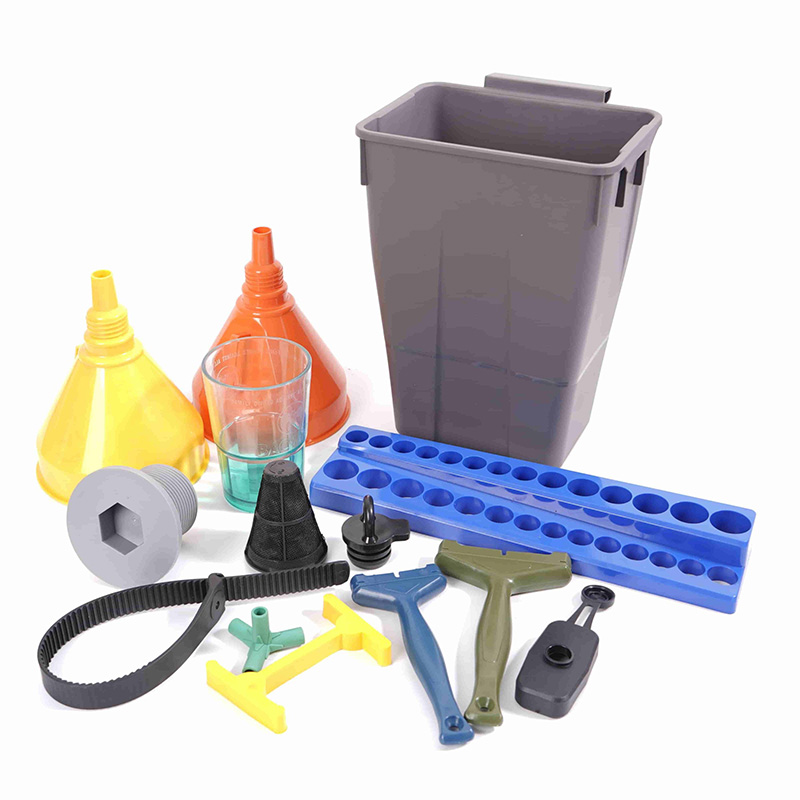
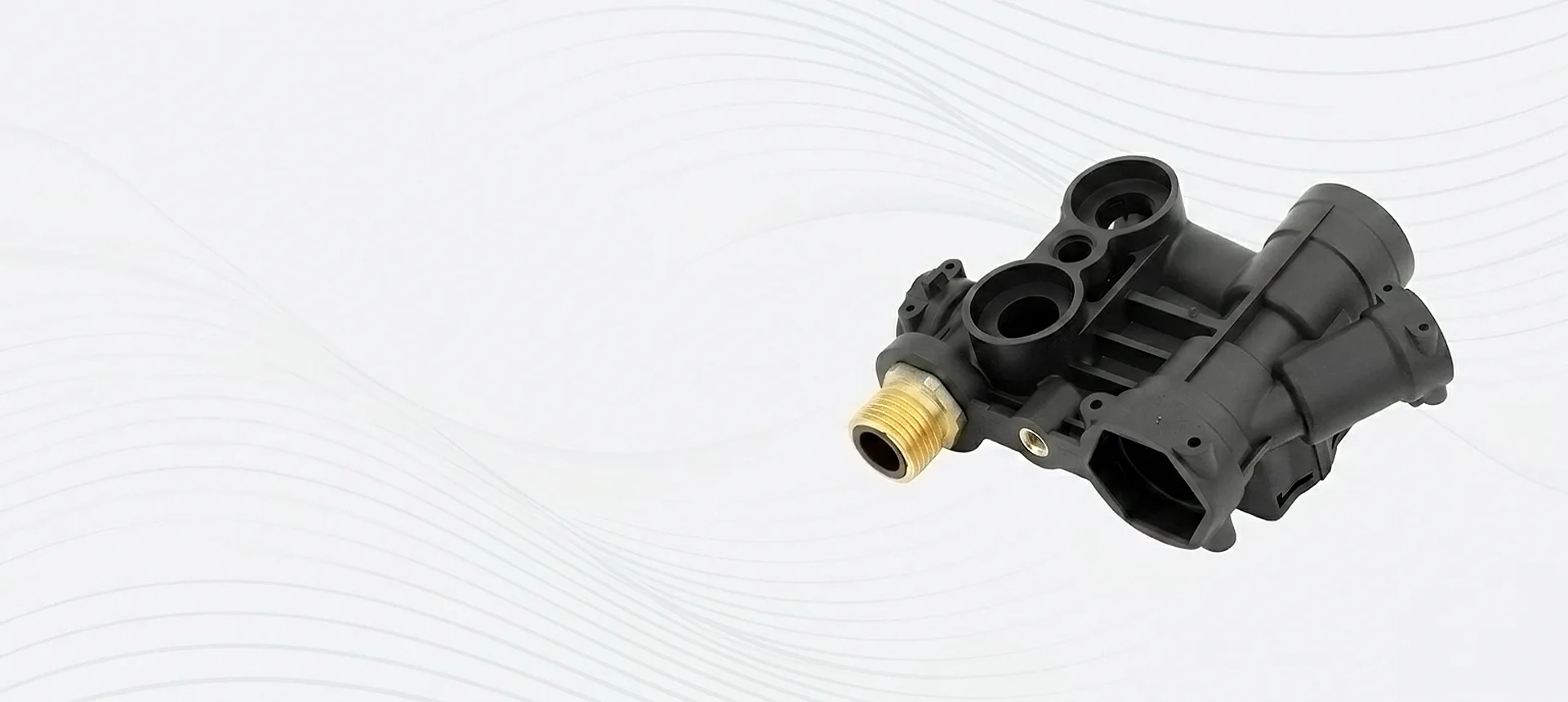
Transforme o projeto de uma peça plástica em um processo de produção repetível. A Shenyue oferece suporte à revisão de peças moldáveis, ferramentas, amostragem, moldagem por injeção e acabamento opcional, garantindo que as decisões de projeto, as configurações do processo e os requisitos de aceitação permaneçam integrados.
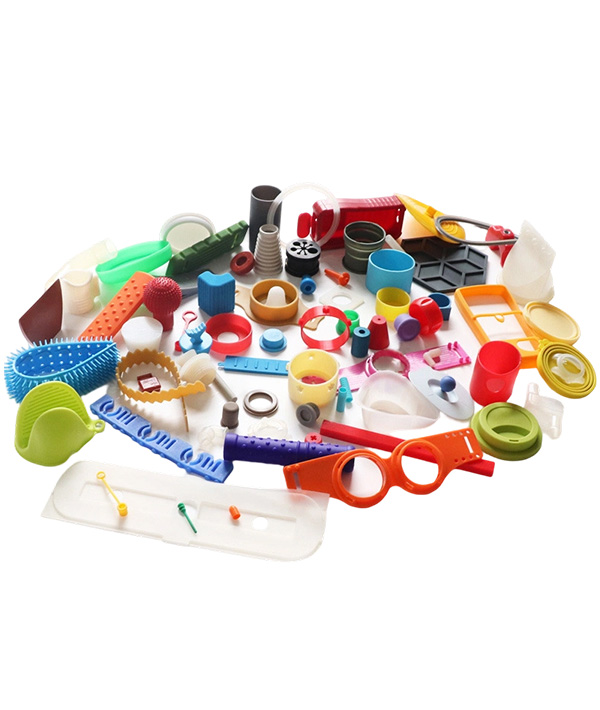
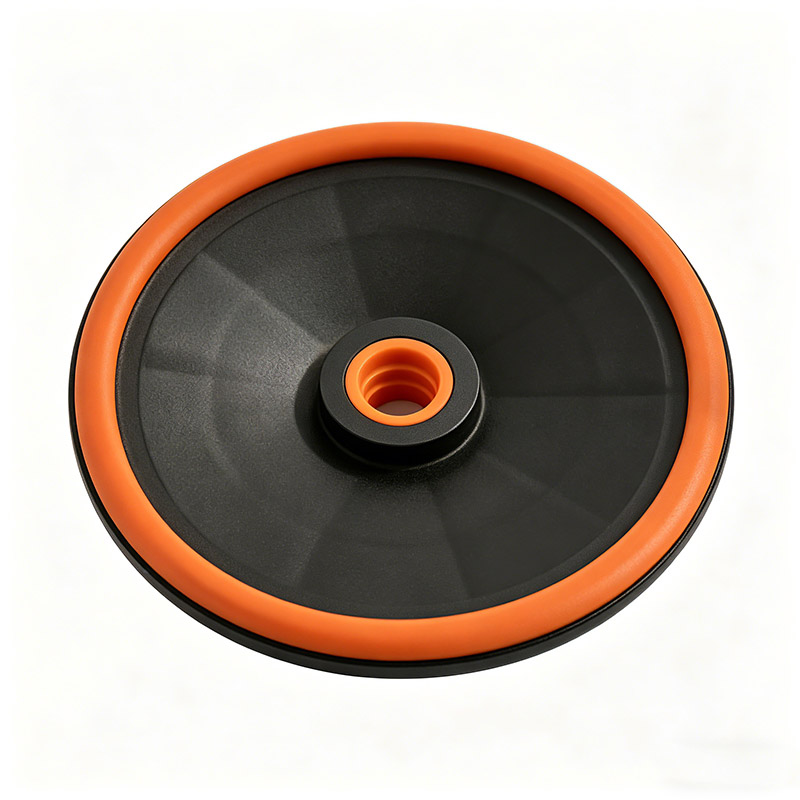
A sobremoldagem combina um material mais macio com um substrato rígido para criar um componente integrado. TPE, TPU ou compostos de borracha selecionados podem ser moldados sobre plástico, metal ou outros materiais preparados para melhorar a aderência, o amortecimento, a vedação, o isolamento ou a proteção da superfície. A sobremoldagem confiável depende de mais do que simplesmente colocar um material sobre outro. O substrato, o elastômero, a geometria da interface, o molde, o método de carregamento e as condições do processo devem funcionar em conjunto. A Shenyue analisa esses fatores antes da fabricação das ferramentas e valida a interface final por meio de amostras e verificações funcionais previamente acordadas.
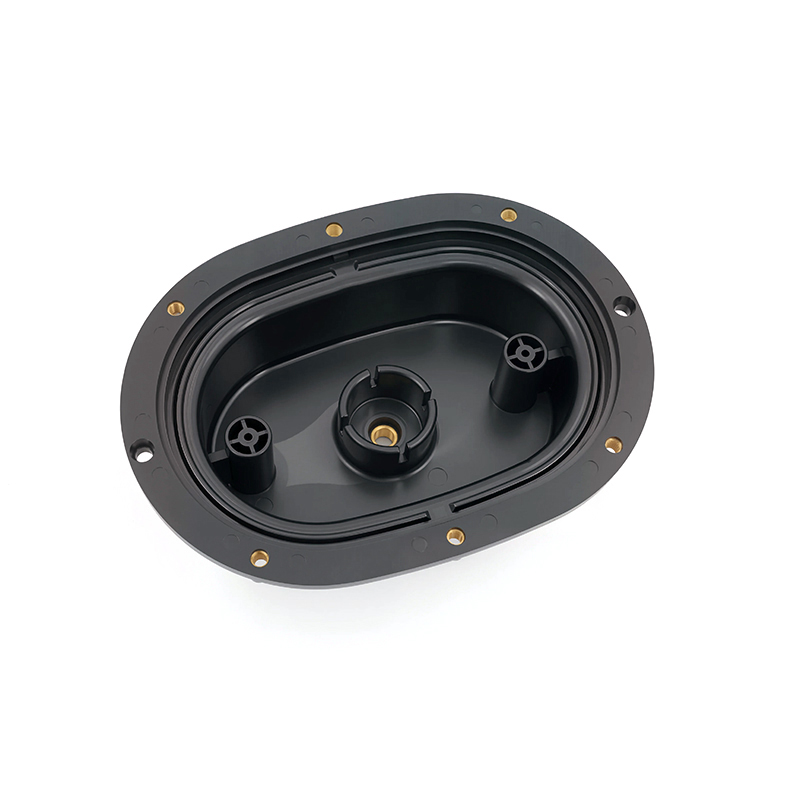
A moldagem por inserção consiste em inserir um componente preparado na ferramenta e moldar o plástico ao seu redor em um único ciclo controlado. Ela pode substituir etapas posteriores de montagem e criar uma peça compacta e integrada — quando o inserto, o plástico e o molde são projetados para funcionar em conjunto.
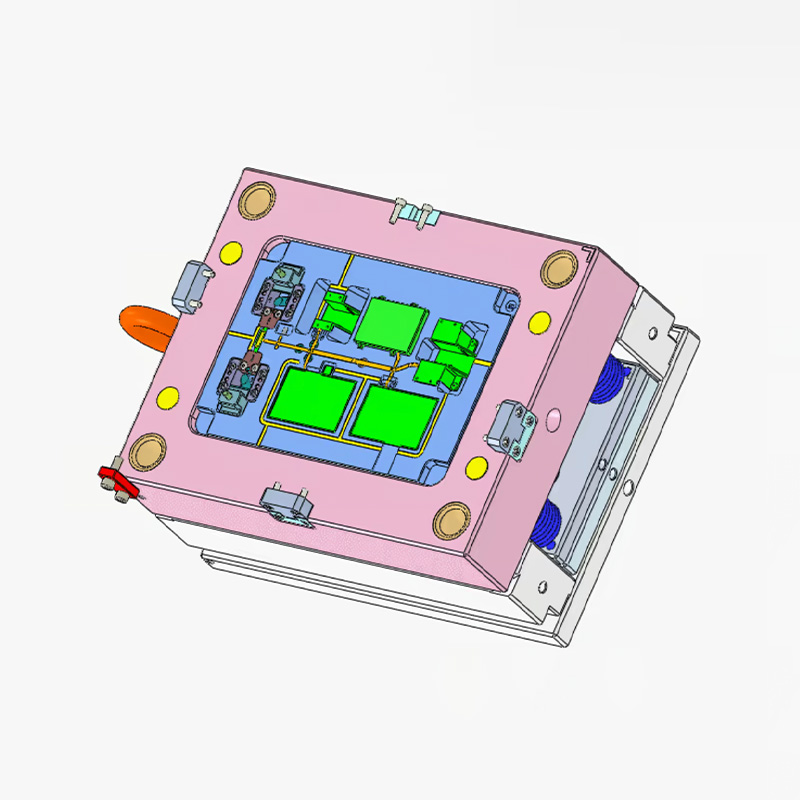
Produza mais de uma peça por ciclo de moldagem com uma ferramenta projetada de acordo com a sua necessidade real de produção. Moldes multicavidades repetem uma única peça; moldes de família combinam peças diferentes. Ambos podem aumentar a produtividade, mas somente quando o equilíbrio do fluxo, a demanda e os requisitos de qualidade justificarem a escolha.
Um molde é um ativo de produção, e pequenas alterações em respiros, corrediças, refrigeração ou válvulas de fechamento podem resultar em defeitos nas peças e tempo de inatividade. A manutenção mantém as condições conhecidas estáveis; o reparo corrige danos ou desgaste e retorna a ferramenta a um estado de produção verificado.
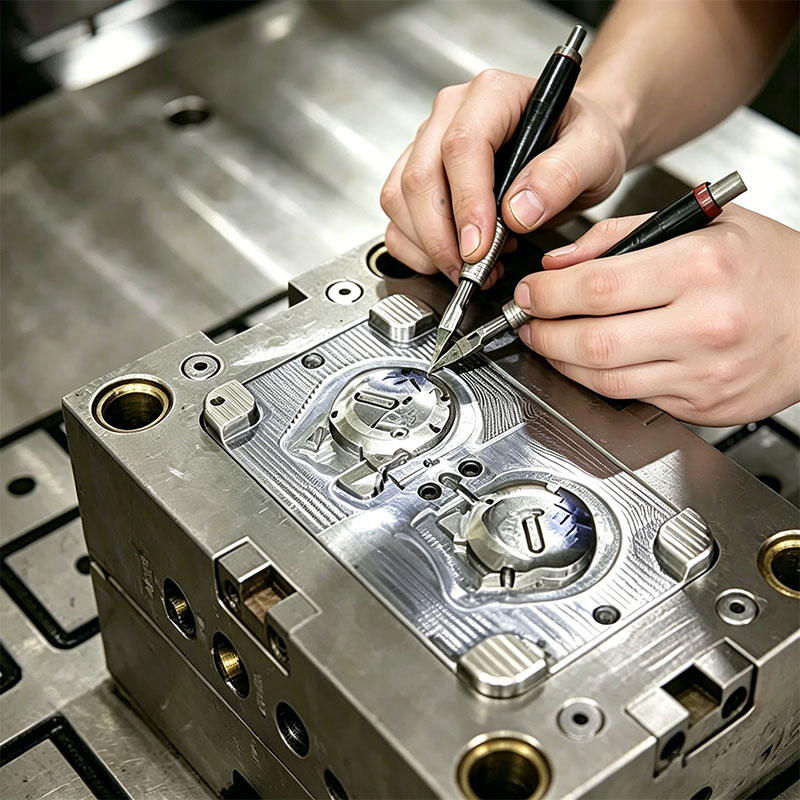
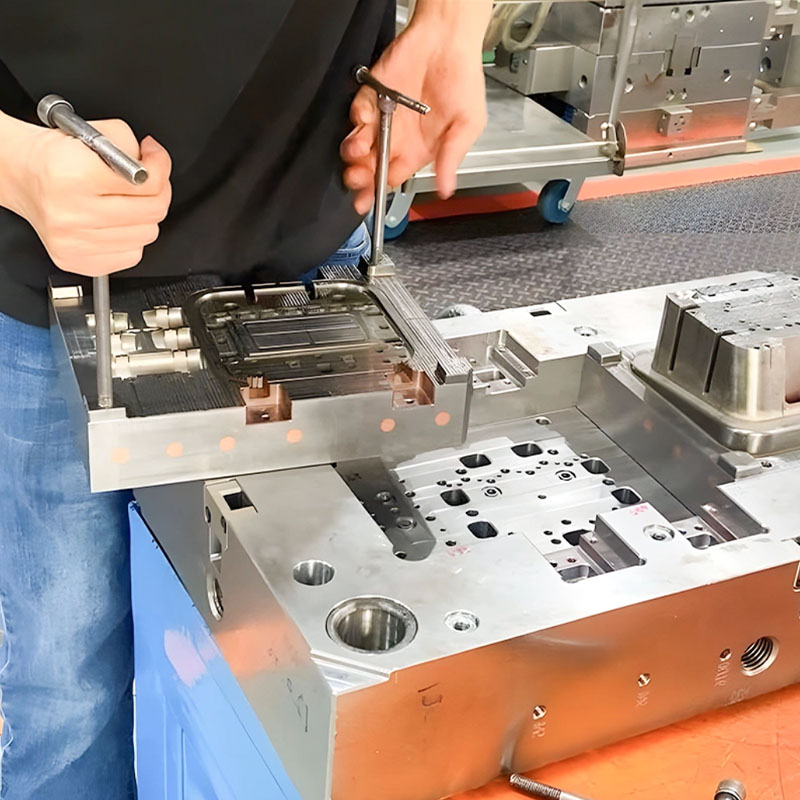
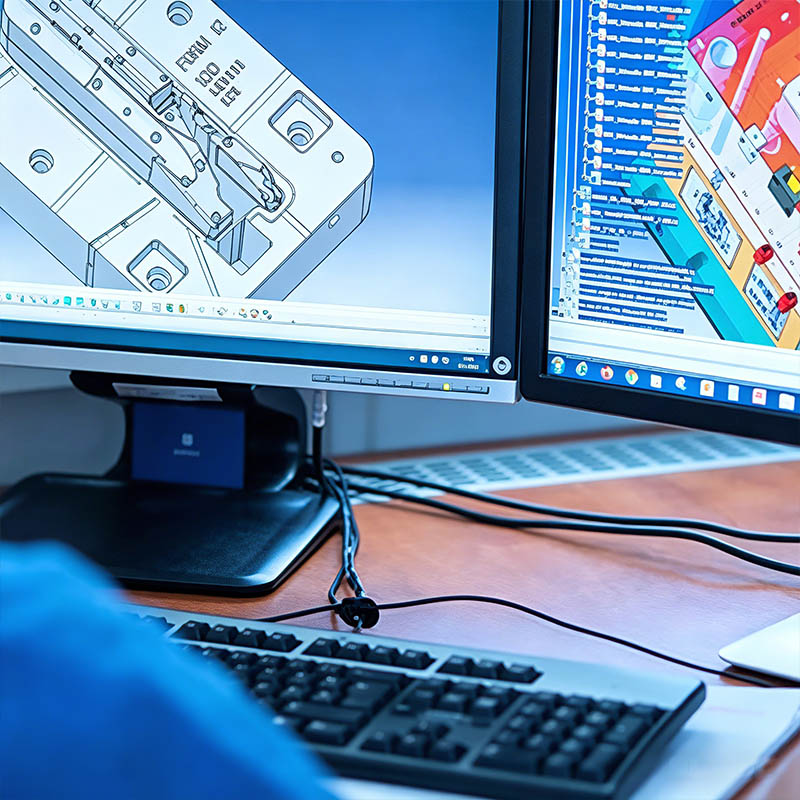
Um molde de produção deve ser projetado especificamente para a peça, o material e a carga de trabalho esperada, e não escolhido a partir de uma especificação genérica. A Shenyue integra a revisão da peça, o projeto do molde, a usinagem, a montagem, os testes e as correções em um único fluxo de trabalho de ferramental.
Uma boa engenharia de moldes transforma a intenção do produto em uma ferramenta capaz de ser preenchida, resfriada, ejetada e mantida. Analisamos os requisitos da peça e da produção desde o início e, em seguida, desenvolvemos o conceito do molde considerando os riscos conhecidos, em vez de esperar que os testes os revelem.
As peças de borracha personalizadas precisam fazer mais do que simplesmente reproduzir um formato. Elas podem precisar vedar, flexionar, isolar vibrações, proteger bordas ou manter o contato mesmo com uso repetido. Primeiramente, analisamos as condições de operação e, em seguida, relacionamos o material, a geometria e o método de moldagem à função que a peça deve desempenhar.
A sobremoldagem de borracha combina um elastômero mais macio com uma peça ou inserto rígido para criar aderência, vedação, amortecimento ou proteção em um único componente. Resultados confiáveis dependem da interface: compatibilidade de materiais, retenção mecânica, condição da superfície e desligamentos da ferramenta devem ser planejados.
A moldagem por compressão forma uma carga de borracha medida em um molde aquecido, onde a pressão molda o material e o calor o cura. O processo é bem estabelecido para muitas peças de elastômero personalizadas e pode ser uma escolha prática para geometrias robustas e volumes de produção adequados.
Não temos produtos próprios – tudo o que oferecemos é feito sob medida de acordo com a demanda do cliente. Somos especializados em apoiar o desenvolvimento de produtos novos e exclusivos, fornecendo soluções de engenharia.
Nossa produção é flexível, rápida e eficiente. Independentemente do tamanho do pedido, podemos fornecer serviços para apoiar nossos clientes em todo o processo — desde os testes de produto até a produção em massa e o envio.
Oferecemos uma ampla gama de serviços de envio e gestão de estoque, adaptados às suas necessidades. Desde o envio direto para empresas comerciais até remessas urgentes em grande volume para fábricas, garantimos entregas rápidas e confiáveis, sem a necessidade de grandes compromissos com estoque.
Oferecemos uma variedade de serviços adicionais, incluindo pintura, galvanoplastia, impressão e muito mais. Essas soluções são projetadas para atender às diferentes necessidades dos clientes, tornando-as especialmente adequadas para proprietários de marcas que buscam qualidade consistente do produto e personalização.
Desde o design do produto e desenvolvimento de moldes até a produção em massa e fornecimento de componentes, oferecemos uma solução completa e integrada. Isso permite que os clientes simplifiquem sua cadeia de suprimentos e recebam produtos acabados prontos para o mercado.
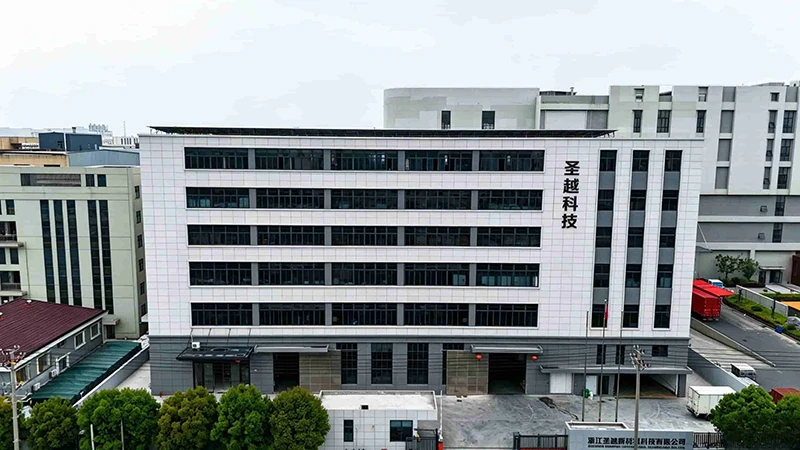
A Shenyue Technology é uma fabricante profissional especializada em produtos personalizados de moldagem por injeção de plástico e moldagem por compressão de borracha. Com mais de 20 anos de experiência no setor, oferecemos soluções OEM confiáveis, desde o projeto do produto até a produção em massa para clientes em todo o mundo. Nossas instalações contam com máquinas de moldagem por injeção e compressão de última geração, além de uma equipe de engenharia dedicada para garantir uma produção eficiente e estável. Nossas capacidades internas de projeto de moldes e ferramentas nos permitem oferecer soluções flexíveis e com ótimo custo-benefício para uma ampla gama de setores. Nosso foco é a consistência na qualidade e a cooperação a longo prazo, ajudando os clientes a transformar suas ideias em produtos de alta qualidade.

Review how parting arrangements, gates, runners, cooling and ejection relate to dimensional problems and fit in injection molded parts.
Leia mais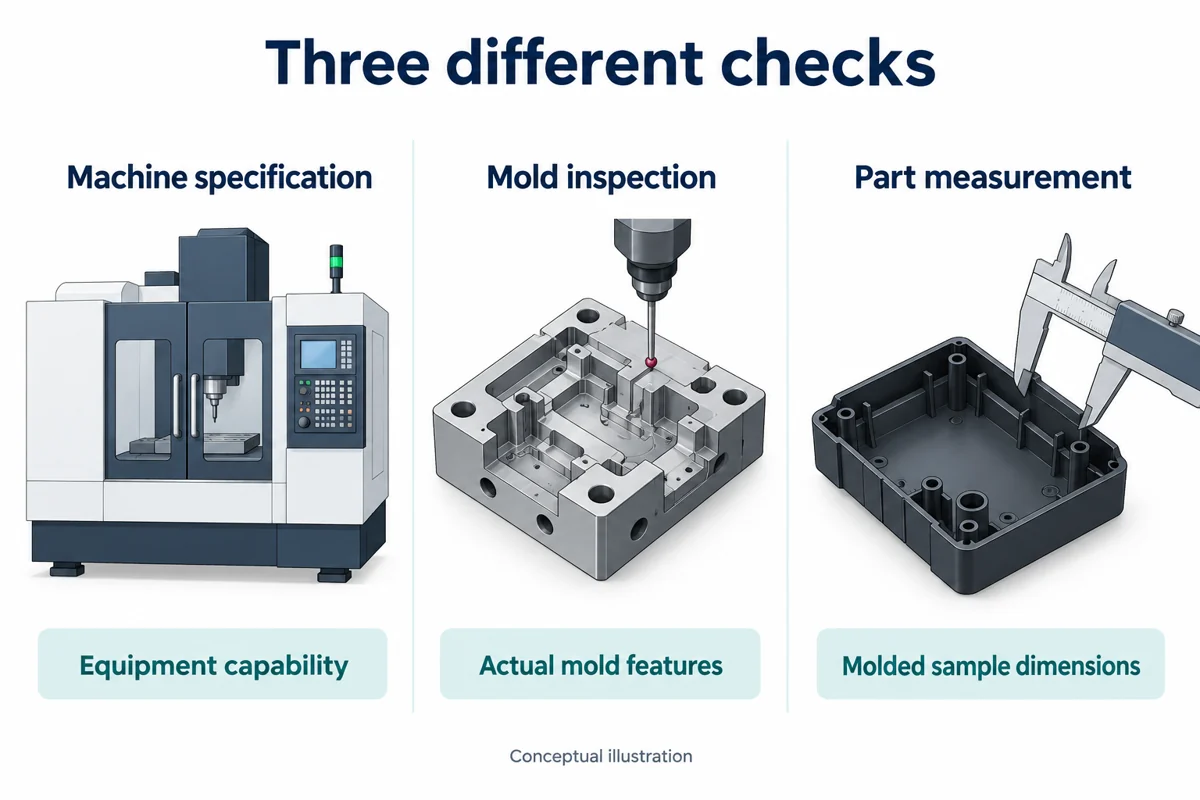
See how mold machining, component inspection and trial results work together when reviewing critical dimensions on injection molded parts.
Leia mais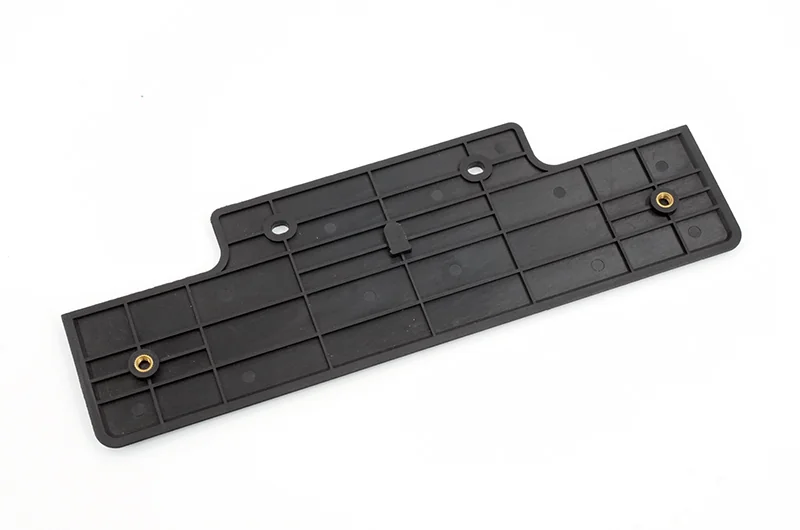
See how holding pressure and hold time affect molded part dimensions, why higher pressure is not always better, and what to check when a part fails to fit.
Leia mais