Onde o SLA é útil
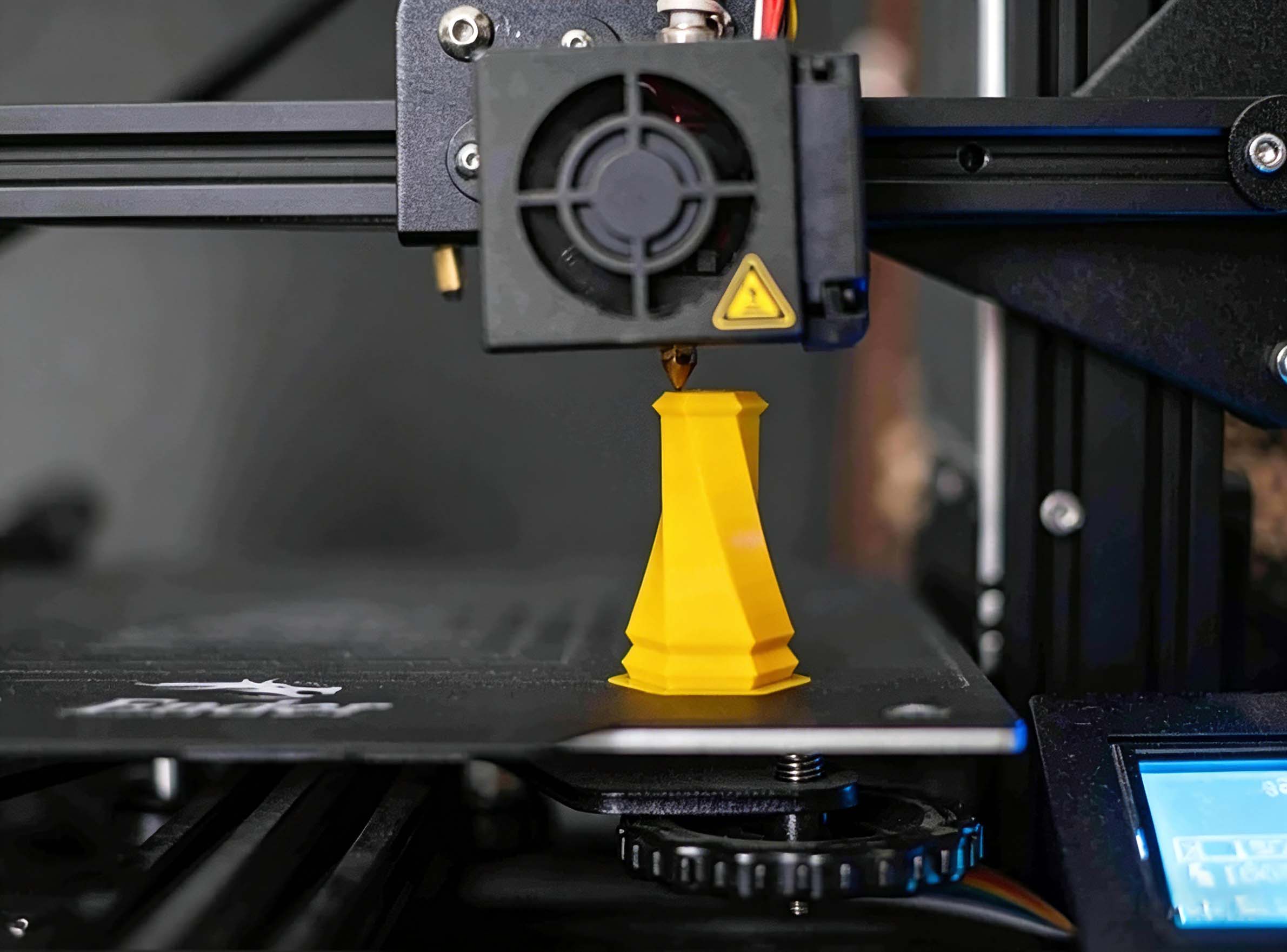
A SLA (laminação a laser sintética) pode transformar um modelo digital em uma peça física detalhada sem a necessidade de ferramentas de produção. Os projetistas a utilizam para verificar escala, ergonomia, acesso à montagem e intenção visual. Ela também pode ser usada para criar modelos mestres ou peças de baixa quantidade. O uso correto dessa técnica requer aprendizado e não substitui automaticamente a produção de peças moldadas.
Compreender os limites do fotopolímero
As resinas SLA são fotopolímeros curados e não se comportam exatamente como os termoplásticos moldados por injeção. Resistência, resposta ao impacto, resistência ao calor, envelhecimento a longo prazo e comportamento sob raios UV variam de acordo com a resina. Um protótipo que se encaixe corretamente ainda pode exigir validação separada no material de produção pretendido.
Design e acabamento
A orientação, o posicionamento do suporte e a estratégia de camadas afetam as marcas, a precisão e a aparência da superfície. As peças são limpas e curadas após a impressão; lixamento, pintura ou polimento podem ser considerados dependendo do objetivo. Peças transparentes geralmente requerem acabamento adicional e não devem ser consideradas opticamente perfeitas.
Escolhendo o objetivo do protótipo
Um modelo visual prioriza a superfície e os detalhes. Um modelo de verificação de encaixe prioriza as interfaces e as dimensões. Um teste funcional pode exigir uma resina de engenharia e uma carga ou temperatura definidas. Definir o objetivo ajuda a evitar o pagamento por qualidades que o protótipo não precisa.
O que definir antes de citar
Um orçamento útil começa com um modelo 3D limpo, quantidade, escala, comportamento da resina desejada, acabamento, cor, superfícies críticas e prioridades dimensionais. Esses detalhes permitem que a equipe de engenharia distinga requisitos fixos de preferências e identifique decisões pendentes antes que elas afetem o custo ou o cronograma. O objetivo imediato é um protótipo de resina detalhado que responda a uma questão visual, de encaixe ou funcional limitada claramente definida. Quando um requisito ainda não for conhecido, ele deve ser marcado como aberto, em vez de ser ocultado por uma tolerância genérica, nome de material ou declaração de qualidade. Isso proporciona a ambas as partes uma base mais clara para comparar opções, planejar amostras e decidir quais evidências serão necessárias antes da produção.
Análise de riscos e planejamento de qualidade
O planejamento do projeto deve abordar o tratamento do fotopolímero como plástico de produção, marcas de suporte, elementos frágeis, distorção pós-cura e expectativas irreais de clareza. Nem todo risco exige o mesmo esforço de inspeção, portanto, o plano de qualidade deve se concentrar em características que afetam o encaixe, a função, a aparência ou a montagem subsequente. Dependendo do projeto, o controle pode incluir revisão de arquivos, orientação, resina, pós-cura, acabamento e inspeção vinculados ao objetivo do protótipo. Os métodos de medição, a frequência de amostragem, as amostras de referência e as expectativas de relatório devem ser acordados antes da produção em série. Essa abordagem baseada em riscos dá visibilidade aos requisitos críticos no processo, sem implicar que todas as características possam ser controladas exatamente da mesma maneira.
O valor de uma rota de fabricação integrada
A Shenyue consegue integrar a revisão do projeto, a orientação sobre materiais para impressão 3D, o acabamento do protótipo, as verificações de montagem e, posteriormente, a engenharia do molde, tudo em um único fluxo de projeto. Essa integração é fundamental porque uma decisão tomada em uma etapa geralmente impacta a seguinte: o material afeta o processamento e o acabamento, as ferramentas influenciam a desmoldagem e a aparência, e a montagem ou embalagem podem expor problemas que não são visíveis em um componente individual. Manter as dúvidas técnicas, o feedback sobre as amostras e as revisões em um mesmo local reduz as transferências desnecessárias. Além disso, proporciona aos compradores um caminho mais prático desde os arquivos iniciais até uma base de produção aprovada e, quando aplicável, suporte para pedidos subsequentes.
Aplicações típicas / Adequação ao projeto
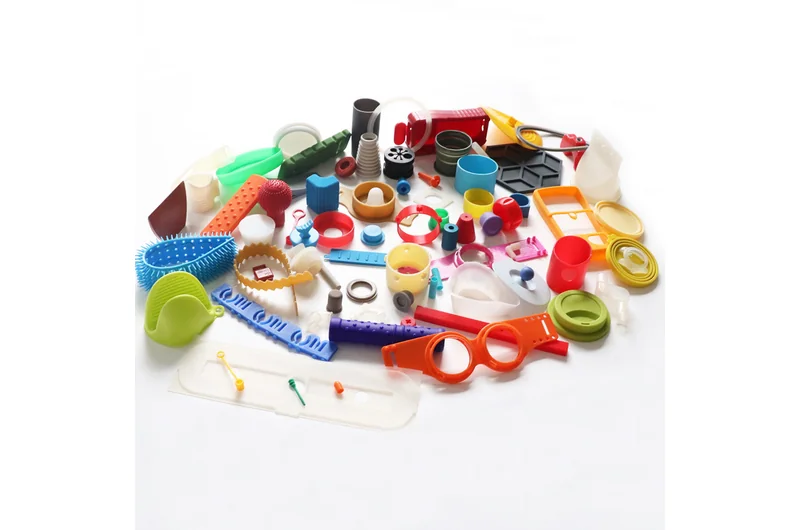
Indicado para carcaças, modelos de aparência, componentes pequenos e detalhados, verificações de montagem e revisões de pré-fabricação de ferramentas. Peças muito grandes, que exigem cargas prolongadas ou grandes quantidades de produção, podem ser mais adequadas a outro método.
Perguntas frequentes
O material SLA é o mesmo que o plástico moldado?
Não. A SLA utiliza resina fotopolimérica, portanto seu desempenho não deve ser considerado idêntico ao de ABS, PC, nylon ou outro termoplástico moldado.
As peças SLA podem ser transparentes?
A resina transparente está disponível na visão geral dos materiais, mas a transparência depende da geometria e do acabamento.
Que arquivos devo fornecer?
Um modelo 3D limpo, juntamente com a quantidade, dimensões, objetivo da resina, cor ou acabamento e áreas críticas.
Informe se a peça é para fins estéticos, de encaixe ou de aprendizagem funcional. Envie o arquivo 3D e marque as superfícies ou dimensões mais importantes.