Nullam dignissim, ante scelerisque the is euismod fermentum odio sem semper the is erat, a feugiat leo urna eget eros. Duis Aenean a imperdiet risus.

service 11
service 11

Stereolithography

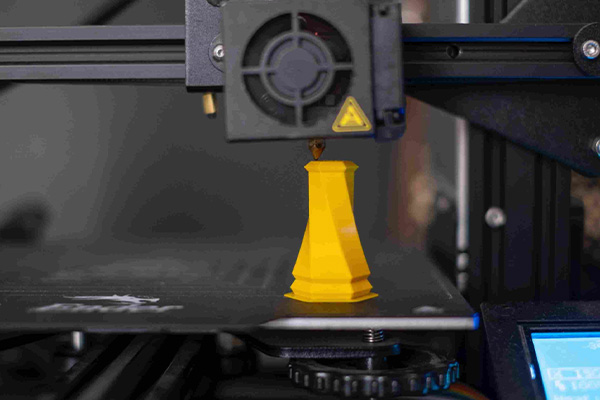
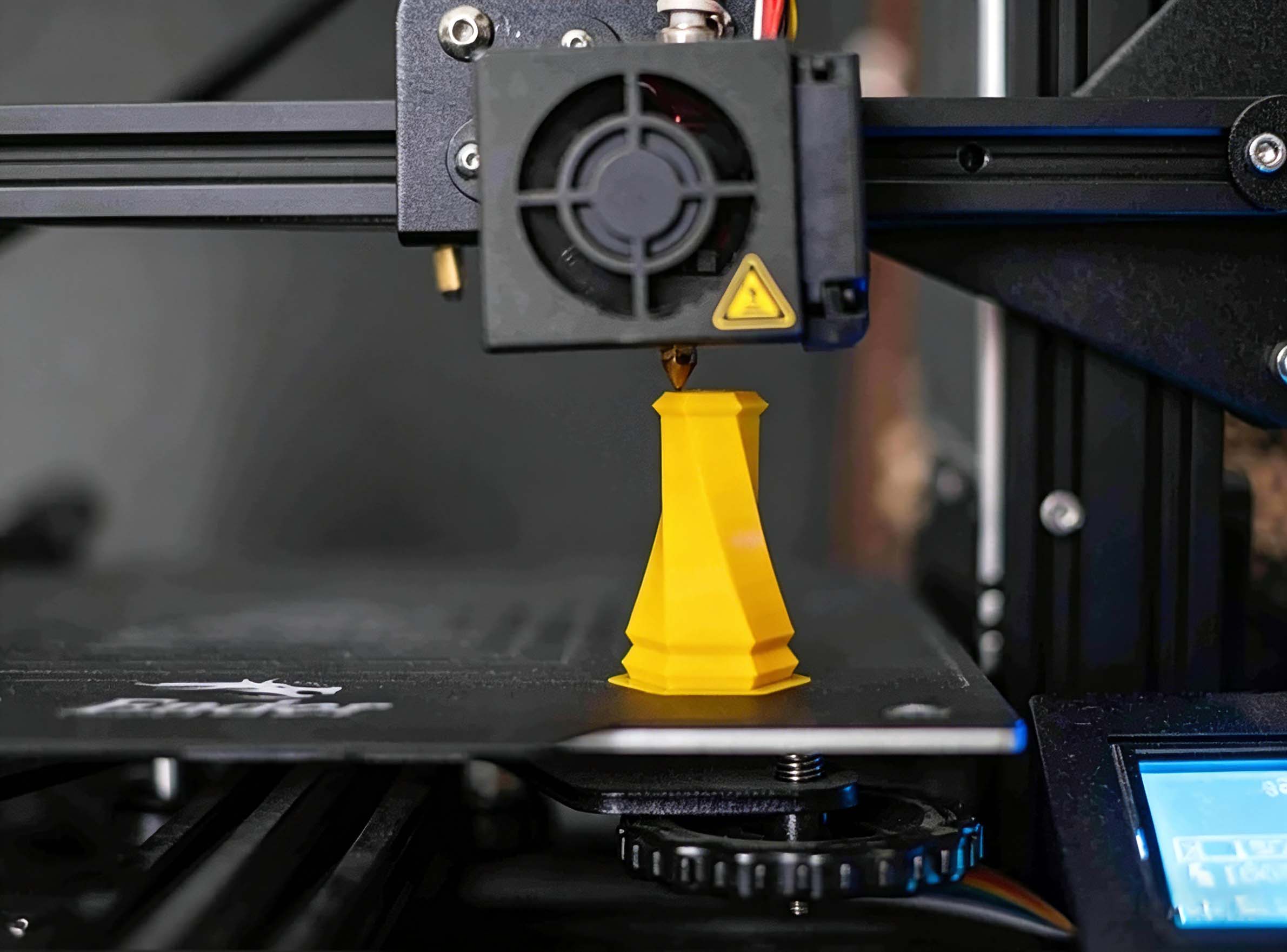
Stereolithography builds a resin part layer by layer using light to cure liquid photopolymer. It is valued for fine detail and a smooth appearance, making it useful for design communication, fit checks and prototype evaluation before committing to tooling.
  • Fine features and smooth surfaces for presentation models.
  • Fast physical feedback from a 3D design.
  • Standard, engineering and transparent resin categories available by review.
  • Supports form, fit and limited functional evaluation.
  • Finishing and appearance expectations defined before printing.

Where SLA is useful

SLA can turn a digital model into a detailed physical part without production tooling. Designers use it to check scale, ergonomics, assembly access and visual intent. It can also support master patterns or low-quantity models. The right use is a learning step, not an automatic substitute for molded production material.

Understand photopolymer limits

SLA resins are cured photopolymers and do not behave exactly like injection-molded thermoplastics. Strength, impact response, heat resistance, long-term aging and UV behavior vary by resin. A prototype that fits correctly may still require separate validation in the intended production material.

Design and finishing

Orientation, support placement and layer strategy affect marks, accuracy and surface appearance. Parts are cleaned and post-cured after printing; sanding, painting or polishing may be considered depending on the objective. Clear parts generally require additional finishing and should not be assumed optically perfect.

Choosing the prototype objective

A visual model prioritizes surface and detail. A fit-check model prioritizes interfaces and dimensions. A functional test may require an engineering resin and a defined load or temperature. Stating the objective helps avoid paying for qualities the prototype does not need.

What to define before quotation

A useful quotation begins with a clean 3D model, quantity, scale, target resin behavior, finish, color, critical surfaces and dimensional priorities. These details let the engineering team distinguish fixed requirements from preferences and identify missing decisions before they affect cost or schedule. The immediate goal is a detailed resin prototype that answers a clearly defined visual, fit or limited functional question. When a requirement is not yet known, it should be marked as open rather than hidden behind a generic tolerance, material name or quality statement. This gives both sides a clearer basis for comparing options, planning samples and deciding which evidence will be needed before production.

Risk review and quality planning

Project planning should address treating photopolymer as production plastic, support marks, fragile features, post-cure distortion and unrealistic clarity expectations. Not every risk deserves the same inspection effort, so the quality plan should concentrate on features that affect fit, function, appearance or downstream assembly. Depending on the project, control can include file revision, orientation, resin, post-curing, finishing and inspection tied to the prototype objective. Measurement methods, sampling frequency, reference samples and reporting expectations should be agreed before routine production. This risk-based approach gives critical requirements a visible place in the process without implying that every characteristic can be controlled in exactly the same way.

The value of an integrated manufacturing route

Shenyue can connect design review, 3D printing material guidance, prototype finishing, assembly checks and later mold engineering within one project route. That connection matters because a decision made in one stage often changes the next: material affects processing and finishing, tooling affects release and appearance, and assembly or packaging can expose issues that are not visible on an individual component. Keeping technical questions, sample feedback and revisions together reduces avoidable handoffs. It also gives buyers a more practical path from initial files to an approved production baseline and, when applicable, repeat-order support.

Typical Applications / Project Fit

Suitable for housings, appearance models, small detailed components, assembly checks and pre-tooling reviews. Very large parts, demanding long-term loads or production quantities may suit another method.

Frequently Asked Questions

Is SLA material the same as molded plastic?

No. SLA uses photopolymer resin, so performance should not be treated as identical to ABS, PC, nylon or another molded thermoplastic.

Can SLA parts be transparent?

Transparent resin is available in the material overview, but clarity depends on geometry and finishing.

What files should I provide?

A clean 3D model plus quantity, dimensions, resin objective, color or finish and critical areas.

Tell us whether the part is for appearance, fit or functional learning. Send the 3D file and mark the surfaces or dimensions that matter most.

Services

4

Custom Rubber Parts

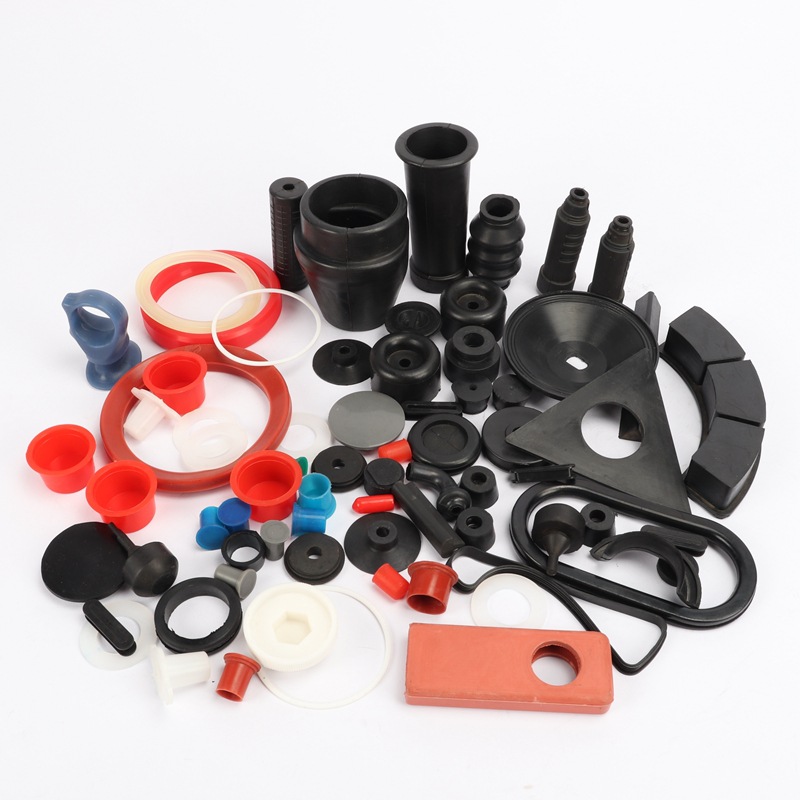
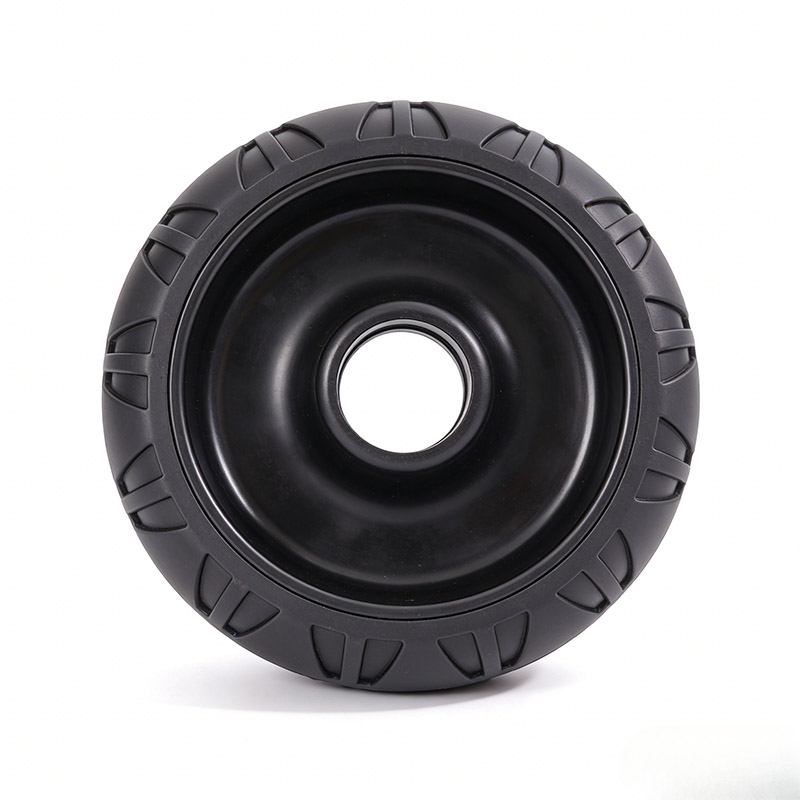
Custom rubber parts must do more than match a shape. They may need to seal, flex, isolate vibration, protect an edge or maintain contact through repeated use. We review the operating conditions first, then connect material, geometry and molding method to the job the part must perform.
Learn More
1

Rubber Overmolding

Rubber overmolding combines a softer elastomer with a rigid part or insert to create grip, sealing, cushioning or protection in one component. Reliable results depend on the interface: material compatibility, mechanical retention, surface condition and tool shutoffs must all be planned.
Learn More
About

Rubber Compression Molding

Compression molding forms a measured rubber charge in a heated tool, where pressure shapes the material and heat cures it. The process is well established for many custom elastomer parts and can be a practical choice for robust geometries and suitable production volumes.
Learn More
service 18

Mold Maintenance and Repair

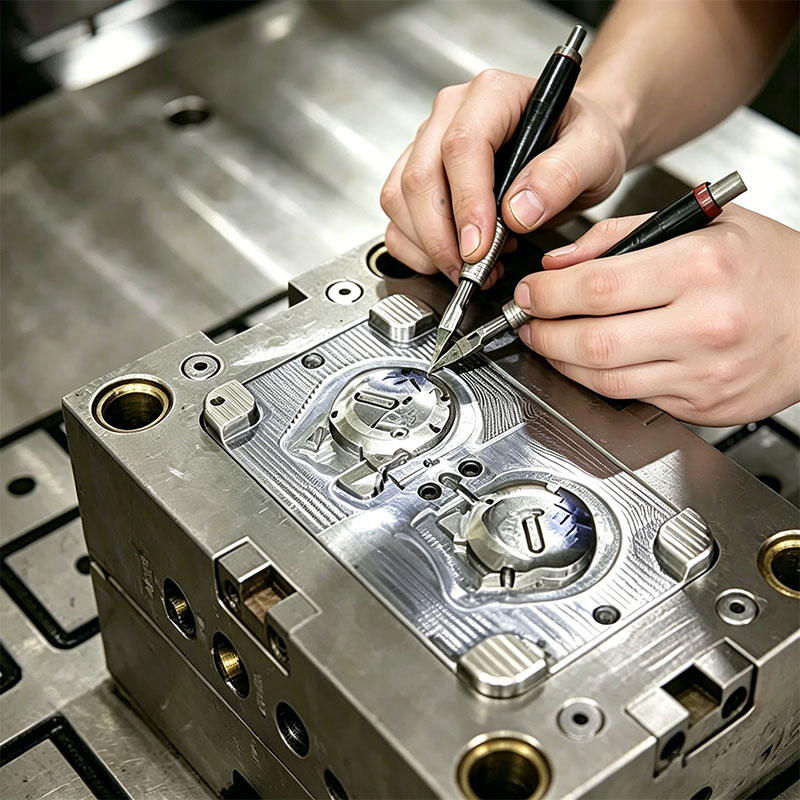
A mold is a production asset, and small changes in vents, slides, cooling or shutoffs can become part defects and downtime. Maintenance keeps known conditions stable; repair addresses damage or wear and returns the tool to a verified production state.
Learn More

11/ September

Injection Mold Trial: What Buyers Should Check Before Production Approval

Learn what to check during an injection mold trial, how to review first samples, and when to correct, resample, or approve a part for production.
Learn More
Open injection mold during a production trial

4/ September

3D Printing vs Injection Molding: Which Process Fits Your Production Stage?

Compare 3D printing and injection molding by design stage, tooling, cost, material testing, repeat orders, and the route from prototype to production.
Learn More
Injection-molded and 3D-printed versions of the same part

28/ August

Insert Molding vs Overmolding: Which Process Is Right for Your Part?

Compare insert molding and overmolding by function, materials, tooling, cost, and RFQ needs before choosing a process for a custom part.
Learn More
Insert molding and overmolding process comparison

30/ June

Our New Manufacturing Facility Is Now Operational – A Major Step Forward in Capacity and Efficiency

We are proud to announce that our new manufacturing facility is now officially in operation. This upgrade represents a total investment of over RMB 60 million and marks an important milestone in our continuous growth and commitment to high-quality production. The new factory has been equipped with 23 brand-new injection molding machines from Haitian International, with a maximum clamping force of 850 tons, enabling us to produce plastic parts weighing up to 3000 grams. This significantly enhances our capability to handle larger and more complex products for a wide range of industries. To further improve production stability and efficiency, we have implemented a centralized material feeding system across the entire workshop. This system ensures consistent material supply, reduces manual handling, and minimizes the risk of contamination or human error. In addition, all machines are now equipped with automated robotic arms, allowing for fully automated production processes. This not only improves production efficiency but also ensures better consistency and precision in every batch. With these upgrades, we are able to: (1)Increase production capacity and shorten lead times (2)Maintain stable product quality across high-volume orders (3)Support more complex and larger-scale custom projects (4)Provide more reliable OEM and ODM manufacturing solutions This new facility reflects our long-term commitment to investing in advanced equipment and smart manufacturing. We believe these improvements will enable us to better serve our global customers with higher efficiency, greater flexibility, and consistent quality.
Learn More
blog1
Contact Us

Enjoy Thoughtful & Exclusive Service

Whether you have inquiries, cooperation intentions or feedback suggestions, we are always online for you. Our professional team provides one-on-one considerate response with quick replies and dedicated follow-up. With thoughtful service attitude and efficient reliability, we guard your needs all the way. We look forward to sincere communication and win-win cooperation with you!

    Name *

    Email *

    Tel Number

    WhatsApp

    Which country/region do you reside in? *

    Website / File Sharing Link

    Or Upload Product Drawings (Max: 10MB)

    Comment or Product Message *

    Products
    Contacts
    WhatsApp
    Email