Dónde resulta útil el SLA
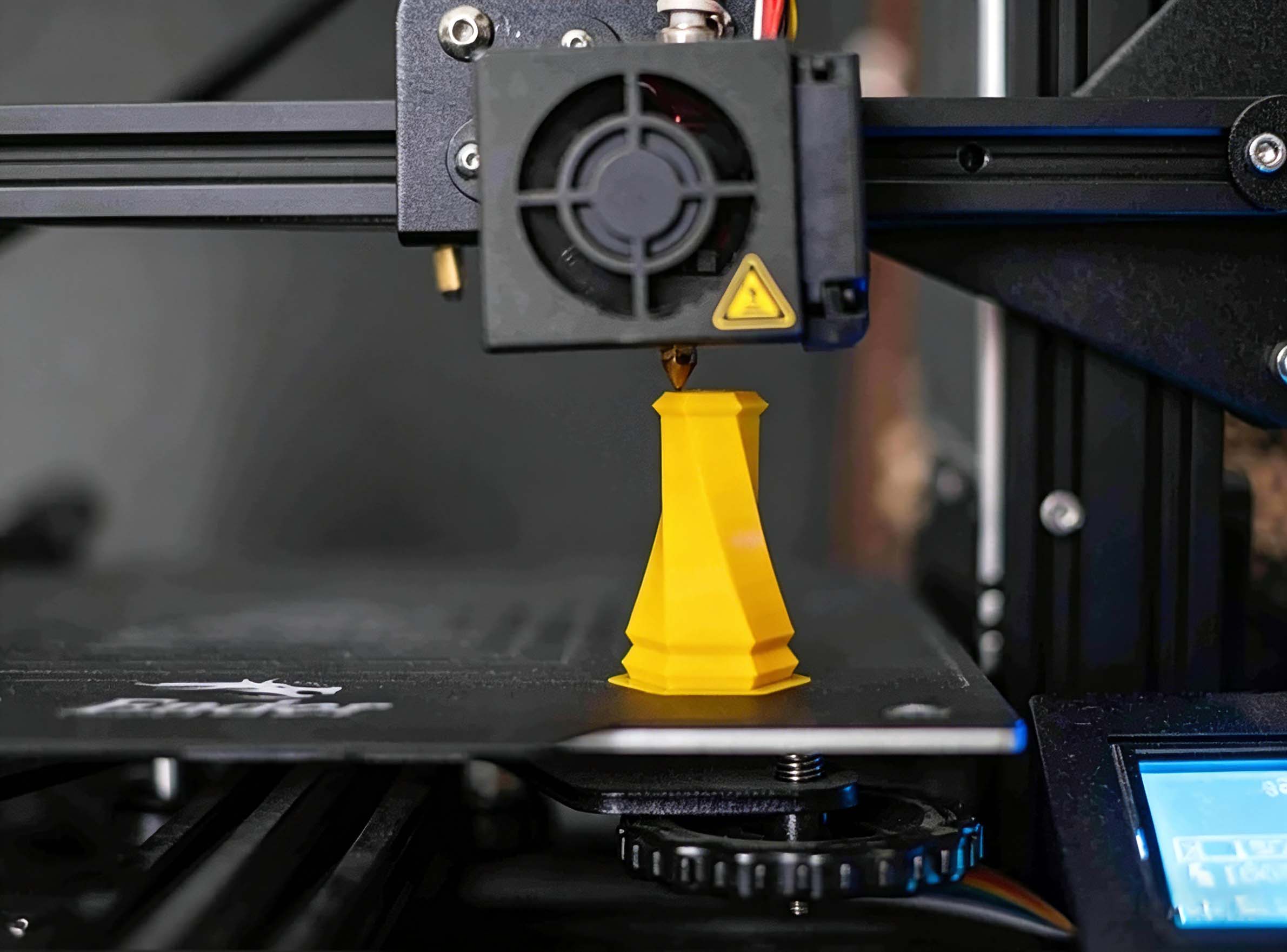
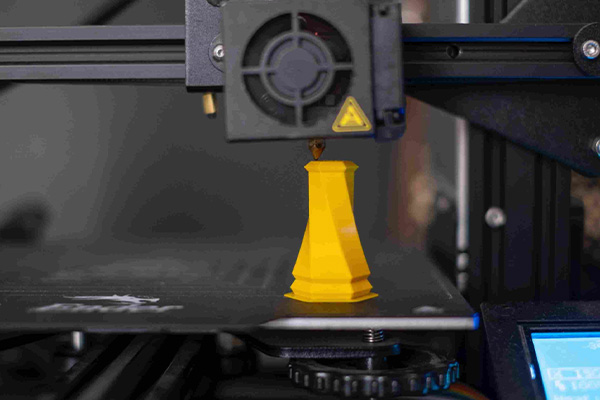
La estereolitografía (SLA) permite convertir un modelo digital en una pieza física detallada sin necesidad de utillaje de producción. Los diseñadores la utilizan para comprobar la escala, la ergonomía, el acceso para el montaje y la intención visual. También admite patrones maestros o modelos de baja producción. Su uso correcto requiere aprendizaje, no es un sustituto automático del material moldeado para la producción.
Comprender los límites de los fotopolímeros
Las resinas SLA son fotopolímeros curados y no se comportan exactamente igual que los termoplásticos moldeados por inyección. La resistencia, la respuesta al impacto, la resistencia al calor, el envejecimiento a largo plazo y el comportamiento ante los rayos UV varían según la resina. Un prototipo que se ajusta correctamente puede requerir una validación independiente con el material de producción previsto.
Diseño y acabado
La orientación, la colocación de los soportes y la estrategia de capas influyen en las marcas, la precisión y el aspecto de la superficie. Las piezas se limpian y se someten a un postcurado tras la impresión; según el objetivo, se puede considerar el lijado, la pintura o el pulido. Las piezas transparentes generalmente requieren un acabado adicional y no deben considerarse ópticamente perfectas.
Elegir el objetivo del prototipo
Un modelo visual prioriza la superficie y los detalles. Un modelo de verificación de ajuste prioriza las interfaces y las dimensiones. Una prueba funcional puede requerir una resina de ingeniería y una carga o temperatura definidas. Especificar el objetivo ayuda a evitar pagar por características que el prototipo no necesita.
Qué definir antes de la cita
Una cotización útil comienza con un modelo 3D limpio, cantidad, escala, comportamiento de la resina objetivo, acabado, color, superficies críticas y prioridades dimensionales. Estos detalles permiten al equipo de ingeniería distinguir los requisitos fijos de las preferencias e identificar decisiones pendientes antes de que afecten el costo o el cronograma. El objetivo inmediato es un prototipo de resina detallado que responda a una pregunta visual, de ajuste o funcional limitada claramente definida. Cuando un requisito aún no se conoce, debe marcarse como abierto en lugar de ocultarse tras una tolerancia genérica, el nombre del material o una declaración de calidad. Esto proporciona a ambas partes una base más clara para comparar opciones, planificar muestras y decidir qué evidencia será necesaria antes de la producción.
Revisión de riesgos y planificación de la calidad
La planificación del proyecto debe abordar el tratamiento del fotopolímero como plástico de producción, las marcas de soporte, las características frágiles, la distorsión posterior al curado y las expectativas de claridad poco realistas. No todos los riesgos merecen el mismo esfuerzo de inspección, por lo que el plan de calidad debe centrarse en las características que afectan al ajuste, la función, la apariencia o el ensamblaje posterior. Según el proyecto, el control puede incluir la revisión del archivo, la orientación, la resina, el poscurado, el acabado y la inspección vinculada al objetivo del prototipo. Los métodos de medición, la frecuencia de muestreo, las muestras de referencia y las expectativas de informes deben acordarse antes de la producción rutinaria. Este enfoque basado en el riesgo otorga a los requisitos críticos un lugar visible en el proceso sin implicar que cada característica pueda controlarse exactamente de la misma manera.
El valor de una ruta de fabricación integrada
Shenyue integra la revisión del diseño, la orientación sobre materiales para impresión 3D, el acabado de prototipos, las comprobaciones de ensamblaje y la posterior ingeniería de moldes en un mismo proyecto. Esta integración es crucial, ya que una decisión tomada en una etapa suele influir en la siguiente: el material afecta al procesamiento y al acabado, las herramientas a la liberación y la apariencia, y el ensamblaje o el embalaje pueden revelar problemas que no son visibles en un componente individual. Mantener juntas las consultas técnicas, los comentarios sobre las muestras y las revisiones reduce las transferencias innecesarias. Además, ofrece a los compradores una ruta más práctica desde los archivos iniciales hasta una base de producción aprobada y, cuando corresponda, asistencia para pedidos repetidos.
Aplicaciones típicas / Adecuación al proyecto
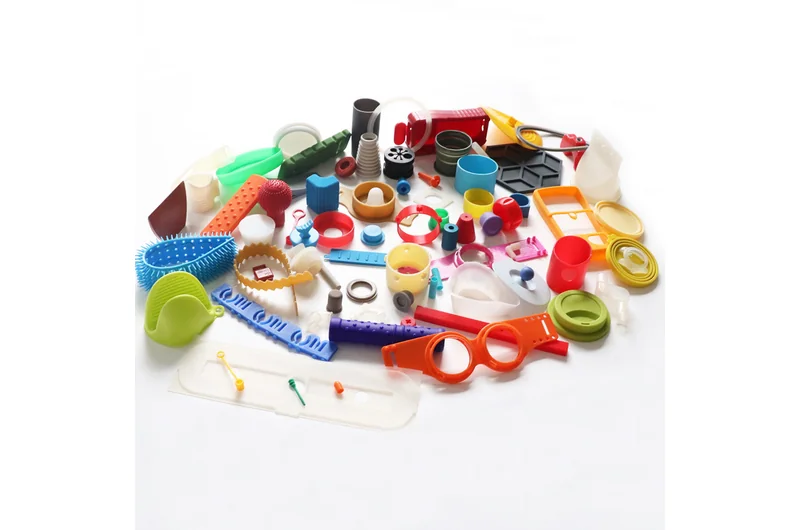
Adecuado para carcasas, modelos de apariencia, componentes pequeños y detallados, comprobaciones de montaje y revisiones previas al utillaje. Para piezas muy grandes, cargas exigentes a largo plazo o volúmenes de producción elevados, puede ser necesario otro método.
Preguntas frecuentes
¿El material SLA es lo mismo que el plástico moldeado?
No. La tecnología SLA utiliza resina fotopolimérica, por lo que su rendimiento no debe considerarse idéntico al del ABS, PC, nailon u otro termoplástico moldeado.
¿Pueden ser transparentes las piezas SLA?
La resina transparente está disponible en la descripción general de materiales, pero la claridad depende de la geometría y el acabado.
¿Qué archivos debo proporcionar?
Un modelo 3D limpio, además de cantidad, dimensiones, tipo de resina, color o acabado y áreas críticas.
Indíquenos si la pieza es para fines estéticos, de ajuste o de aprendizaje funcional. Envíe el archivo 3D y marque las superficies o dimensiones más importantes.