Trong những trường hợp nào SLA hữu ích
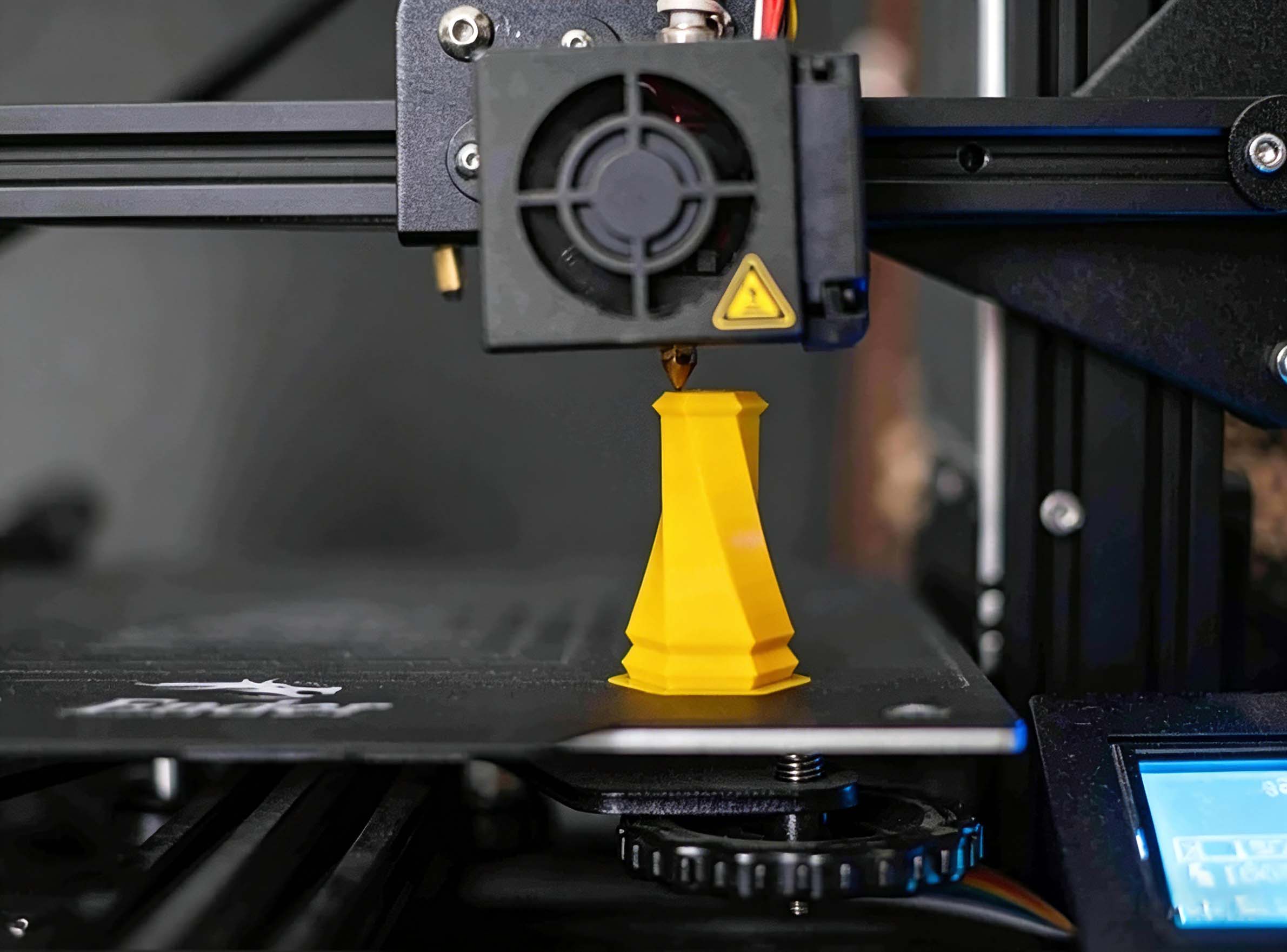
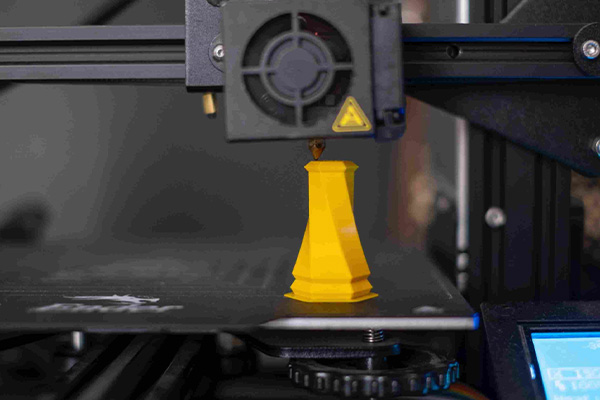
Công nghệ SLA có thể biến mô hình kỹ thuật số thành chi tiết vật lý cụ thể mà không cần đến dụng cụ sản xuất truyền thống. Các nhà thiết kế sử dụng nó để kiểm tra tỷ lệ, tính công thái học, khả năng lắp ráp và ý đồ trực quan. Nó cũng có thể hỗ trợ các mẫu chính hoặc mô hình số lượng nhỏ. Sử dụng đúng cách là một bước học tập, chứ không phải là sự thay thế tự động cho vật liệu sản xuất đúc khuôn.
Hiểu rõ các giới hạn của polyme quang hóa
Nhựa SLA là các polyme quang hóa đã được xử lý và không có đặc tính hoàn toàn giống như nhựa nhiệt dẻo được đúc phun. Độ bền, khả năng chịu va đập, khả năng chịu nhiệt, khả năng lão hóa lâu dài và khả năng chịu tia cực tím đều khác nhau tùy thuộc vào loại nhựa. Một nguyên mẫu có thể lắp ráp chính xác vẫn cần được kiểm định riêng bằng vật liệu sản xuất dự định.
Thiết kế và hoàn thiện
Hướng in, vị trí đặt giá đỡ và chiến lược lớp in ảnh hưởng đến các vết in, độ chính xác và hình thức bề mặt. Các chi tiết được làm sạch và xử lý sau khi in; việc chà nhám, sơn hoặc đánh bóng có thể được xem xét tùy thuộc vào mục tiêu. Các chi tiết trong suốt thường cần thêm công đoạn hoàn thiện và không nên cho rằng chúng hoàn hảo về mặt quang học.
Lựa chọn mục tiêu nguyên mẫu
Mô hình trực quan ưu tiên bề mặt và chi tiết. Mô hình kiểm tra độ khớp ưu tiên các giao diện và kích thước. Thử nghiệm chức năng có thể yêu cầu nhựa kỹ thuật và tải trọng hoặc nhiệt độ xác định. Việc nêu rõ mục tiêu giúp tránh phải trả tiền cho những đặc tính mà nguyên mẫu không cần.
Cần định nghĩa gì trước khi trích dẫn
Một báo giá hữu ích bắt đầu với mô hình 3D rõ nét, số lượng, tỷ lệ, đặc tính nhựa mục tiêu, lớp hoàn thiện, màu sắc, các bề mặt quan trọng và các ưu tiên về kích thước. Những chi tiết này cho phép nhóm kỹ thuật phân biệt các yêu cầu cố định với các tùy chọn và xác định các quyết định còn thiếu trước khi chúng ảnh hưởng đến chi phí hoặc tiến độ. Mục tiêu trước mắt là một nguyên mẫu nhựa chi tiết đáp ứng được câu hỏi rõ ràng về hình ảnh, độ khớp hoặc chức năng hạn chế. Khi một yêu cầu chưa được biết, nó nên được đánh dấu là chưa xác định thay vì bị che giấu sau một dung sai chung chung, tên vật liệu hoặc tuyên bố chất lượng. Điều này cung cấp cho cả hai bên cơ sở rõ ràng hơn để so sánh các lựa chọn, lập kế hoạch mẫu và quyết định bằng chứng nào sẽ cần thiết trước khi sản xuất.
Đánh giá rủi ro và lập kế hoạch chất lượng
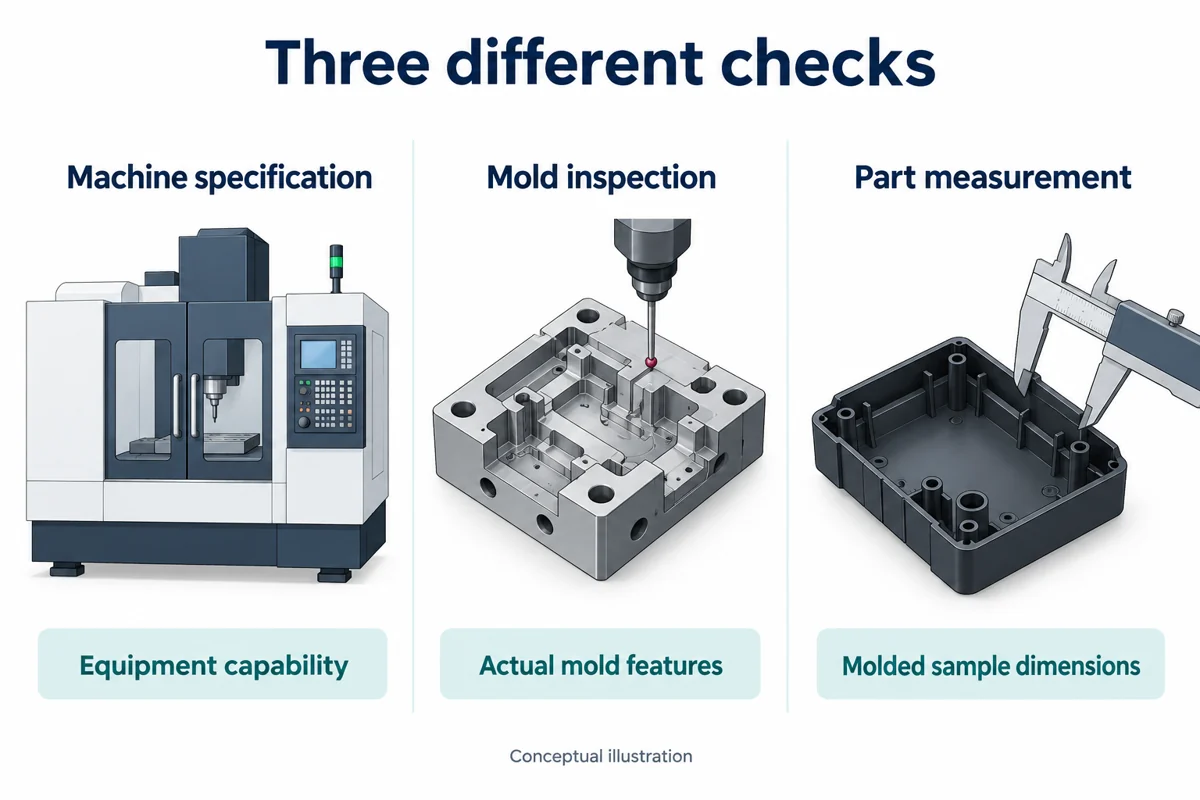
Việc lập kế hoạch dự án cần đề cập đến việc xử lý chất quang polymer như nhựa sản xuất, các dấu vết hỗ trợ, các đặc điểm dễ vỡ, biến dạng sau khi đóng rắn và kỳ vọng về độ trong suốt không thực tế. Không phải mọi rủi ro đều cần cùng một nỗ lực kiểm tra, vì vậy kế hoạch chất lượng nên tập trung vào các đặc điểm ảnh hưởng đến sự phù hợp, chức năng, hình thức hoặc lắp ráp tiếp theo. Tùy thuộc vào dự án, việc kiểm soát có thể bao gồm việc sửa đổi tệp, hướng, nhựa, xử lý sau đóng rắn, hoàn thiện và kiểm tra gắn liền với mục tiêu nguyên mẫu. Các phương pháp đo lường, tần suất lấy mẫu, mẫu tham chiếu và kỳ vọng báo cáo cần được thống nhất trước khi sản xuất hàng loạt. Cách tiếp cận dựa trên rủi ro này giúp các yêu cầu quan trọng có vị trí rõ ràng trong quy trình mà không ngụ ý rằng mọi đặc tính đều có thể được kiểm soát theo cùng một cách.
Giá trị của một lộ trình sản xuất tích hợp
Shenyue có thể kết nối việc xem xét thiết kế, hướng dẫn vật liệu in 3D, hoàn thiện nguyên mẫu, kiểm tra lắp ráp và thiết kế khuôn mẫu sau này trong cùng một quy trình dự án. Sự kết nối này rất quan trọng vì một quyết định được đưa ra ở một giai đoạn thường ảnh hưởng đến giai đoạn tiếp theo: vật liệu ảnh hưởng đến quá trình gia công và hoàn thiện, dụng cụ ảnh hưởng đến việc tách khuôn và hình thức bên ngoài, và việc lắp ráp hoặc đóng gói có thể làm lộ ra các vấn đề không thể nhìn thấy trên từng linh kiện riêng lẻ. Việc tập trung các câu hỏi kỹ thuật, phản hồi mẫu và các bản sửa đổi giúp giảm thiểu các bước chuyển giao không cần thiết. Điều này cũng mang lại cho người mua một lộ trình thực tế hơn từ các tệp ban đầu đến cơ sở sản xuất được phê duyệt và, khi cần thiết, hỗ trợ đặt hàng lại.
Ứng dụng điển hình / Phù hợp với dự án
Thích hợp cho việc in vỏ máy, mô hình ngoại hình, các chi tiết nhỏ, kiểm tra lắp ráp và xem xét trước khi chế tạo khuôn. Các bộ phận rất lớn, yêu cầu tải trọng dài hạn hoặc số lượng sản xuất lớn có thể phù hợp với phương pháp khác.
Câu hỏi thường gặp
Vật liệu SLA có giống với nhựa đúc khuôn không?
Không. Công nghệ SLA sử dụng nhựa photopolymer, do đó hiệu năng không thể được coi là giống hệt với ABS, PC, nylon hoặc các loại nhựa nhiệt dẻo đúc khác.
Các bộ phận SLA có thể trong suốt được không?
Nhựa trong suốt có sẵn trong phần tổng quan vật liệu, nhưng độ trong suốt phụ thuộc vào hình dạng và lớp hoàn thiện.
Tôi cần cung cấp những tệp tin nào?
Mô hình 3D rõ nét kèm theo số lượng, kích thước, loại nhựa sử dụng, màu sắc hoặc lớp hoàn thiện và các khu vực quan trọng.
Hãy cho chúng tôi biết chi tiết đó dùng để làm đẹp, lắp ráp hay phục vụ mục đích học tập. Gửi file 3D và đánh dấu các bề mặt hoặc kích thước quan trọng nhất.