
Không có phẩm giá, trước sự scelerisque là sự căm ghét euismod fermentum sem semper the is erat, a feugiat leo urna eget eros. Duis Aenean Một kiểu tóc để mang lại tiếng cười.
Không có phẩm giá, trước sự scelerisque là sự căm ghét euismod fermentum sem semper the is erat, a feugiat leo urna eget eros. Duis Aenean Một kiểu tóc để mang lại tiếng cười.
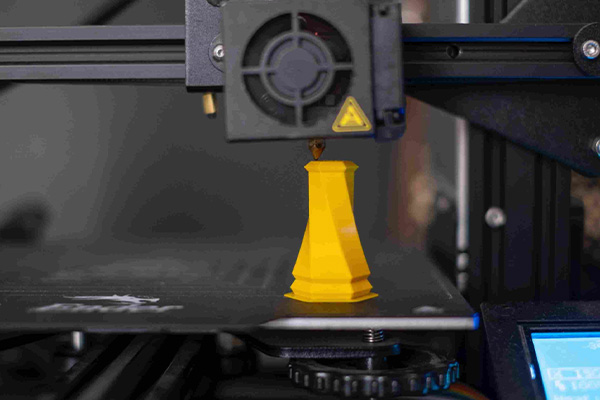
PLA dễ in và phù hợp với nhiều mô hình trực quan, nhưng cần xem xét các giới hạn về nhiệt và chức năng lâu dài. ABS có độ bền hữu ích cho các nguyên mẫu chức năng khi được in trong điều kiện thích hợp. PETG cân bằng giữa độ bền, khả năng in và khả năng kháng hóa chất cho nhiều bộ phận thông dụng. Nylon có khả năng chống mài mòn và độ bền nhưng có thể hấp thụ độ ẩm và có thể cần điều kiện in và bảo quản được kiểm soát.
Nhựa tiêu chuẩn ưu tiên chi tiết và hình thức. Nhựa kỹ thuật được pha chế để cải thiện các đặc tính như độ bền hoặc khả năng chịu nhiệt, nhưng mỗi loại đều có bảng dữ liệu cụ thể. Nhựa trong suốt hỗ trợ các nguyên mẫu trong suốt hoặc mờ; hướng, độ dày thành và quá trình hoàn thiện sau đó ảnh hưởng đến kết quả nhìn thấy được.
Các bộ phận in 3D có tính chất dị hướng: hướng in, liên kết lớp, mật độ vật liệu, cấu trúc hỗ trợ và quá trình xử lý sau in có thể làm thay đổi độ bền và kích thước. Chỉ riêng tên vật liệu không phải là thông số kỹ thuật hoàn chỉnh. Các nguyên mẫu quan trọng cần nêu rõ quy trình in, hướng in và mục tiêu nghiệm thu.
Nhựa in 3D, tương tự như nhựa ABS, không nhất thiết phải giống hệt nhựa ABS, PC hoặc nylon được đúc phun. Hãy sử dụng nguyên mẫu để trả lời các câu hỏi đã xác định, sau đó kiểm chứng hình dạng và vật liệu trong quá trình sản xuất khi hiệu suất là yếu tố quan trọng.
Một báo giá hữu ích bắt đầu bằng dữ liệu 3D, số lượng, kích thước chi tiết, mục tiêu trực quan hoặc chức năng, tải trọng, nhiệt độ, lớp hoàn thiện, kích thước quan trọng và nhu cầu so sánh. Những chi tiết này cho phép nhóm kỹ thuật phân biệt các yêu cầu cố định với các tùy chọn và xác định các quyết định còn thiếu trước khi chúng ảnh hưởng đến chi phí hoặc tiến độ. Mục tiêu trước mắt là lựa chọn vật liệu và quy trình in dựa trên những gì nguyên mẫu phải thể hiện. Khi một yêu cầu chưa được biết, nó nên được đánh dấu là chưa xác định thay vì được che giấu sau một dung sai chung chung, tên vật liệu hoặc tuyên bố chất lượng. Điều này cung cấp cho cả hai bên cơ sở rõ ràng hơn để so sánh các lựa chọn, lập kế hoạch mẫu và quyết định bằng chứng nào sẽ cần thiết trước khi sản xuất.
Việc lập kế hoạch dự án cần giải quyết vấn đề lựa chọn dựa trên độ bền được quảng cáo, bỏ qua hướng in, giả định vật liệu in và vật liệu đúc là tương đương và việc quy định quá mức các mô hình trực quan. Không phải mọi rủi ro đều cần cùng một nỗ lực kiểm tra, vì vậy kế hoạch chất lượng nên tập trung vào các đặc điểm ảnh hưởng đến sự phù hợp, chức năng, hình thức hoặc quá trình lắp ráp tiếp theo. Tùy thuộc vào dự án, việc kiểm soát có thể bao gồm nhận dạng vật liệu, cài đặt in, hướng in, giá đỡ, xử lý sau in và kiểm tra gắn liền với mục tiêu học tập. Các phương pháp đo lường, tần suất lấy mẫu, mẫu tham chiếu và kỳ vọng báo cáo cần được thống nhất trước khi sản xuất hàng loạt. Cách tiếp cận dựa trên rủi ro này giúp các yêu cầu quan trọng có vị trí rõ ràng trong quy trình mà không ngụ ý rằng mọi đặc tính đều có thể được kiểm soát theo cùng một cách.
Shenyue có thể kết nối quá trình in SLA, tạo mẫu nhựa nhiệt dẻo, hoàn thiện, kiểm tra lắp ráp và chuyển giao sang công cụ sản xuất trong cùng một quy trình dự án. Sự kết nối này rất quan trọng vì một quyết định được đưa ra ở một giai đoạn thường ảnh hưởng đến giai đoạn tiếp theo: vật liệu ảnh hưởng đến quá trình xử lý và hoàn thiện, công cụ ảnh hưởng đến việc phát hành và hình thức bên ngoài, và việc lắp ráp hoặc đóng gói có thể làm lộ ra những vấn đề không thể nhìn thấy trên từng linh kiện riêng lẻ. Việc tập trung các câu hỏi kỹ thuật, phản hồi mẫu và các bản sửa đổi giúp giảm thiểu các bước chuyển giao không cần thiết. Điều này cũng mang lại cho người mua một lộ trình thực tế hơn từ các tệp ban đầu đến cơ sở sản xuất được phê duyệt và, khi cần thiết, hỗ trợ đơn đặt hàng lặp lại.
Đây là điểm khởi đầu thiết thực cho các mô hình trực quan, đánh giá thiết kế, đồ gá, kiểm tra độ khớp và các nguyên mẫu chức năng hạn chế. Tính khả dụng của vật liệu và kích thước, dung sai và độ hoàn thiện có thể đạt được được xác nhận cho từng tệp.
Chi phí phụ thuộc vào kích thước chi tiết, quy trình, hỗ trợ, độ hoàn thiện và số lượng. Giá vật liệu thấp nhất có thể không đáp ứng được mục tiêu tạo mẫu thử nghiệm.
Độ bền không chỉ là một con số; độ bền kéo, độ bền va đập, độ bền mài mòn, độ bền nhiệt và hướng lớp vật liệu đều quan trọng. Trước tiên hãy xác định tải trọng.
Nó có thể giảm thiểu sự không chắc chắn trong thiết kế, nhưng không thể tái tạo hoàn toàn hiện tượng co ngót, chảy, bề mặt hoặc đặc tính vật liệu trong quá trình đúc.
Hãy gửi mô hình 3D, số lượng, mục đích sử dụng và một hoặc hai câu hỏi mà nguyên mẫu cần trả lời. Chúng tôi sẽ đề xuất loại vật liệu phù hợp.