Nullam dignissim, ante scelerisque the is euismod fermentum odio sem semper the is erat, a feugiat leo urna eget eros. Duis Aenean a imperdiet risus.

4
DSC05260
DSC05263
DSC05261
4
DSC05260
DSC05263
DSC05261

Insert Molding

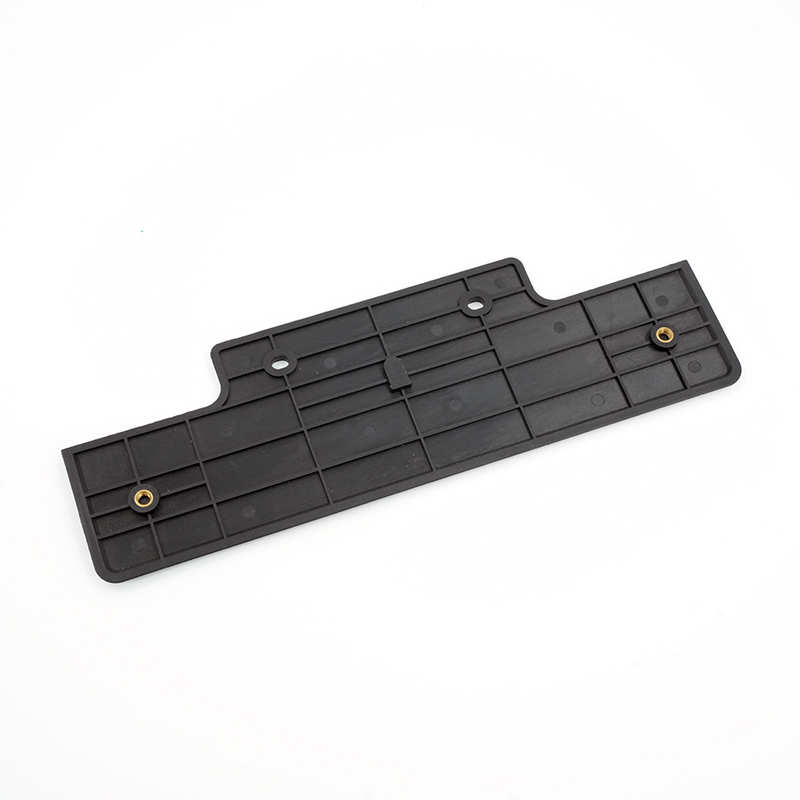
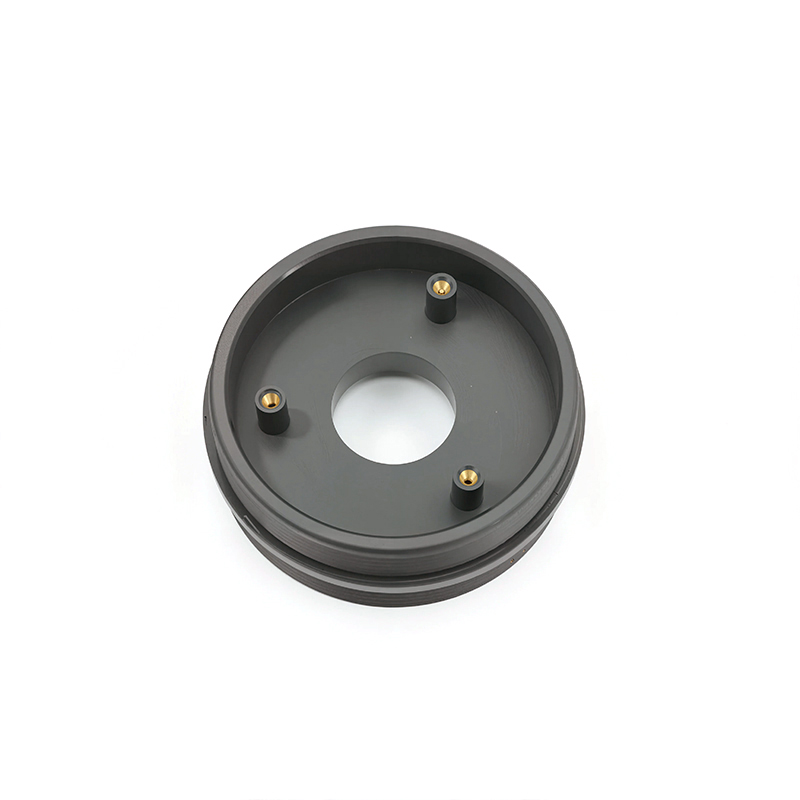
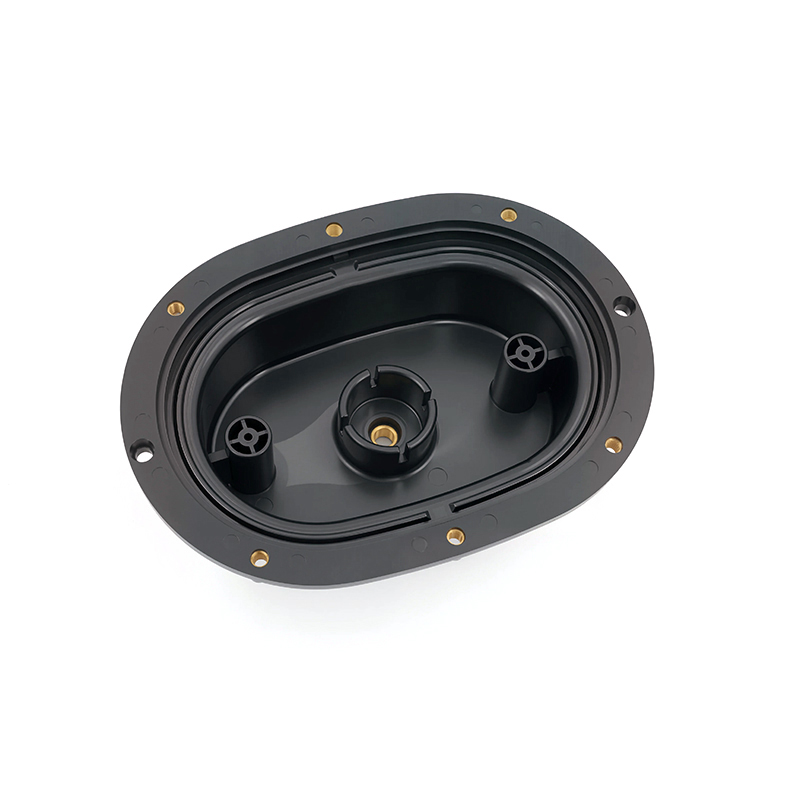
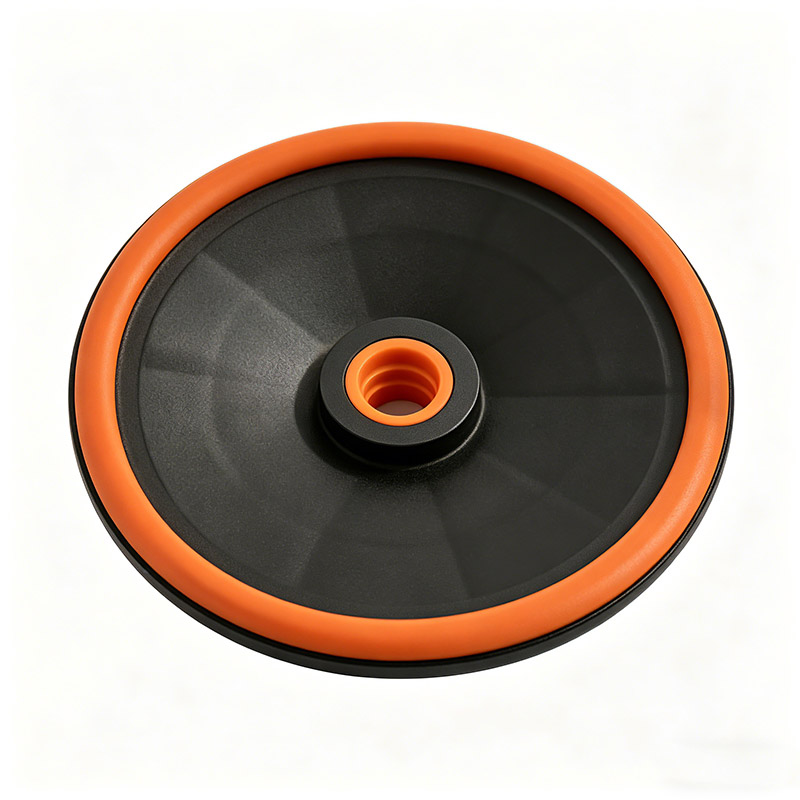
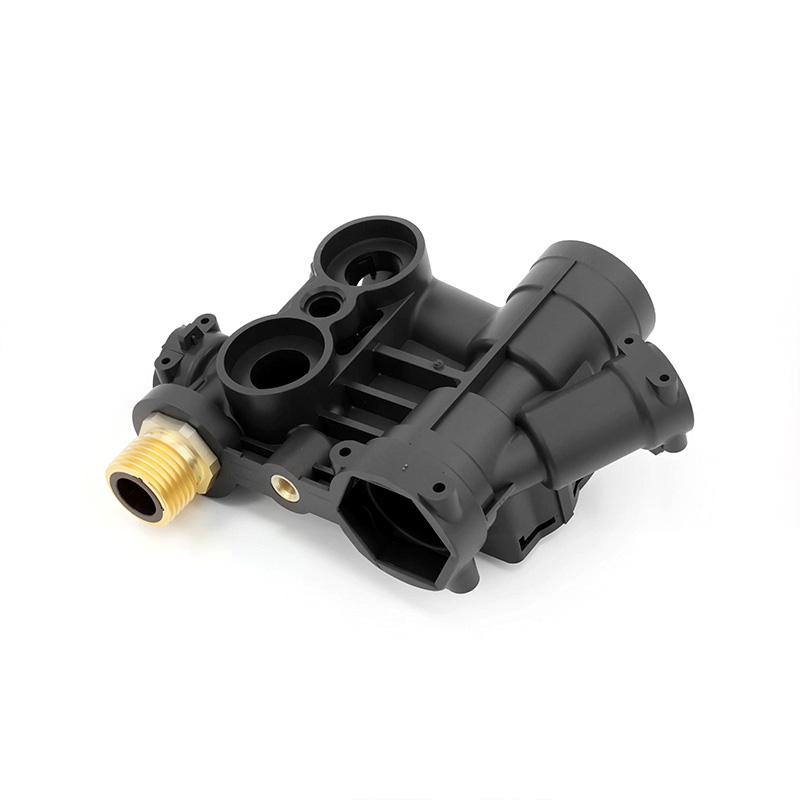
Insert molding places a prepared component in the tool and molds plastic around it in one controlled cycle. It can replace later assembly steps and create a compact, integrated part—when the insert, plastic and mold are designed to work together.
  • Insert location and retention reviewed before tool design.
  • Plastic flow planned to reduce insert movement and incomplete encapsulation.
  • Options for threaded hardware, contacts, pins and other preforms.
  • Part consolidation may reduce separate fastening operations.
  • Sampling checks both molded geometry and insert position.

Where insert molding adds value

The process is useful when a plastic body needs a durable thread, electrical contact, structural element or other embedded feature. Combining the elements during molding can simplify the bill of materials and remove a later assembly operation. It also creates new design constraints, so the benefit should be assessed against insert cost, loading method and production volume.

The insert is part of the process

Insert dimensions, cleanliness, plating, orientation and resistance to molding temperature matter. The tool must locate the insert securely while allowing plastic to flow around the intended areas. Features that improve mechanical retention—such as knurls, undercuts or holes—should be designed with the insert supplier and end use in mind.

Managing molding risks

Pressure can shift a poorly supported insert, while trapped air or restricted flow can leave voids. Excess plastic may contaminate a thread or contact surface. Tool shutoffs, loading checks and a defined process window are used to control these risks. Critical insert position and exposed areas should be called out on the drawing.

Manual or automated loading

Low or moderate volumes may use controlled manual loading; higher volumes may justify fixtures or automation. The right method depends on insert shape, orientation, cavity count and cycle economics. We assess this during project review rather than assuming one loading method fits every part.

What to define before quotation

A useful quotation begins with plastic and insert models, insert material and finish, exposed surfaces, pull-out or torque requirements, loading orientation and volume. These details let the engineering team distinguish fixed requirements from preferences and identify missing decisions before they affect cost or schedule. The immediate goal is a reliable relationship between the molded polymer and the pre-positioned insert. When a requirement is not yet known, it should be marked as open rather than hidden behind a generic tolerance, material name or quality statement. This gives both sides a clearer basis for comparing options, planning samples and deciding which evidence will be needed before production.

Risk review and quality planning

Project planning should address insert movement, plastic on threads or contacts, voids, weak retention, heat damage and loading mistakes. Not every risk deserves the same inspection effort, so the quality plan should concentrate on features that affect fit, function, appearance or downstream assembly. Depending on the project, control can include insert identity, orientation, position, encapsulation, protected surfaces and mechanical or assembly checks. Measurement methods, sampling frequency, reference samples and reporting expectations should be agreed before routine production. This risk-based approach gives critical requirements a visible place in the process without implying that every characteristic can be controlled in exactly the same way.

The value of an integrated manufacturing route

Shenyue can connect mold engineering, insert sourcing coordination, loading fixtures, injection molding and final assembly within one project route. That connection matters because a decision made in one stage often changes the next: material affects processing and finishing, tooling affects release and appearance, and assembly or packaging can expose issues that are not visible on an individual component. Keeping technical questions, sample feedback and revisions together reduces avoidable handoffs. It also gives buyers a more practical path from initial files to an approved production baseline and, when applicable, repeat-order support.

Typical Applications / Project Fit

Common applications include threaded plastic components, electrical parts, sensor housings, knobs, automotive components and industrial assemblies. Suitability depends on insert geometry, resin, temperature, loads and validation requirements.

Frequently Asked Questions

Can you source the inserts?

This can be discussed. Supply responsibility, material, finish and inspection criteria must be defined before production.

How are inserts kept in position?

The mold uses locating and support features; the exact solution depends on the insert and plastic flow.

Is insert molding stronger than post-assembly?

It can improve integration and load transfer, but strength depends on design, materials and retention geometry. Functional testing is recommended.

Send the plastic-part model, insert drawing and assembly requirements together. Tell us which insert surfaces must remain exposed or free of plastic.

Services

Plastic Injection Molding1

Plastic Injection Molding

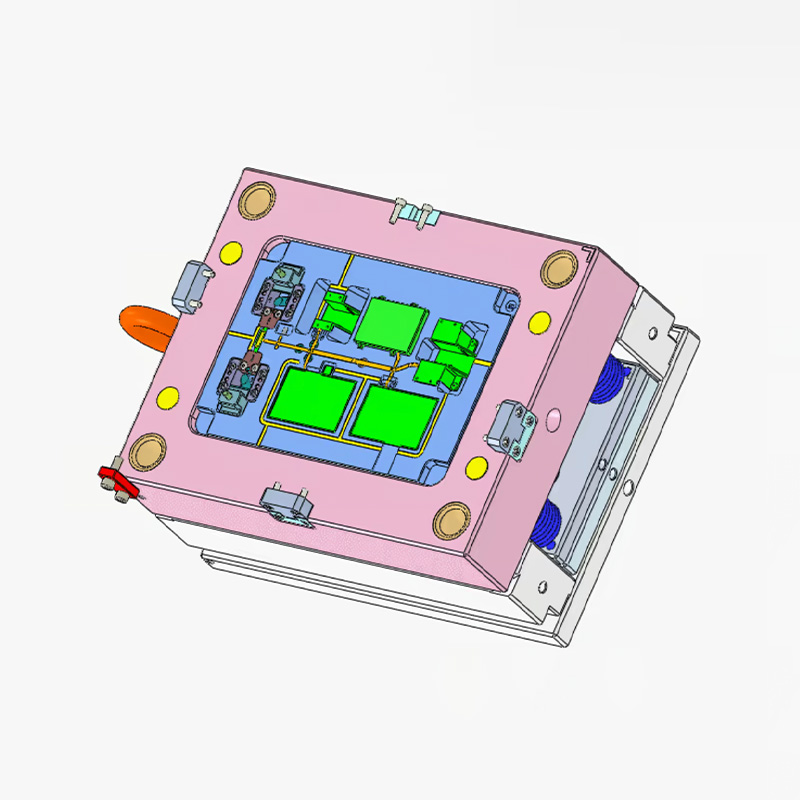
Turn a plastic part design into a repeatable production process. Shenyue supports moldable-part review, tooling, sampling, injection molding and optional finishing so that design decisions, process settings and acceptance requirements stay connected.
Learn More
service 13

Overmolding

Overmolding combines a softer material with a rigid substrate to create one integrated component. TPE, TPU or selected rubber compounds can be molded over plastic, metal or other prepared inserts to improve grip, cushioning, sealing, insulation or surface protection. Reliable overmolding depends on more than placing one material over another. The substrate, elastomer, interface geometry, mold, loading method and process conditions must work together. Shenyue reviews these factors before tooling and validates the finished interface through samples and agreed functional checks.
Learn More
5

Family and Multi-Cavity Molding

Produce more than one part per molding cycle with a tool designed around the real production mix. Multi-cavity molds repeat one part; family molds combine different parts. Both can improve output, but only when flow balance, demand and quality requirements support the choice.
Learn More
12

Secondary Operations

A molded part is not always a finished product. Shenyue can coordinate selected decoration, machining, assembly and packaging steps after molding, with requirements defined around the final part rather than treated as separate afterthoughts.
Learn More

30/ June

Our New Manufacturing Facility Is Now Operational – A Major Step Forward in Capacity and Efficiency

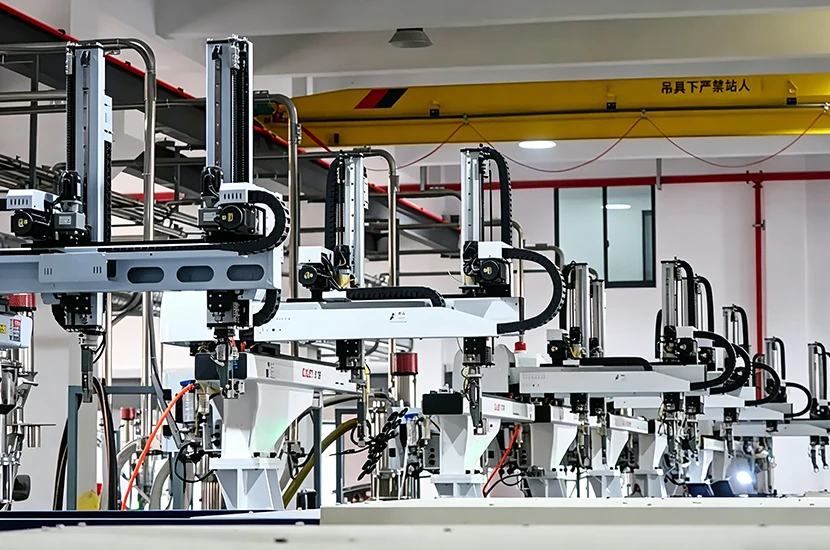
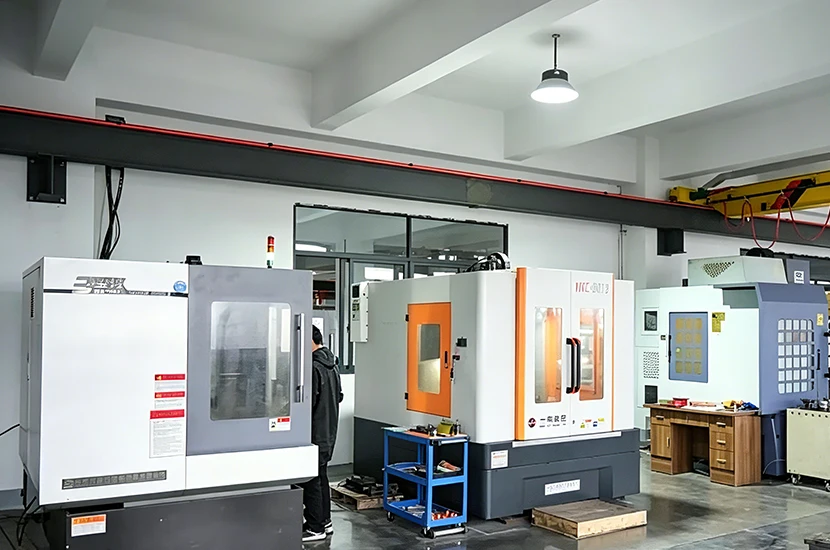
We are proud to announce that our new manufacturing facility is now officially in operation. This upgrade represents a total investment of over RMB 60 million and marks an important milestone in our continuous growth and commitment to high-quality production. The new factory has been equipped with 23 brand-new injection molding machines from Haitian International, with a maximum clamping force of 850 tons, enabling us to produce plastic parts weighing up to 3000 grams. This significantly enhances our capability to handle larger and more complex products for a wide range of industries. To further improve production stability and efficiency, we have implemented a centralized material feeding system across the entire workshop. This system ensures consistent material supply, reduces manual handling, and minimizes the risk of contamination or human error. In addition, all machines are now equipped with automated robotic arms, allowing for fully automated production processes. This not only improves production efficiency but also ensures better consistency and precision in every batch. With these upgrades, we are able to: (1)Increase production capacity and shorten lead times (2)Maintain stable product quality across high-volume orders (3)Support more complex and larger-scale custom projects (4)Provide more reliable OEM and ODM manufacturing solutions This new facility reflects our long-term commitment to investing in advanced equipment and smart manufacturing. We believe these improvements will enable us to better serve our global customers with higher efficiency, greater flexibility, and consistent quality.
Learn More
blog1

15/ October

Why It Is Recommended to Choose an Injection Molding Manufacturer with an In-House Mold Workshop

When selecting an injection molding manufacturer, factors such as price, lead time, and communication are often prioritized. However, whether the manufacturer has an in-house mold workshop is an equally important consideration that can significantly impact project outcomes. 1. Improved Development Efficiency Manufacturers with in-house mold workshops are able to manage the entire process internally, including mold design, machining, and modification. This integrated workflow helps to: (1)Reduce dependency on third-party suppliers (2)Shorten communication cycles (3)Accelerate mold development and revision processes As a result, overall project timelines are typically more predictable and efficient. 2. Better Control of Mold Quality The quality of injection-molded products is closely related to the precision and condition of the mold. When mold production is outsourced, differences in standards and communication gaps may lead to inconsistencies. In contrast, in-house mold workshops allow for: (1)Direct supervision of manufacturing processes (2)Consistent quality standards (3)Easier implementation of design adjustments This contributes to more stable production performance and reduced defect rates. 3. Faster Problem Resolution During Production During mold trials and mass production, issues such as dimensional deviation, surface defects, or deformation may occur. With in-house capabilities, manufacturers can: (1)Identify root causes more quickly (2)Perform adjustments such as welding, polishing, or structural modification in a timely manner (3)Minimize downtime during production This is particularly important for projects requiring multiple iterations or tight deadlines. 4.Potential Long-Term Cost Advantages Although initial mold costs may not vary significantly, in-house mold capabilities can contribute to cost efficiency over time by: (1)Reducing delays and repeated modifications (2)Lowering communication and logistics costs (3)Extending mold service life through proper maintenance These factors can help improve the overall cost-effectiveness of a project. 5.More Structured Mold Management Manufacturers with dedicated mold workshops often implement systematic mold management practices, including: (1)Clear identification and tracking systems (2)Organized storage and maintenance procedures (3)Faster response for repeat production orders This ensures that molds remain in good condition and are readily available when needed. Conclusion Choosing an injection molding manufacturer involves more than evaluating production capacity alone. The presence of an in-house mold workshop can provide advantages in efficiency, quality control, and long-term project stability. For projects that require precision, flexibility, and ongoing support, this factor can be an important criterion in supplier selection.  
Learn More
blog 6

15/ April

Upgrading Our Mold Management System – 3 Months, 1,500+ Molds Reorganized

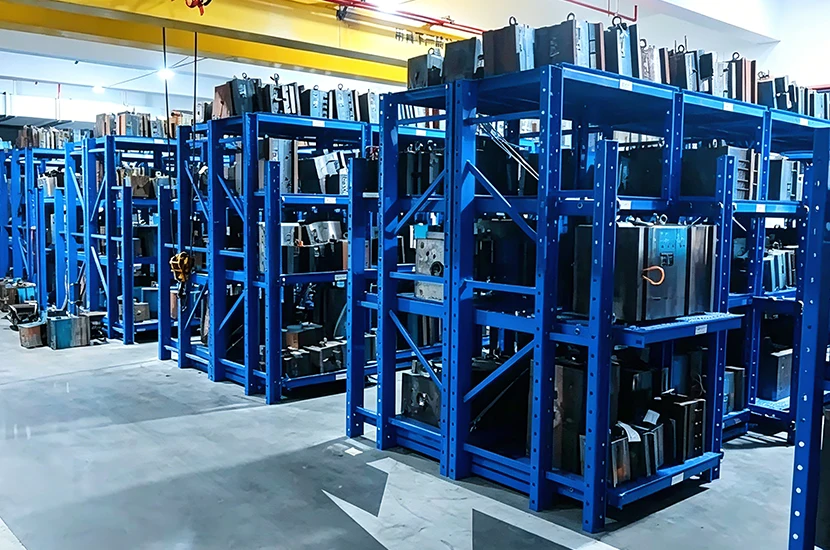
Over the past three months, our team has completed a comprehensive upgrade of our mold warehouse management system—an essential step to improve efficiency, traceability, and long-term service quality. During this project, we systematically reorganized our entire mold inventory. Each mold has been re-labeled, coded, and assigned a clear storage position, with standardized identification plates for easier tracking and management. In total, more than 1,500 molds have been re-registered and properly stored in our upgraded warehouse system. This process not only improves internal efficiency but also ensures that we can respond faster and more accurately to repeat orders from our customers. In addition, we reviewed all inactive molds in storage and handled over 500 abandoned molds that had not been used for an extended period. This helped us optimize warehouse space and maintain a more organized and efficient storage environment. It is worth highlighting that we provide free mold storage for up to 5 years for all our customers. During this period, molds are carefully maintained and remain available for future production. However, if a mold has not been used for more than 5 years, we will proceed with disposal, unless otherwise agreed or specifically instructed by the customer. With this upgrade, we are now able to: (1)Improve mold traceability and management efficiency (2)Ensure faster response for repeat production (3)Optimize warehouse space and organization (4)Provide more reliable long-term mold storage services We believe that well-managed molds are the foundation of stable production and long-term cooperation. This upgrade reflects our commitment to offering not only manufacturing services, but also professional and responsible mold management for our global partners.
Learn More
blog 7
Contact Us

Enjoy Thoughtful & Exclusive Service

Whether you have inquiries, cooperation intentions or feedback suggestions, we are always online for you. Our professional team provides one-on-one considerate response with quick replies and dedicated follow-up. With thoughtful service attitude and efficient reliability, we guard your needs all the way. We look forward to sincere communication and win-win cooperation with you!

    Name *

    Email *

    Tel Number

    WhatsApp

    Which country/region do you reside in? *

    Website / File Sharing Link

    Or Upload Product Drawings (Max: 10MB)

    Comment or Product Message *

    Products
    Contacts
    WhatsApp
    Email