What Is Overmolding?
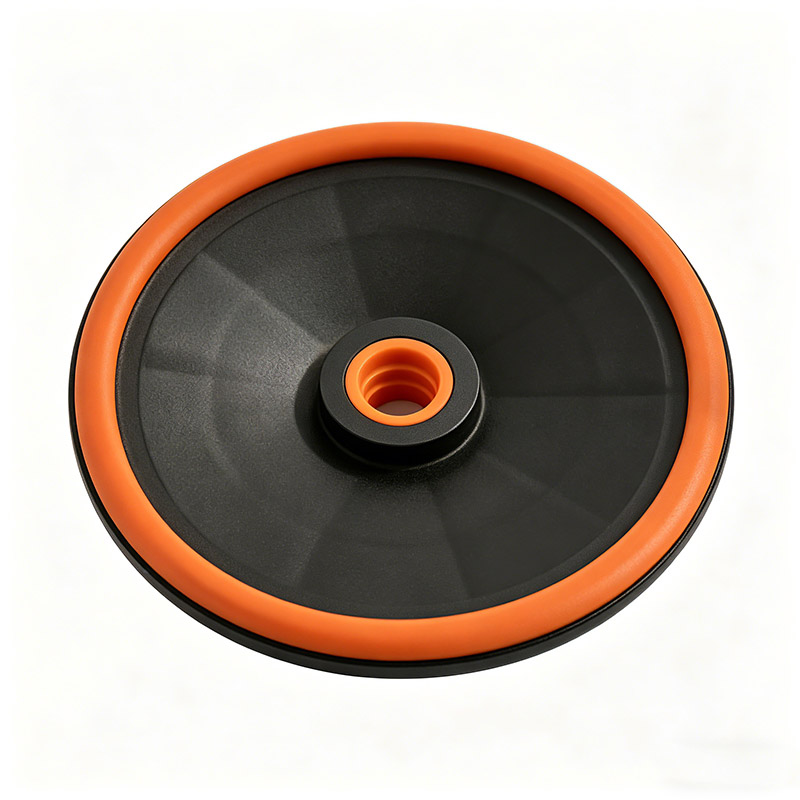
Overmolding is a manufacturing process in which one material is molded over another base component to form a single integrated part. The substrate is produced or prepared first, then placed in a mold where a second material is added around selected surfaces.
The rigid substrate may provide structure, dimensional stability or load-bearing strength. The overmolded layer may provide grip, cushioning, sealing, impact protection, insulation or a more comfortable surface for the user.
Depending on the application, the substrate may be plastic, metal or another preformed component. The overmold may be a thermoplastic elastomer, TPU, rubber compound or another compatible material selected for the required performance.
What Overmolding Can Achieve
Overmolding is often considered when a product needs the properties of two materials in one component. A soft layer can reduce slip on a handle, cushion impact on a housing, protect an exposed edge or create a local seal around an interface.
The process can also consolidate components that would otherwise require adhesive bonding, separate gaskets or mechanical assembly. This may reduce part count and simplify handling, but the benefit should be evaluated against tooling complexity, material compatibility, loading requirements and production volume.
The best overmold is not simply the softest or thickest layer. Thickness, coverage, hardness, texture, exposed areas and transition geometry should all be linked to how the finished part will be used.
Bonding Is a Design Decision
Some material combinations can develop useful chemical adhesion under suitable processing conditions. Others require mechanical retention features such as holes, grooves, ribs, undercuts or dovetail-style locks.
Chemical bonding should not be assumed from a general material name. The exact grades, surface condition, preparation method, mold temperature and service environment can all affect the result. Contamination, moisture, release agents, plating or oxidation may reduce adhesion.
For this reason, the interface should be designed around the real load and environment. Depending on the application, samples may need peel, pull, torque, leak, fit or repeated-use testing. A successful visual bond line alone does not prove long-term performance.
Designing the Substrate and Interface
The substrate must be strong and stable enough to withstand molding temperature, pressure and handling. Weak walls, unsupported edges or poorly located features may move, deform or become marked during the overmolding cycle.
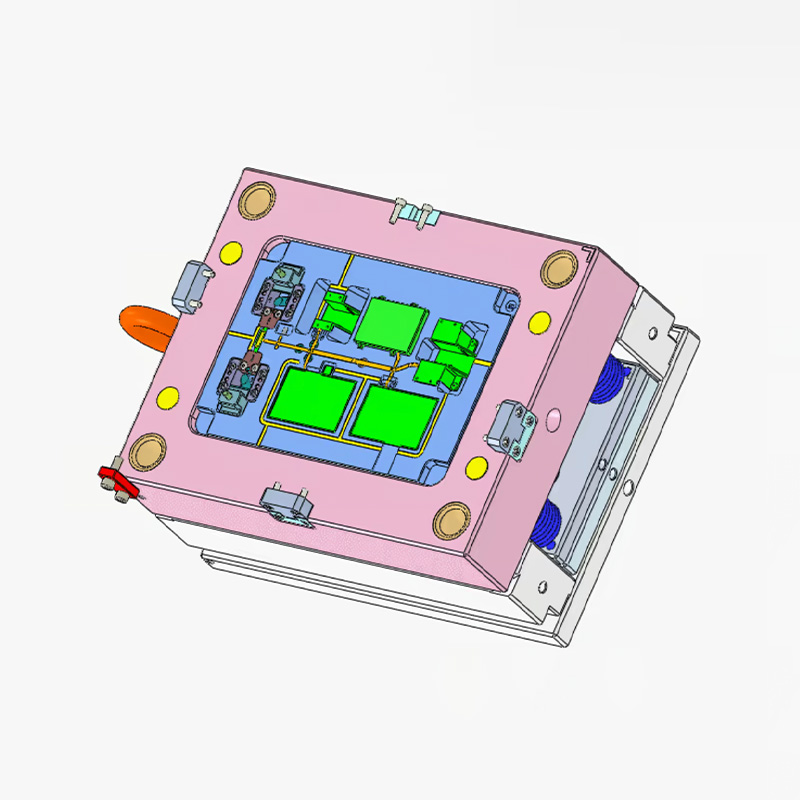
The tool should locate the substrate accurately and support the areas that carry molding pressure. Datum surfaces, locating pins, support points and loading orientation are considered together with the final part geometry.
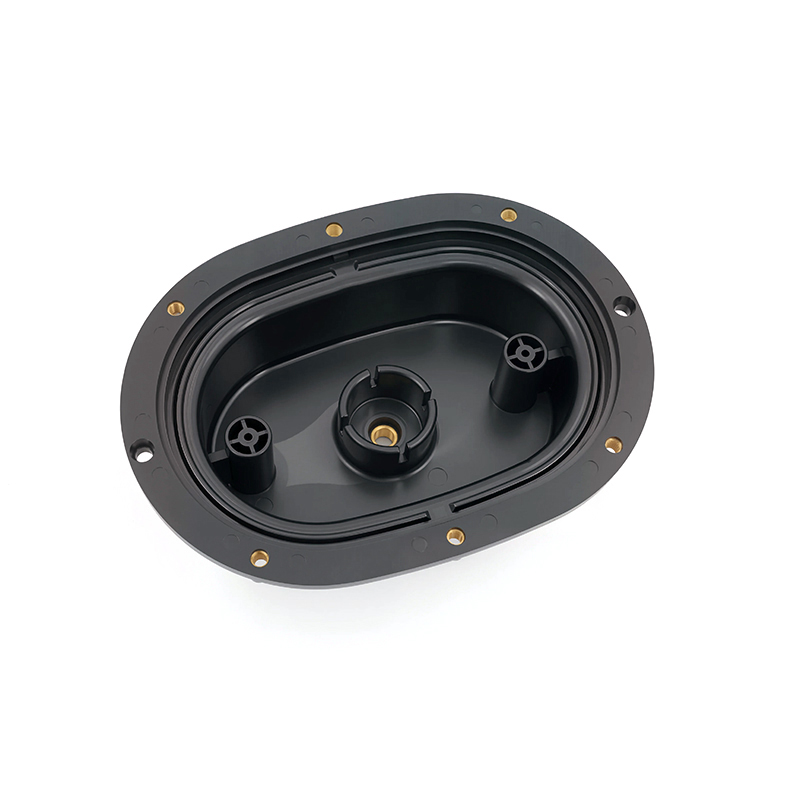
The interface should also define which surfaces must remain exposed. Threads, electrical contacts, cosmetic faces, mounting holes and assembly features may require shutoffs, masks or dedicated support. These areas should be identified clearly on the drawing before tooling begins.
Tooling, Loading and Process Control
Overmolding tools must control material flow while holding the substrate in the correct position. Gate location, venting, shutoffs, cooling and ejection all influence coverage, flash, appearance and release.
Low or moderate volumes may use controlled manual loading. Higher volumes may justify a fixture, poka-yoke feature or automated loading method. The appropriate approach depends on the substrate shape, orientation, cavity count, cycle time and labor requirements.
During sampling, the process is reviewed for incomplete coverage, trapped air, flash, substrate movement, edge lifting, visible marks and inconsistent thickness. Adjustments should be traced to the design, tool or process so that a cosmetic symptom is not mistaken for the underlying cause.
Sampling and Validation
Samples should be evaluated against the purpose of the overmold. A grip application may require slip or repeated-use checks. A sealing application may require leak or compression testing. A protective layer may require impact, abrasion or environmental evaluation.
Typical sample checks may include:
- Overmold coverage and material placement.
- Substrate position and exposed-surface condition.
- Dimensions, thickness and assembly fit.
- Flash, edge lifting and cosmetic appearance.
- Peel, pull, torque, leak or other agreed interface tests.
- Performance after repeated handling or environmental exposure.
The customer and manufacturer should agree on the acceptance method before routine production. For safety-critical, medical, electrical or regulated applications, customer-defined standards and validation remain necessary.
What to Define Before Quotation
A useful quotation begins with both the substrate and overmold requirements. Please provide, where available:
- 3D models and controlled 2D drawings for both components.
- Substrate material, grade, finish, plating and surface condition.
- Overmold material preference, hardness, color and texture.
- Interface geometry and any mechanical retention features.
- Surfaces that must remain free of elastomer.
- Loads, movement, temperature, chemicals, moisture and UV exposure.
- Required dimensions, appearance standards and functional tests.
- Expected order quantity, annual demand and target production timing.
These details help the engineering team separate fixed requirements from preferences and identify open decisions before they affect cost or schedule. The immediate goal is a durable, repeatable interface between the substrate and the molded elastomer layer.
Risk Review and Quality Planning
Project planning should address weak adhesion, substrate deformation, contamination, trapped air, incomplete fill, edge lifting, flash, variable thickness and material incompatibility.
Not every characteristic requires the same inspection effort. The quality plan should focus on features that affect fit, function, appearance or downstream assembly. Depending on the project, controls may include:
- Substrate identity and incoming condition.
- Insert or substrate placement.
- Overmold coverage and thickness.
- Exposed surfaces and cosmetic zones.
- Dimensions and assembly interfaces.
- Adhesion, pull, torque, leak or functional testing.
- Reference samples, sampling frequency and reporting requirements.
Measurement methods and acceptance criteria should be agreed before repeat production. This creates a visible control plan for the features that matter most without implying that every characteristic can be controlled in exactly the same way.
The Value of an Integrated Manufacturing Route
Shenyue can connect material compatibility review, substrate sourcing or molding, overmold tooling, molding, inspection and assembly validation within one project route.
This connection matters because a decision in one stage often changes the next. Material affects processing and adhesion. Tooling affects release, flash and appearance. Substrate preparation affects bonding. Assembly and packaging can expose issues that are not visible on an individual component.
Keeping technical questions, sample feedback and revisions together reduces avoidable handoffs. It also gives buyers a more practical path from initial files to an approved production baseline and, when applicable, repeat-order support.
Typical Applications / Project Fit
Overmolding may be suitable for:
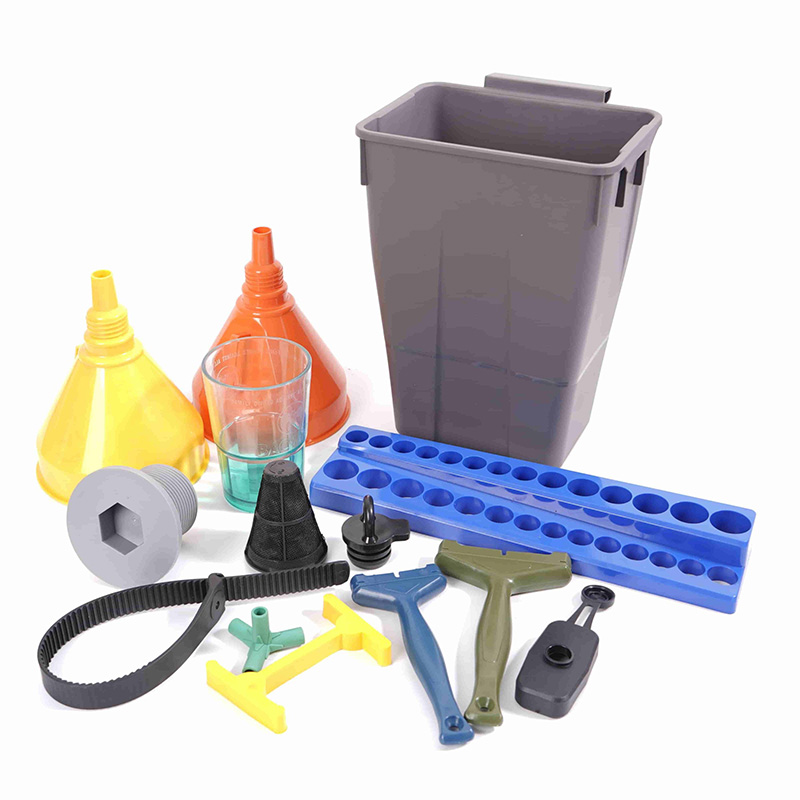
- Tool handles and ergonomic grips.
- Knobs, switches and control components.
- Protective edges, feet and bumpers.
- Seals, gaskets and local sealing features.
- Sensor housings and electronic enclosures.
- Automotive and industrial components.
- Consumer products requiring soft-touch surfaces.
- Components combining structural strength with cushioning or insulation.
Feasibility depends on the material pair, interface design, substrate stability, overmold thickness, undercuts, cosmetic requirements, service conditions and production volume.
Frequently Asked Questions
Will the rubber or TPE bond permanently?
Not automatically. Performance depends on the exact material grades, surface condition, interface design, environment and applied load. Mechanical retention and application-specific testing may be required.
Can an existing rigid part be overmolded?
Possibly, if the part can be located and supported in the tool and can withstand molding temperature and pressure. Drawings, samples and substrate specifications should be reviewed first.
Which substrate materials can be overmolded?
Plastic, metal and other prepared substrates may be considered. Suitability depends on heat resistance, dimensional stability, surface condition, chemical compatibility and the required bonding or retention method.
Is overmolding the same as insert molding?
They are related but not identical. Insert molding commonly places a preformed insert in a tool and molds plastic or rubber around it. Overmolding emphasizes adding a second material or functional layer over a substrate.
What tests are recommended for an overmolded part?
The test method depends on the application. Possible checks include peel, pull, torque, leak, fit, slip, impact, abrasion or repeated-use testing. The acceptance method should be defined before production.
Provide the substrate and overmold models, material information, expected quantity and the load or environment at the interface. Mark every surface that must remain free of elastomer, and identify any areas where adhesion, sealing, grip or appearance is critical.