Ép khuôn là gì?
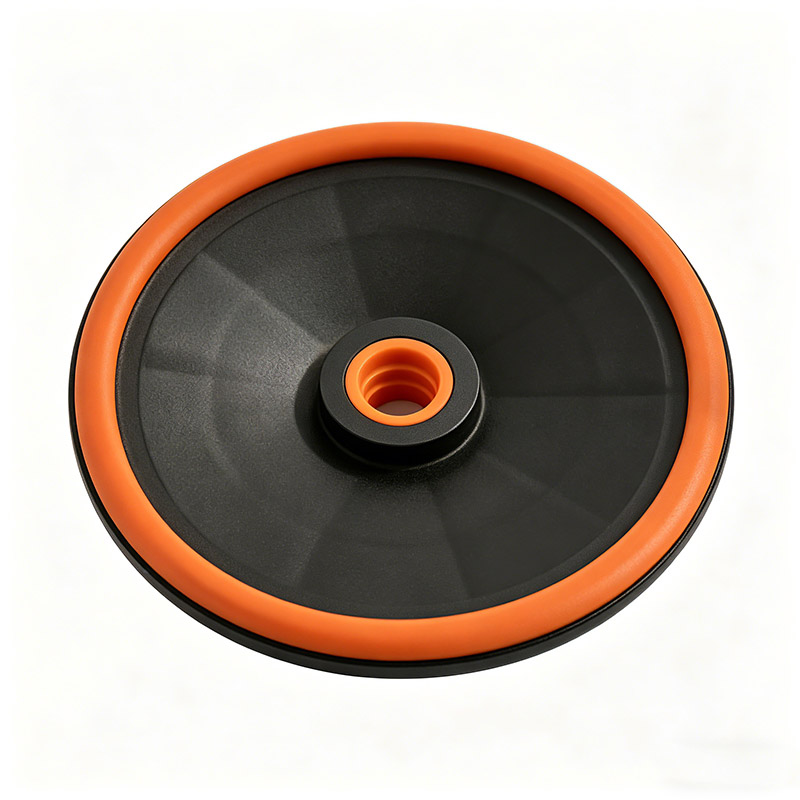
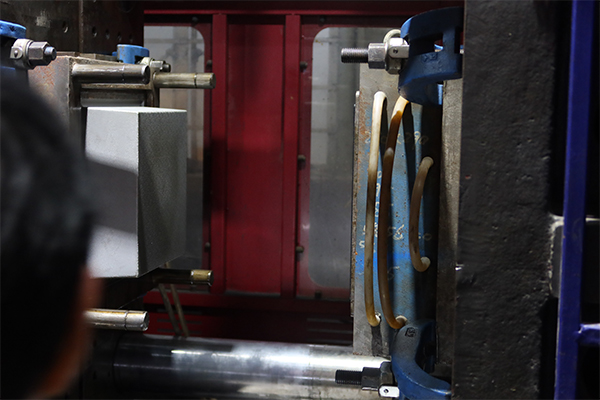
Ép khuôn phủ là một quy trình sản xuất trong đó một vật liệu được đúc phủ lên một vật liệu nền khác để tạo thành một chi tiết tích hợp duy nhất. Vật liệu nền được sản xuất hoặc chuẩn bị trước, sau đó được đặt vào khuôn, nơi vật liệu thứ hai được thêm vào xung quanh các bề mặt được chọn.
Lớp nền cứng có thể cung cấp cấu trúc, độ ổn định về kích thước hoặc khả năng chịu tải. Lớp phủ ngoài có thể cung cấp độ bám, lớp đệm, lớp bịt kín, lớp bảo vệ chống va đập, lớp cách nhiệt hoặc bề mặt thoải mái hơn cho người sử dụng.
Tùy thuộc vào ứng dụng, chất nền có thể là nhựa, kim loại hoặc một thành phần định hình sẵn khác. Lớp phủ ngoài có thể là chất đàn hồi nhiệt dẻo, TPU, hợp chất cao su hoặc vật liệu tương thích khác được lựa chọn để đáp ứng yêu cầu về hiệu năng.
Những lợi ích mà công nghệ ép khuôn có thể đạt được
Kỹ thuật ép khuôn thường được xem xét khi một sản phẩm cần có các đặc tính của hai vật liệu trong cùng một bộ phận. Một lớp mềm có thể giảm độ trơn trượt trên tay cầm, giảm chấn động trên vỏ máy, bảo vệ cạnh hở hoặc tạo lớp bịt kín cục bộ xung quanh mối nối.
Quy trình này cũng có thể hợp nhất các bộ phận mà nếu không sẽ cần liên kết bằng keo, gioăng riêng biệt hoặc lắp ráp cơ khí. Điều này có thể giảm số lượng bộ phận và đơn giản hóa việc xử lý, nhưng lợi ích cần được đánh giá dựa trên độ phức tạp của dụng cụ, khả năng tương thích vật liệu, yêu cầu tải và khối lượng sản xuất.
Lớp phủ bảo vệ tốt nhất không chỉ đơn giản là lớp mềm nhất hoặc dày nhất. Độ dày, độ che phủ, độ cứng, kết cấu, các khu vực lộ ra và hình dạng chuyển tiếp đều phải liên quan đến cách thức sử dụng của sản phẩm hoàn thiện.
Liên kết là một quyết định thiết kế
Một số sự kết hợp vật liệu có thể tạo ra độ bám dính hóa học hữu ích trong điều kiện xử lý thích hợp. Những sự kết hợp khác lại cần các đặc điểm giữ cố định bằng cơ học như lỗ, rãnh, gờ, phần lõm hoặc khóa kiểu đuôi én.
Không nên suy luận về liên kết hóa học chỉ dựa trên tên gọi chung của vật liệu. Mác vật liệu cụ thể, điều kiện bề mặt, phương pháp chuẩn bị, nhiệt độ khuôn và môi trường sử dụng đều có thể ảnh hưởng đến kết quả. Sự nhiễm bẩn, độ ẩm, chất tách khuôn, lớp mạ hoặc quá trình oxy hóa có thể làm giảm độ bám dính.
Vì lý do này, giao diện cần được thiết kế dựa trên tải trọng và môi trường thực tế. Tùy thuộc vào ứng dụng, các mẫu có thể cần được kiểm tra độ bền bằng cách bóc tách, kéo, momen xoắn, rò rỉ, độ khít hoặc sử dụng lặp lại. Chỉ riêng đường liên kết trực quan thành công không đảm bảo hiệu suất lâu dài.
Thiết kế chất nền và giao diện
Vật liệu nền phải đủ chắc chắn và ổn định để chịu được nhiệt độ, áp suất và quá trình xử lý khi đúc. Các vách yếu, cạnh không được hỗ trợ hoặc các chi tiết được đặt không đúng vị trí có thể bị dịch chuyển, biến dạng hoặc bị trầy xước trong suốt chu kỳ đúc phủ.
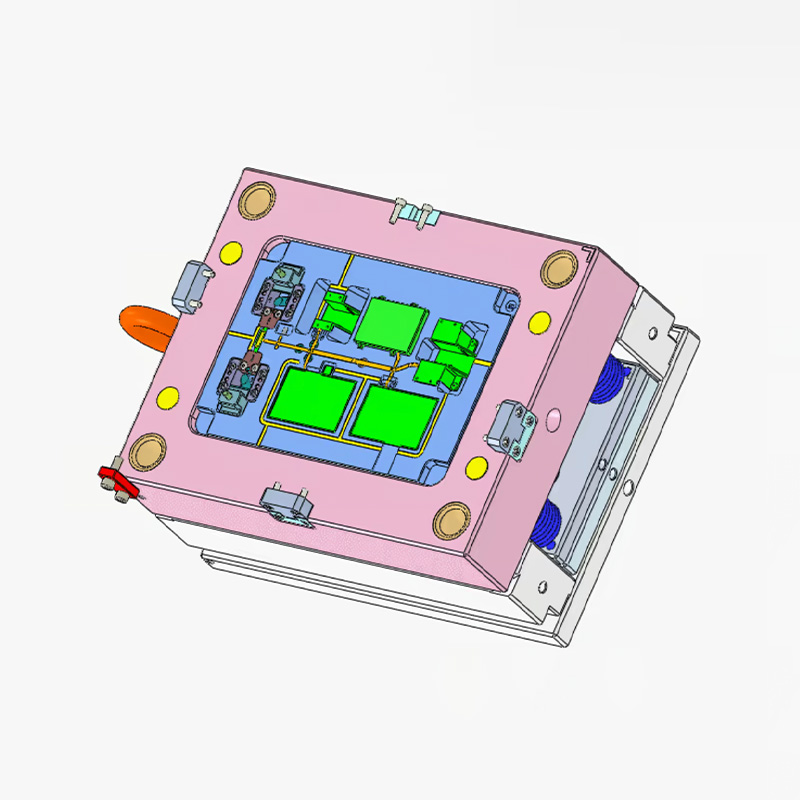
Dụng cụ này phải định vị chính xác chất nền và hỗ trợ các khu vực chịu áp lực ép khuôn. Các bề mặt chuẩn, chốt định vị, điểm đỡ và hướng tải được xem xét cùng với hình dạng cuối cùng của chi tiết.
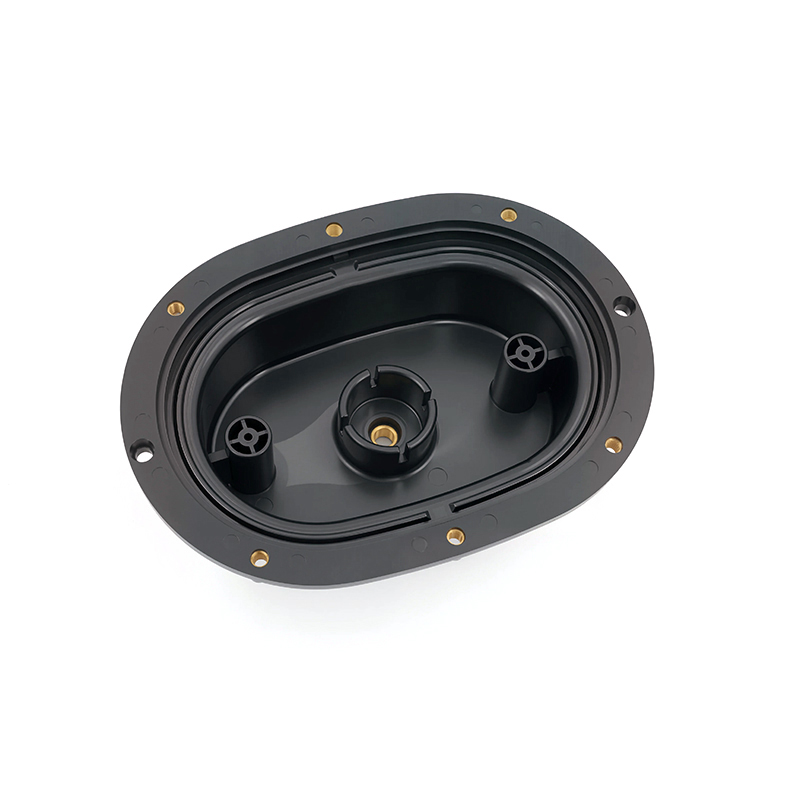
Giao diện cũng cần xác định rõ những bề mặt nào phải được để lộ. Ren, các điểm tiếp xúc điện, các bề mặt trang trí, lỗ lắp đặt và các chi tiết lắp ráp có thể cần đến các tấm chắn, mặt nạ hoặc giá đỡ chuyên dụng. Những khu vực này cần được xác định rõ ràng trên bản vẽ trước khi bắt đầu gia công.
Công cụ, Tải trọng và Kiểm soát quy trình
Các dụng cụ ép khuôn phải kiểm soát dòng chảy vật liệu trong khi giữ chất nền ở vị trí chính xác. Vị trí cổng, lỗ thông hơi, van đóng mở, làm mát và đẩy sản phẩm ra đều ảnh hưởng đến độ phủ, bavia, hình thức và khả năng tách khuôn.
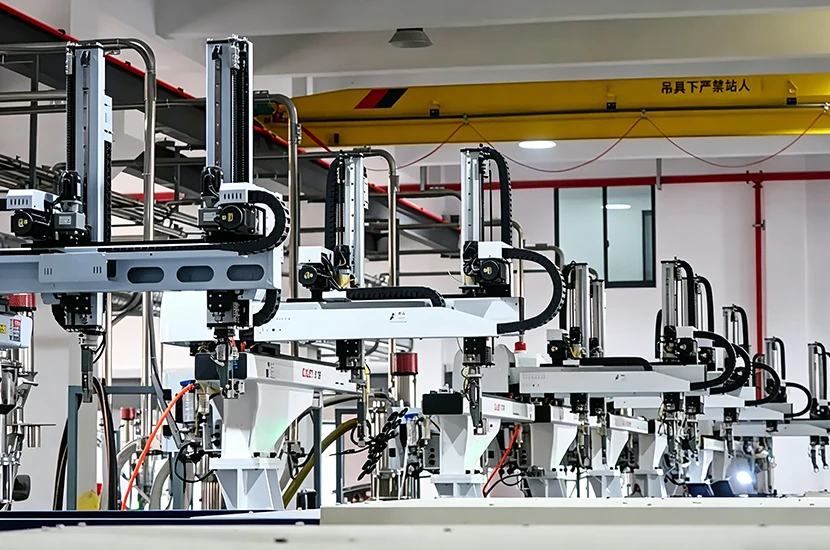
Khối lượng sản xuất thấp hoặc trung bình có thể sử dụng phương pháp nạp liệu thủ công có kiểm soát. Khối lượng sản xuất cao hơn có thể cần đến đồ gá, tính năng poka-yoke hoặc phương pháp nạp liệu tự động. Phương pháp phù hợp phụ thuộc vào hình dạng, hướng, số lượng khoang, thời gian chu kỳ và yêu cầu về nhân công của vật liệu in.
Trong quá trình lấy mẫu, quy trình được kiểm tra kỹ lưỡng về các vấn đề như độ phủ không đầy đủ, bọt khí bị kẹt, hiện tượng cháy lan, sự dịch chuyển của chất nền, bong tróc mép, các vết hằn nhìn thấy được và độ dày không đồng nhất. Các điều chỉnh cần được truy tìm nguồn gốc từ thiết kế, dụng cụ hoặc quy trình để tránh nhầm lẫn giữa triệu chứng bề ngoài với nguyên nhân gốc rễ.
Lấy mẫu và xác thực
Các mẫu cần được đánh giá dựa trên mục đích của lớp phủ. Ứng dụng tạo độ bám có thể yêu cầu kiểm tra độ trơn trượt hoặc độ bền khi sử dụng nhiều lần. Ứng dụng tạo lớp bịt kín có thể yêu cầu kiểm tra rò rỉ hoặc độ nén. Lớp bảo vệ có thể yêu cầu đánh giá về va đập, mài mòn hoặc tác động của môi trường.
Các mẫu kiểm tra điển hình có thể bao gồm:
- Độ phủ lớp ép khuôn và vị trí đặt vật liệu.
- Vị trí chất nền và điều kiện bề mặt tiếp xúc.
- Kích thước, độ dày và độ khít khi lắp ráp.
- Hiện tượng lóe sáng, bong tróc cạnh và vẻ ngoài thẩm mỹ.
- Các thử nghiệm bóc tách, kéo, siết chặt, kiểm tra rò rỉ hoặc các thử nghiệm giao diện khác đã được thỏa thuận.
- Hiệu suất sau nhiều lần thao tác hoặc tiếp xúc với môi trường.
Khách hàng và nhà sản xuất cần thống nhất phương pháp nghiệm thu trước khi tiến hành sản xuất hàng loạt. Đối với các ứng dụng quan trọng về an toàn, y tế, điện hoặc các ứng dụng được quy định chặt chẽ, các tiêu chuẩn và quy trình kiểm định do khách hàng định nghĩa vẫn là cần thiết.
Cần định nghĩa những gì trước khi báo giá
Để có được báo giá hữu ích, cần phải nêu rõ cả yêu cầu về chất nền và lớp phủ ép khuôn. Vui lòng cung cấp, nếu có:
- Mô hình 3D và bản vẽ 2D được kiểm soát cho cả hai thành phần.
- Vật liệu nền, cấp độ, lớp hoàn thiện, lớp mạ và điều kiện bề mặt.
- Sự lựa chọn về vật liệu đúc khuôn, độ cứng, màu sắc và kết cấu.
- Hình dạng giao diện và bất kỳ đặc điểm giữ cơ học nào.
- Các bề mặt cần phải luôn sạch sẽ, không có chất đàn hồi.
- Tải trọng, chuyển động, nhiệt độ, hóa chất, độ ẩm và tiếp xúc với tia cực tím.
- Các yêu cầu về kích thước, tiêu chuẩn hình thức và kiểm tra chức năng.
- Số lượng đặt hàng dự kiến, nhu cầu hàng năm và thời gian sản xuất mục tiêu.
Những chi tiết này giúp nhóm kỹ thuật phân biệt các yêu cầu cố định với các tùy chọn và xác định các quyết định còn bỏ ngỏ trước khi chúng ảnh hưởng đến chi phí hoặc tiến độ. Mục tiêu trước mắt là tạo ra một giao diện bền vững, có thể lặp lại giữa chất nền và lớp đàn hồi được đúc.
Đánh giá rủi ro và lập kế hoạch chất lượng
Việc lập kế hoạch dự án cần giải quyết các vấn đề như độ bám dính yếu, biến dạng chất nền, nhiễm bẩn, bọt khí, điền đầy không hoàn toàn, bong tróc mép, bavia, độ dày không đồng đều và sự không tương thích vật liệu.
Không phải mọi đặc điểm đều cần cùng một mức độ kiểm tra. Kế hoạch chất lượng nên tập trung vào các đặc điểm ảnh hưởng đến sự phù hợp, chức năng, hình thức hoặc quá trình lắp ráp tiếp theo. Tùy thuộc vào dự án, các biện pháp kiểm soát có thể bao gồm:
- Nhận dạng chất nền và điều kiện đầu vào.
- Chèn hoặc đặt chất nền.
- Độ phủ và độ dày của lớp phủ đúc.
- Các bề mặt tiếp xúc và khu vực trang điểm.
- Kích thước và giao diện lắp ráp.
- Kiểm tra độ bám dính, lực kéo, mô-men xoắn, rò rỉ hoặc kiểm tra chức năng.
- Các mẫu tham chiếu, tần suất lấy mẫu và yêu cầu báo cáo.
Các phương pháp đo lường và tiêu chí chấp nhận cần được thống nhất trước khi sản xuất lặp lại. Điều này tạo ra một kế hoạch kiểm soát rõ ràng cho các đặc tính quan trọng nhất mà không ngụ ý rằng mọi đặc tính đều có thể được kiểm soát theo cùng một cách.
Giá trị của một lộ trình sản xuất tích hợp
Shenyue có thể kết nối việc xem xét khả năng tương thích vật liệu, tìm nguồn cung ứng chất nền hoặc khuôn đúc, dụng cụ ép khuôn, quá trình đúc, kiểm tra và xác nhận lắp ráp trong cùng một quy trình dự án.
Mối liên hệ này rất quan trọng vì một quyết định ở một giai đoạn thường ảnh hưởng đến giai đoạn tiếp theo. Vật liệu ảnh hưởng đến quá trình gia công và độ bám dính. Khuôn mẫu ảnh hưởng đến khả năng tách khuôn, độ bám dính và hình thức bên ngoài. Chuẩn bị bề mặt nền ảnh hưởng đến liên kết. Quá trình lắp ráp và đóng gói có thể làm lộ ra những vấn đề không thể nhìn thấy trên từng linh kiện riêng lẻ.
Việc tập trung các câu hỏi kỹ thuật, phản hồi mẫu và các bản sửa đổi giúp giảm thiểu việc chuyển giao không cần thiết. Điều này cũng mang lại cho người mua một lộ trình thực tế hơn từ các tệp ban đầu đến cơ sở sản xuất được phê duyệt và, nếu có, hỗ trợ cho các đơn đặt hàng lặp lại.
Ứng dụng điển hình / Phù hợp với dự án
Phương pháp ép khuôn có thể phù hợp với:
- Tay cầm dụng cụ và thiết kế tay nắm tiện dụng.
- Các núm vặn, công tắc và các bộ phận điều khiển.
- Các cạnh, chân và tấm chắn bảo vệ.
- Các loại gioăng, vòng đệm và các chi tiết làm kín cục bộ.
- Vỏ cảm biến và hộp đựng thiết bị điện tử.
- Các linh kiện ô tô và công nghiệp.
- Các sản phẩm tiêu dùng yêu cầu bề mặt mềm mại.
- Các bộ phận kết hợp độ bền cấu trúc với khả năng giảm chấn hoặc cách nhiệt.
Tính khả thi phụ thuộc vào cặp vật liệu, thiết kế giao diện, độ ổn định của chất nền, độ dày lớp phủ, các phần lõm, yêu cầu về thẩm mỹ, điều kiện sử dụng và khối lượng sản xuất.
Câu hỏi thường gặp
Cao su hoặc TPE có liên kết vĩnh viễn không?
Không phải tự động. Hiệu suất phụ thuộc vào loại vật liệu cụ thể, điều kiện bề mặt, thiết kế giao diện, môi trường và tải trọng tác dụng. Có thể cần đến khả năng giữ cơ học và thử nghiệm chuyên biệt cho từng ứng dụng.
Liệu một chi tiết cứng hiện có thể được đúc phủ thêm lớp mới không?
Có thể, nếu chi tiết có thể được định vị và giữ cố định trong khuôn và chịu được nhiệt độ và áp suất khi đúc. Trước tiên cần xem xét bản vẽ, mẫu và thông số kỹ thuật của vật liệu nền.
Những loại vật liệu nền nào có thể được ép khuôn?
Có thể xem xét các chất nền bằng nhựa, kim loại và các chất nền đã được chuẩn bị khác. Tính phù hợp phụ thuộc vào khả năng chịu nhiệt, độ ổn định kích thước, điều kiện bề mặt, khả năng tương thích hóa học và phương pháp liên kết hoặc giữ cần thiết.
Ép phun phủ có giống với ép phun chèn không?
Chúng có liên quan nhưng không hoàn toàn giống nhau. Ép khuôn chèn thường đặt một chi tiết đã được định hình sẵn vào khuôn và đúc nhựa hoặc cao su xung quanh nó. Ép khuôn phủ nhấn mạnh việc thêm một lớp vật liệu hoặc lớp chức năng thứ hai lên trên lớp nền.
Nên thực hiện những xét nghiệm nào đối với chi tiết được đúc phủ?
Phương pháp thử nghiệm phụ thuộc vào ứng dụng. Các kiểm tra có thể bao gồm bóc tách, kéo, momen xoắn, rò rỉ, độ khít, độ trượt, va đập, mài mòn hoặc thử nghiệm sử dụng lặp lại. Phương pháp nghiệm thu cần được xác định trước khi sản xuất.
Cung cấp mô hình chất nền và lớp phủ, thông tin vật liệu, số lượng dự kiến và tải trọng hoặc môi trường tại giao diện. Đánh dấu mọi bề mặt phải không được dính chất đàn hồi, và xác định bất kỳ khu vực nào mà độ bám dính, khả năng bịt kín, độ bám hoặc hình thức bên ngoài là rất quan trọng.