위엄 없음, scelerisque 이전에는 euismod fermentum 증오입니다 sem semper the is erat, a feugiat leo urna eget eros. 뒤이스 에네안 웃음을 위한 헤어컷.

서비스 13
서비스 13

오버몰딩

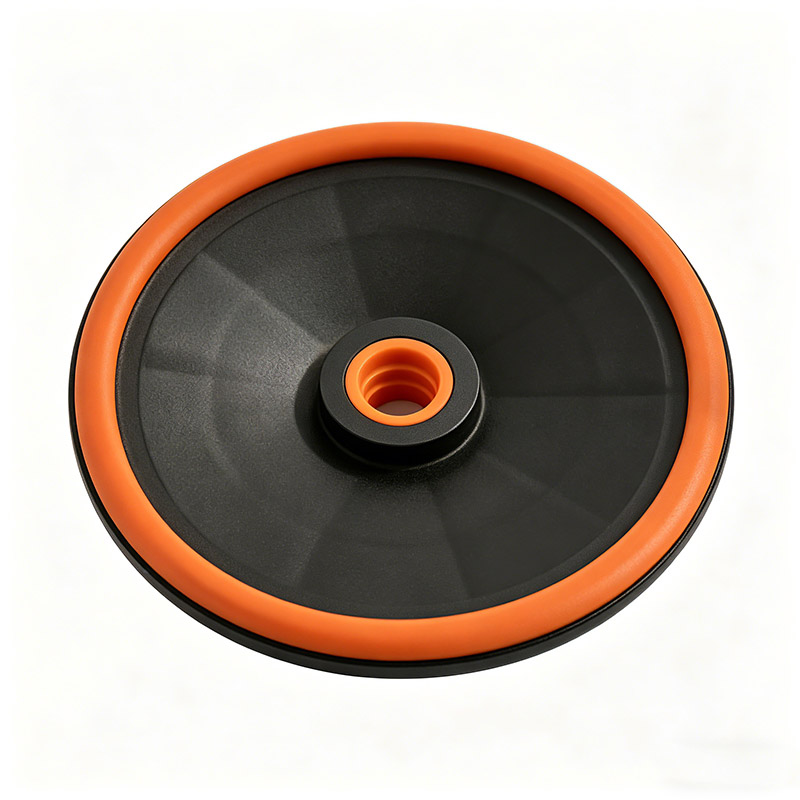
Overmolding combines a softer material with a rigid substrate to create one integrated component. TPE, TPU or selected rubber compounds can be molded over plastic, metal or other prepared inserts to improve grip, cushioning, sealing, insulation or surface protection. Reliable overmolding depends on more than placing one material over another. The substrate, elastomer, interface geometry, mold, loading method and process conditions must work together. Shenyue reviews these factors before tooling and validates the finished interface through samples and agreed functional checks.
  • Soft-touch or functional elastomer molded over plastic, metal or prepared inserts.
  • Material compatibility reviewed around temperature, chemicals, loads and service life.
  • Mechanical retention and bonding features considered before tool design
  • Shutoffs, exposed surfaces and substrate support planned to control flash and deformation.
  • Manual loading, fixtures or automation evaluated according to volume and cycle economics.
  • Sample validation for coverage, adhesion, dimensions, fit and functional performance.

What Is Overmolding?

Overmolding is a manufacturing process in which one material is molded over another base component to form a single integrated part. The substrate is produced or prepared first, then placed in a mold where a second material is added around selected surfaces.

The rigid substrate may provide structure, dimensional stability or load-bearing strength. The overmolded layer may provide grip, cushioning, sealing, impact protection, insulation or a more comfortable surface for the user.

Depending on the application, the substrate may be plastic, metal or another preformed component. The overmold may be a thermoplastic elastomer, TPU, rubber compound or another compatible material selected for the required performance.

What Overmolding Can Achieve

Overmolding is often considered when a product needs the properties of two materials in one component. A soft layer can reduce slip on a handle, cushion impact on a housing, protect an exposed edge or create a local seal around an interface.

The process can also consolidate components that would otherwise require adhesive bonding, separate gaskets or mechanical assembly. This may reduce part count and simplify handling, but the benefit should be evaluated against tooling complexity, material compatibility, loading requirements and production volume.

The best overmold is not simply the softest or thickest layer. Thickness, coverage, hardness, texture, exposed areas and transition geometry should all be linked to how the finished part will be used.

Bonding Is a Design Decision

Some material combinations can develop useful chemical adhesion under suitable processing conditions. Others require mechanical retention features such as holes, grooves, ribs, undercuts or dovetail-style locks.

Chemical bonding should not be assumed from a general material name. The exact grades, surface condition, preparation method, mold temperature and service environment can all affect the result. Contamination, moisture, release agents, plating or oxidation may reduce adhesion.

For this reason, the interface should be designed around the real load and environment. Depending on the application, samples may need peel, pull, torque, leak, fit or repeated-use testing. A successful visual bond line alone does not prove long-term performance.

Designing the Substrate and Interface

The substrate must be strong and stable enough to withstand molding temperature, pressure and handling. Weak walls, unsupported edges or poorly located features may move, deform or become marked during the overmolding cycle.

The tool should locate the substrate accurately and support the areas that carry molding pressure. Datum surfaces, locating pins, support points and loading orientation are considered together with the final part geometry.

The interface should also define which surfaces must remain exposed. Threads, electrical contacts, cosmetic faces, mounting holes and assembly features may require shutoffs, masks or dedicated support. These areas should be identified clearly on the drawing before tooling begins.

Tooling, Loading and Process Control

Overmolding tools must control material flow while holding the substrate in the correct position. Gate location, venting, shutoffs, cooling and ejection all influence coverage, flash, appearance and release.

Low or moderate volumes may use controlled manual loading. Higher volumes may justify a fixture, poka-yoke feature or automated loading method. The appropriate approach depends on the substrate shape, orientation, cavity count, cycle time and labor requirements.

During sampling, the process is reviewed for incomplete coverage, trapped air, flash, substrate movement, edge lifting, visible marks and inconsistent thickness. Adjustments should be traced to the design, tool or process so that a cosmetic symptom is not mistaken for the underlying cause.

Sampling and Validation

Samples should be evaluated against the purpose of the overmold. A grip application may require slip or repeated-use checks. A sealing application may require leak or compression testing. A protective layer may require impact, abrasion or environmental evaluation.

Typical sample checks may include:

  • Overmold coverage and material placement.
  • Substrate position and exposed-surface condition.
  • Dimensions, thickness and assembly fit.
  • Flash, edge lifting and cosmetic appearance.
  • Peel, pull, torque, leak or other agreed interface tests.
  • Performance after repeated handling or environmental exposure.

The customer and manufacturer should agree on the acceptance method before routine production. For safety-critical, medical, electrical or regulated applications, customer-defined standards and validation remain necessary.

What to Define Before Quotation

A useful quotation begins with both the substrate and overmold requirements. Please provide, where available:

  • 3D models and controlled 2D drawings for both components.
  • Substrate material, grade, finish, plating and surface condition.
  • Overmold material preference, hardness, color and texture.
  • Interface geometry and any mechanical retention features.
  • Surfaces that must remain free of elastomer.
  • Loads, movement, temperature, chemicals, moisture and UV exposure.
  • Required dimensions, appearance standards and functional tests.
  • Expected order quantity, annual demand and target production timing.

These details help the engineering team separate fixed requirements from preferences and identify open decisions before they affect cost or schedule. The immediate goal is a durable, repeatable interface between the substrate and the molded elastomer layer.

Risk Review and Quality Planning

Project planning should address weak adhesion, substrate deformation, contamination, trapped air, incomplete fill, edge lifting, flash, variable thickness and material incompatibility.

Not every characteristic requires the same inspection effort. The quality plan should focus on features that affect fit, function, appearance or downstream assembly. Depending on the project, controls may include:

  • Substrate identity and incoming condition.
  • Insert or substrate placement.
  • Overmold coverage and thickness.
  • Exposed surfaces and cosmetic zones.
  • Dimensions and assembly interfaces.
  • Adhesion, pull, torque, leak or functional testing.
  • Reference samples, sampling frequency and reporting requirements.

Measurement methods and acceptance criteria should be agreed before repeat production. This creates a visible control plan for the features that matter most without implying that every characteristic can be controlled in exactly the same way.

The Value of an Integrated Manufacturing Route

Shenyue can connect material compatibility review, substrate sourcing or molding, overmold tooling, molding, inspection and assembly validation within one project route.

This connection matters because a decision in one stage often changes the next. Material affects processing and adhesion. Tooling affects release, flash and appearance. Substrate preparation affects bonding. Assembly and packaging can expose issues that are not visible on an individual component.

Keeping technical questions, sample feedback and revisions together reduces avoidable handoffs. It also gives buyers a more practical path from initial files to an approved production baseline and, when applicable, repeat-order support.

Typical Applications / Project Fit

Overmolding may be suitable for:

  • Tool handles and ergonomic grips.
  • Knobs, switches and control components.
  • Protective edges, feet and bumpers.
  • Seals, gaskets and local sealing features.
  • Sensor housings and electronic enclosures.
  • Automotive and industrial components.
  • Consumer products requiring soft-touch surfaces.
  • Components combining structural strength with cushioning or insulation.

Feasibility depends on the material pair, interface design, substrate stability, overmold thickness, undercuts, cosmetic requirements, service conditions and production volume.

자주 묻는 질문

Will the rubber or TPE bond permanently?

Not automatically. Performance depends on the exact material grades, surface condition, interface design, environment and applied load. Mechanical retention and application-specific testing may be required.

Can an existing rigid part be overmolded?

Possibly, if the part can be located and supported in the tool and can withstand molding temperature and pressure. Drawings, samples and substrate specifications should be reviewed first.

Which substrate materials can be overmolded?

Plastic, metal and other prepared substrates may be considered. Suitability depends on heat resistance, dimensional stability, surface condition, chemical compatibility and the required bonding or retention method.

Is overmolding the same as insert molding?

They are related but not identical. Insert molding commonly places a preformed insert in a tool and molds plastic or rubber around it. Overmolding emphasizes adding a second material or functional layer over a substrate.

What tests are recommended for an overmolded part?

The test method depends on the application. Possible checks include peel, pull, torque, leak, fit, slip, impact, abrasion or repeated-use testing. The acceptance method should be defined before production.

Provide the substrate and overmold models, material information, expected quantity and the load or environment at the interface. Mark every surface that must remain free of elastomer, and identify any areas where adhesion, sealing, grip or appearance is critical.

서비스

플라스틱 사출 성형1

플라스틱 사출 성형

Turn a plastic part design into a repeatable production process. Shenyue supports moldable-part review, tooling, sampling, injection molding and optional finishing so that design decisions, process settings and acceptance requirements stay connected.
더 알아보기
DSC05261

인서트 몰딩

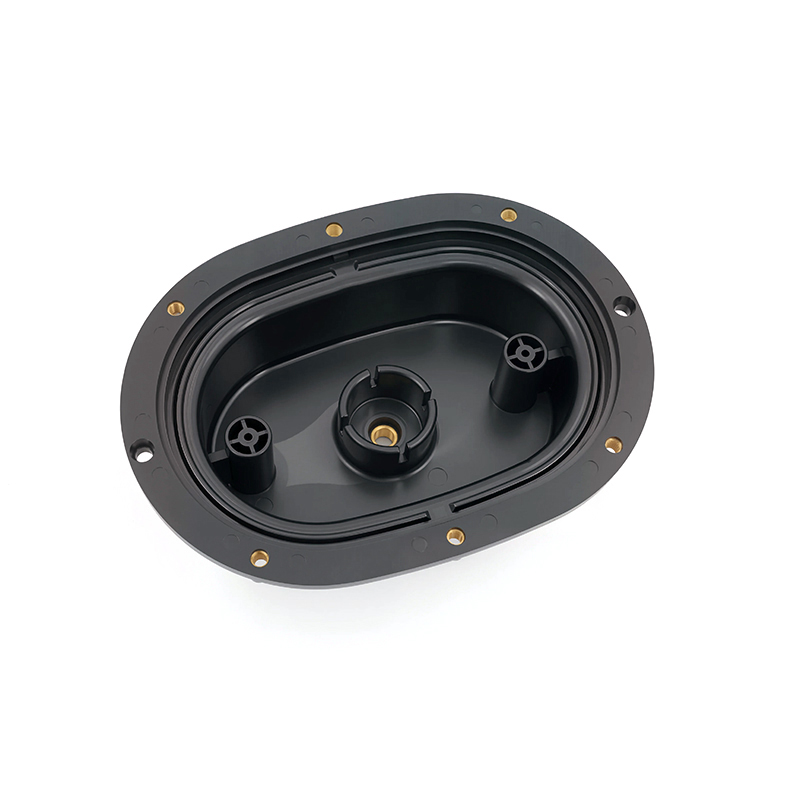
Insert molding places a prepared component in the tool and molds plastic around it in one controlled cycle. It can replace later assembly steps and create a compact, integrated part—when the insert, plastic and mold are designed to work together.
더 알아보기
5

Family and Multi-Cavity Molding

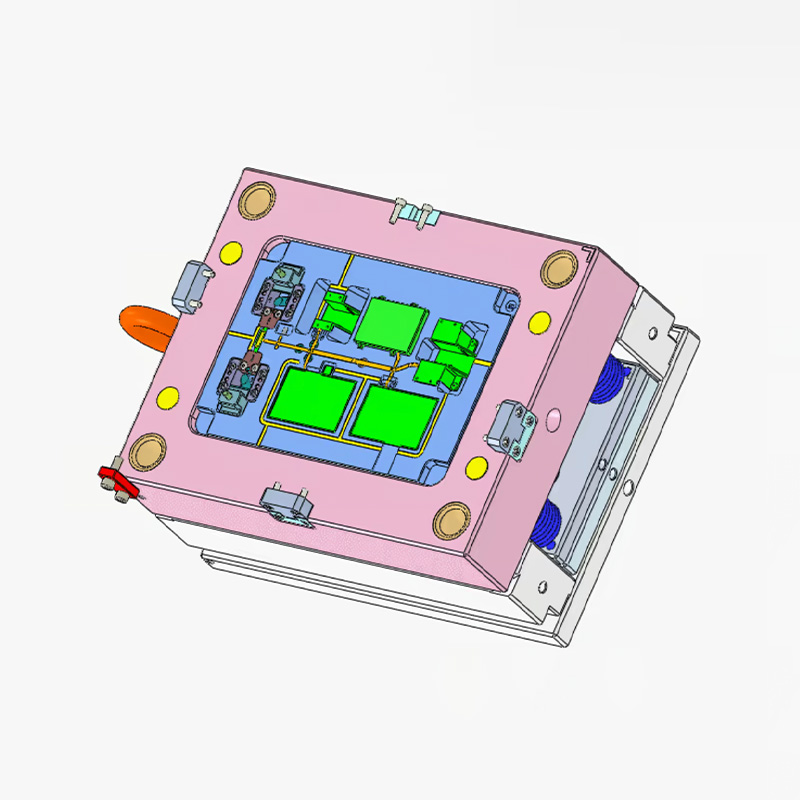
Produce more than one part per molding cycle with a tool designed around the real production mix. Multi-cavity molds repeat one part; family molds combine different parts. Both can improve output, but only when flow balance, demand and quality requirements support the choice.
더 알아보기
12

보조 작업

A molded part is not always a finished product. Shenyue can coordinate selected decoration, machining, assembly and packaging steps after molding, with requirements defined around the final part rather than treated as separate afterthoughts.
더 알아보기

블로그

더 보기

30/ 6월

당사의 새로운 제조 시설이 가동을 시작했습니다. 이는 생산 능력과 효율성 면에서 큰 진전입니다.

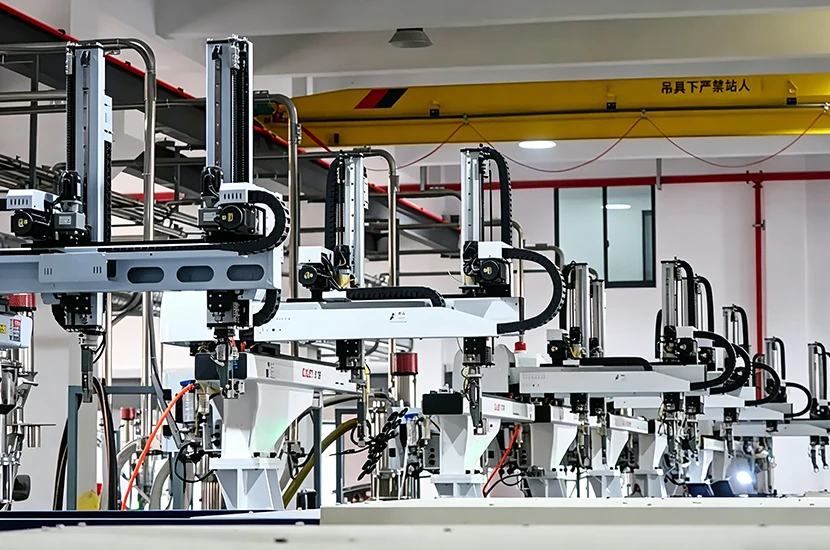
당사의 새로운 제조 시설이 공식적으로 가동을 시작했음을 자랑스럽게 발표합니다. 이번 시설 개선에는 총 6천만 위안 이상이 투자되었으며, 이는 당사의 지속적인 성장과 고품질 생산에 대한 노력에 있어 중요한 이정표가 될 것입니다. 새 공장에는 Haitian International사의 최신 사출 성형기 23대가 설치되었으며, 최대 850톤의 클램핑력을 통해 최대 3,000g의 플라스틱 부품을 생산할 수 있습니다. 이는 다양한 산업 분야에서 사용되는 더 크고 복잡한 제품을 생산할 수 있는 역량을 크게 향상시켜 줍니다. 생산 안정성과 효율성을 더욱 향상시키기 위해 작업장 전체에 중앙 집중식 자재 공급 시스템을 도입했습니다. 이 시스템은 일관된 자재 공급을 보장하고, 수작업을 줄이며, 오염이나 인적 오류의 위험을 최소화합니다. 또한, 모든 기계에는 자동 로봇 팔이 장착되어 완전 자동화된 생산 공정이 가능해졌습니다. 이는 생산 효율성을 향상시킬 뿐만 아니라 모든 배치에서 더욱 뛰어난 일관성과 정밀도를 보장합니다. 이러한 업그레이드를 통해 다음과 같은 기능을 사용할 수 있게 되었습니다. (1) 생산능력 증대 및 리드타임 단축 (2) 대량 주문 시에도 안정적인 제품 품질을 유지합니다. (3) 보다 복잡하고 대규모의 맞춤형 프로젝트를 지원합니다. (4) 보다 신뢰할 수 있는 OEM 및 ODM 제조 솔루션을 제공합니다. 이번 신규 시설 투자는 첨단 장비 및 스마트 제조에 대한 당사의 장기적인 의지를 반영합니다. 이러한 개선을 통해 당사는 더욱 효율적이고 유연하며 일관된 품질로 전 세계 고객에게 더 나은 서비스를 제공할 수 있을 것이라고 확신합니다.
더 알아보기
블로그1

15/ 10월

자체 금형 제작 시설을 갖춘 사출 성형 제조업체를 선택하는 것이 권장되는 이유는 무엇일까요?

사출 성형 업체를 선정할 때 가격, 납기, 소통 등의 요소가 중요하게 고려되는 경우가 많습니다. 하지만 해당 업체가 자체 금형 제작 시설을 보유하고 있는지 여부 또한 프로젝트 결과에 상당한 영향을 미칠 수 있는 중요한 고려 사항입니다. 1. 개발 효율성 향상 자체 금형 제작소를 보유한 제조업체는 금형 설계, 가공 및 수정 등 전체 공정을 내부적으로 관리할 수 있습니다. 이 통합 워크플로는 다음과 같은 이점을 제공합니다. (1) 제3자 공급업체에 대한 의존도를 줄인다 (2) 의사소통 주기 단축 (3) 금형 개발 및 수정 프로세스 가속화 그 결과, 전반적인 프로젝트 일정은 일반적으로 더 예측 가능하고 효율적입니다. 2. 금형 품질 관리 개선 사출 성형 제품의 품질은 금형의 정밀도와 상태에 크게 좌우됩니다. 금형 제작을 외주할 경우, 표준의 차이와 의사소통의 단절로 인해 일관성이 떨어질 수 있습니다. 반면, 사내 금형 제작소를 운영하면 다음과 같은 이점을 누릴 수 있습니다. (1)제조 공정의 직접 감독 (2) 일관된 품질 기준 (3) 설계 조정의 용이한 구현 이는 생산 성능의 안정성을 높이고 불량률을 낮추는 데 기여합니다. 3. 생산 중 문제 해결 속도 향상 금형 시험 및 양산 과정에서 치수 편차, 표면 결함 또는 변형과 같은 문제가 발생할 수 있습니다. 자체 역량을 갖춘 제조업체는 다음과 같은 이점을 누릴 수 있습니다. (1) 근본 원인을 더 빠르게 파악합니다 (2) 용접, 연마 또는 구조 변경 등의 조정을 적시에 수행한다. (3) 생산 중 가동 중지 시간을 최소화합니다. 이는 특히 여러 번의 반복 작업이 필요하거나 마감 기한이 촉박한 프로젝트에 중요합니다. 4. 잠재적인 장기적 비용 절감 효과 초기 금형 비용은 크게 차이가 나지 않을 수 있지만, 사내 금형 설비를 보유하면 장기적으로 비용 효율성을 높일 수 있습니다. (1) 지연 및 반복 수정 감소 (2) 통신 및 물류 비용 절감 (3) 적절한 유지보수를 통한 금형 수명 연장 이러한 요소들은 프로젝트의 전반적인 비용 효율성을 향상시키는 데 도움이 될 수 있습니다. 5. 보다 체계적인 곰팡이 관리 금형 전용 작업장을 보유한 제조업체는 다음과 같은 체계적인 금형 관리 방식을 시행하는 경우가 많습니다. (1) 명확한 식별 및 추적 시스템 (2)체계적인 보관 및 유지 관리 절차 (3)반복 생산 주문에 대한 더 빠른 응답 이렇게 하면 금형이 양호한 상태로 유지되고 필요할 때 언제든지 쉽게 사용할 수 있습니다. 결론 사출 성형 업체를 선정할 때는 생산 능력만 평가하는 것 이상의 고려 사항이 있습니다. 자체 금형 제작 시설을 보유하고 있으면 효율성, 품질 관리, 장기적인 프로젝트 안정성 측면에서 이점을 얻을 수 있습니다. 정확성, 유연성 및 지속적인 지원이 요구되는 프로젝트의 경우, 이러한 요소는 공급업체 선정에 중요한 기준이 될 수 있습니다.  
더 알아보기
블로그 6

15/ 4월

곰팡이 관리 시스템 업그레이드 – 3개월 만에 1,500개 이상의 곰팡이 재정비 완료

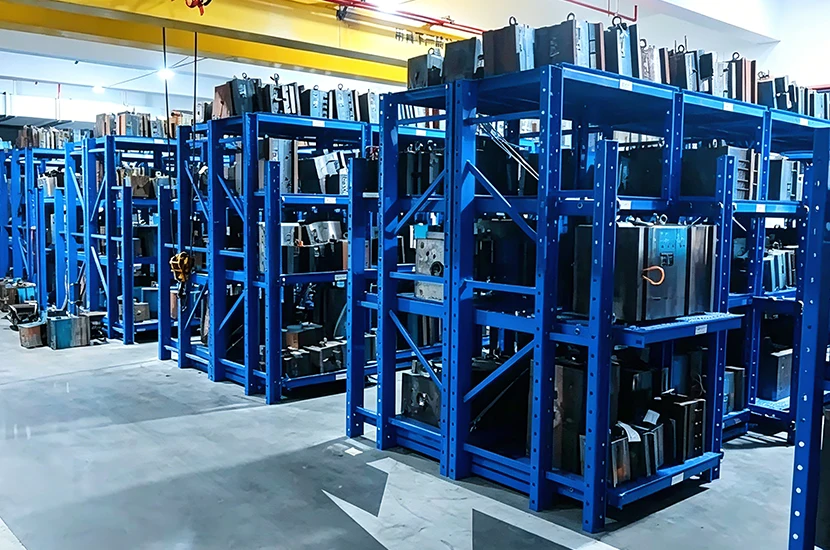
지난 3개월 동안 저희 팀은 금형 창고 관리 시스템을 전면적으로 업그레이드했습니다. 이는 효율성, 추적성 및 장기적인 서비스 품질 향상을 위한 필수적인 단계입니다. 본 프로젝트를 통해 당사는 전체 금형 재고를 체계적으로 재정비했습니다. 각 금형에는 새로운 라벨과 코드가 부착되었으며, 추적 및 관리가 용이하도록 표준화된 식별판을 사용하여 명확한 보관 위치가 지정되었습니다. 총 1,500개 이상의 금형이 재등록되어 업그레이드된 창고 시스템에 적절하게 보관되었습니다. 이러한 과정을 통해 내부 효율성이 향상될 뿐만 아니라 고객의 반복 주문에 더욱 신속하고 정확하게 대응할 수 있게 됩니다. 또한, 보관 중인 모든 비활성 금형을 검토하고 장기간 사용되지 않은 500개 이상의 폐기된 금형을 처리했습니다. 이를 통해 창고 공간을 최적화하고 더욱 체계적이고 효율적인 보관 환경을 유지할 수 있었습니다. 모든 고객에게 최대 5년간 무료 금형 보관 서비스를 제공한다는 점을 강조하고 싶습니다. 이 기간 동안 금형은 세심하게 관리되며 향후 생산에 사용할 수 있도록 보관됩니다. 단, 금형이 5년 이상 사용되지 않은 경우, 고객과의 별도 합의 또는 특별 지시가 없는 한 폐기 절차를 진행합니다. 이번 업그레이드를 통해 다음과 같은 기능을 사용할 수 있게 되었습니다. (1) 금형 추적성 및 관리 효율성 향상 (2) 반복 생산에 대한 더 빠른 응답을 보장합니다. (3)창고 공간 및 조직 최적화 (4) 보다 신뢰할 수 있는 장기 금형 보관 서비스를 제공합니다. 금형 관리가 잘 되어 있다면 안정적인 생산과 장기적인 협력의 기반이 된다고 생각합니다. 이번 업그레이드는 당사가 전 세계 파트너들에게 제조 서비스뿐 아니라 전문적이고 책임감 있는 금형 관리 서비스까지 제공하겠다는 의지를 보여주는 것입니다.
더 알아보기
블로그 7
문의하기

세심하고 특별한 서비스를 즐겨보세요

문의사항, 협력 의향, 또는 의견 제안이 있으시다면 언제든지 온라인으로 연락 주십시오. 저희 전문팀은 신속한 답변과 철저한 후속 조치를 통해 고객 한 분 한 분께 세심한 맞춤형 서비스를 제공합니다. 사려 깊은 서비스 정신과 효율적인 신뢰성을 바탕으로 고객 여러분의 니즈를 끝까지 책임지고 충족시켜 드리겠습니다. 진심 어린 소통과 상호 이익이 되는 협력을 기대합니다!

    이름 *

    이메일 *

    전화번호

    왓츠앱

    어느 국가/지역에 거주하십니까? *

    웹사이트/파일 공유 링크

    또는 제품 도면을 업로드하세요(최대: 10MB).

    의견 또는 제품 메시지 *

    제품
    콘택트 렌즈
    왓츠앱
    이메일