لا كرامة، قبل أن تكون scelerisque هي الكراهية الحقيقية دائمًا ما يكون عصرًا، وهو فيوجيات ليو أورنا إيجيت إيروس. دويس اينيان قصة شعر من أجل الضحك.

الخدمة 13
الخدمة 13

التغليف بالقولبة

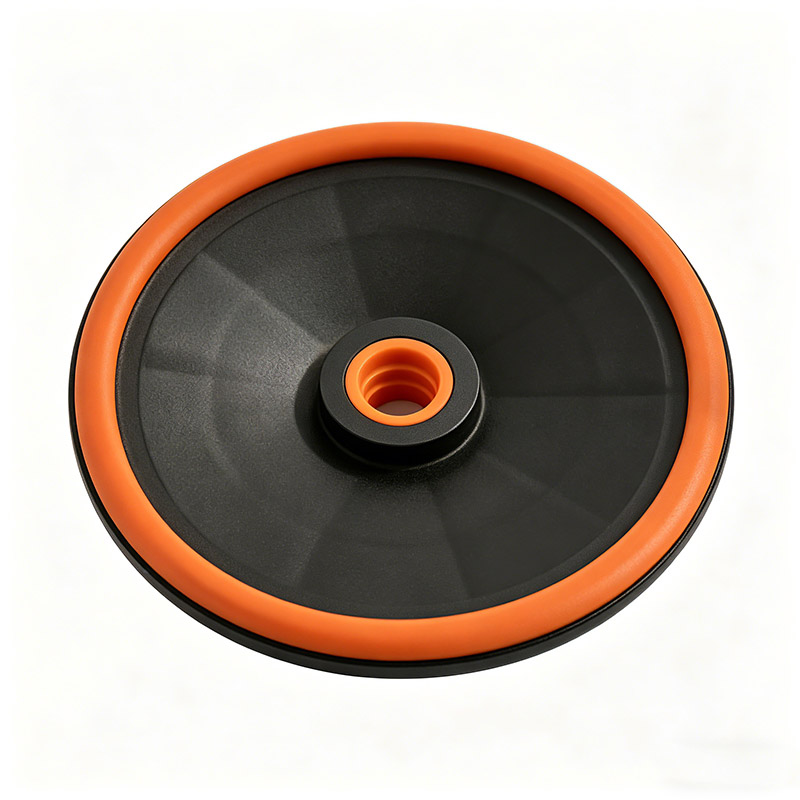
Overmolding combines a softer material with a rigid substrate to create one integrated component. TPE, TPU or selected rubber compounds can be molded over plastic, metal or other prepared inserts to improve grip, cushioning, sealing, insulation or surface protection. Reliable overmolding depends on more than placing one material over another. The substrate, elastomer, interface geometry, mold, loading method and process conditions must work together. Shenyue reviews these factors before tooling and validates the finished interface through samples and agreed functional checks.
  • Soft-touch or functional elastomer molded over plastic, metal or prepared inserts.
  • Material compatibility reviewed around temperature, chemicals, loads and service life.
  • Mechanical retention and bonding features considered before tool design
  • Shutoffs, exposed surfaces and substrate support planned to control flash and deformation.
  • Manual loading, fixtures or automation evaluated according to volume and cycle economics.
  • Sample validation for coverage, adhesion, dimensions, fit and functional performance.

What Is Overmolding?

Overmolding is a manufacturing process in which one material is molded over another base component to form a single integrated part. The substrate is produced or prepared first, then placed in a mold where a second material is added around selected surfaces.

The rigid substrate may provide structure, dimensional stability or load-bearing strength. The overmolded layer may provide grip, cushioning, sealing, impact protection, insulation or a more comfortable surface for the user.

Depending on the application, the substrate may be plastic, metal or another preformed component. The overmold may be a thermoplastic elastomer, TPU, rubber compound or another compatible material selected for the required performance.

What Overmolding Can Achieve

Overmolding is often considered when a product needs the properties of two materials in one component. A soft layer can reduce slip on a handle, cushion impact on a housing, protect an exposed edge or create a local seal around an interface.

The process can also consolidate components that would otherwise require adhesive bonding, separate gaskets or mechanical assembly. This may reduce part count and simplify handling, but the benefit should be evaluated against tooling complexity, material compatibility, loading requirements and production volume.

The best overmold is not simply the softest or thickest layer. Thickness, coverage, hardness, texture, exposed areas and transition geometry should all be linked to how the finished part will be used.

Bonding Is a Design Decision

Some material combinations can develop useful chemical adhesion under suitable processing conditions. Others require mechanical retention features such as holes, grooves, ribs, undercuts or dovetail-style locks.

Chemical bonding should not be assumed from a general material name. The exact grades, surface condition, preparation method, mold temperature and service environment can all affect the result. Contamination, moisture, release agents, plating or oxidation may reduce adhesion.

For this reason, the interface should be designed around the real load and environment. Depending on the application, samples may need peel, pull, torque, leak, fit or repeated-use testing. A successful visual bond line alone does not prove long-term performance.

Designing the Substrate and Interface

The substrate must be strong and stable enough to withstand molding temperature, pressure and handling. Weak walls, unsupported edges or poorly located features may move, deform or become marked during the overmolding cycle.

The tool should locate the substrate accurately and support the areas that carry molding pressure. Datum surfaces, locating pins, support points and loading orientation are considered together with the final part geometry.

The interface should also define which surfaces must remain exposed. Threads, electrical contacts, cosmetic faces, mounting holes and assembly features may require shutoffs, masks or dedicated support. These areas should be identified clearly on the drawing before tooling begins.

Tooling, Loading and Process Control

Overmolding tools must control material flow while holding the substrate in the correct position. Gate location, venting, shutoffs, cooling and ejection all influence coverage, flash, appearance and release.

Low or moderate volumes may use controlled manual loading. Higher volumes may justify a fixture, poka-yoke feature or automated loading method. The appropriate approach depends on the substrate shape, orientation, cavity count, cycle time and labor requirements.

During sampling, the process is reviewed for incomplete coverage, trapped air, flash, substrate movement, edge lifting, visible marks and inconsistent thickness. Adjustments should be traced to the design, tool or process so that a cosmetic symptom is not mistaken for the underlying cause.

Sampling and Validation

Samples should be evaluated against the purpose of the overmold. A grip application may require slip or repeated-use checks. A sealing application may require leak or compression testing. A protective layer may require impact, abrasion or environmental evaluation.

Typical sample checks may include:

  • Overmold coverage and material placement.
  • Substrate position and exposed-surface condition.
  • Dimensions, thickness and assembly fit.
  • Flash, edge lifting and cosmetic appearance.
  • Peel, pull, torque, leak or other agreed interface tests.
  • Performance after repeated handling or environmental exposure.

The customer and manufacturer should agree on the acceptance method before routine production. For safety-critical, medical, electrical or regulated applications, customer-defined standards and validation remain necessary.

What to Define Before Quotation

A useful quotation begins with both the substrate and overmold requirements. Please provide, where available:

  • 3D models and controlled 2D drawings for both components.
  • Substrate material, grade, finish, plating and surface condition.
  • Overmold material preference, hardness, color and texture.
  • Interface geometry and any mechanical retention features.
  • Surfaces that must remain free of elastomer.
  • Loads, movement, temperature, chemicals, moisture and UV exposure.
  • Required dimensions, appearance standards and functional tests.
  • Expected order quantity, annual demand and target production timing.

These details help the engineering team separate fixed requirements from preferences and identify open decisions before they affect cost or schedule. The immediate goal is a durable, repeatable interface between the substrate and the molded elastomer layer.

Risk Review and Quality Planning

Project planning should address weak adhesion, substrate deformation, contamination, trapped air, incomplete fill, edge lifting, flash, variable thickness and material incompatibility.

Not every characteristic requires the same inspection effort. The quality plan should focus on features that affect fit, function, appearance or downstream assembly. Depending on the project, controls may include:

  • Substrate identity and incoming condition.
  • Insert or substrate placement.
  • Overmold coverage and thickness.
  • Exposed surfaces and cosmetic zones.
  • Dimensions and assembly interfaces.
  • Adhesion, pull, torque, leak or functional testing.
  • Reference samples, sampling frequency and reporting requirements.

Measurement methods and acceptance criteria should be agreed before repeat production. This creates a visible control plan for the features that matter most without implying that every characteristic can be controlled in exactly the same way.

The Value of an Integrated Manufacturing Route

Shenyue can connect material compatibility review, substrate sourcing or molding, overmold tooling, molding, inspection and assembly validation within one project route.

This connection matters because a decision in one stage often changes the next. Material affects processing and adhesion. Tooling affects release, flash and appearance. Substrate preparation affects bonding. Assembly and packaging can expose issues that are not visible on an individual component.

Keeping technical questions, sample feedback and revisions together reduces avoidable handoffs. It also gives buyers a more practical path from initial files to an approved production baseline and, when applicable, repeat-order support.

Typical Applications / Project Fit

Overmolding may be suitable for:

  • Tool handles and ergonomic grips.
  • Knobs, switches and control components.
  • Protective edges, feet and bumpers.
  • Seals, gaskets and local sealing features.
  • Sensor housings and electronic enclosures.
  • Automotive and industrial components.
  • Consumer products requiring soft-touch surfaces.
  • Components combining structural strength with cushioning or insulation.

Feasibility depends on the material pair, interface design, substrate stability, overmold thickness, undercuts, cosmetic requirements, service conditions and production volume.

الأسئلة الشائعة

Will the rubber or TPE bond permanently?

Not automatically. Performance depends on the exact material grades, surface condition, interface design, environment and applied load. Mechanical retention and application-specific testing may be required.

Can an existing rigid part be overmolded?

Possibly, if the part can be located and supported in the tool and can withstand molding temperature and pressure. Drawings, samples and substrate specifications should be reviewed first.

Which substrate materials can be overmolded?

Plastic, metal and other prepared substrates may be considered. Suitability depends on heat resistance, dimensional stability, surface condition, chemical compatibility and the required bonding or retention method.

Is overmolding the same as insert molding?

They are related but not identical. Insert molding commonly places a preformed insert in a tool and molds plastic or rubber around it. Overmolding emphasizes adding a second material or functional layer over a substrate.

What tests are recommended for an overmolded part?

The test method depends on the application. Possible checks include peel, pull, torque, leak, fit, slip, impact, abrasion or repeated-use testing. The acceptance method should be defined before production.

Provide the substrate and overmold models, material information, expected quantity and the load or environment at the interface. Mark every surface that must remain free of elastomer, and identify any areas where adhesion, sealing, grip or appearance is critical.

خدمات

قولبة حقن البلاستيك 1

قولبة حقن البلاستيك

Turn a plastic part design into a repeatable production process. Shenyue supports moldable-part review, tooling, sampling, injection molding and optional finishing so that design decisions, process settings and acceptance requirements stay connected.
يتعلم أكثر
DSC05261

قالب الإدخال

Insert molding places a prepared component in the tool and molds plastic around it in one controlled cycle. It can replace later assembly steps and create a compact, integrated part—when the insert, plastic and mold are designed to work together.
يتعلم أكثر
5

Family and Multi-Cavity Molding

Produce more than one part per molding cycle with a tool designed around the real production mix. Multi-cavity molds repeat one part; family molds combine different parts. Both can improve output, but only when flow balance, demand and quality requirements support the choice.
يتعلم أكثر
12

العمليات الثانوية

A molded part is not always a finished product. Shenyue can coordinate selected decoration, machining, assembly and packaging steps after molding, with requirements defined around the final part rather than treated as separate afterthoughts.
يتعلم أكثر

30/ يونيو

أصبح مصنعنا الجديد جاهزاً للعمل الآن – وهي خطوة كبيرة إلى الأمام في القدرة الإنتاجية والكفاءة.

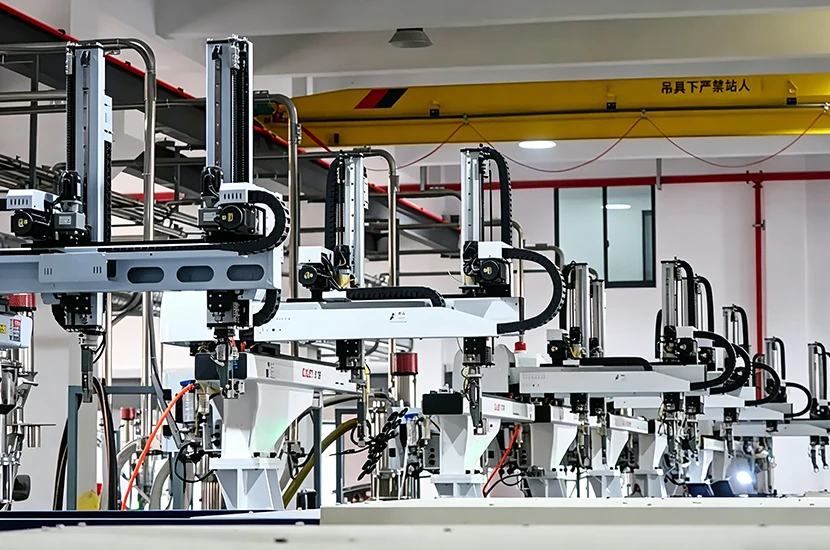
يسرّنا أن نعلن عن بدء تشغيل مصنعنا الجديد رسمياً. يُمثّل هذا التحديث استثماراً إجمالياً يزيد عن 60 مليون يوان صيني، ويُعدّ علامة فارقة في مسيرة نمونا المستمر والتزامنا بتقديم إنتاج عالي الجودة. تم تجهيز المصنع الجديد بـ 23 ماكينة حقن بلاستيك حديثة من شركة هايتيان إنترناشونال، بقوة إغلاق قصوى تبلغ 850 طنًا، مما يُمكّننا من إنتاج قطع بلاستيكية يصل وزنها إلى 3000 غرام. وهذا يُعزز بشكل كبير قدرتنا على التعامل مع منتجات أكبر وأكثر تعقيدًا لمجموعة واسعة من الصناعات. لتحسين استقرار الإنتاج وكفاءته، قمنا بتطبيق نظام مركزي لتغذية المواد في جميع أنحاء ورشة العمل. يضمن هذا النظام إمدادًا مستمرًا بالمواد، ويقلل من المناولة اليدوية، ويحد من مخاطر التلوث أو الخطأ البشري. بالإضافة إلى ذلك، تم تجهيز جميع الآلات الآن بأذرع روبوتية آلية، مما يسمح بعمليات إنتاج مؤتمتة بالكامل. وهذا لا يحسن كفاءة الإنتاج فحسب، بل يضمن أيضًا اتساقًا ودقة أفضل في كل دفعة. بفضل هذه التحديثات، أصبحنا قادرين على: (1) زيادة الطاقة الإنتاجية وتقصير فترات التسليم (2) الحفاظ على جودة منتج ثابتة عبر الطلبات ذات الأحجام الكبيرة (3) دعم المشاريع المخصصة الأكثر تعقيدًا والأوسع نطاقًا (4) توفير حلول تصنيع أكثر موثوقية من قبل مصنعي المعدات الأصلية (OEM) ومصنعي التصميم الأصلي (ODM). يعكس هذا المرفق الجديد التزامنا طويل الأمد بالاستثمار في المعدات المتطورة والتصنيع الذكي. ونعتقد أن هذه التحسينات ستمكننا من خدمة عملائنا العالميين بشكل أفضل بكفاءة أعلى ومرونة أكبر وجودة ثابتة.
يتعلم أكثر
المدونة 1

15/ أكتوبر

لماذا يُنصح باختيار شركة تصنيع قوالب الحقن التي تمتلك ورشة قوالب داخلية؟

عند اختيار شركة تصنيع قوالب الحقن، تُعطى الأولوية عادةً لعوامل مثل السعر، ومدة التسليم، والتواصل. ومع ذلك، يُعدّ وجود ورشة قوالب داخلية لدى الشركة المصنعة عاملاً بالغ الأهمية، إذ يُمكن أن يؤثر بشكل كبير على نتائج المشروع. 1. تحسين كفاءة التطوير تستطيع الشركات المصنعة التي تمتلك ورش عمل داخلية لتصنيع القوالب إدارة العملية بأكملها داخليًا، بما في ذلك تصميم القوالب وتصنيعها وتعديلها. تساعد هذه الآلية المتكاملة للعمل على: (1) تقليل الاعتماد على الموردين الخارجيين (2) تقصير دورات الاتصال (3) تسريع عمليات تطوير القوالب ومراجعتها ونتيجة لذلك، تكون الجداول الزمنية الإجمالية للمشروع عادةً أكثر قابلية للتنبؤ وأكثر كفاءة. 2. تحسين التحكم في جودة العفن ترتبط جودة المنتجات المصنعة بالحقن ارتباطًا وثيقًا بدقة وحالة القالب. عندما يتم الاستعانة بمصادر خارجية لإنتاج القوالب، قد تؤدي الاختلافات في المعايير وفجوات التواصل إلى عدم اتساق النتائج. في المقابل، تتيح ورش تصنيع القوالب الداخلية ما يلي: (1) الإشراف المباشر على عمليات التصنيع (2) معايير جودة متسقة (3) سهولة تنفيذ تعديلات التصميم يساهم ذلك في أداء إنتاجي أكثر استقراراً وانخفاض معدلات العيوب. 3. حل أسرع للمشاكل أثناء الإنتاج أثناء تجارب القوالب والإنتاج الضخم، قد تحدث مشكلات مثل الانحراف في الأبعاد، أو عيوب السطح، أو التشوه. بفضل الإمكانيات الداخلية، يمكن للمصنعين: (1) تحديد الأسباب الجذرية بسرعة أكبر (2) إجراء تعديلات مثل اللحام أو التلميع أو التعديل الهيكلي في الوقت المناسب (3) تقليل وقت التوقف أثناء الإنتاج يُعد هذا الأمر بالغ الأهمية بشكل خاص للمشاريع التي تتطلب تكرارات متعددة أو مواعيد نهائية ضيقة. 4. مزايا التكلفة المحتملة على المدى الطويل على الرغم من أن تكاليف القوالب الأولية قد لا تختلف بشكل كبير، إلا أن قدرات تصنيع القوالب داخل الشركة يمكن أن تساهم في كفاءة التكلفة بمرور الوقت من خلال: (1) تقليل التأخيرات والتعديلات المتكررة (2) خفض تكاليف الاتصالات والخدمات اللوجستية (3) إطالة عمر خدمة القالب من خلال الصيانة المناسبة يمكن أن تساعد هذه العوامل في تحسين فعالية التكلفة الإجمالية للمشروع. 5. إدارة أكثر تنظيماً للعفن غالباً ما يطبق المصنعون الذين لديهم ورش عمل مخصصة للقوالب ممارسات منهجية لإدارة القوالب، بما في ذلك: (1) أنظمة تعريف وتتبع واضحة (2) إجراءات التخزين والصيانة المنظمة (3) استجابة أسرع لطلبات الإنتاج المتكررة وهذا يضمن بقاء القوالب في حالة جيدة وتوفرها بسهولة عند الحاجة. خاتمة إن اختيار شركة تصنيع قوالب الحقن لا يقتصر على تقييم الطاقة الإنتاجية فحسب، بل إن وجود ورشة عمل داخلية لتصنيع القوالب يوفر مزايا في الكفاءة، ومراقبة الجودة، واستقرار المشروع على المدى الطويل. بالنسبة للمشاريع التي تتطلب الدقة والمرونة والدعم المستمر، يمكن أن يكون هذا العامل معيارًا مهمًا في اختيار الموردين.  
يتعلم أكثر
المدونة 6

15/ أبريل

تحديث نظام إدارة العفن لدينا – 3 أشهر، إعادة تنظيم أكثر من 1500 قالب

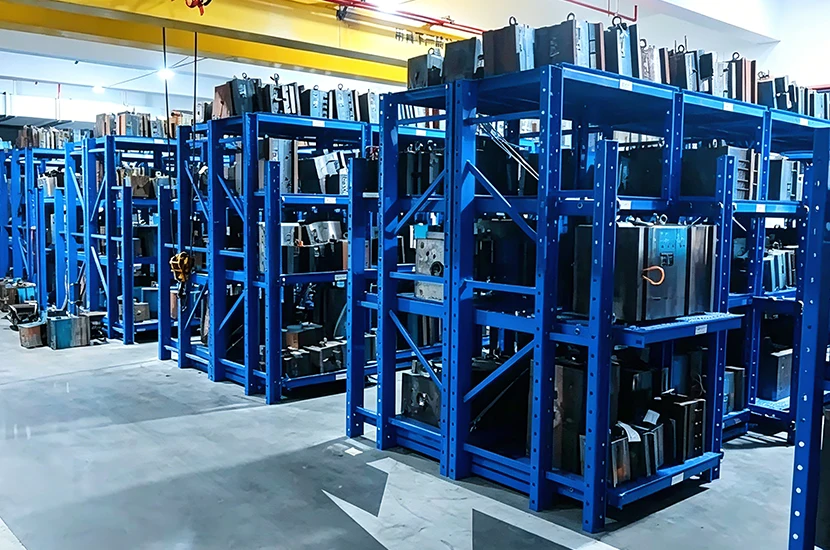
على مدار الأشهر الثلاثة الماضية، أكمل فريقنا عملية ترقية شاملة لنظام إدارة مستودع القوالب لدينا - وهي خطوة أساسية لتحسين الكفاءة وإمكانية التتبع وجودة الخدمة على المدى الطويل. خلال هذا المشروع، قمنا بإعادة تنظيم مخزون القوالب بالكامل بشكل منهجي. أُعيدت تسمية كل قالب وترميزه وتخصيص مكان تخزين واضح له، مع لوحات تعريف موحدة لتسهيل التتبع والإدارة. في المجمل، أُعيد تسجيل أكثر من 1500 قالب وتخزينها بشكل صحيح في نظام المستودعات المُطوّر لدينا. لا تعمل هذه العملية على تحسين الكفاءة الداخلية فحسب، بل تضمن أيضًا قدرتنا على الاستجابة بشكل أسرع وأكثر دقة للطلبات المتكررة من عملائنا. بالإضافة إلى ذلك، قمنا بمراجعة جميع القوالب غير النشطة في المخازن، وتعاملنا مع أكثر من 500 قالب مهجور لم يُستخدم لفترة طويلة. وقد ساعدنا ذلك على تحسين استخدام مساحة المستودع والحفاظ على بيئة تخزين أكثر تنظيمًا وكفاءة. تجدر الإشارة إلى أننا نوفر خدمة تخزين القوالب مجاناً لمدة تصل إلى 5 سنوات لجميع عملائنا. خلال هذه الفترة، تُصان القوالب بعناية وتبقى متاحة للإنتاج المستقبلي. ومع ذلك، إذا لم يتم استخدام القالب لأكثر من 5 سنوات، فسنقوم بالتخلص منه، ما لم يتم الاتفاق على خلاف ذلك أو تلقي تعليمات محددة من العميل. بفضل هذا التحديث، أصبحنا قادرين الآن على: (1) تحسين إمكانية تتبع العفن وكفاءة إدارته (2) ضمان استجابة أسرع للإنتاج المتكرر (3) تحسين مساحة المستودع وتنظيمه (4) توفير خدمات تخزين القوالب طويلة الأجل بشكل أكثر موثوقية نؤمن بأن إدارة القوالب بكفاءة هي أساس الإنتاج المستقر والتعاون طويل الأمد. ويعكس هذا التحديث التزامنا بتقديم خدمات التصنيع، بالإضافة إلى إدارة القوالب باحترافية ومسؤولية لشركائنا العالميين.
يتعلم أكثر
المدونة 7
اتصل بنا

استمتع بخدمة مميزة وحصرية

سواء كانت لديكم استفسارات، أو رغبة في التعاون، أو اقتراحات، فنحن متواجدون دائمًا لخدمتكم. يقدم فريقنا المحترف استجابة شخصية مدروسة، مع ردود سريعة ومتابعة دقيقة. بفضل خدمتنا المتميزة وموثوقيتنا العالية، نضمن تلبية احتياجاتكم على أكمل وجه. نتطلع إلى تواصل صادق وتعاون مثمر معكم!

    اسم *

    بريد إلكتروني *

    رقم الهاتف

    واتساب

    في أي بلد/منطقة تقيم؟ *

    رابط مشاركة الملفات / الموقع الإلكتروني

    أو قم بتحميل رسومات المنتج (بحد أقصى: 10 ميجابايت)

    تعليق أو رسالة عن المنتج *

    منتجات
    جهات الاتصال
    واتساب
    بريد إلكتروني