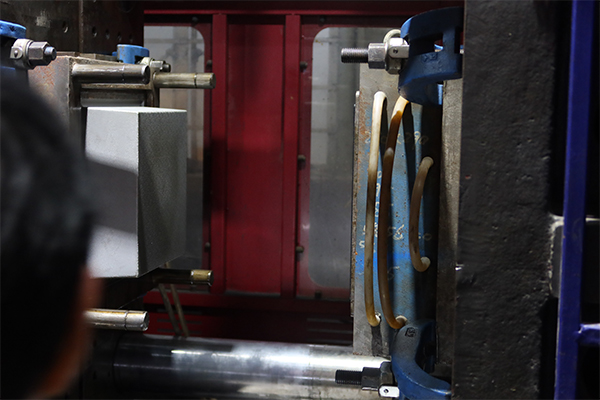
Что такое литье под давлением?
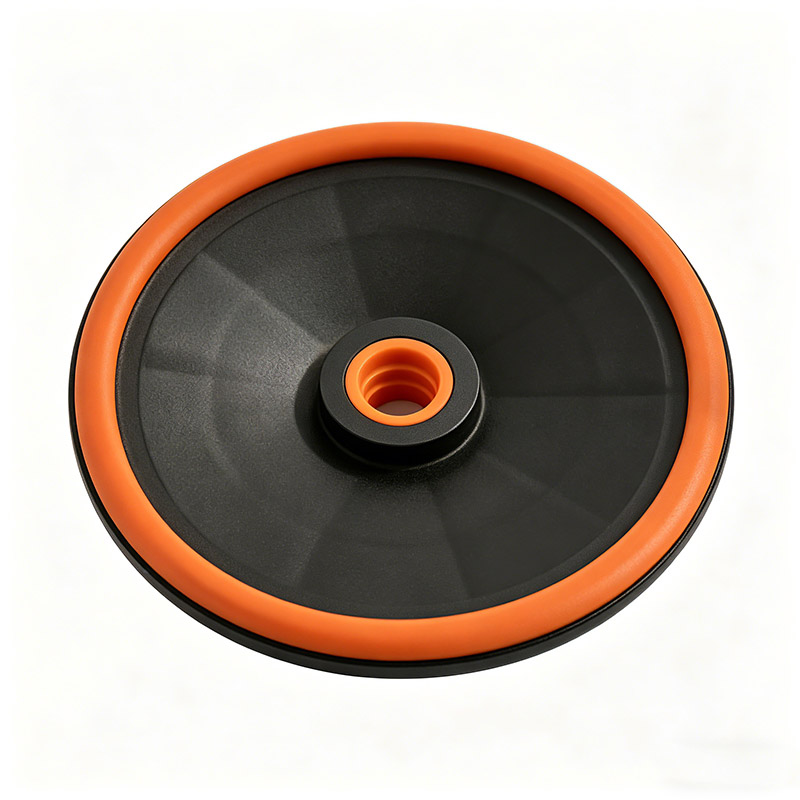
Литье под давлением — это производственный процесс, при котором один материал формуется поверх другого базового компонента для образования единой цельной детали. Сначала изготавливается или подготавливается основа, затем она помещается в форму, где вокруг выбранных поверхностей наносится второй материал.
Жесткая основа может обеспечивать структуру, стабильность размеров или несущую способность. Нанесенный поверх слой может обеспечивать сцепление, амортизацию, герметизацию, защиту от ударов, изоляцию или более комфортную поверхность для пользователя.
В зависимости от области применения, в качестве подложки может использоваться пластик, металл или другой предварительно отформованный компонент. В качестве наполнителя может использоваться термопластичный эластомер, ТПУ, резиновая смесь или другой совместимый материал, выбранный с учетом требуемых характеристик.
Чего можно достичь с помощью литья под давлением?
Технология литья под давлением часто применяется, когда изделию необходимо придать свойства двух материалов в одном компоненте. Мягкий слой может уменьшить скольжение на ручке, смягчить удар при закрытии корпуса, защитить открытый край или создать локальное уплотнение вокруг стыка.
Этот процесс также позволяет объединить компоненты, которые в противном случае потребовали бы склеивания, отдельных прокладок или механической сборки. Это может уменьшить количество деталей и упростить обработку, но преимущества следует оценивать с учетом сложности оснастки, совместимости материалов, требований к загрузке и объемов производства.
Лучший литой материал – это не просто самый мягкий или самый толстый слой. Толщина, покрытие, твердость, текстура, открытые участки и геометрия перехода – все это должно зависеть от того, как будет использоваться готовая деталь.
Склеивание — это конструктивное решение.
Некоторые комбинации материалов могут образовывать полезную химическую адгезию при соответствующих условиях обработки. Другие требуют механических элементов крепления, таких как отверстия, канавки, ребра, подрезы или замки типа «ласточкин хвост».
Химическую связь не следует предполагать, исходя из общего названия материала. Точные марки, состояние поверхности, метод подготовки, температура пресс-формы и условия эксплуатации — все это может повлиять на результат. Загрязнение, влага, разделительные агенты, гальваническое покрытие или окисление могут снизить адгезию.
Поэтому конструкция интерфейса должна быть разработана с учетом реальной нагрузки и условий эксплуатации. В зависимости от области применения, образцы могут нуждаться в испытаниях на отслаивание, растяжение, затяжку, герметичность, соответствие или многократное использование. Успешное визуальное исследование линии склеивания само по себе не доказывает долговременную работоспособность.
Проектирование подложки и интерфейса
Основание должно быть достаточно прочным и стабильным, чтобы выдерживать температуру формования, давление и механические воздействия. Слабые стенки, незакрепленные кромки или неудачно расположенные элементы могут смещаться, деформироваться или получать повреждения во время цикла формования.
Инструмент должен точно позиционировать подложку и поддерживать участки, подверженные давлению формования. При расчете учитываются опорные поверхности, установочные штифты, точки опоры и ориентация нагрузки, а также геометрия конечной детали.
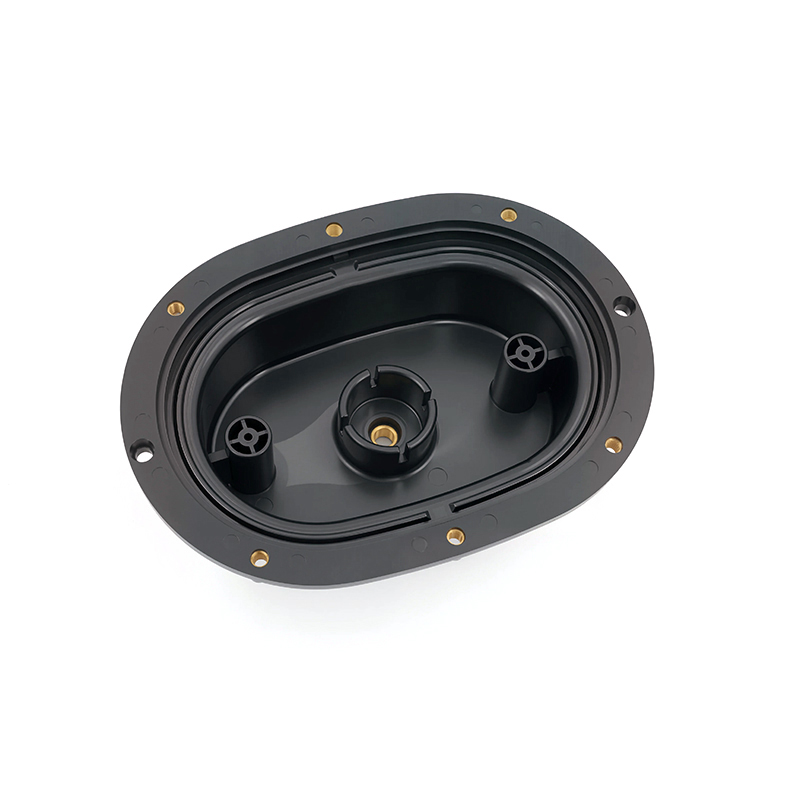
Интерфейс также должен определять, какие поверхности должны оставаться открытыми. Резьба, электрические контакты, декоративные поверхности, монтажные отверстия и элементы сборки могут потребовать использования запорных устройств, защитных пленок или специальной поддержки. Эти области должны быть четко обозначены на чертеже до начала изготовления оснастки.
Инструментарий, загрузка и управление технологическим процессом.
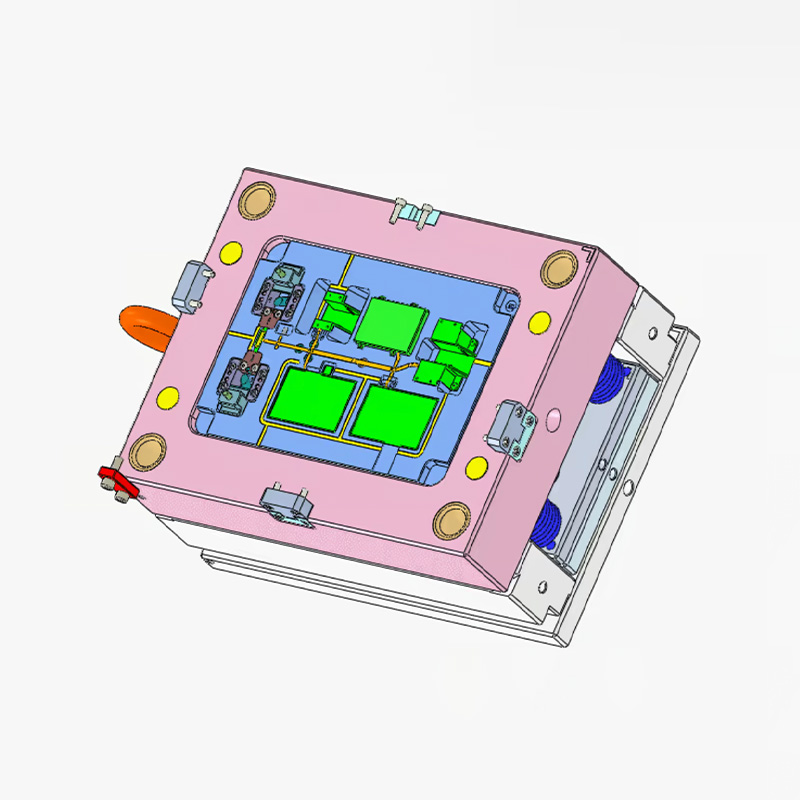
Формы для литья под давлением должны контролировать поток материала, удерживая при этом подложку в правильном положении. Расположение литниковых каналов, вентиляция, перекрытия, охлаждение и выталкивание – все это влияет на укрывистость, облой, внешний вид и отделение материала.
При небольших или умеренных объемах можно использовать контролируемую ручную загрузку. При больших объемах может потребоваться крепление, устройство «пока-йоке» или автоматизированный метод загрузки. Подходящий подход зависит от формы основания, его ориентации, количества полостей, времени цикла и трудозатрат.
В ходе отбора проб проверяется процесс на предмет неполного покрытия, наличия захваченного воздуха, засветов, смещения подложки, отслоения кромок, видимых следов и неравномерной толщины. Корректировки должны быть связаны с конструкцией, инструментом или процессом, чтобы косметический дефект не был ошибочно принят за основную причину.
Выборка и проверка
Образцы следует оценивать с учетом назначения формовочного материала. Для обеспечения сцепления могут потребоваться проверки на скольжение или на устойчивость к многократному использованию. Для герметизации могут потребоваться испытания на герметичность или сжатие. Для защитного слоя может потребоваться оценка ударопрочности, износостойкости или воздействия окружающей среды.
Типичные выборочные проверки могут включать в себя:
- Покрытие методом литья под давлением и размещение материала.
- Положение подложки и состояние открытой поверхности.
- Размеры, толщина и соответствие размеров при сборке.
- Эффект блеска, осветление краев и улучшение внешнего вида.
- Испытания на отслаивание, растяжение, крутящий момент, герметичность или другие согласованные испытания на взаимодействие.
- Показатели после многократного использования или воздействия окружающей среды.
Заказчик и производитель должны согласовать метод приемки до начала серийного производства. Для критически важных с точки зрения безопасности, медицинских, электротехнических или регулируемых применений необходимы стандарты, установленные заказчиком, и валидация.
Что необходимо определить перед составлением коммерческого предложения
Полезное коммерческое предложение начинается с требований как к основанию, так и к формовочной массе. Пожалуйста, предоставьте, если это возможно:
- 3D-модели и управляемые 2D-чертежи для обоих компонентов.
- Материал подложки, марка, отделка, покрытие и состояние поверхности.
- Предпочтения в отношении материала для литья под давлением: твердость, цвет и текстура.
- Геометрия интерфейса и любые элементы механической фиксации.
- Поверхности, которые должны оставаться свободными от эластомера.
- Нагрузки, перемещение, температура, химические вещества, влажность и воздействие УФ-излучения.
- Требуемые размеры, стандарты внешнего вида и функциональные испытания.
- Ожидаемый объем заказов, годовой спрос и целевые сроки производства.
Эти детали помогают инженерной команде отделить фиксированные требования от предпочтений и выявить нерешенные вопросы до того, как они повлияют на стоимость или сроки. Непосредственная цель — создание прочного и воспроизводимого интерфейса между подложкой и формованным эластомерным слоем.
Анализ рисков и планирование качества
При планировании проекта следует учитывать такие факторы, как слабая адгезия, деформация основания, загрязнение, наличие воздуха, неполное заполнение, отслоение кромок, образование налета, переменная толщина и несовместимость материалов.
Не каждая характеристика требует одинаковых усилий по проверке. План обеспечения качества должен быть сосредоточен на характеристиках, влияющих на соответствие размерам, функциональность, внешний вид или последующую сборку. В зависимости от проекта, меры контроля могут включать:
- Идентификация субстрата и исходные условия.
- Вставка или размещение на подложке.
- Толщина и степень покрытия при формовании.
- Открытые поверхности и косметические зоны.
- Размеры и интерфейсы сборки.
- Проверка адгезии, натяжения, крутящего момента, герметичности или функциональные испытания.
- Контрольные образцы, частота отбора проб и требования к отчетности.
Методы измерений и критерии приемки должны быть согласованы до начала повторного производства. Это позволит создать наглядный план контроля наиболее важных характеристик, не подразумевая при этом, что каждая характеристика может контролироваться совершенно одинаково.
Ценность интегрированного производственного маршрута
Компания Shenyue может объединить в рамках одного проекта проверку совместимости материалов, поиск подложки или литье, изготовление оснастки для литья под давлением, литье, контроль качества и проверку сборки.
Эта взаимосвязь важна, потому что решение, принятое на одном этапе, часто влияет на следующий. Материал влияет на обработку и адгезию. Инструменты влияют на отделение материала, образование облоя и внешний вид. Подготовка подложки влияет на склеивание. Сборка и упаковка могут выявить проблемы, которые не видны на отдельном компоненте.
Совместное обсуждение технических вопросов, отзывов о примерах и правок позволяет избежать лишних передач информации между сторонами. Это также предоставляет покупателям более практичный путь от исходных файлов до утвержденной производственной версии и, при необходимости, поддержки при повторных заказах.
Типичные области применения / Соответствие проекту
Метод литья под давлением может быть применим в следующих случаях:
- Рукоятки инструментов и эргономичные захваты.
- Ручки, переключатели и элементы управления.
- Защитные кромки, ножки и бамперы.
- Уплотнения, прокладки и локальные уплотнительные элементы.
- Корпуса датчиков и электронные блоки.
- Автомобильные и промышленные компоненты.
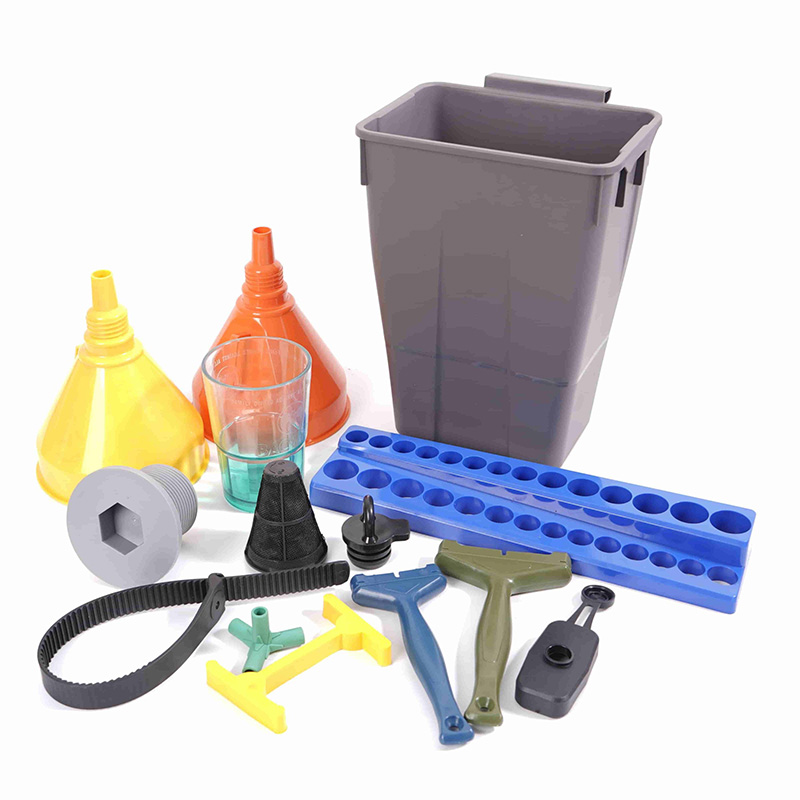
- Потребительские товары, требующие мягких на ощупь поверхностей.
- Компоненты, сочетающие в себе структурную прочность с амортизацией или теплоизоляцией.
Осуществимость зависит от пары материалов, конструкции интерфейса, стабильности подложки, толщины литьевого слоя, подрезов, требований к внешнему виду, условий эксплуатации и объема производства.
Часто задаваемые вопросы
Сможет ли резина или термоэластопласт (TPE) соединиться прочно?
Не автоматически. Эффективность зависит от конкретных марок материала, состояния поверхности, конструкции интерфейса, условий окружающей среды и приложенной нагрузки. Может потребоваться механическая фиксация и испытания, специфичные для конкретного применения.
Можно ли нанести литьевое покрытие на уже имеющуюся жесткую деталь?
Возможно, если деталь можно закрепить и зафиксировать в пресс-форме, а также если она выдерживает температуру и давление формования. В первую очередь следует ознакомиться с чертежами, образцами и техническими характеристиками подложки.
Какие материалы подложки можно подвергать литью под давлением?
В качестве подложек могут рассматриваться пластиковые, металлические и другие подготовленные материалы. Пригодность зависит от термостойкости, стабильности размеров, состояния поверхности, химической совместимости и требуемого метода склеивания или удержания.
Литье с наплавкой — это то же самое, что и литье с закладными элементами?
Они связаны, но не идентичны. При литье с закладными элементами обычно предварительно сформированная закладная часть помещается в пресс-форму, а затем вокруг нее формуется пластик или резина. При литье с наложением (overmolding) акцент делается на добавлении второго материала или функционального слоя поверх подложки.
Какие испытания рекомендуются для деталей, изготовленных методом литья под давлением?
Метод испытаний зависит от области применения. Возможные проверки включают испытания на отслаивание, растяжение, крутящий момент, герметичность, посадку, проскальзывание, удар, истирание или испытания на многократное использование. Метод приемки должен быть определен до начала производства.
Предоставьте модели подложки и формы для литья под давлением, информацию о материалах, ожидаемое количество и нагрузку или условия окружающей среды на границе раздела. Отметьте все поверхности, которые должны оставаться свободными от эластомера, и укажите любые области, где адгезия, герметизация, сцепление или внешний вид имеют решающее значение.