Where insert molding adds value
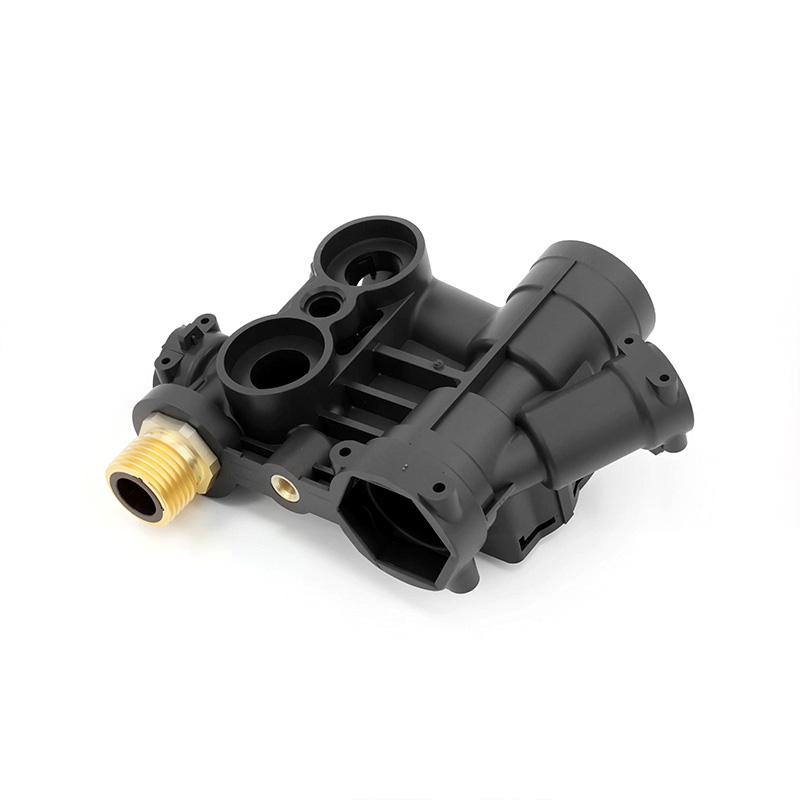
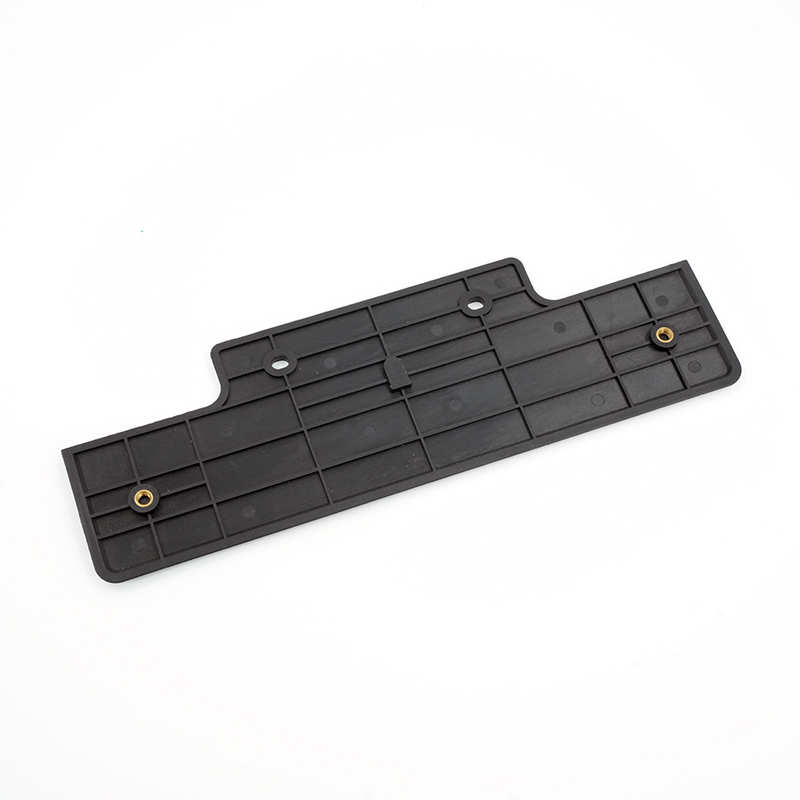
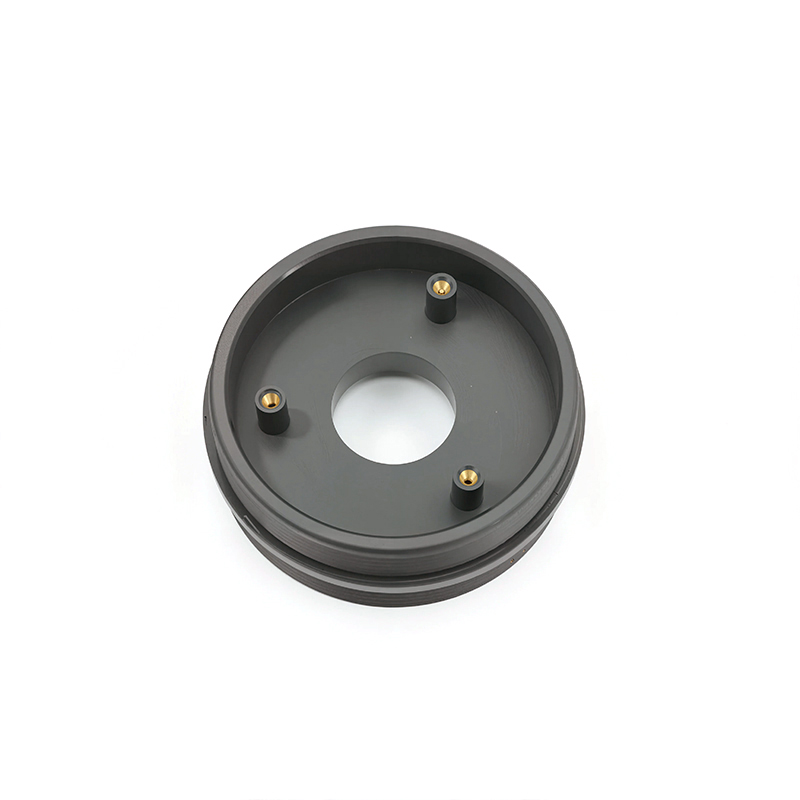
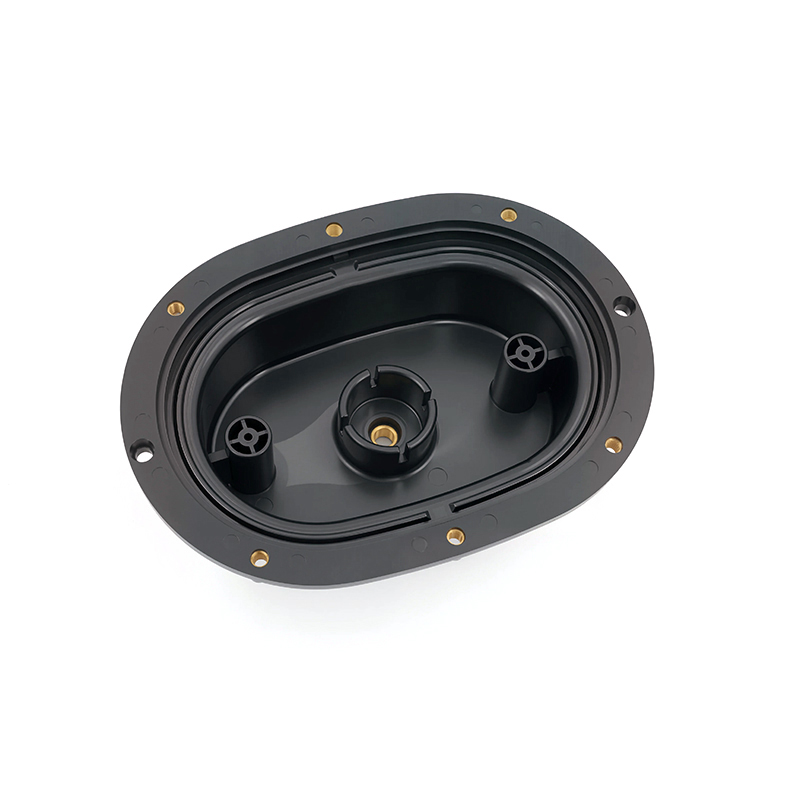
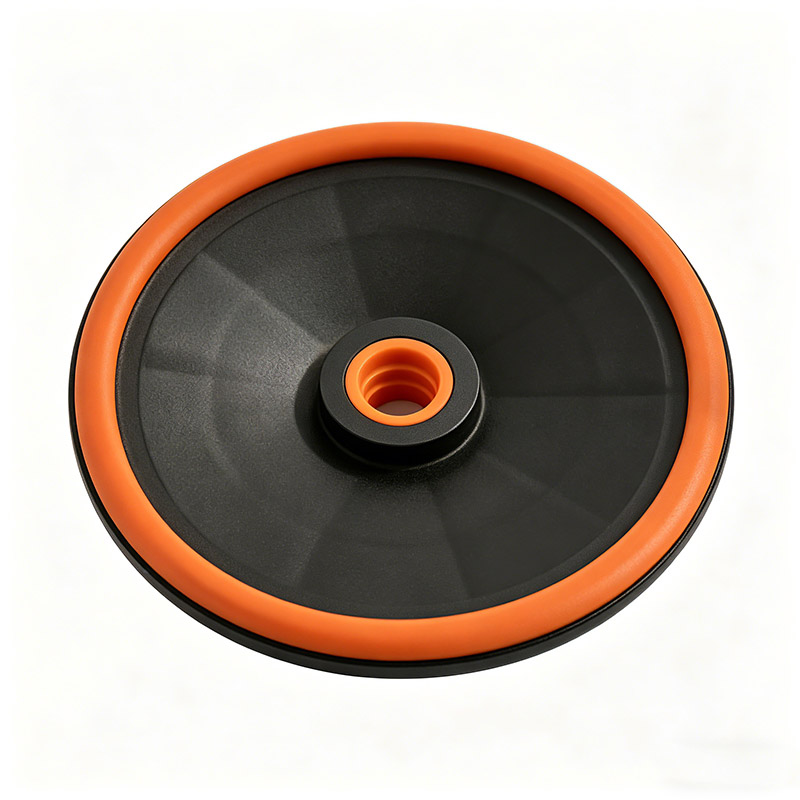
The process is useful when a plastic body needs a durable thread, electrical contact, structural element or other embedded feature. Combining the elements during molding can simplify the bill of materials and remove a later assembly operation. It also creates new design constraints, so the benefit should be assessed against insert cost, loading method and production volume.
The insert is part of the process
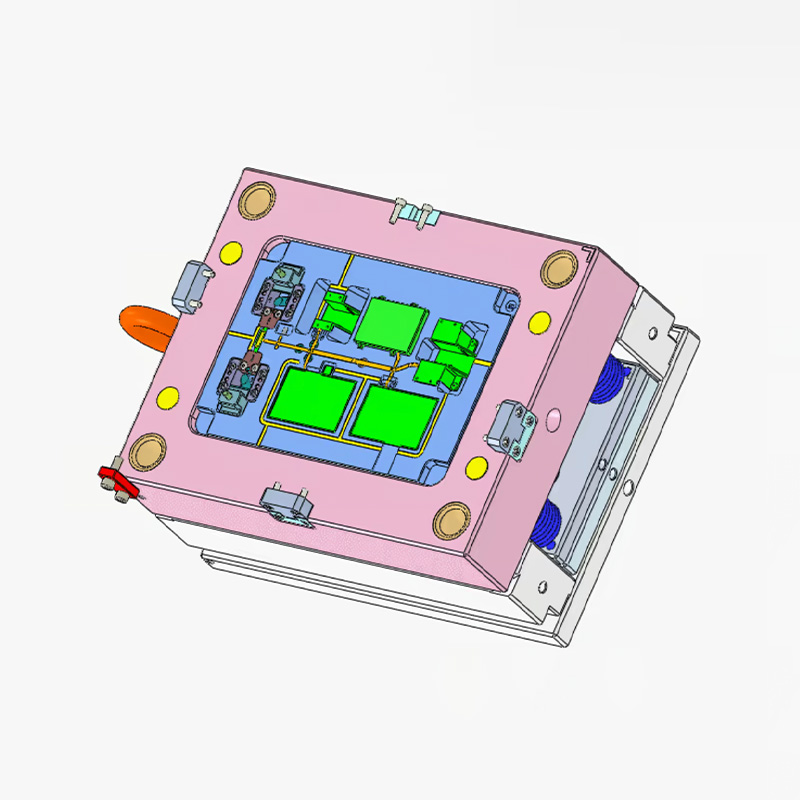
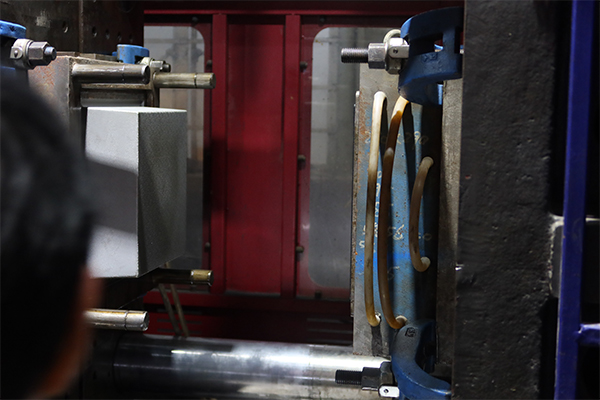
Insert dimensions, cleanliness, plating, orientation and resistance to molding temperature matter. The tool must locate the insert securely while allowing plastic to flow around the intended areas. Features that improve mechanical retention—such as knurls, undercuts or holes—should be designed with the insert supplier and end use in mind.
Managing molding risks
Pressure can shift a poorly supported insert, while trapped air or restricted flow can leave voids. Excess plastic may contaminate a thread or contact surface. Tool shutoffs, loading checks and a defined process window are used to control these risks. Critical insert position and exposed areas should be called out on the drawing.
Manual or automated loading
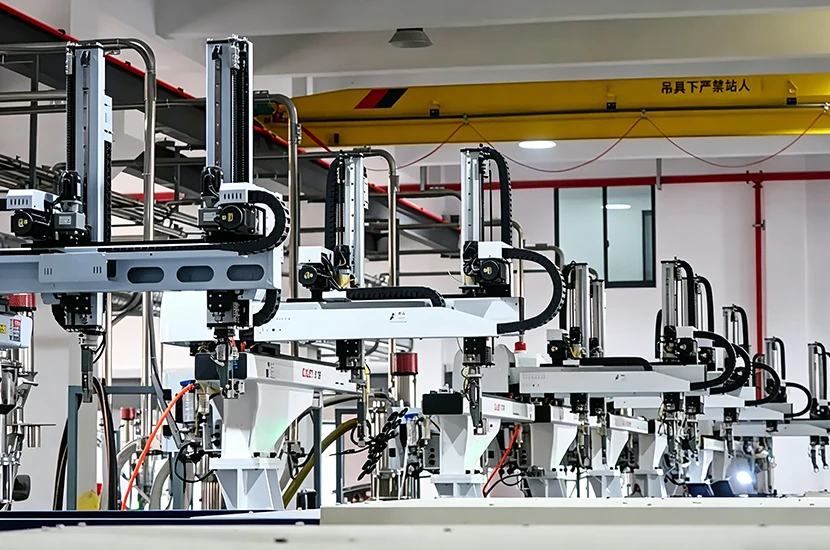
Low or moderate volumes may use controlled manual loading; higher volumes may justify fixtures or automation. The right method depends on insert shape, orientation, cavity count and cycle economics. We assess this during project review rather than assuming one loading method fits every part.
What to define before quotation
A useful quotation begins with plastic and insert models, insert material and finish, exposed surfaces, pull-out or torque requirements, loading orientation and volume. These details let the engineering team distinguish fixed requirements from preferences and identify missing decisions before they affect cost or schedule. The immediate goal is a reliable relationship between the molded polymer and the pre-positioned insert. When a requirement is not yet known, it should be marked as open rather than hidden behind a generic tolerance, material name or quality statement. This gives both sides a clearer basis for comparing options, planning samples and deciding which evidence will be needed before production.
Risk review and quality planning
Project planning should address insert movement, plastic on threads or contacts, voids, weak retention, heat damage and loading mistakes. Not every risk deserves the same inspection effort, so the quality plan should concentrate on features that affect fit, function, appearance or downstream assembly. Depending on the project, control can include insert identity, orientation, position, encapsulation, protected surfaces and mechanical or assembly checks. Measurement methods, sampling frequency, reference samples and reporting expectations should be agreed before routine production. This risk-based approach gives critical requirements a visible place in the process without implying that every characteristic can be controlled in exactly the same way.
The value of an integrated manufacturing route
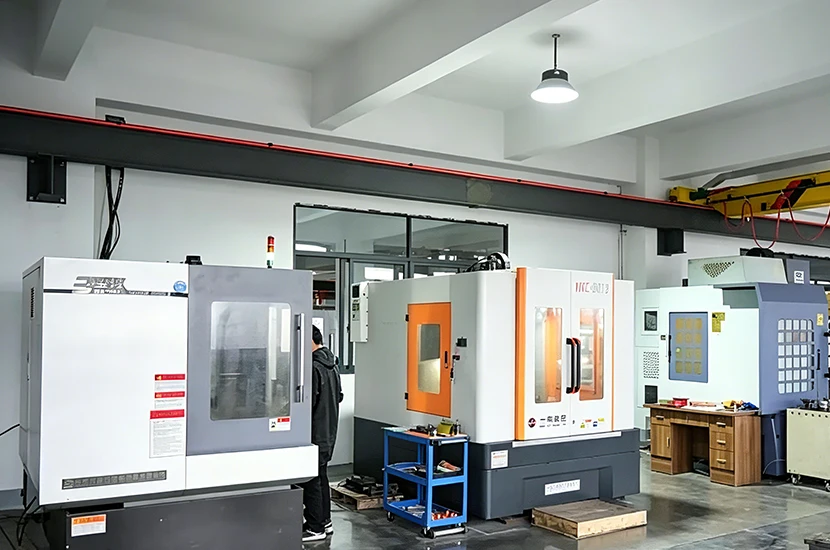
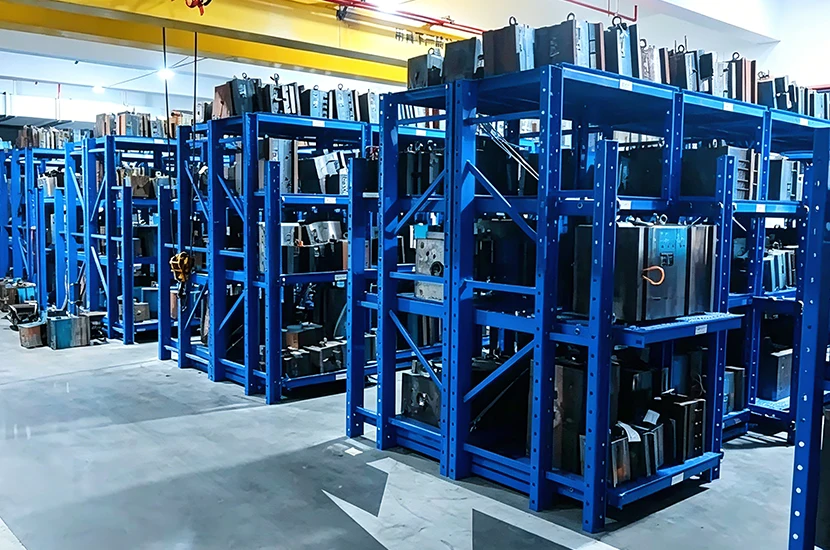
Shenyue can connect mold engineering, insert sourcing coordination, loading fixtures, injection molding and final assembly within one project route. That connection matters because a decision made in one stage often changes the next: material affects processing and finishing, tooling affects release and appearance, and assembly or packaging can expose issues that are not visible on an individual component. Keeping technical questions, sample feedback and revisions together reduces avoidable handoffs. It also gives buyers a more practical path from initial files to an approved production baseline and, when applicable, repeat-order support.
Typical Applications / Project Fit
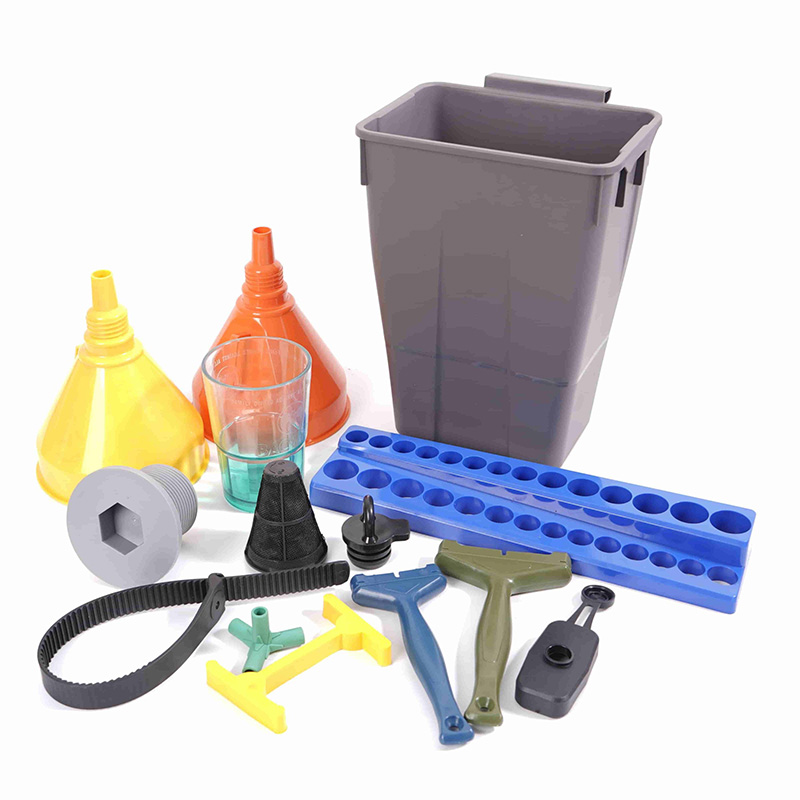
Common applications include threaded plastic components, electrical parts, sensor housings, knobs, automotive components and industrial assemblies. Suitability depends on insert geometry, resin, temperature, loads and validation requirements.
Frequently Asked Questions
Can you source the inserts?
This can be discussed. Supply responsibility, material, finish and inspection criteria must be defined before production.
How are inserts kept in position?
The mold uses locating and support features; the exact solution depends on the insert and plastic flow.
Is insert molding stronger than post-assembly?
It can improve integration and load transfer, but strength depends on design, materials and retention geometry. Functional testing is recommended.
Send the plastic-part model, insert drawing and assembly requirements together. Tell us which insert surfaces must remain exposed or free of plastic.