Никакого достоинства, перед склериском - это euismod Fermentum ненависть. sem semper the is Erat, a feugiat leo urna eget eros. Дуис Энеан Стрижка для смеха.
Никакого достоинства, перед склериском - это euismod Fermentum ненависть. sem semper the is Erat, a feugiat leo urna eget eros. Дуис Энеан Стрижка для смеха.
 Вайолет Фэн

Детали, состоящие из нескольких материалов, часто выглядят просто снаружи. Мягкая рукоятка обволакивает жесткий корпус, или металлическая вставка аккуратно располагается внутри пластикового корпуса. Однако выбор способа изготовления, лежащий в основе такой конструкции, менее очевиден. Литье с закладными элементами и литье с наплавкой объединяют материалы в одном готовом компоненте, но они решают разные задачи и предъявляют разные требования к оснастке, материалам и контролю качества.
Для покупателей, работающих с поставщик услуг по литью пластмасс под давлением на заказПрактический вопрос заключается не в том, какой процесс кажется более совершенным, а в том, какой путь обеспечивает требуемую функциональность при стабильном и повторяемом плане производства. Компания Shenyue поддерживает оба процесса, опираясь на собственное проектирование пресс-форм, литье, вторичные операции, сборку и упаковку. Это позволяет рассматривать деталь как цельный продукт, а не как отдельный этап литья.
При литье под давлением с закладными элементами предварительно изготовленный компонент, часто металлическая втулка, резьбовая вставка, штифт, клемма или усилитель, помещается в форму, после чего вокруг него впрыскивается пластик. Вставка становится частью отлитого компонента. Этот метод подходит для проектов, требующих локальной прочности, долговечной резьбы, электрического контакта, точного позиционирования или меньшего количества этапов сборки.
Метод литья под давлением предполагает нанесение второго материала поверх подложки. Распространенное сочетание – это мягкий термоэластопласт (TPE) или резиноподобный слой поверх жесткого пластика. Дополнительный слой может обеспечивать сцепление, герметизацию, амортизацию, ударопрочность, цветовой контраст или более комфортную поверхность. Подложка может быть отлита первой, а затем перенесена на другую оснастку, или же два материала могут обрабатываться в более автоматизированной многокомпонентной системе, если это оправдано объемом производства и конструкцией детали.
Это различие полезно, но оно не является единственным критерием принятия решения. Покупатель также должен учитывать траекторию нагрузки, условия контакта, прочность соединения материалов, фиксацию вставки, годовой объем производства, стандарты внешнего вида и порядок проверки детали.
Изделие может соответствовать обоим условиям. Рукоятка инструмента может иметь мягкую литовую накладку и металлическую вставку в месте крепления. В этом случае правильный производственный план может включать два этапа литья, специальные приспособления и дополнительный контроль качества. Рассмотрение проекта как «просто литья под давлением» может привести к тому, что важные затраты или риски будут исключены из сметы.
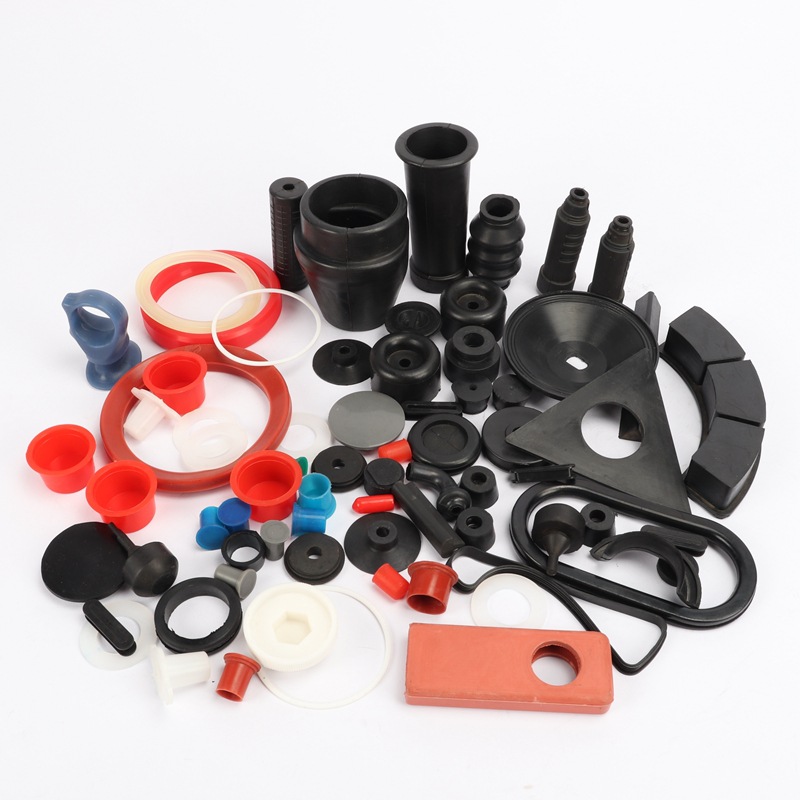
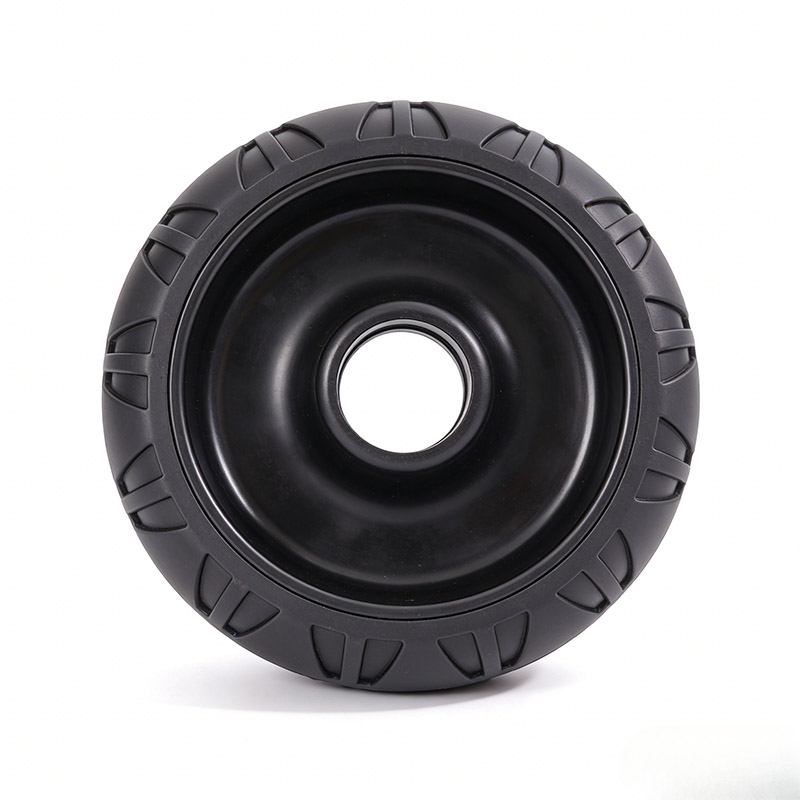
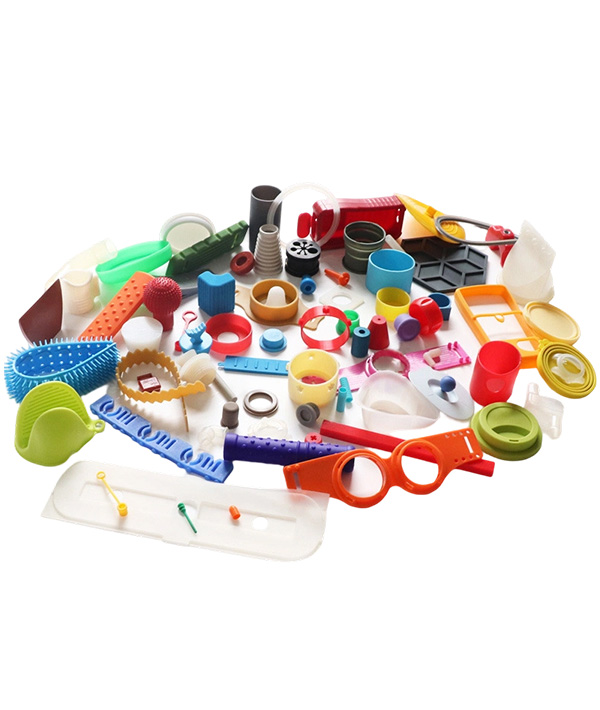
Он процесс литья под давлением Обычно второй материал выбирают, когда он изменяет тактильные ощущения от изделия, герметизацию, поглощение ударов или взаимодействие с пользователем. Типичные примеры включают рукоятки инструментов, защитные кромки, гибкие уплотнения, ручки, колеса, бытовые аксессуары, а также товары для спорта и отдыха.

Соприкосновение двух материалов в форме не гарантирует образования надежного соединения. Важны именно марки смолы, а не только общие обозначения, такие как «ABS» или «TPE». Поставщики TPE публикуют рекомендации по склеиванию для конкретных материалов, поскольку адгезия может изменяться в зависимости от марки жесткого пластика, добавок, носителя цвета, влажности, состояния поверхности и параметров формования.
В случаях, когда химическая адгезия нестабильна, для фиксации детали может потребоваться механическая фиксация, например, с помощью отверстий, канавок, подрезов или обтекаемой геометрии. Это решение следует принять до изготовления оснастки. Оно влияет на сечения стенок, перекрытие потока, контроль за образованием облоя, внешний вид и площадь, доступную для растекания мягкого материала.

Компания Shenyue обычно работает с такими материалами, как ABS, PP, PC и TPE. информация о выборе материалов Это дает покупателям отправную точку, но окончательную комбинацию все равно необходимо проверить на соответствие реальным условиям эксплуатации и выбранным коммерческим категориям.
Фраза «мягкое на ощупь» слишком расплывчата для полезного коммерческого предложения. В запросе на коммерческое предложение следует указать, будет ли литьевое покрытие улучшать сцепление, создавать герметичность, противостоять истиранию, гасить вибрацию, защищать кромку или служить визуальным акцентом. Покупатели также должны указать желаемую твердость, цвет, текстуру поверхности, контактирующие химические вещества, рабочую температуру, метод очистки и воздействие внешних факторов.
Метод приемки должен соответствовать назначению. Качество декоративного слоя может оцениваться главным образом по цвету, укрывистости, облою и поверхностным дефектам. Для обеспечения работоспособности уплотнения может потребоваться проверка размеров или испытание на герметичность. Для обеспечения сцепления при высоких нагрузках может потребоваться проверка на отслаивание или удержание, согласованная до начала производства.

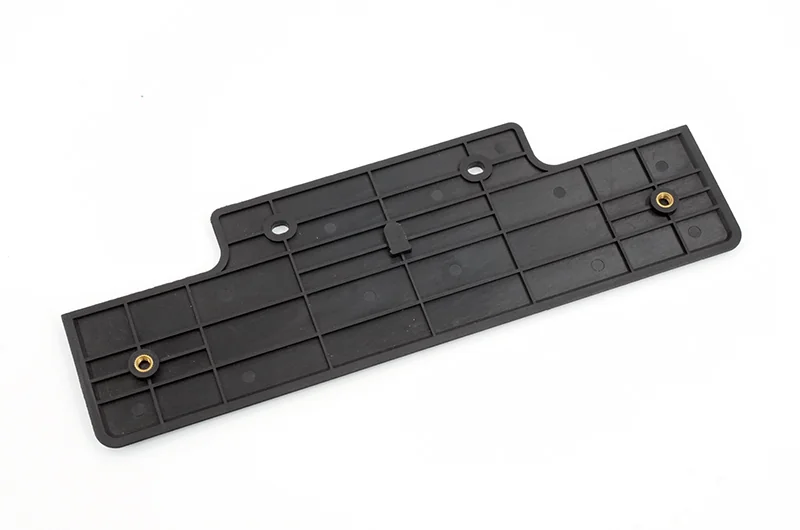
Вставка в литье Часто это более аккуратный способ, когда деталь требует встраивания жесткого компонента в пластик. Часто в качестве таких элементов используются резьбовые латунные вставки, металлические штифты, электрические контакты, магниты, валы, пластины и усиливающие элементы.

Грамотно спроектированная встраиваемая вставка может уменьшить количество незакрепленных крепежных элементов, необходимость ручной затяжки и монтажа после формования. Она также позволяет более точно расположить вставку относительно геометрии пластика. Это преимущество наиболее заметно, когда вставка, пресс-форма и способ обработки спроектированы как единая система.
Вставка должна выдержать процесс литья. Она должна оставаться в нужном положении, пока пластик обтекает её, поэтому конструкция пресс-формы должна включать специальную конструкцию для фиксации вставки с самого начала. Металлические детали, используемые в литье с вставками, часто требуют специальной подготовки для обеспечения стабильного результата литья. Допуски вставки, покрытие, состояние поверхности, острые кромки, загрязнения и ориентация — всё это заслуживает внимания. Если вставка загружается вручную при мелкосерийном производстве, система «пока-йоке» или система фиксации должны затруднить неправильную загрузку. При больших объемах производства могут использоваться зажимные приспособления или роботизированная загрузка.

На чертеже должны быть указаны размеры и параметры проверки после формования, которые имеют значение. Например, усилие вытягивания, момент затяжки при установке, сопротивление вращению, электрическая целостность, выравнивание, герметичность или критическое расстояние между вставкой и другим элементом. Без этих требований поставщики могут предлагать разные планы контроля и составлять предложения, которые кажутся сопоставимыми, но на самом деле таковыми не являются.
Покупатель должен прислать чертеж вставки, а также файлы пластиковой детали. Материал вставки, покрытие, статус поставщика, допустимые отклонения и то, должна ли компания Shenyue закупать этот материал, — все это влияет на план производства. На ранних этапах испытаний небольшая партия может выявить проблемы с позиционированием или фиксацией до того, как конструкция перейдет в серийное производство.

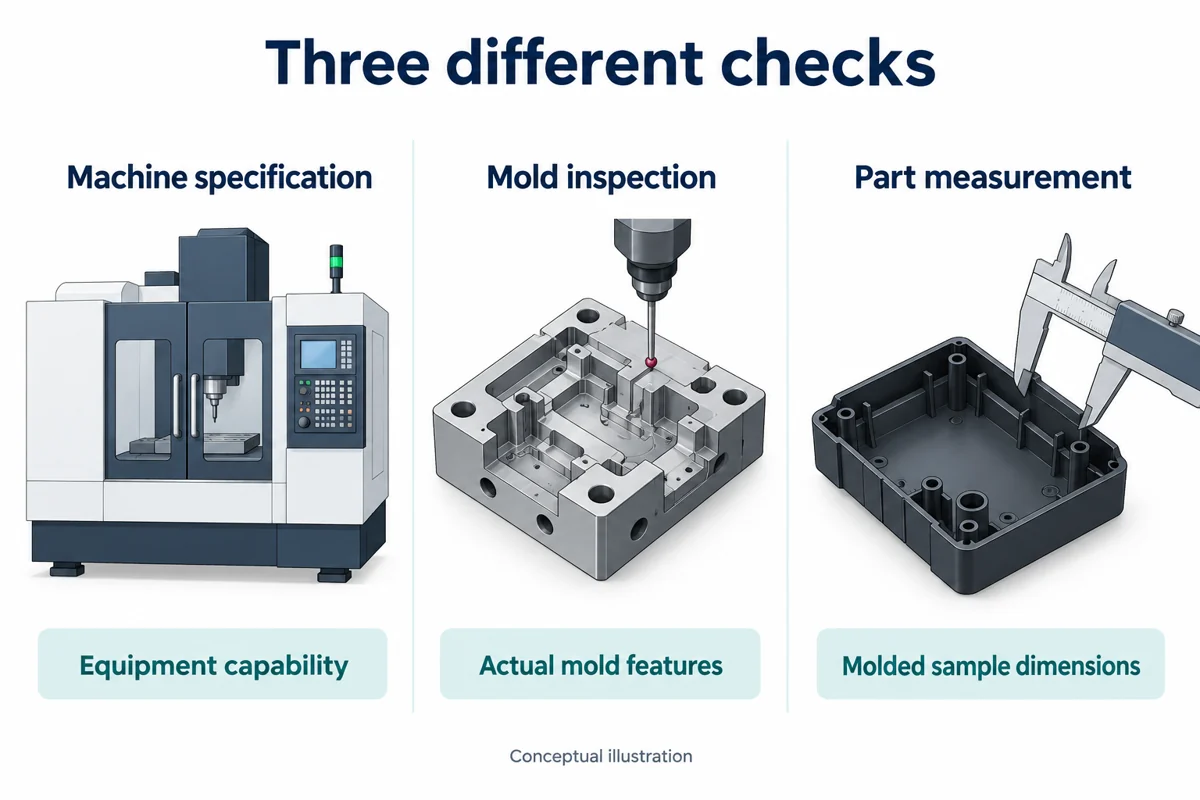
Стоимость пресс-формы определяется не только названием процесса. Важны марка стали, размер инструмента, количество полостей, геометрия детали, допуски, качество поверхности, требования к направляющим или подъемникам, конструкция литниковой системы и ожидаемый срок службы. Для различных условий эксплуатации могут рассматриваться такие материалы, как P20, 718 и S136, но правильный выбор зависит от всего проекта в целом, а не от простого рейтинга «лучшая сталь».
Для литья с наложением может потребоваться инструмент для подложки плюс инструмент для наложения, или более сложный многокомпонентный инструмент. При литье с закладными элементами может использоваться один инструмент, но требуется надежное позиционирование и загрузка закладных элементов. В любом случае низкая себестоимость единицы продукции становится значимой только после того, как четко определены объем работ по оснастке, включая испытания, ответственность за техническое обслуживание, план расположения полостей и стандарты приемки.
Компания Shenyue не устанавливает минимальный объем заказа и может принимать пробные партии от десятков до сотен изделий. Такая гибкость полезна для начинающих брендов, тестирования продукции и разработки новых комбинаций материалов. Пробная партия позволяет проверить посадку, тактильные ощущения, качество склеивания, фиксацию вставки, цвет и сборку до того, как покупатель примет решение о крупномасштабном запуске.
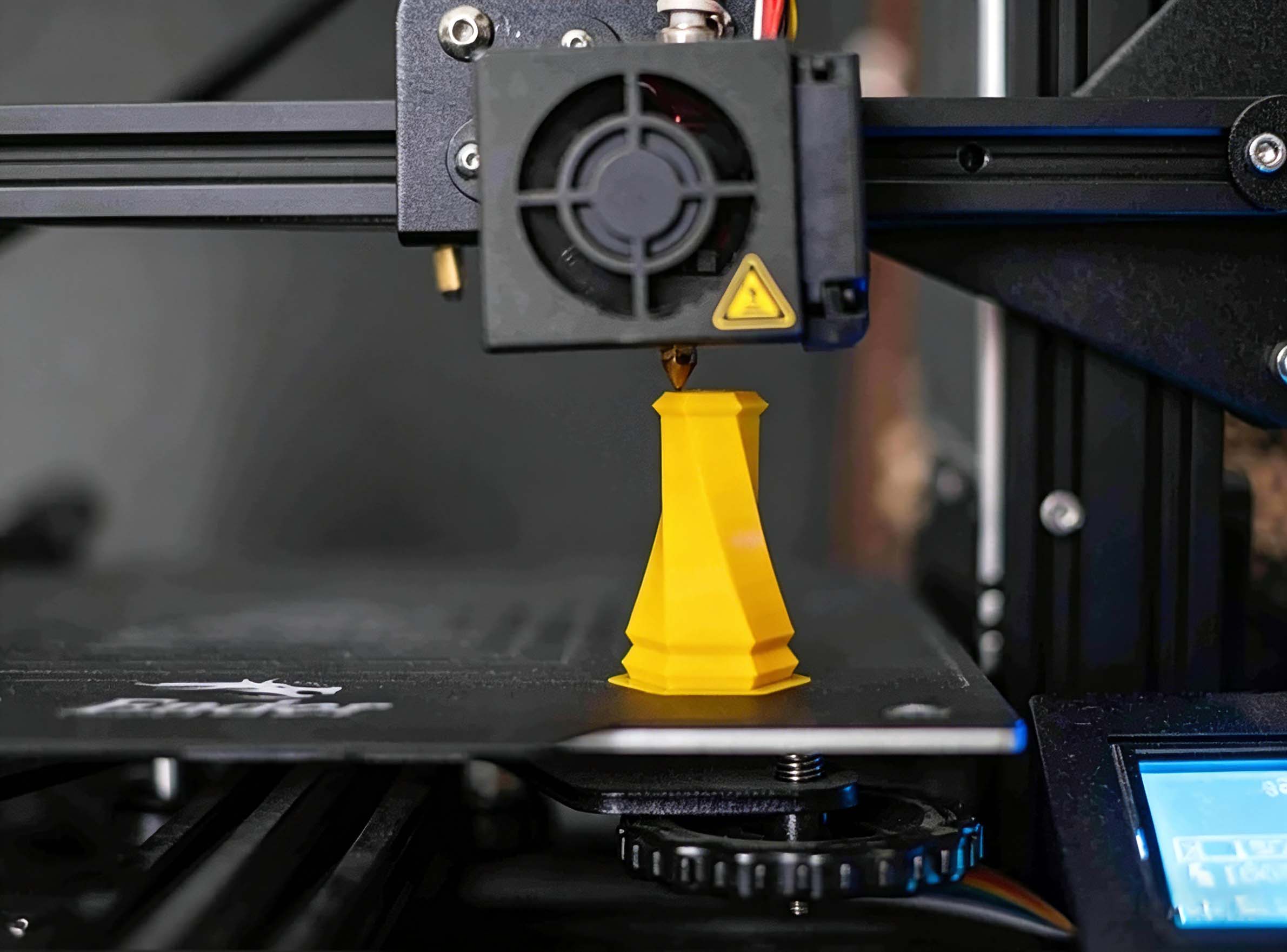
Литье под давлением по-прежнему сопряжено с первоначальными затратами на оснастку, поэтому на самых ранних этапах разработки концепции могут быть предпочтительнее использовать 3D-печать или другой метод прототипирования, который на этом этапе может оказаться более экономически выгодным. После стабилизации геометрии и направления материала литье под давлением дает более реалистичную информацию о поведении изделия в процессе производства.
Изготовление формованной детали может быть лишь одним из этапов подготовки готового изделия. Покраска, гальваническое покрытие, трафаретная печать, тампонная печать, УФ-печать, лазерная маркировка, нарезание резьбы, сверление, использование приобретенных комплектующих, сборка и упаковка могут изменить оптимальный подход к формованию.
Например, поверхность, полученная методом литья под давлением, может потребовать маскирования во время покраски или печати. Встроенная вставка может упростить сборку, но ее положение должно соответствовать сборочному приспособлению. Для эстетичных поверхностей необходимы четкие правила обращения и упаковки, чтобы при получении качественной детали не появились царапины. Эти детали должны быть рассмотрены на этапе проверки процесса перед утверждением оснастки.
Шэньюэ может координировать вторичные операциивключая поиск комплектующих, сборку и упаковку по индивидуальному заказу. Таким образом, покупатели могут запросить ценовое предложение на готовое изделие, находящееся на складе, вместо того, чтобы сравнивать цену литья, которая не включает несколько последующих операций.
Нет. Использование термоэластопласта поверх жесткого пластика — распространенная практика, но литье под давлением может включать в себя и другие совместимые комбинации материалов. Выбор марок, температурные пределы, механизм склеивания, твердость и условия эксплуатации следует рассматривать в комплексе.
Да, хотя проект, в основном построенный на основе предварительно установленного металлического компонента, обычно рассматривается как литье с закладными элементами. Сложная деталь может включать металлическую закладную часть и последующее мягкое литье под давлением. В смете следует отдельно указать каждый этап и требования к контролю качества.
Универсального ответа нет. Для литья с наложением может потребоваться два инструмента или многокомпонентная установка. Для литья с закладными элементами могут потребоваться специальные приспособления для закладных элементов, рабочая сила для загрузки или автоматизация. Количество полостей, объем, материал, допуски, тестирование, отделка и сборка определяют целесообразность сравнения затрат.
Приложите 3D-модель и, если имеются, чертеж в 2D с указанием размеров. Укажите требования к материалам или характеристикам, годовые и первичные объемы заказа, площадь отделки, цвета, критические допуски, вставьте чертежи, требования к испытаниям, вторичные операции, упаковку и место доставки. Неизвестные позиции можно пометить как открытые для проверки инженерами.
Прежде чем запрашивать коммерческое предложение, определите, какой параметр определяет выбор технологического процесса. Цель – мягкая функциональная поверхность, жесткий встроенный компонент или и то, и другое? Затем соберите контрольные файлы, ожидаемые объемы, условия эксплуатации, предпочтения по материалам, критические проверки, варианты отделки, детали сборки и потребности в упаковке.
Компания Shenyue может проверить чертеж или образец, предложить практические корректировки, изготовить пресс-форму, произвести опытные партии, запустить производство, а также скоординировать финишную обработку и упаковку. Покупатели, работающие с деталями из нескольких материалов, могут Отправить подробную информацию о проекте на рассмотрение и получить ценовое предложение, основанное на полном комплекте поставленного товара.