尊厳なんてない、セリリスクの前にはeuismod fermentum憎しみがある sem semper はerat、feugeat leo urna eget erosです。デュイス・アネアン 笑いのためのヘアカット。

について
について

ゴム圧縮成形

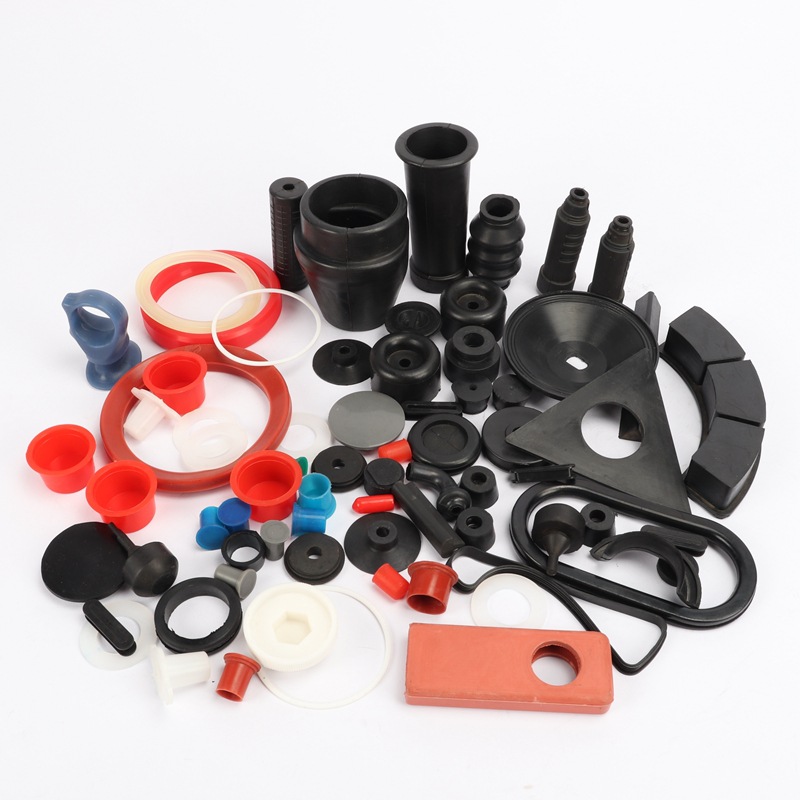
Compression molding forms a measured rubber charge in a heated tool, where pressure shapes the material and heat cures it. The process is well established for many custom elastomer parts and can be a practical choice for robust geometries and suitable production volumes.
  • Material charge, cavity fill and cure conditions controlled by part.
  • Suitable for many solid rubber seals, pads and technical components.
  • Tooling approach reviewed around volume and geometry.
  • Flash, parting line and finish requirements defined up front.
  • Material family selected against the operating environment.

How the process works

A prepared amount of uncured rubber is placed in the open mold. The tool closes under pressure, the material flows into the cavity and heat drives curing. After opening, the part is removed and excess flash is trimmed as required. Charge placement, temperature, pressure and cure time influence consistency.

Why choose compression molding

The method can handle many thermoset rubber compounds and relatively substantial sections. Tool construction may be simpler than some alternative rubber processes, depending on the part. It is not automatically the fastest or lowest-cost option; cycle time, labor, flash and material usage must be evaluated against quantity and quality needs.

Design considerations

Parting-line location, draft, venting, thickness transitions and allowable flash affect manufacturability. Rubber tolerances differ from machined metal tolerances and should reflect material behavior and function. Sealing faces and critical edges deserve explicit drawing notes.

Material and validation

Rubber choice is based on media, temperature, weathering, compression behavior, hardness and regulatory needs. Samples should be validated in the actual assembly where possible. General material descriptions cannot replace a grade-specific data sheet or end-use testing.

What to define before quotation

A useful quotation begins with drawing, compound family, hardness, color, quantity, flash limits, service conditions, cure expectations and critical features. These details let the engineering team distinguish fixed requirements from preferences and identify missing decisions before they affect cost or schedule. The immediate goal is a stable compression-molding route for elastomer parts whose geometry and volume suit the process. When a requirement is not yet known, it should be marked as open rather than hidden behind a generic tolerance, material name or quality statement. This gives both sides a clearer basis for comparing options, planning samples and deciding which evidence will be needed before production.

Risk review and quality planning

Project planning should address incorrect charge weight, trapped air, incomplete fill, cure variation, thick-section issues, flash and difficult trimming. Not every risk deserves the same inspection effort, so the quality plan should concentrate on features that affect fit, function, appearance or downstream assembly. Depending on the project, control can include material and batch records, dimensions, hardness, surface condition, flash limits and functional tests. Measurement methods, sampling frequency, reference samples and reporting expectations should be agreed before routine production. This risk-based approach gives critical requirements a visible place in the process without implying that every characteristic can be controlled in exactly the same way.

The value of an integrated manufacturing route

Shenyue can connect rubber material review, mold design, charge preparation, compression molding, trimming and inspection within one project route. That connection matters because a decision made in one stage often changes the next: material affects processing and finishing, tooling affects release and appearance, and assembly or packaging can expose issues that are not visible on an individual component. Keeping technical questions, sample feedback and revisions together reduces avoidable handoffs. It also gives buyers a more practical path from initial files to an approved production baseline and, when applicable, repeat-order support.

Typical Applications / Project Fit

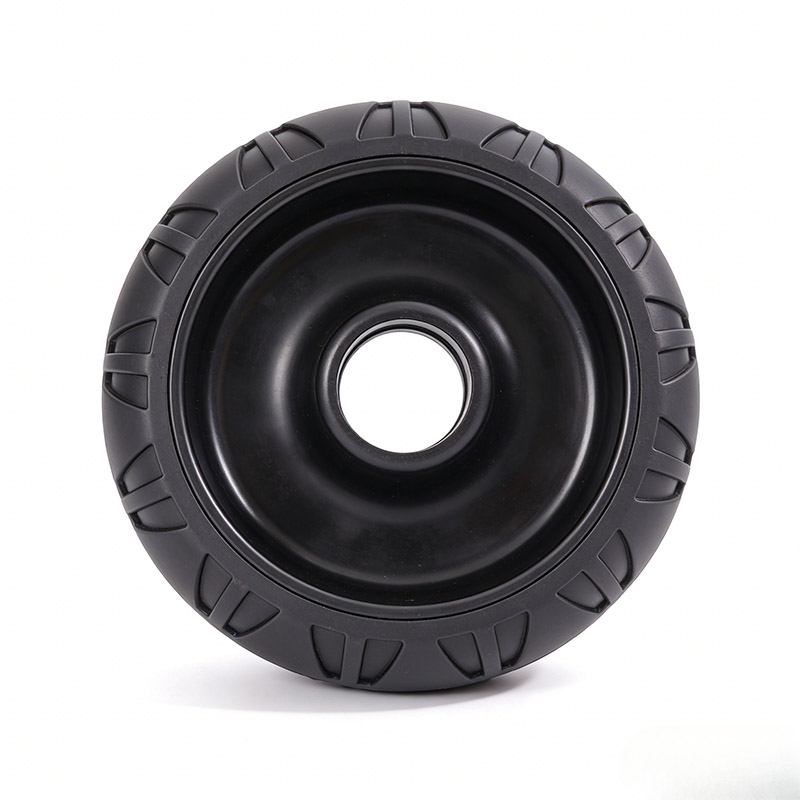
Often considered for gaskets, seals, pads, bumpers, diaphragms and industrial rubber components. Very intricate thin features or extremely high production requirements may point to another process after review.

よくある質問

What causes flash on compression-molded parts?

Material flows toward the parting line as the tool closes. Tool design, charge control and trimming determine the final flash condition.

Can you mold silicone?

Silicone may be suitable, but the specific grade, curing system, geometry and compliance requirements must be reviewed.

How should tolerances be set?

Set them around function and recognized rubber-molding practice. Critical features should be discussed individually.

Send the drawing, rubber preference, hardness, quantity and service conditions. We will review whether compression molding is a sensible route.

サービス

4

カスタムゴム部品

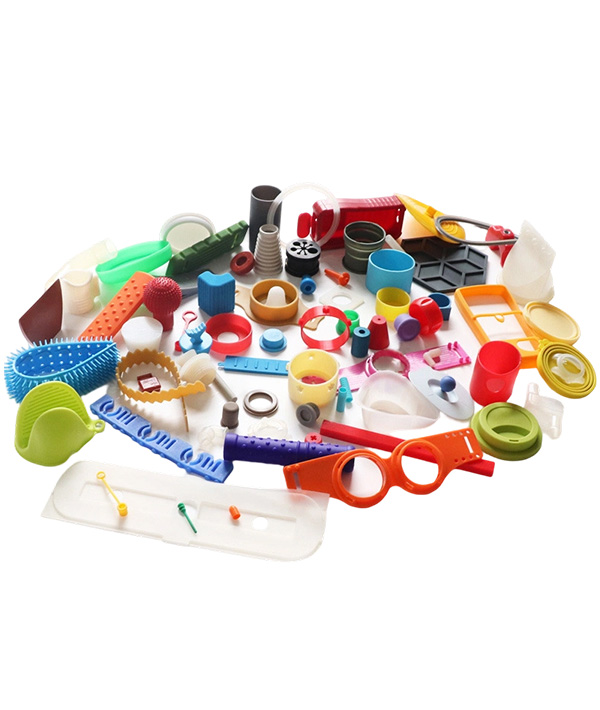
Custom rubber parts must do more than match a shape. They may need to seal, flex, isolate vibration, protect an edge or maintain contact through repeated use. We review the operating conditions first, then connect material, geometry and molding method to the job the part must perform.
もっと詳しく知る
1

ゴムオーバーモールディング

Rubber overmolding combines a softer elastomer with a rigid part or insert to create grip, sealing, cushioning or protection in one component. Reliable results depend on the interface: material compatibility, mechanical retention, surface condition and tool shutoffs must all be planned.
もっと詳しく知る

ブログ

もっと見る

30/ 6月

当社の新しい製造施設が稼働を開始しました – 生産能力と効率性において大きな前進です

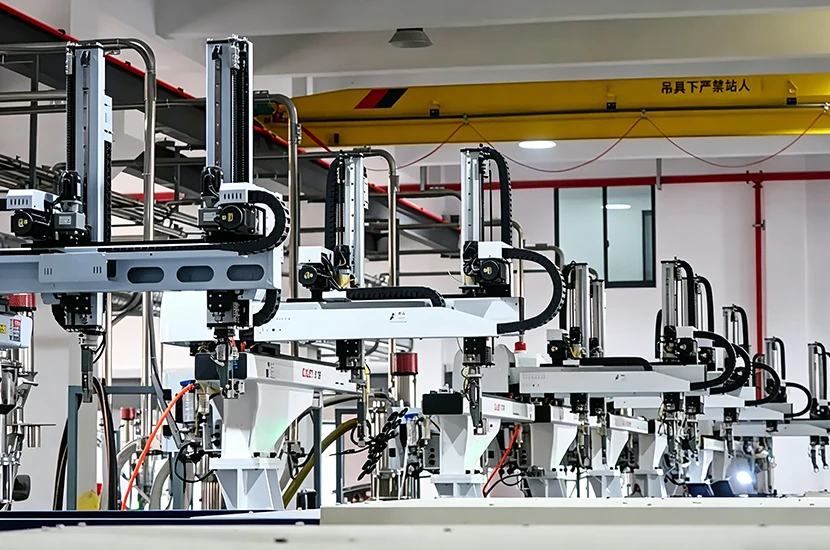
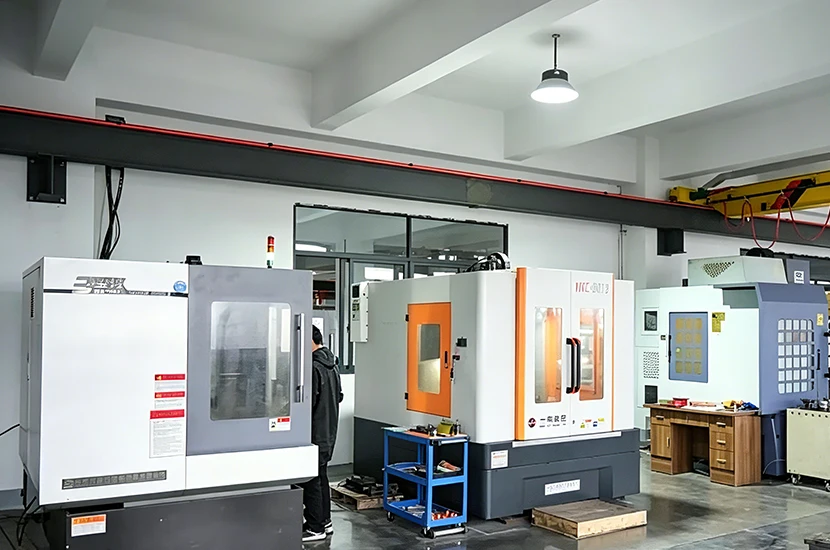
この度、当社の新製造施設が正式に稼働を開始したことをご報告いたします。今回の設備投資総額は6,000万元を超え、当社の継続的な成長と高品質な製品づくりへの取り組みにおける重要な節目となります。 新工場には、ハイチアン・インターナショナル社製の最新鋭射出成形機23台が導入されており、最大型締め力は850トンに達します。これにより、最大3000グラムのプラスチック部品を製造することが可能になりました。これは、幅広い業界向けに、より大型で複雑な製品を扱う当社の能力を大幅に向上させるものです。 生産の安定性と効率性をさらに向上させるため、工場全体にわたる集中型材料供給システムを導入しました。このシステムにより、材料の安定供給が確保され、手作業による取り扱いが削減され、汚染や人為的ミスのリスクが最小限に抑えられます。 さらに、すべての機械に自動ロボットアームが搭載されたことで、生産工程の完全自動化が可能になりました。これにより、生産効率が向上するだけでなく、各バッチにおける一貫性と精度も向上します。 これらのアップグレードにより、以下のことが可能になります。 (1)生産能力の向上とリードタイムの​​短縮 (2)大量注文時でも安定した製品品質を維持する (3)より複雑で大規模なカスタムプロジェクトをサポートする (4)より信頼性の高いOEMおよびODM製造ソリューションを提供する この新しい施設は、先進的な設備とスマート製造への投資に対する当社の長期的な取り組みを反映したものです。これらの改善により、より高い効率性、柔軟性、そして一貫した品質で、世界中のお客様により良いサービスを提供できると確信しています。
もっと詳しく知る
ブログ1

15/ 10月

射出成形メーカーを選ぶ際に、自社内に金型工場を持つことが推奨される理由

射出成形メーカーを選定する際、価格、納期、コミュニケーションといった要素が重視されることが多い。しかし、メーカーが自社内に金型製作工場を持っているかどうかも同様に重要な考慮事項であり、プロジェクトの成果に大きな影響を与える可能性がある。 1. 開発効率の向上 社内に金型工場を持つメーカーは、金型の設計、加工、修正を含む全工程を社内で管理することができる。 この統合ワークフローは、以下の点で役立ちます。 (1)第三者サプライヤーへの依存度を低減する (2)コミュニケーションサイクルの短縮 (3)金型開発および改訂プロセスを加速する その結果、プロジェクト全体のスケジュールは一般的に、より予測しやすく、効率的になる。 2. 金型品質の管理向上 射出成形製品の品質は、金型の精度と状態に密接に関係している。 金型製造を外部委託する場合、規格の違いやコミュニケーションのギャップにより、品質にばらつきが生じる可能性があります。一方、社内金型工房では、以下のような利点があります。 (1)製造工程の直接監督 (2)一貫した品質基準 (3)設計調整の実施が容易になる これは、より安定した生産実績と不良率の低下に貢献する。 3. 生産中の問題解決の迅速化 金型試作および量産時には、寸法誤差、表面欠陥、変形などの問題が発生する可能性があります。 社内設備を活用することで、メーカーは以下のことが可能になります。 (1)根本原因をより迅速に特定する (2)溶接、研磨、構造変更などの調整を適時に実施する (3)生産中のダウンタイムを最小限に抑える これは、複数回の反復作業が必要なプロジェクトや、厳しい納期が設定されているプロジェクトにとって特に重要です。 4. 長期的なコスト面での潜在的なメリット 初期金型費用は大きく変わらないかもしれないが、社内での金型製作能力は、以下の点において長期的にコスト効率の向上に貢献する。 (1)遅延と度重なる修正の削減 (2)通信費および物流費の削減 (3)適切なメンテナンスによる金型の耐用年数の延長 これらの要素は、プロジェクト全体の費用対効果を高めるのに役立ちます。 5. より体系的なカビ管理 専用の金型工場を持つメーカーは、以下のような体系的な金型管理手法を導入することが多い。 (1)明確な識別および追跡システム (2)整理された保管および保守手順 (3)リピート生産注文への迅速な対応 これにより、金型が良好な状態に保たれ、必要な時にすぐに使用できるようになります。 結論 射出成形メーカーを選ぶ際には、生産能力だけを評価するだけでは不十分です。自社内に金型工場を持つことは、効率性、品質管理、そして長期的なプロジェクトの安定性において大きなメリットをもたらします。 精度、柔軟性、継続的なサポートが求められるプロジェクトにおいては、この要素はサプライヤー選定における重要な基準となり得る。  
もっと詳しく知る
ブログ6

15/ 4月

金型管理システムのアップグレード – 3ヶ月、1,500個以上の金型を再編成

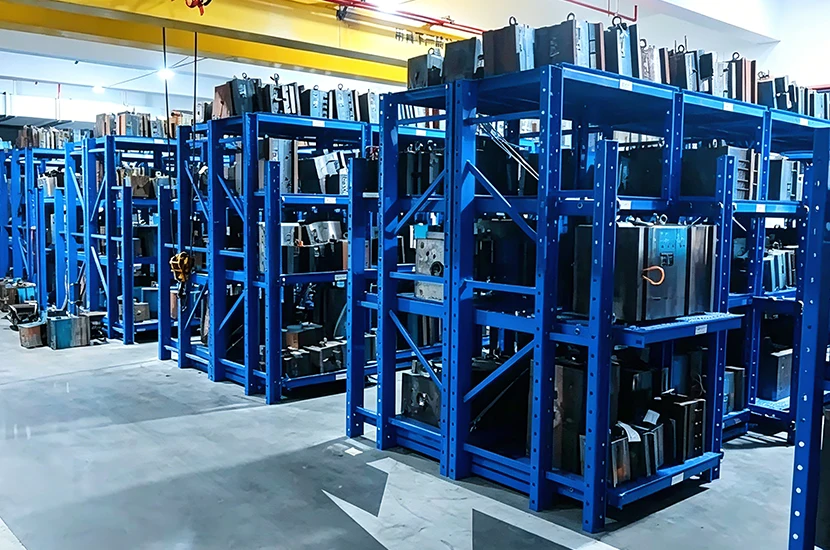
この3ヶ月間、当社のチームは金型倉庫管理システムの包括的なアップグレードを完了しました。これは、効率性、トレーサビリティ、そして長期的なサービス品質を向上させるための重要なステップです。 このプロジェクトでは、金型在庫全体を体系的に再編成しました。各金型にはラベルとコードが新たに貼られ、明確な保管場所が割り当てられ、追跡と管理を容易にするための標準化された識別プレートが取り付けられました。合計で1,500個以上の金型が再登録され、アップグレードされた倉庫システムに適切に保管されています。 このプロセスは、社内の効率性を向上させるだけでなく、お客様からのリピート注文に、より迅速かつ正確に対応することを可能にします。 さらに、保管中の未使用金型をすべて見直し、長期間使用されていなかった500個以上の金型を処分しました。これにより、倉庫スペースを最適化し、より整理された効率的な保管環境を維持することができました。 特筆すべき点として、弊社ではすべてのお客様に最長5年間、金型を無料で保管するサービスを提供しております。この期間中、金型は丁寧にメンテナンスされ、将来の生産にご利用いただけます。 ただし、金型が5年以上使用されていない場合は、お客様との合意またはお客様からの特別な指示がない限り、廃棄処分を進めます。 今回のアップグレードにより、以下のことが可能になりました。 (1)金型のトレーサビリティと管理効率の向上 (2)リピート生産への迅速な対応を確保する (3)倉庫スペースと組織を最適化する (4)より信頼性の高い長期金型保管サービスを提供する 当社は、金型の適切な管理こそが、安定した生産と長期的な協力関係の基盤であると確信しています。今回のアップグレードは、製造サービスだけでなく、グローバルパートナーの皆様に専門的かつ責任ある金型管理サービスを提供するという当社の強い決意を示すものです。
もっと詳しく知る
ブログ7
お問い合わせ

きめ細やかで特別なサービスをお楽しみください

お問い合わせ、ご協力のご希望、ご意見・ご提案など、どのようなことでもお気軽にご連絡ください。弊社の専門チームが、迅速かつ丁寧な対応で、お客様一人ひとりに寄り添ったサービスをご提供いたします。きめ細やかなサービス姿勢と効率的な信頼性で、お客様のニーズを常に最優先に考えます。皆様との誠実なコミュニケーションと、共に成功できる協力関係を築けることを楽しみにしております。

    名前 *

    メールアドレス *

    電話番号

    WhatsApp

    あなたはどの国/地域にお住まいですか?*

    ウェブサイト/ファイル共有リンク

    または、製品図面をアップロードしてください(最大10MB)。

    コメントまたは製品メッセージ *

    製品
    連絡先
    WhatsApp
    メール