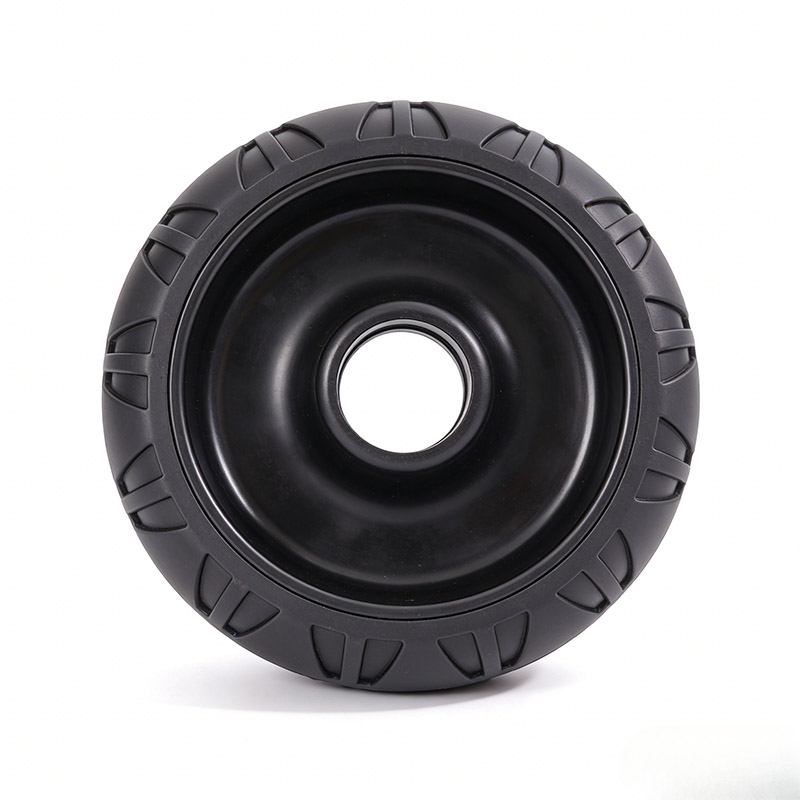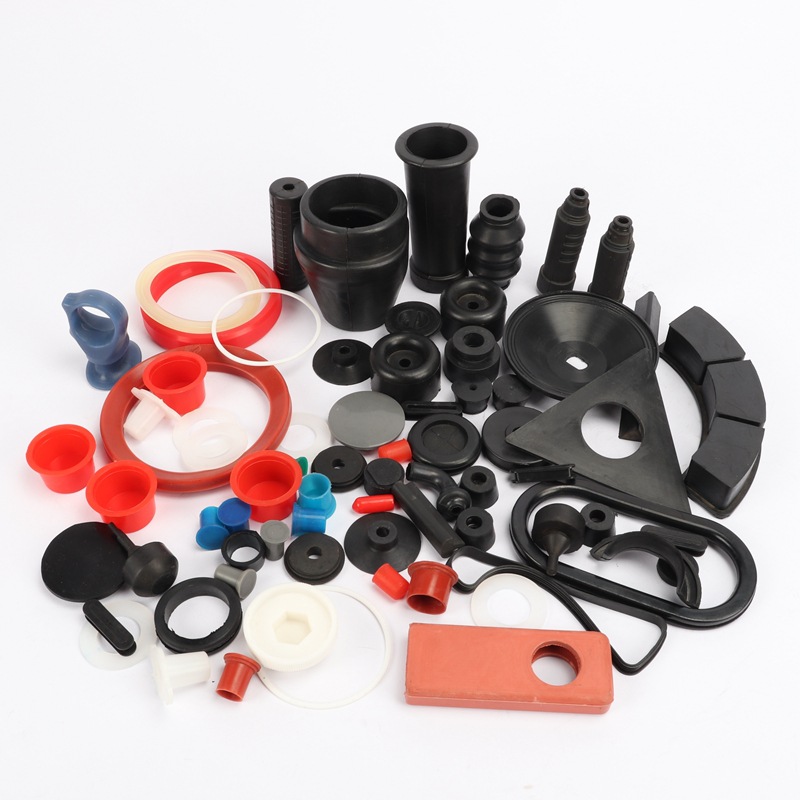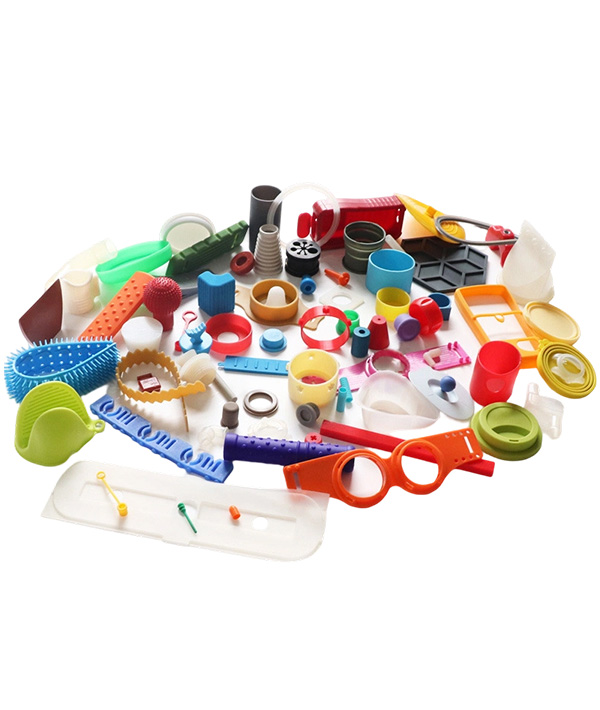
Custom rubber parts must do more than match a shape. They may need to seal, flex, isolate vibration, protect an edge or maintain contact through repeated use. We review the operating conditions first, then connect material, geometry and molding method to the job the part must perform.
Rubber overmolding combines a softer elastomer with a rigid part or insert to create grip, sealing, cushioning or protection in one component. Reliable results depend on the interface: material compatibility, mechanical retention, surface condition and tool shutoffs must all be planned.
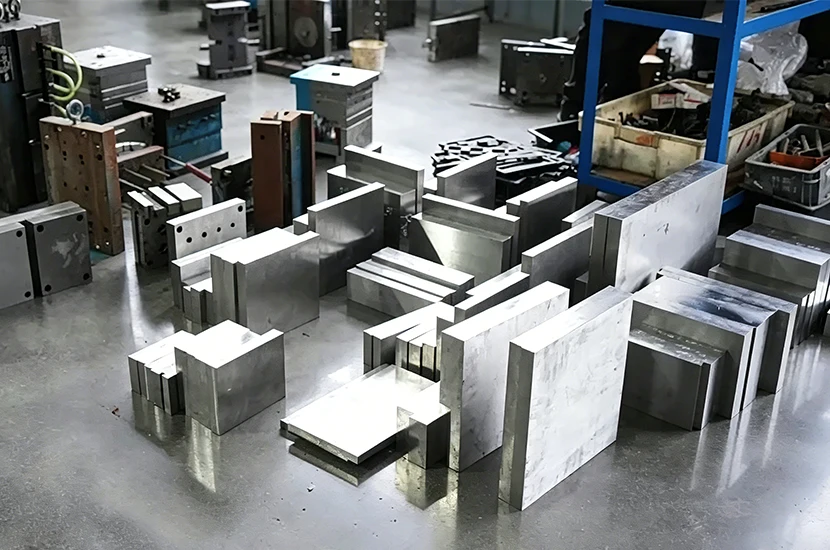
Compression molding forms a measured rubber charge in a heated tool, where pressure shapes the material and heat cures it. The process is well established for many custom elastomer parts and can be a practical choice for robust geometries and suitable production volumes.