Wo SLA nützlich ist
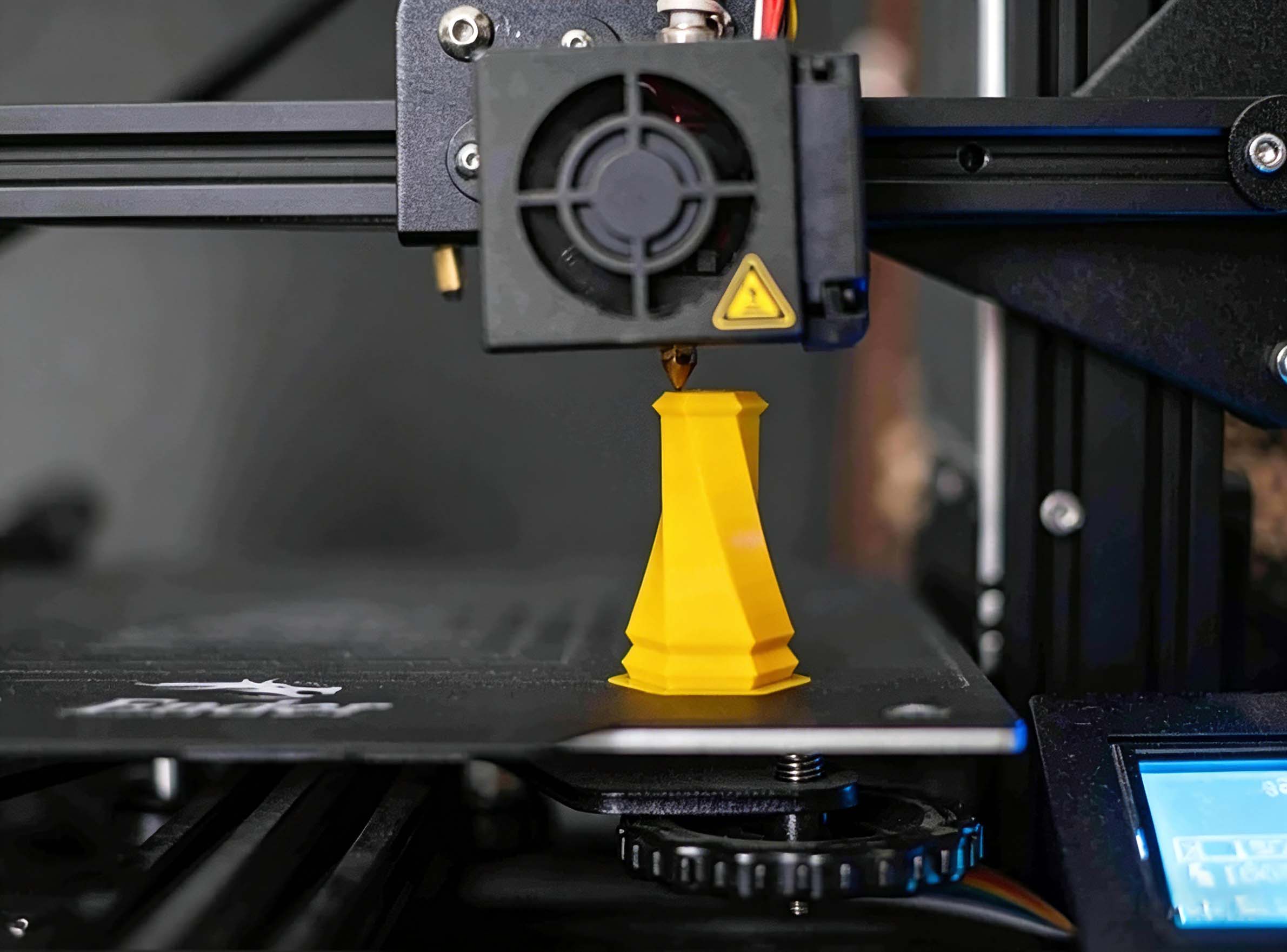
SLA ermöglicht die Umwandlung eines digitalen Modells in ein detailliertes physisches Bauteil ohne Produktionswerkzeuge. Konstrukteure nutzen es, um Maßstab, Ergonomie, Montagezugänglichkeit und visuelle Gestaltung zu überprüfen. Es eignet sich auch für Urmodelle oder Kleinserien. Die korrekte Anwendung ist ein Lernprozess und kein automatischer Ersatz für Formteile.
Grenzen von Photopolymeren verstehen
SLA-Harze sind ausgehärtete Photopolymere und verhalten sich nicht exakt wie spritzgegossene Thermoplaste. Festigkeit, Schlagfestigkeit, Hitzebeständigkeit, Langzeitbeständigkeit und UV-Verhalten variieren je nach Harz. Ein passgenauer Prototyp muss unter Umständen noch separat mit dem vorgesehenen Produktionsmaterial validiert werden.
Design und Ausführung
Ausrichtung, Stützstruktur und Schichtstrategie beeinflussen Markierungen, Genauigkeit und Oberflächenbeschaffenheit. Die Teile werden nach dem Drucken gereinigt und nachgehärtet; je nach Zielsetzung können Schleifen, Lackieren oder Polieren erforderlich sein. Transparente Teile erfordern in der Regel eine zusätzliche Nachbearbeitung und sind nicht optisch perfekt.
Auswahl des Prototypziels
Ein visuelles Modell legt den Fokus auf Oberfläche und Details. Ein Passformprüfungsmodell priorisiert Schnittstellen und Abmessungen. Ein Funktionstest kann einen technischen Kunststoff und eine definierte Belastung oder Temperatur erfordern. Die Formulierung des Ziels hilft, Kosten für Eigenschaften zu vermeiden, die der Prototyp nicht benötigt.
Was vor dem Angebot definiert werden muss
Ein aussagekräftiges Angebot beginnt mit einem sauberen 3D-Modell, Angaben zu Menge, Maßstab, gewünschtem Harzverhalten, Oberflächenbeschaffenheit, Farbe, kritischen Flächen und Maßvorgaben. Diese Details ermöglichen es dem Entwicklungsteam, feste Anforderungen von Präferenzen zu unterscheiden und fehlende Informationen zu identifizieren, bevor diese Kosten oder Zeitplan beeinflussen. Das unmittelbare Ziel ist ein detaillierter Harzprototyp, der eine klar definierte visuelle, passgenaue oder eingeschränkte funktionale Frage beantwortet. Ist eine Anforderung noch nicht bekannt, sollte sie als offen gekennzeichnet und nicht hinter einer allgemeinen Toleranz, Materialbezeichnung oder Qualitätsangabe versteckt werden. Dies schafft für beide Seiten eine klarere Grundlage, um Optionen zu vergleichen, Muster zu planen und festzulegen, welche Nachweise vor der Produktion benötigt werden.
Risikobewertung und Qualitätsplanung
Die Projektplanung sollte die Behandlung von Fotopolymeren als Produktionskunststoff, Stützmarkierungen, empfindliche Stellen, Verformungen nach der Aushärtung und unrealistische Erwartungen an die Transparenz berücksichtigen. Nicht jedes Risiko erfordert den gleichen Prüfaufwand. Daher sollte sich der Qualitätsplan auf Merkmale konzentrieren, die Passform, Funktion, Aussehen oder die nachfolgende Montage beeinflussen. Je nach Projekt kann die Kontrolle Dateirevision, Ausrichtung, Harz, Nachhärtung, Oberflächenbearbeitung und die auf das Prototypenziel abgestimmte Prüfung umfassen. Messmethoden, Probenahmehäufigkeit, Referenzmuster und Berichtsanforderungen sollten vor der Serienproduktion vereinbart werden. Dieser risikobasierte Ansatz räumt kritischen Anforderungen einen sichtbaren Platz im Prozess ein, ohne zu implizieren, dass jede Eigenschaft auf exakt dieselbe Weise kontrolliert werden kann.
Der Wert einer integrierten Fertigungsroute
Shenyue verknüpft Designprüfung, Materialberatung für den 3D-Druck, Prototypenfertigung, Montageprüfungen und spätere Werkzeugkonstruktion in einem einzigen Projektablauf. Diese Verknüpfung ist wichtig, da Entscheidungen in einer Phase oft die nächste beeinflussen: Material wirkt sich auf Verarbeitung und Oberflächenbearbeitung aus, Werkzeuge auf Entformung und Aussehen, und Montage oder Verpackung können Probleme aufdecken, die an einem einzelnen Bauteil nicht sichtbar sind. Die zentrale Verwaltung von technischen Fragen, Feedback zu Mustern und Überarbeitungen reduziert unnötige Schnittstellen. Zudem bietet Shenyue Käufern einen praxisorientierteren Weg von den ersten Dateien bis zur freigegebenen Produktionsgrundlage und gegebenenfalls Unterstützung bei Nachbestellungen.
Typische Anwendungen / Projektpassung
Geeignet für Gehäuse, Modellbausätze, kleine, detaillierte Bauteile, Montageprüfungen und Werkzeugvorbereitungsprüfungen. Sehr große Teile, die langfristige Belastungen oder hohe Produktionsmengen erfordern, sollten gegebenenfalls mit einem anderen Verfahren geprüft werden.
Häufig gestellte Fragen
Ist SLA-Material dasselbe wie Formkunststoff?
Nein. SLA verwendet Fotopolymerharz, daher sollte die Leistung nicht als identisch mit der von ABS, PC, Nylon oder einem anderen spritzgegossenen Thermoplasten angesehen werden.
Können SLA-Teile transparent sein?
Transparentes Harz ist in der Materialübersicht verfügbar, die Transparenz hängt jedoch von der Geometrie und der Oberflächenbearbeitung ab.
Welche Dateien soll ich bereitstellen?
Ein sauberes 3D-Modell plus Mengenangaben, Abmessungen, Harzziel, Farbe oder Oberflächenbeschaffenheit und kritische Bereiche.
Teilen Sie uns bitte mit, ob das Teil für die Optik, die Passform oder für funktionelle Lernzwecke gedacht ist. Senden Sie uns die 3D-Datei und markieren Sie die wichtigsten Oberflächen oder Abmessungen.