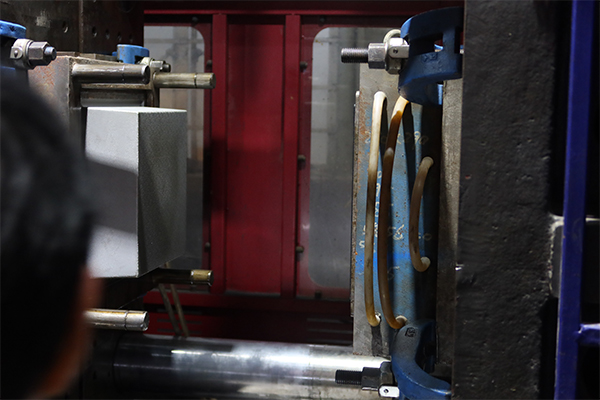
Was ist Umspritzen?
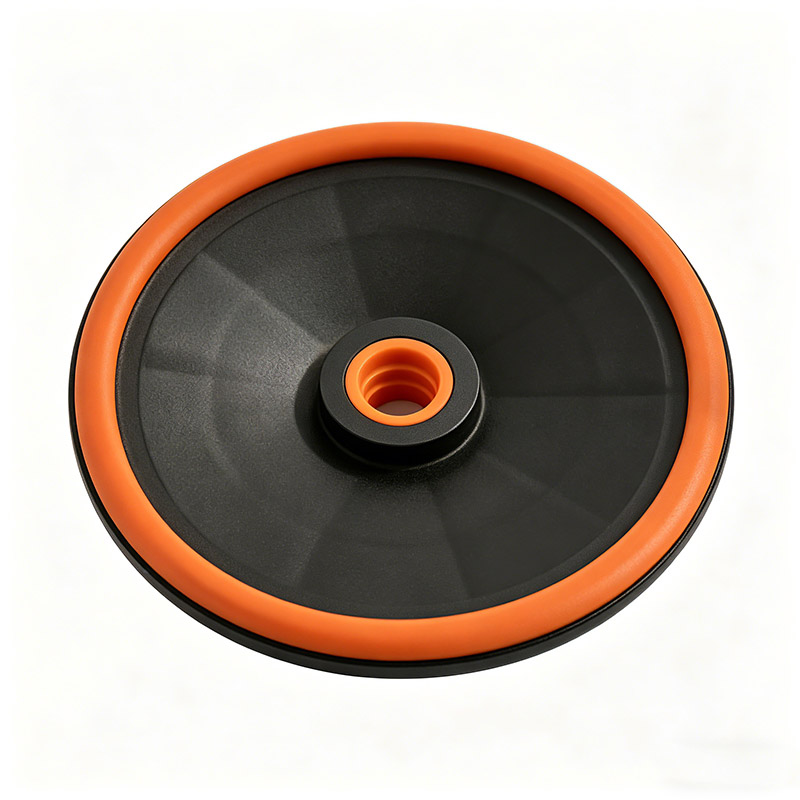
Beim Umspritzen handelt es sich um ein Fertigungsverfahren, bei dem ein Material über ein anderes Basisbauteil gegossen wird, um ein einzelnes, integriertes Bauteil zu erzeugen. Das Substrat wird zunächst hergestellt oder vorbereitet und anschließend in eine Form eingelegt, in der ein zweites Material um ausgewählte Oberflächen herum aufgetragen wird.
Das starre Substrat kann für Struktur, Dimensionsstabilität oder Tragfähigkeit sorgen. Die umspritzte Schicht kann Griffigkeit, Dämpfung, Abdichtung, Aufprallschutz, Isolierung oder eine komfortablere Oberfläche für den Benutzer bieten.
Je nach Anwendung kann das Substrat aus Kunststoff, Metall oder einem anderen vorgeformten Bauteil bestehen. Die Umspritzung kann aus einem thermoplastischen Elastomer, TPU, einer Gummimischung oder einem anderen kompatiblen Material bestehen, das entsprechend den erforderlichen Eigenschaften ausgewählt wird.
Was durch Umspritzen erreicht werden kann
Das Umspritzen kommt häufig dann zum Einsatz, wenn ein Produkt die Eigenschaften zweier Materialien in einem Bauteil vereinen soll. Eine weiche Schicht kann beispielsweise das Abrutschen eines Griffs reduzieren, Stöße auf ein Gehäuse abfedern, eine freiliegende Kante schützen oder eine lokale Abdichtung an einer Verbindungsstelle herstellen.
Das Verfahren ermöglicht auch die Zusammenführung von Bauteilen, die andernfalls Klebeverbindungen, separate Dichtungen oder eine mechanische Montage erfordern würden. Dadurch kann die Teileanzahl reduziert und die Handhabung vereinfacht werden. Der Nutzen sollte jedoch gegen Werkzeugkomplexität, Materialverträglichkeit, Belastungsanforderungen und Produktionsvolumen abgewogen werden.
Die beste Umspritzung ist nicht einfach die weichste oder dickste Schicht. Dicke, Deckkraft, Härte, Textur, freiliegende Bereiche und Übergangsgeometrie sollten alle auf die geplante Verwendung des fertigen Teils abgestimmt sein.
Verbindung ist eine Konstruktionsentscheidung
Manche Materialkombinationen können unter geeigneten Verarbeitungsbedingungen eine nützliche chemische Haftung entwickeln. Andere erfordern mechanische Halteelemente wie Bohrungen, Nuten, Rippen, Hinterschneidungen oder Schwalbenschwanzverbindungen.
Die chemische Bindung sollte nicht allein anhand der Materialbezeichnung abgeleitet werden. Die genauen Güteklassen, die Oberflächenbeschaffenheit, das Herstellungsverfahren, die Formtemperatur und die Einsatzumgebung können das Ergebnis beeinflussen. Verunreinigungen, Feuchtigkeit, Trennmittel, Beschichtungen oder Oxidation können die Haftung verringern.
Aus diesem Grund sollte die Schnittstelle auf die reale Belastung und Umgebung ausgelegt sein. Je nach Anwendung können Prüfmuster auf Schäl-, Zug-, Drehmoment-, Dichtheits-, Pass- oder Wiederverwendungsfestigkeit geprüft werden. Eine optisch einwandfreie Klebeverbindung allein beweist noch keine Langzeitleistung.
Gestaltung des Substrats und der Schnittstelle
Das Substrat muss ausreichend fest und stabil sein, um den Temperatur-, Druck- und Handhabungsbedingungen beim Formgebungsprozess standzuhalten. Schwache Wände, ungestützte Kanten oder ungünstig positionierte Merkmale können sich während des Umspritzvorgangs verschieben, verformen oder Beschädigungen aufweisen.
Das Werkzeug sollte das Substrat präzise positionieren und die Bereiche stützen, die dem Formdruck ausgesetzt sind. Bezugsflächen, Positionierstifte, Auflagepunkte und Belastungsrichtung werden zusammen mit der endgültigen Bauteilgeometrie berücksichtigt.
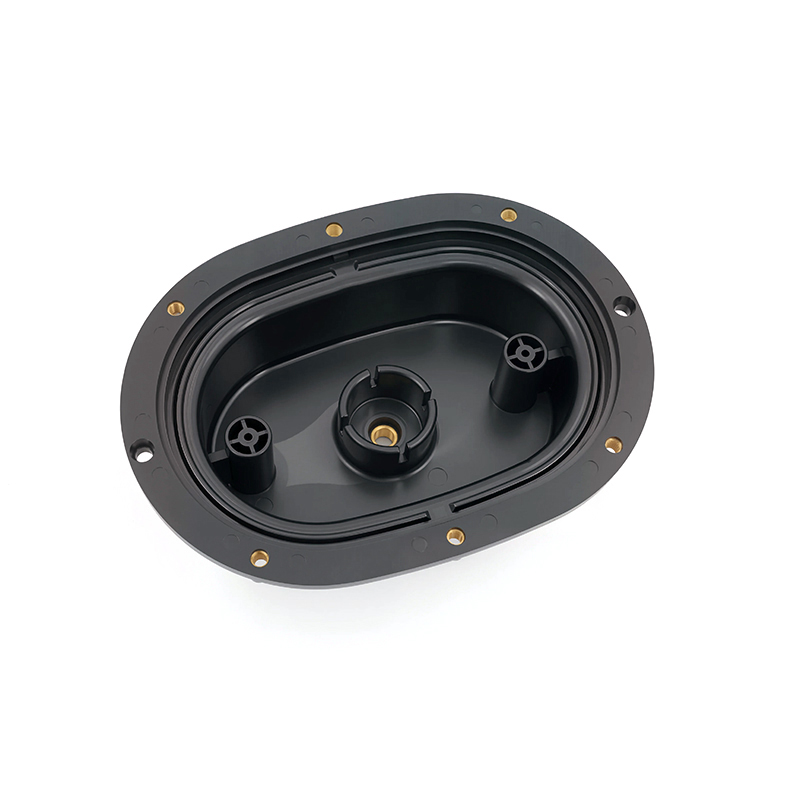
Die Schnittstelle sollte auch definieren, welche Oberflächen freiliegen müssen. Gewinde, elektrische Kontakte, optische Flächen, Befestigungslöcher und Montageelemente erfordern möglicherweise Absperrungen, Abdeckkappen oder spezielle Stützen. Diese Bereiche sollten vor Beginn der Werkzeugfertigung in der Zeichnung deutlich gekennzeichnet werden.
Werkzeug-, Lade- und Prozesssteuerung
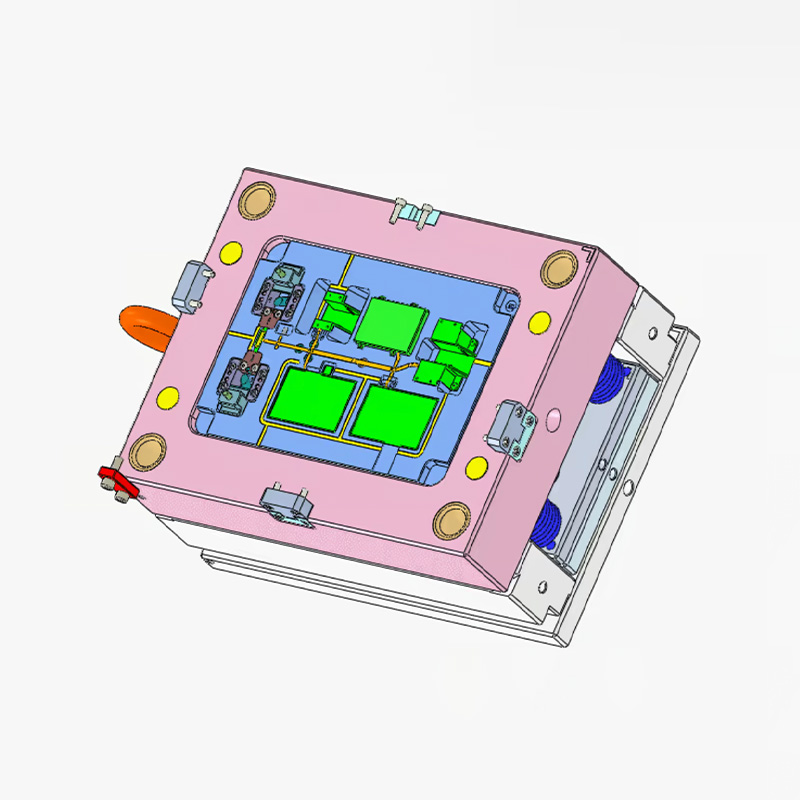
Umspritzwerkzeuge müssen den Materialfluss steuern und gleichzeitig das Substrat in der richtigen Position halten. Angusslage, Entlüftung, Absperrventile, Kühlung und Auswurf beeinflussen die Deckung, den Grat, das Erscheinungsbild und die Entformung.
Bei geringen bis mittleren Stückzahlen kann eine kontrollierte manuelle Beladung erfolgen. Höhere Stückzahlen erfordern unter Umständen den Einsatz einer Vorrichtung, einer Poka-Yoke-Funktion oder eines automatisierten Beladungsverfahrens. Die geeignete Vorgehensweise hängt von der Substratform, der Ausrichtung, der Anzahl der Kavitäten, der Zykluszeit und dem Arbeitsaufwand ab.
Bei der Probenahme wird der Prozess auf unvollständige Beschichtung, Lufteinschlüsse, Gratbildung, Substratbewegungen, Kantenablösungen, sichtbare Markierungen und ungleichmäßige Schichtdicke überprüft. Anpassungen sollten auf das Design, das Werkzeug oder den Prozess zurückgeführt werden, damit ein kosmetisches Symptom nicht mit der eigentlichen Ursache verwechselt wird.
Probenahme und Validierung
Die Muster sollten hinsichtlich des Verwendungszwecks der Umspritzung bewertet werden. Bei einer Grifffläche können Prüfungen auf Rutschfestigkeit oder wiederholte Nutzung erforderlich sein. Bei einer Dichtungsanwendung können Dichtheits- oder Druckprüfungen notwendig sein. Eine Schutzschicht kann Prüfungen auf Stoßfestigkeit, Abriebfestigkeit oder Umwelteinflüsse erfordern.
Typische Stichprobenprüfungen können Folgendes umfassen:
- Abdeckung der Umspritzung und Materialplatzierung.
- Substratposition und Zustand der freiliegenden Oberfläche.
- Abmessungen, Dicke und Montagepassung.
- Blitzschutz, Kantenanhebung und kosmetisches Erscheinungsbild.
- Schäl-, Zug-, Drehmoment-, Dichtigkeits- oder andere vereinbarte Grenzflächentests.
- Leistungsfähigkeit nach wiederholter Handhabung oder Umwelteinwirkung.
Kunde und Hersteller sollten sich vor Produktionsbeginn auf das Abnahmeverfahren einigen. Für sicherheitskritische, medizinische, elektrische oder regulierte Anwendungen sind weiterhin kundenspezifische Standards und Validierungen erforderlich.
Was vor der Angebotserstellung definiert werden sollte
Ein aussagekräftiges Angebot beginnt mit Angaben zum Untergrund und zur Umspritzung. Bitte geben Sie, sofern verfügbar, Folgendes an:
- 3D-Modelle und kontrollierte 2D-Zeichnungen für beide Komponenten.
- Substratmaterial, Güteklasse, Oberflächenbeschaffenheit, Beschichtung und Oberflächenzustand.
- Materialpräferenzen für die Umspritzung, Härte, Farbe und Textur.
- Schnittstellengeometrie und etwaige mechanische Halteelemente.
- Oberflächen, die frei von Elastomeren bleiben müssen.
- Belastungen, Bewegung, Temperatur, Chemikalien, Feuchtigkeit und UV-Strahlung.
- Erforderliche Abmessungen, Erscheinungsstandards und Funktionstests.
- Erwartete Bestellmenge, Jahresbedarf und geplanter Produktionszeitpunkt.
Diese Details helfen dem Ingenieurteam, feste Anforderungen von Präferenzen zu trennen und offene Fragen zu identifizieren, bevor sie Kosten oder Zeitplan beeinflussen. Das unmittelbare Ziel ist eine dauerhafte, reproduzierbare Schnittstelle zwischen dem Substrat und der geformten Elastomerschicht.
Risikobewertung und Qualitätsplanung
Bei der Projektplanung sollten Aspekte wie schwache Haftung, Verformung des Untergrunds, Verunreinigungen, Lufteinschlüsse, unvollständige Füllung, Kantenabhebung, Gratbildung, variable Dicke und Materialunverträglichkeit berücksichtigt werden.
Nicht jede Eigenschaft erfordert den gleichen Prüfaufwand. Der Qualitätsplan sollte sich auf Merkmale konzentrieren, die Passform, Funktion, Aussehen oder die nachfolgende Montage beeinflussen. Je nach Projekt können die Kontrollen Folgendes umfassen:
- Substratidentität und Eingangszustand.
- Einsetzen oder Platzierung des Substrats.
- Umspritzungsabdeckung und -dicke.
- Freiliegende Oberflächen und kosmetische Bereiche.
- Abmessungen und Montageschnittstellen.
- Haftfestigkeits-, Zugfestigkeits-, Drehmoment-, Dichtigkeits- oder Funktionstests.
- Referenzmuster, Probenahmehäufigkeit und Berichtspflichten.
Vor der Serienproduktion sollten Messmethoden und Abnahmekriterien vereinbart werden. Dadurch entsteht ein transparenter Kontrollplan für die wichtigsten Merkmale, ohne dass suggeriert wird, dass jede Eigenschaft auf exakt dieselbe Weise kontrolliert werden kann.
Der Wert einer integrierten Fertigungsroute
Shenyue kann Materialverträglichkeitsprüfung, Substratbeschaffung oder Formgebung, Umspritzwerkzeugherstellung, Formgebung, Inspektion und Montagevalidierung in einem einzigen Projektablauf miteinander verbinden.
Dieser Zusammenhang ist wichtig, da eine Entscheidung in einem Arbeitsschritt oft den nächsten beeinflusst. Das Material wirkt sich auf Verarbeitung und Haftung aus. Die Werkzeuge beeinflussen Entformung, Gratbildung und Aussehen. Die Substratvorbereitung beeinflusst die Verklebung. Montage und Verpackung können Probleme aufdecken, die an einem einzelnen Bauteil nicht sichtbar sind.
Durch die Zusammenführung von technischen Fragen, Feedback zu Mustern und Überarbeitungen werden unnötige Schnittstellen reduziert. Käufer erhalten dadurch außerdem einen praktischeren Weg von den ersten Dateien bis zur freigegebenen Produktionsgrundlage und gegebenenfalls zur Unterstützung bei Nachbestellungen.
Typische Anwendungen / Projektpassung
Umspritzen eignet sich möglicherweise für:
- Werkzeuggriffe und ergonomische Griffe.
- Knöpfe, Schalter und Bedienelemente.
- Schutzkanten, Füße und Stoßdämpfer.
- Dichtungen, Dichtungsringe und lokale Abdichtungselemente.
- Sensorgehäuse und Elektronikgehäuse.
- Automobil- und Industriekomponenten.
- Konsumgüter, die weiche Oberflächen erfordern.
- Bauteile, die strukturelle Festigkeit mit Dämpfung oder Isolierung kombinieren.
Die Machbarkeit hängt von der Materialkombination, der Schnittstellengestaltung, der Substratstabilität, der Umspritzdicke, Hinterschneidungen, kosmetischen Anforderungen, Betriebsbedingungen und dem Produktionsvolumen ab.
Häufig gestellte Fragen
Wird die Verbindung zwischen Gummi oder TPE dauerhaft sein?
Nicht automatisch. Die Leistungsfähigkeit hängt von den genauen Materialgüten, der Oberflächenbeschaffenheit, der Schnittstellengestaltung, der Umgebung und der einwirkenden Last ab. Mechanische Sicherung und anwendungsspezifische Prüfungen können erforderlich sein.
Kann ein bereits vorhandenes starres Bauteil umspritzt werden?
Möglicherweise, sofern das Bauteil im Werkzeug positioniert und fixiert werden kann und den Formgebungstemperaturen und -drücken standhält. Zeichnungen, Muster und Substratspezifikationen sollten zuvor geprüft werden.
Welche Substratmaterialien können umspritzt werden?
Kunststoff, Metall und andere vorbereitete Substrate können in Betracht gezogen werden. Die Eignung hängt von der Hitzebeständigkeit, Dimensionsstabilität, Oberflächenbeschaffenheit, chemischen Beständigkeit und dem erforderlichen Klebe- oder Befestigungsverfahren ab.
Ist Umspritzen dasselbe wie Einlegetechnik?
Sie sind verwandt, aber nicht identisch. Beim Einlegeverfahren wird üblicherweise ein vorgeformter Einsatz in ein Werkzeug eingelegt und mit Kunststoff oder Gummi umspritzt. Beim Umspritzen hingegen wird eine zweite Material- oder Funktionsschicht auf ein Substrat aufgebracht.
Welche Prüfverfahren werden für ein umspritztes Bauteil empfohlen?
Das Prüfverfahren ist anwendungsabhängig. Mögliche Prüfungen umfassen Schäl-, Zug-, Drehmoment-, Dichtheits-, Passungs-, Gleit-, Schlag-, Abrieb- und Dauerbeanspruchungsprüfungen. Das Abnahmeverfahren sollte vor Produktionsbeginn festgelegt werden.
Geben Sie die Modelle des Substrats und der Umspritzung, Materialinformationen, die erwartete Menge sowie die Belastung oder Umgebung an der Grenzfläche an. Kennzeichnen Sie alle Oberflächen, die frei von Elastomer bleiben müssen, und geben Sie alle Bereiche an, in denen Haftung, Abdichtung, Griffigkeit oder Aussehen entscheidend sind.