How the process works
A prepared amount of uncured rubber is placed in the open mold. The tool closes under pressure, the material flows into the cavity and heat drives curing. After opening, the part is removed and excess flash is trimmed as required. Charge placement, temperature, pressure and cure time influence consistency.
Why choose compression molding
The method can handle many thermoset rubber compounds and relatively substantial sections. Tool construction may be simpler than some alternative rubber processes, depending on the part. It is not automatically the fastest or lowest-cost option; cycle time, labor, flash and material usage must be evaluated against quantity and quality needs.
Design considerations
Parting-line location, draft, venting, thickness transitions and allowable flash affect manufacturability. Rubber tolerances differ from machined metal tolerances and should reflect material behavior and function. Sealing faces and critical edges deserve explicit drawing notes.
Material and validation
Rubber choice is based on media, temperature, weathering, compression behavior, hardness and regulatory needs. Samples should be validated in the actual assembly where possible. General material descriptions cannot replace a grade-specific data sheet or end-use testing.
What to define before quotation
A useful quotation begins with drawing, compound family, hardness, color, quantity, flash limits, service conditions, cure expectations and critical features. These details let the engineering team distinguish fixed requirements from preferences and identify missing decisions before they affect cost or schedule. The immediate goal is a stable compression-molding route for elastomer parts whose geometry and volume suit the process. When a requirement is not yet known, it should be marked as open rather than hidden behind a generic tolerance, material name or quality statement. This gives both sides a clearer basis for comparing options, planning samples and deciding which evidence will be needed before production.
Risk review and quality planning
Project planning should address incorrect charge weight, trapped air, incomplete fill, cure variation, thick-section issues, flash and difficult trimming. Not every risk deserves the same inspection effort, so the quality plan should concentrate on features that affect fit, function, appearance or downstream assembly. Depending on the project, control can include material and batch records, dimensions, hardness, surface condition, flash limits and functional tests. Measurement methods, sampling frequency, reference samples and reporting expectations should be agreed before routine production. This risk-based approach gives critical requirements a visible place in the process without implying that every characteristic can be controlled in exactly the same way.
The value of an integrated manufacturing route
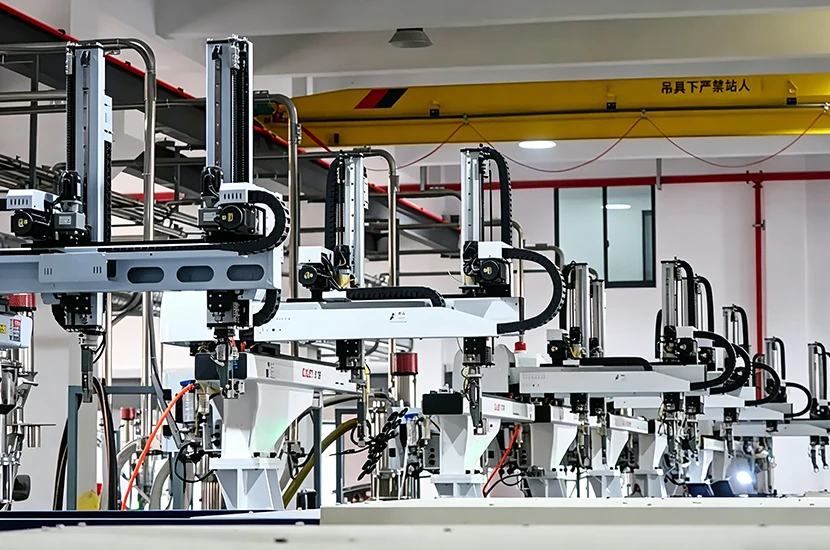
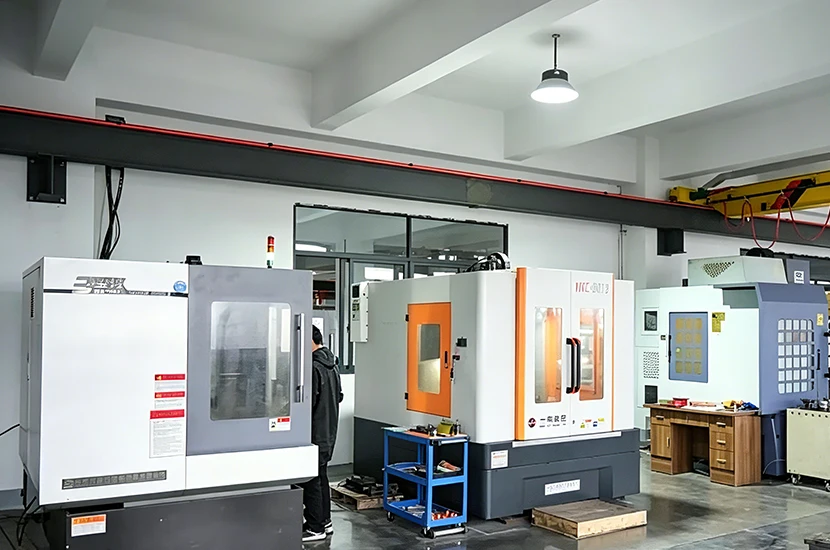
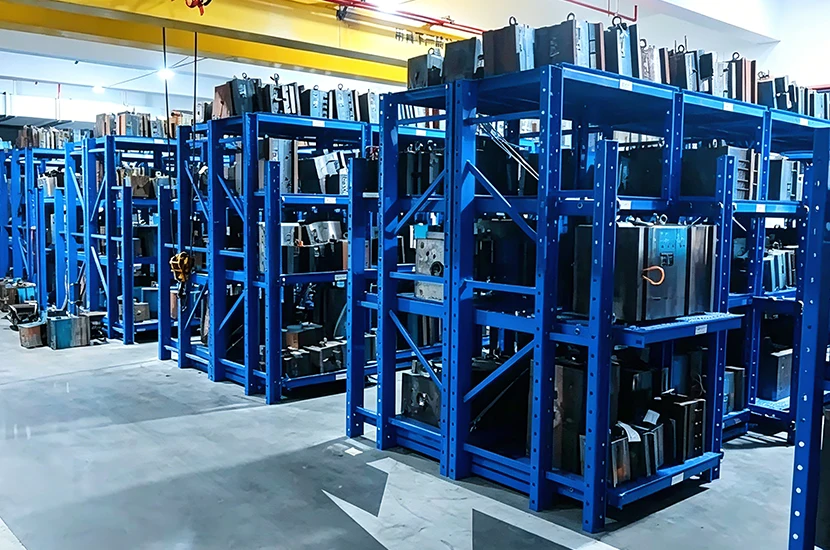
Shenyue can connect rubber material review, mold design, charge preparation, compression molding, trimming and inspection within one project route. That connection matters because a decision made in one stage often changes the next: material affects processing and finishing, tooling affects release and appearance, and assembly or packaging can expose issues that are not visible on an individual component. Keeping technical questions, sample feedback and revisions together reduces avoidable handoffs. It also gives buyers a more practical path from initial files to an approved production baseline and, when applicable, repeat-order support.
Typical Applications / Project Fit
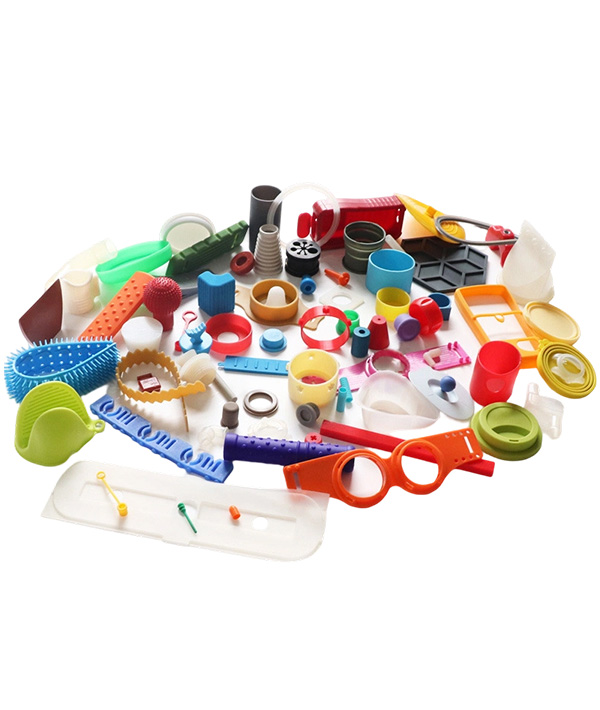
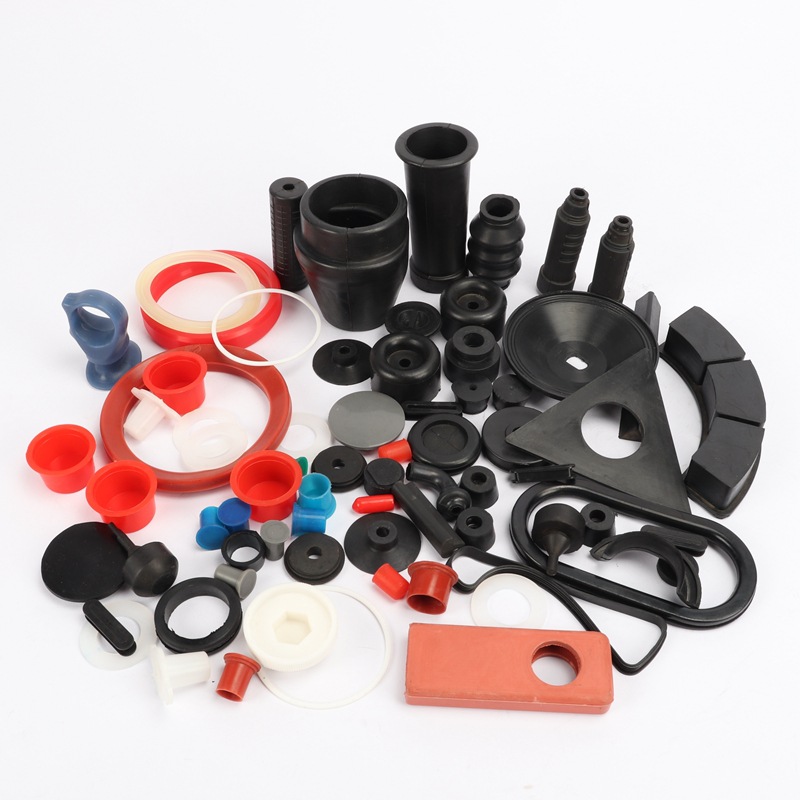
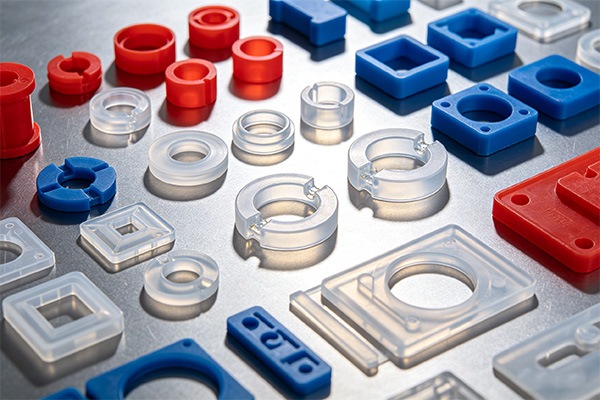
Often considered for gaskets, seals, pads, bumpers, diaphragms and industrial rubber components. Very intricate thin features or extremely high production requirements may point to another process after review.
Frequently Asked Questions
What causes flash on compression-molded parts?
Material flows toward the parting line as the tool closes. Tool design, charge control and trimming determine the final flash condition.
Can you mold silicone?
Silicone may be suitable, but the specific grade, curing system, geometry and compliance requirements must be reviewed.
How should tolerances be set?
Set them around function and recognized rubber-molding practice. Critical features should be discussed individually.
Send the drawing, rubber preference, hardness, quantity and service conditions. We will review whether compression molding is a sensible route.