Профилактическое техническое обслуживание
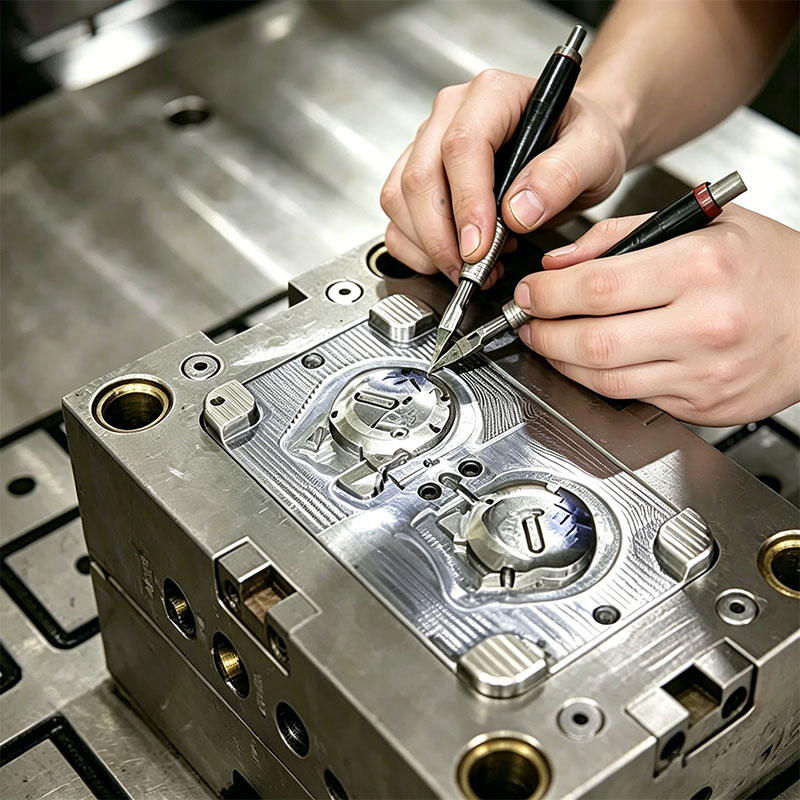
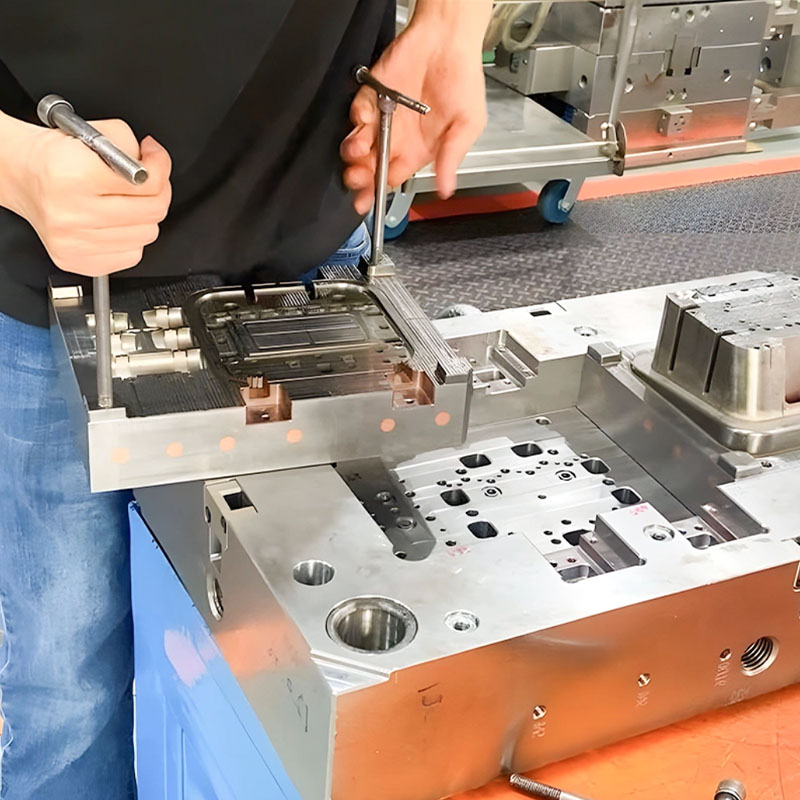
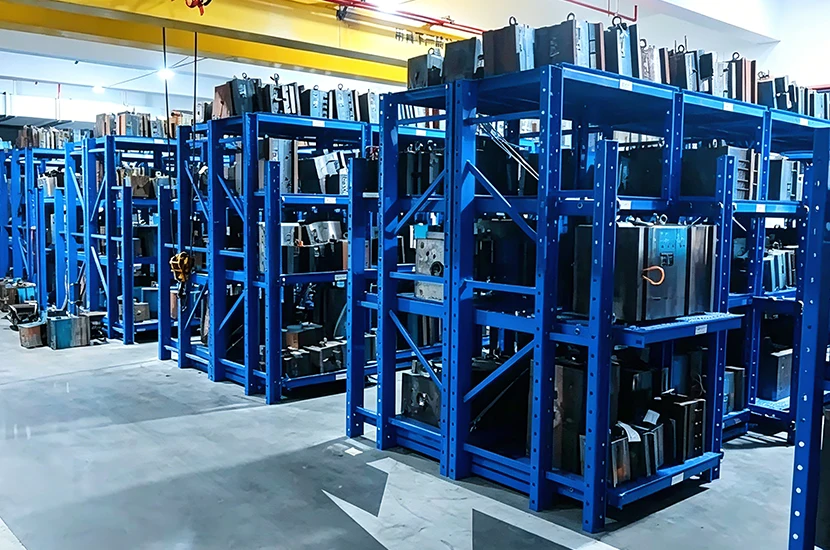
Плановое техническое обслуживание может включать очистку полостей и вентиляционных отверстий, проверку смазки, осмотр эжекторов, направляющих, подъемников, затворов, направляющих, уплотнений и соединений системы охлаждения, а также защиту инструмента при хранении. Частота зависит от смолы, добавок, конструкции инструмента, условий окружающей среды и количества циклов — единого календарного правила нет.
Ремонт начинается с диагностики.
Облой может указывать на износ запорного клапана, но также может быть связан с условиями процесса. Неполные впрыски могут быть вызваны вентиляционными отверстиями, литниками, материалом или настройками станка. Перед удалением или добавлением металла необходимо задокументировать дефект, затронутую полость и состояние инструмента. Это предотвратит ситуацию, когда ремонт устраняет симптом, но при этом заменяет исправный элемент.
Контролируемые корректирующие работы
Ремонт может включать полировку, замену компонентов, локальное восстановление или регулировку подвижных и уплотнительных зон, в зависимости от доступа и состояния инструмента. Предлагаемые работы, ожидаемый эффект и риски, связанные с размерами, должны быть согласованы до внесения изменений. Значительные изменения могут потребовать обновления чертежей или документации.
Возобновление работы
После проведения существенного ремонта выполняется пробная проверка работы, заполнения, выброса и характеристик, связанных с первоначальной проблемой. Утвержденные образцы или измерения подтверждают готовность инструмента к возвращению в производство. Журнал технического обслуживания становится частью процесса поиска и устранения неисправностей в будущем.
Что нужно определить перед составлением коммерческого предложения?
Полезное коммерческое предложение начинается с чертежей пресс-формы, информации о владельце, истории технического обслуживания, оценки цикла, образцов дефектов, поврежденной полости, технологических записей и фотографий. Эти детали позволяют инженерной команде отличать фиксированные требования от предпочтений и выявлять недостающие решения до того, как они повлияют на стоимость или сроки. Непосредственная цель — вернуть производственную пресс-форму в известное, задокументированное и пригодное для использования состояние. Если требование еще неизвестно, его следует пометить как открытое, а не скрывать за общим допуском, названием материала или заявлением о качестве. Это дает обеим сторонам более четкую основу для сравнения вариантов, планирования образцов и принятия решения о том, какие доказательства потребуются до начала производства.
Анализ рисков и планирование качества
При планировании проекта следует учитывать устранение причин неисправности, удаление полезной стали, потерю эталонных образцов, засорение системы охлаждения, повторяющийся износ и незадокументированные изменения. Не каждый риск требует одинаковых усилий по контролю, поэтому план обеспечения качества должен сосредоточиться на характеристиках, влияющих на посадку, функциональность, внешний вид или последующую сборку. В зависимости от проекта, контроль может включать в себя записи до и после, проверку компонентов, перемещение инструмента, состояние системы охлаждения или вентиляции, испытания и выборочные измерения. Методы измерения, частота отбора проб, эталонные образцы и требования к отчетности должны быть согласованы до начала серийного производства. Такой подход, основанный на оценке рисков, обеспечивает видимое место критически важных требований в процессе, не подразумевая при этом, что каждая характеристика может контролироваться совершенно одинаково.
Ценность интегрированного производственного маршрута
Компания Shenyue может объединить проектирование пресс-форм, механическую обработку, полировку, замену компонентов, пробное литье и устранение неполадок в производстве в рамках одного проекта. Эта взаимосвязь важна, поскольку решение, принятое на одном этапе, часто влияет на следующий: материал влияет на обработку и отделку, оснастка влияет на извлечение и внешний вид, а сборка или упаковка могут выявить проблемы, невидимые на отдельном компоненте. Объединение технических вопросов, отзывов об образцах и правок позволяет избежать лишних передач информации. Это также предоставляет покупателям более практичный путь от исходных файлов до утвержденной производственной базы и, при необходимости, поддержку повторных заказов.
Типичные области применения / Соответствие проекту
Техническая поддержка предоставляется после проверки принадлежности инструмента, его конструкции, чертежей, истории и физического состояния. Для устаревших или изготовленных сторонними компаниями форм может потребоваться предварительная оценка, прежде чем можно будет подтвердить объем работ и сроки.
Часто задаваемые вопросы
Как часто следует проводить профилактическое удаление плесени?
Интервал зависит от количества циклов, типа смолы, добавок, сложности механизма и наблюдаемого износа. График, разработанный специально для конкретного проекта, более полезен, чем универсальное числовое значение.
Можно ли отремонтировать каждую поврежденную плесень?
Нет. Сильный износ, коррозия, отсутствие данных или структурные повреждения могут сделать замену или перепроектирование более целесообразными.
Будут ли отремонтированные детали точно соответствовать оригинальным?
Целью является согласованное функциональное и размерное состояние. Осуществимость зависит от оставшейся стали, справочных данных и метода ремонта.
Опишите дефект, пораженные полости, последний известный исправный цикл обработки и текущее местоположение инструмента. Фотографии, образцы и история технического обслуживания сделают первоначальную оценку более полезной.