Decorazione e finitura della superficie
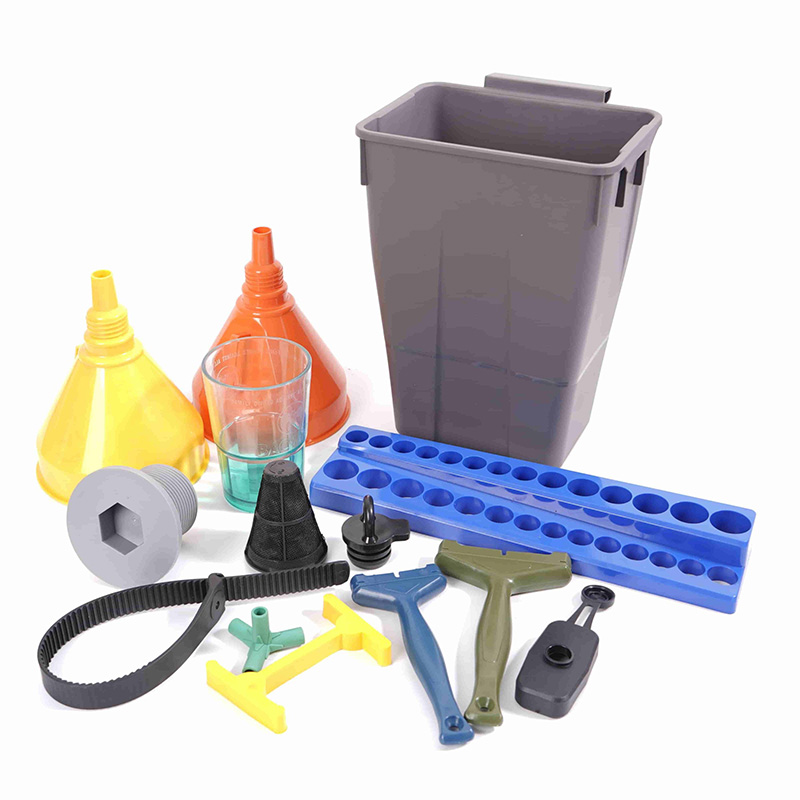
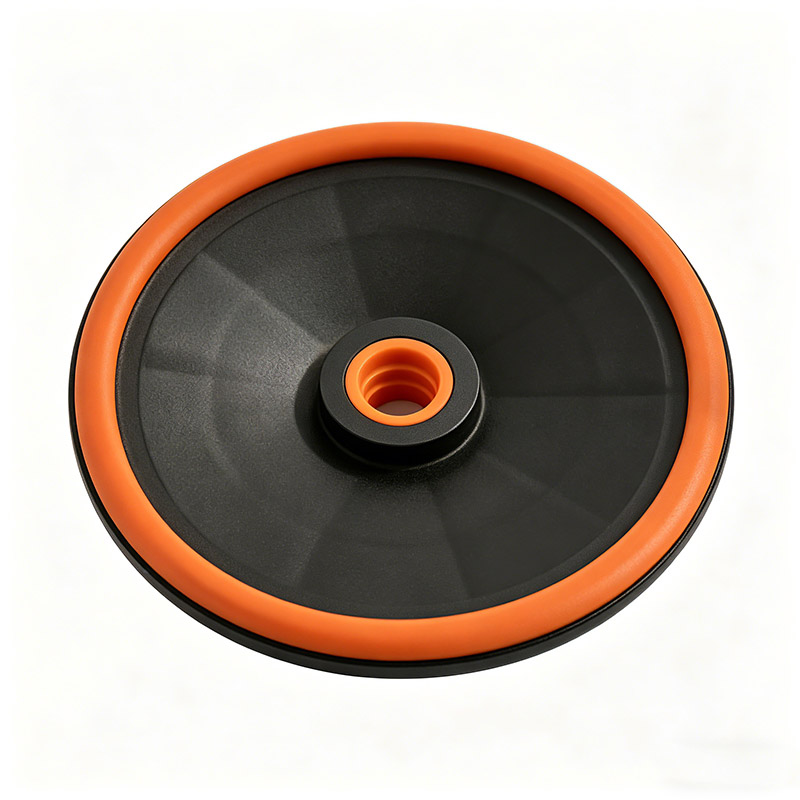
La tampografia è adatta a grafiche di piccole dimensioni o curve; la serigrafia è spesso utilizzata su superfici più piane; la stampa UV può supportare grafiche digitali multicolore a seconda della forma del pezzo e dell'adesione dell'inchiostro. Per materiali e fornitori compatibili, si possono prendere in considerazione la galvanizzazione o la verniciatura soft-touch. È necessario specificare e campionare le aspettative relative a colore, lucentezza, texture, tolleranza della grafica e adesione.
Lavorazione secondaria
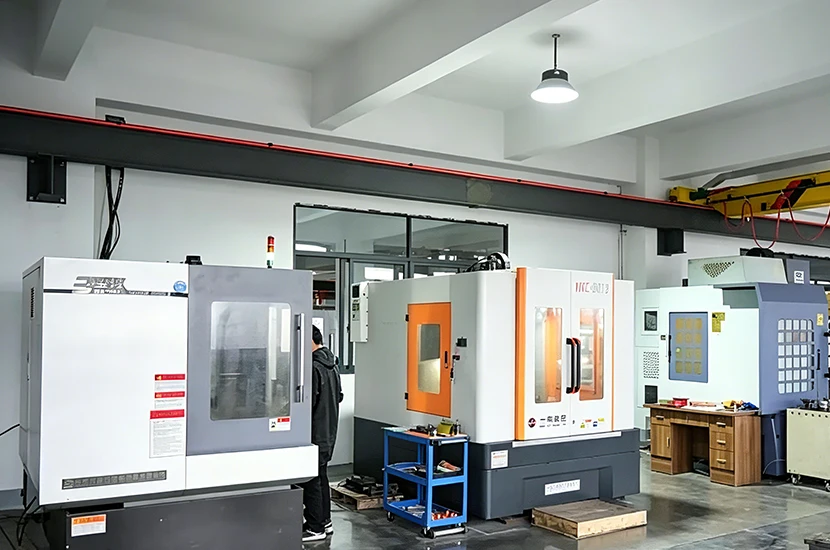
La foratura e la maschiatura possono creare fori o filettature che risultano difficili da realizzare tramite stampaggio o che richiedono un controllo più preciso dopo lo stampaggio. Queste operazioni aumentano i costi di movimentazione, ma possono semplificare lo stampo o migliorarne la flessibilità. Le superfici lavorate e le bave ammissibili devono essere indicate sul disegno.
Montaggio e componenti
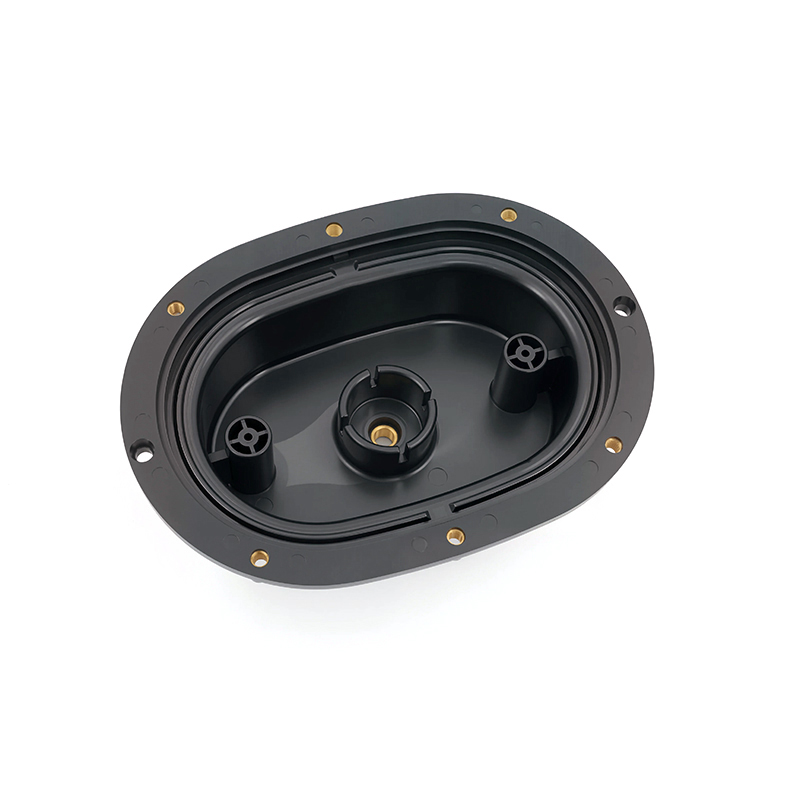
L'inserimento di componenti hardware e l'assemblaggio di più componenti possono essere inclusi quando vengono definiti i componenti, l'orientamento, il metodo di giunzione e le verifiche funzionali. È possibile utilizzare dispositivi di fissaggio o elementi poka-yoke laddove il rischio lo giustifichi. I componenti forniti dal cliente richiedono specifiche in ingresso chiare e limiti di responsabilità ben definiti.
Imballaggio in base alle esigenze di consegna
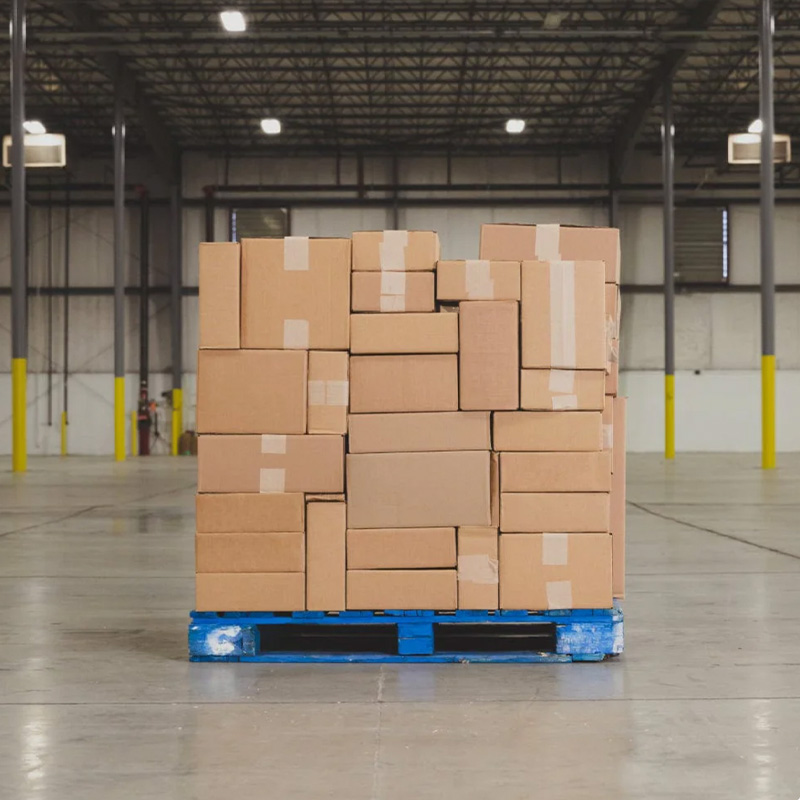
Le opzioni visualizzate nella pagina del servizio esistente includono sacchetti di plastica, scatole colorate, confezionamento termoretraibile, imballaggi in cartone e confezioni personalizzate. La scelta finale dovrà tenere conto della protezione dai graffi, del numero di pezzi, dell'etichettatura, del trasporto e della presentazione al dettaglio. La grafica dell'imballaggio e le indicazioni legali sono soggette all'approvazione del cliente.
Cosa definire prima del preventivo
Un preventivo efficace inizia con disegni, riferimenti cromatici, campioni di finitura, disegni di assemblaggio, distinta base, specifiche di imballaggio e prove di accettazione. Questi dettagli consentono al team di ingegneri di distinguere i requisiti fissi dalle preferenze e di individuare le decisioni mancanti prima che influiscano sui costi o sulle tempistiche. L'obiettivo immediato è un componente finito la cui decorazione, lavorazione, assemblaggio e imballaggio rimangano tracciabili rispetto al pezzo stampato. Quando un requisito non è ancora noto, dovrebbe essere indicato come "aperto" anziché essere nascosto dietro una tolleranza generica, il nome del materiale o una dichiarazione di qualità. Ciò fornisce a entrambe le parti una base più chiara per confrontare le opzioni, pianificare i campioni e decidere quali prove saranno necessarie prima della produzione.
Revisione dei rischi e pianificazione della qualità
La pianificazione del progetto dovrebbe affrontare problemi quali scarsa adesione, disallineamento della grafica, sbavature, superfici estetiche danneggiate, componenti mancanti e graffi sull'imballaggio. Non tutti i rischi meritano lo stesso livello di ispezione, pertanto il piano di qualità dovrebbe concentrarsi sulle caratteristiche che influiscono su adattamento, funzionalità, aspetto o assemblaggio a valle. A seconda del progetto, il controllo può includere l'approvazione del primo pezzo, limiti visivi, verifiche di adesione o funzionali, conteggio dei componenti e verifica dell'imballaggio. Metodi di misurazione, frequenza di campionamento, campioni di riferimento e aspettative di reporting dovrebbero essere concordati prima della produzione di routine. Questo approccio basato sul rischio conferisce ai requisiti critici una posizione visibile nel processo, senza tuttavia implicare che ogni caratteristica possa essere controllata esattamente allo stesso modo.
Il valore di un percorso produttivo integrato
Shenyue è in grado di integrare stampaggio a iniezione, stampa, lavorazione meccanica, inserimento di componenti, assemblaggio, ispezione e confezionamento per l'esportazione in un unico processo produttivo. Questa integrazione è fondamentale perché una decisione presa in una fase spesso influenza le successive: il materiale incide sulla lavorazione e sulla finitura, gli stampi influenzano il rilascio e l'aspetto, e l'assemblaggio o il confezionamento possono evidenziare problemi non visibili sul singolo componente. Mantenere in un unico punto le domande tecniche, i feedback sui campioni e le revisioni riduce i passaggi di consegne non necessari. Offre inoltre agli acquirenti un percorso più pratico dai file iniziali a una base di produzione approvata e, ove applicabile, al supporto per gli ordini successivi.
Applicazioni tipiche / Idoneità al progetto
Ideale per progetti che richiedono componenti pronti per l'assemblaggio o l'imballaggio e che desiderano ridurre al minimo i passaggi tra i fornitori. La disponibilità e la capacità di processo sono confermate per la specifica resina, geometria, finitura e volume d'ordine.
Domande frequenti
È possibile stampare o rivestire qualsiasi tipo di plastica?
No. L'energia superficiale, gli additivi, la consistenza e la pulizia influiscono sull'adesione. Potrebbero essere necessari test e un metodo di prova concordato.
Puoi lavorare a partire dalla mia opera d'arte?
Sì. Fornire l'immagine vettoriale, i colori, la posizione, le dimensioni e i requisiti di tolleranza.
Come vengono controllati i requisiti di assemblaggio?
Fornire una distinta base, istruzioni di lavoro o criteri funzionali. L'ambito di ispezione e collaudo viene quindi concordato prima della produzione.
Inviate il disegno del pezzo stampato insieme alla grafica, ai requisiti di assemblaggio e imballaggio. Separaremo le operazioni confermate dagli articoli che necessitano di campionatura.