Dos enfoques con propósitos diferentes
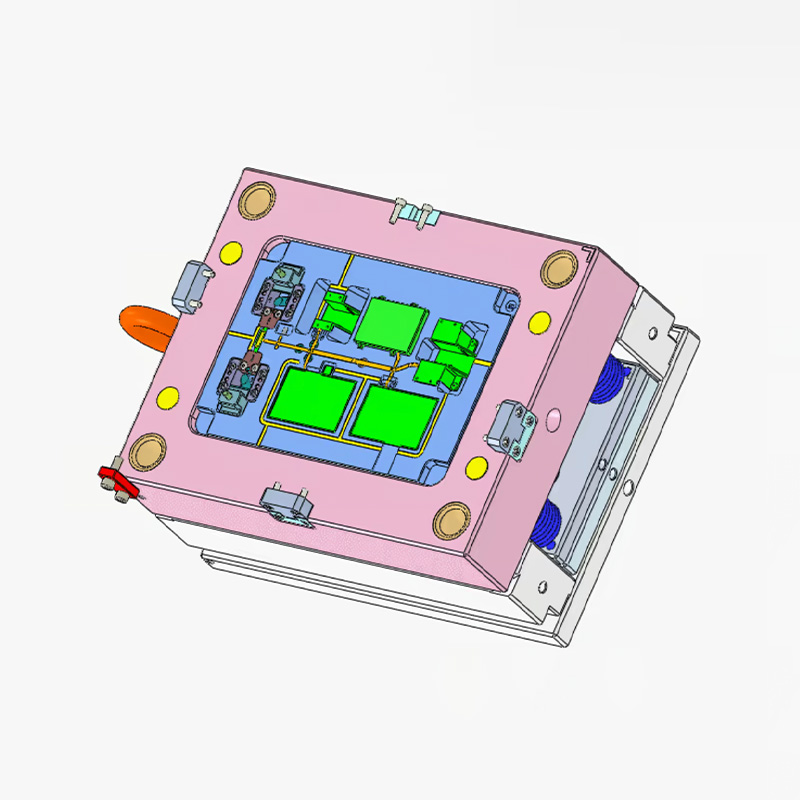
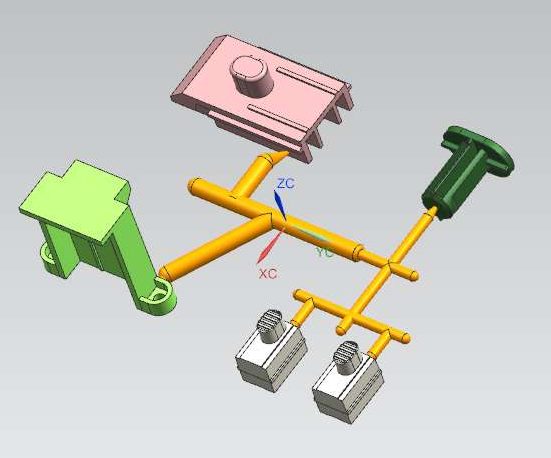
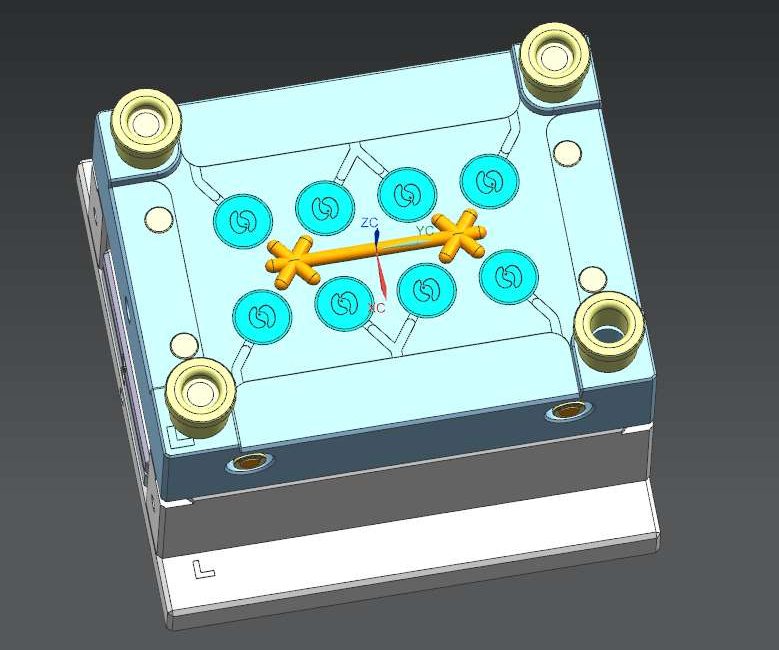
Un molde multicavidad contiene varias cavidades para la misma pieza y se utiliza normalmente para aumentar la producción. Un molde de familia produce dos o más componentes diferentes en una sola operación, a menudo piezas que se utilizan juntas en un ensamblaje. Un molde de familia no es simplemente un atajo: los diferentes volúmenes y geometrías de las piezas pueden dificultar un procesamiento equilibrado.
El equilibrio precede al número de caries.
Cada cavidad requiere un recorrido adecuado para el material y la presión. Un llenado irregular puede generar diferencias en las dimensiones, el aspecto o el comportamiento mecánico entre las cavidades. La disposición de las piezas, el diseño de los canales de alimentación, las compuertas, la ventilación y la refrigeración se consideran como un sistema. Un mayor número de cavidades solo resulta beneficioso si la máquina de moldeo, la herramienta y el método de inspección lo permiten.
Aspectos económicos a lo largo de la vida del proyecto
Un mayor número de cavidades suele aumentar el coste inicial y la complejidad de la herramienta, a la vez que reduce el número de ciclos necesarios por pieza. La decisión debe tener en cuenta la demanda anual, la vida útil del producto, el uso de resina, el riesgo de cambios previsto y el mantenimiento. Para volúmenes inciertos, una herramienta más sencilla puede ser un punto de partida más seguro.
Calidad y mantenimiento por cavidad
Las piezas se pueden identificar por cavidad, lo que permite aislar un defecto recurrente. El desgaste, el estado de la ventilación y el rendimiento de la refrigeración pueden variar en la herramienta con el tiempo. Los registros a nivel de cavidad permiten un mantenimiento más específico y ayudan a evitar que un problema específico quede oculto en el resultado general del lote.
Qué definir antes de la cita
Una cotización útil comienza con la demanda anual por número de pieza, la proporción de uso por pares, la resina y el color, la vida útil del producto, la producción objetivo, las limitaciones de la máquina y la previsión de cambios. Estos detalles permiten al equipo de ingeniería distinguir los requisitos fijos de las preferencias e identificar decisiones pendientes antes de que afecten al coste o al cronograma. El objetivo inmediato es la estrategia de cavidades adecuada para la demanda real, no simplemente la mayor cantidad de cavidades. Cuando un requisito aún se desconoce, debe marcarse como abierto en lugar de ocultarse tras una tolerancia genérica, el nombre del material o una declaración de calidad. Esto proporciona a ambas partes una base más clara para comparar opciones, planificar muestras y decidir qué evidencia será necesaria antes de la producción.
Revisión de riesgos y planificación de la calidad
La planificación del proyecto debe abordar el llenado desequilibrado, la variación de cavidades, la demanda desproporcionada, la complejidad excesiva, la refrigeración irregular y la capacidad subutilizada. No todos los riesgos merecen el mismo esfuerzo de inspección, por lo que el plan de calidad debe centrarse en las características que afectan al ajuste, la función, la apariencia o el ensamblaje posterior. Según el proyecto, el control puede incluir la identificación de cavidades, muestras equilibradas, comparación dimensional, estabilidad del proceso y observaciones de mantenimiento. Los métodos de medición, la frecuencia de muestreo, las muestras de referencia y las expectativas de informes deben acordarse antes de la producción rutinaria. Este enfoque basado en riesgos otorga a los requisitos críticos un lugar visible en el proceso sin implicar que cada característica pueda controlarse exactamente de la misma manera.
El valor de una ruta de fabricación integrada
Shenyue integra la revisión del flujo del molde, la fabricación de herramientas, el moldeo científico, la inspección específica de cavidades y el mantenimiento preventivo en un mismo proyecto. Esta integración es crucial, ya que una decisión tomada en una etapa suele influir en la siguiente: el material afecta al procesamiento y al acabado, las herramientas a la liberación y la apariencia, y el ensamblaje o el embalaje pueden revelar problemas que no son visibles en un componente individual. Mantener juntas las consultas técnicas, los comentarios sobre las muestras y las revisiones reduce las transferencias innecesarias. Además, ofrece a los compradores una ruta más práctica desde los archivos iniciales hasta una línea base de producción aprobada y, cuando corresponda, soporte para pedidos repetidos.
Aplicaciones típicas / Adecuación al proyecto
Se recomienda su uso en diseños estables con demanda recurrente o en conjuntos de componentes emparejados con una tasa de uso predecible. Puede resultar inadecuado cuando las piezas utilizan resinas, colores, ciclos de producción o patrones de demanda diferentes.
Preguntas frecuentes
¿Cuántas cavidades debe tener mi molde?
No existe una cifra universal. El objetivo de producción, el tamaño de la pieza, el presupuesto para herramientas, la capacidad de la máquina y el equilibrio del proceso son factores importantes.
¿Pueden diferentes piezas compartir un mismo molde?
Sí, en un molde familiar, si su material, color, proporción de volumen y comportamiento de procesamiento son compatibles.
¿Acaso un mayor número de caries siempre implica un menor coste de la pieza?
No siempre. En el cálculo deben incluirse la inversión en herramientas, los rechazos, el mantenimiento, el tiempo de ciclo y la utilización de la demanda.
Proporcione la demanda por número de pieza, vida útil prevista del producto y cualquier relación de uso entre pares. Podemos comparar una solución de cavidad única, de cavidades múltiples o una familia de herramientas.