Sin dignidad, ante el scelerisque el odio es euismod fermentum sem semper the is erat, a feugiat leo urna eget eros. Duis Enean un corte de pelo para reír.
Sin dignidad, ante el scelerisque el odio es euismod fermentum sem semper the is erat, a feugiat leo urna eget eros. Duis Enean un corte de pelo para reír.
 Violet Feng
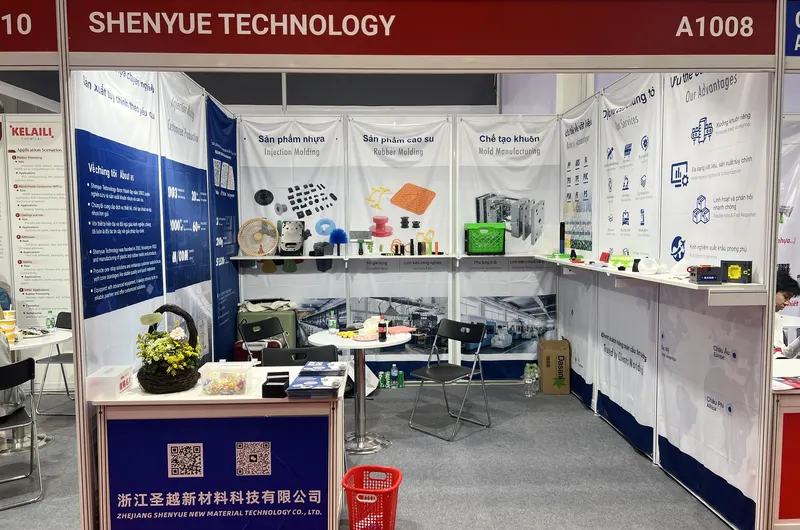
From September 9 to 12, Zhejiang Shenyue New Material Technology Co., Ltd. took part in VietnamPlas 2026 in Ho Chi Minh City under the name Shenyue Technology. At booth A1008, visitors from Vietnam, India, the United States, China, and other markets stopped by during the four-day event at the Saigon Exhibition and Convention Center.
Many conversations started with something simple: a drawing, a sample, or a question about what should happen next. Plastic molds, rubber molds, and plastic surface finishing came up most often.
VietnamPlas is an international exhibition for Vietnam’s plastics and rubber industry. The 2026 edition brought together companies working with processing, materials, molds, automation, recycling, testing, and other parts of the manufacturing chain.
For Shenyue Technology, the show made it easier to discuss how mold manufacturing, molded parts, and later finishing can fit into one project. It also opened conversations with buyers exploring new product programs or supplier options in Vietnam and the wider Southeast Asian market.
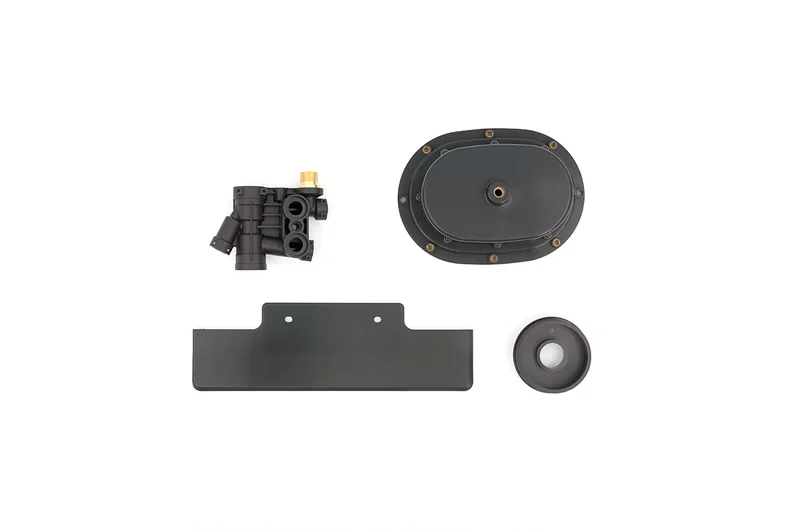
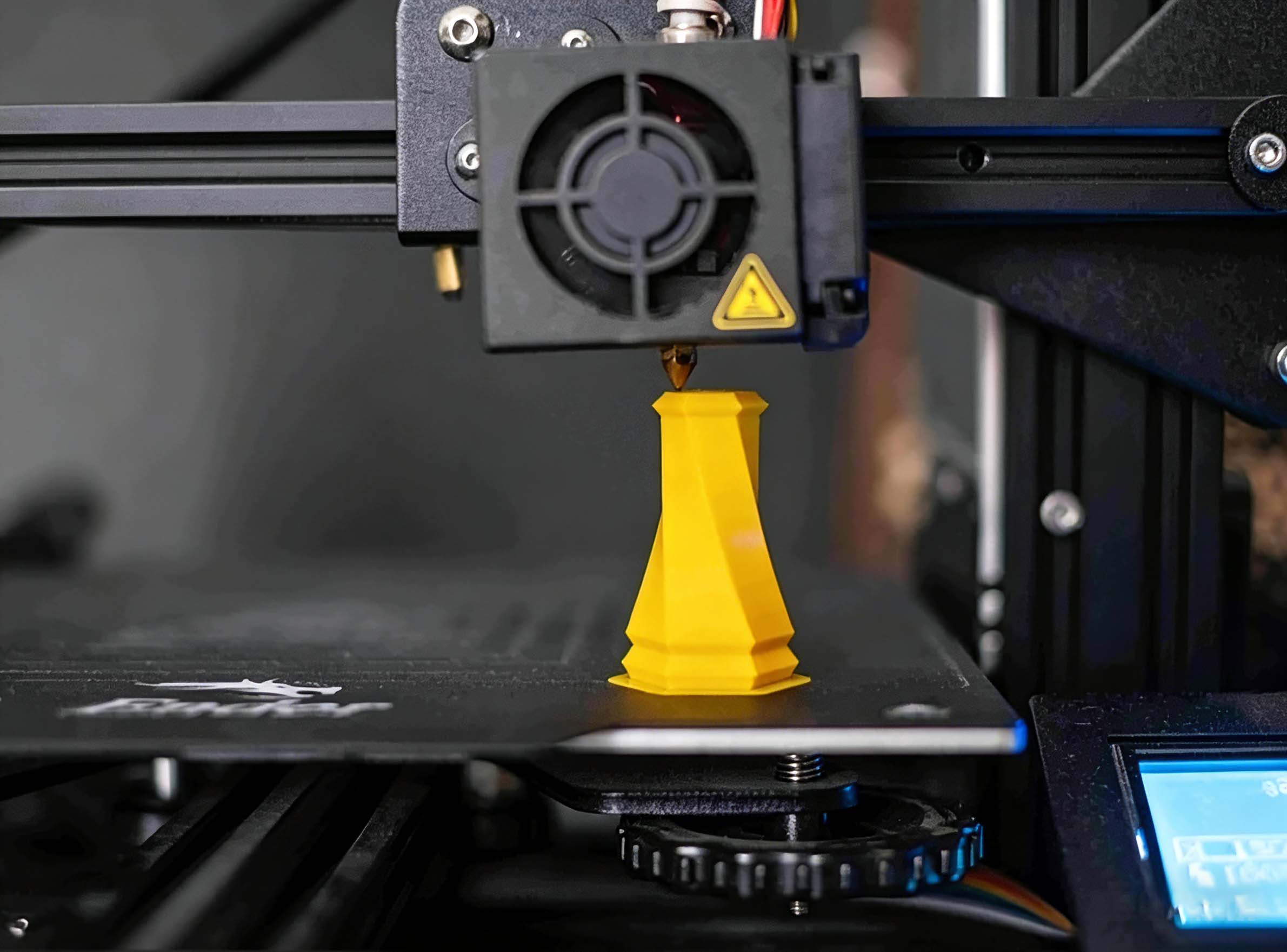
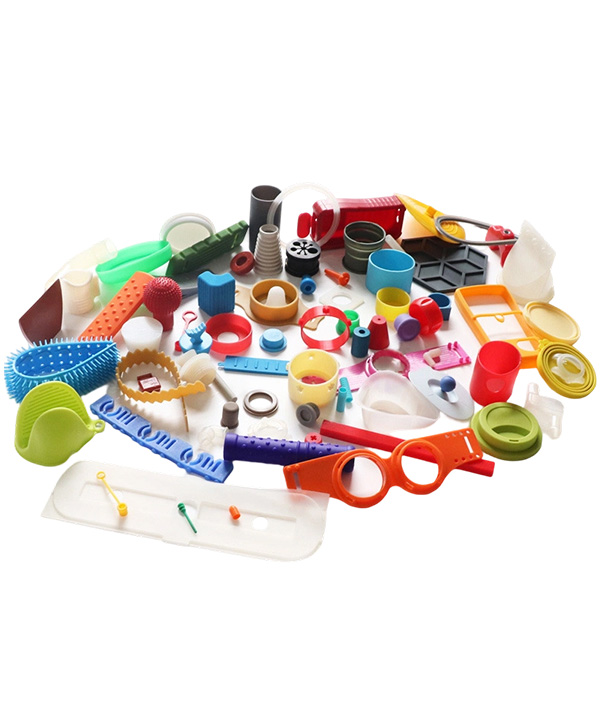
Three main service areas were presented at the booth: Moldeo por inyección, Moldeo de caucho, and Mold Manufacturing. Plastic and rubber samples sat alongside mold examples and information about related work, including printing and finishing.
The display gave visitors an easy way to talk through their own parts. Some asked about a new molded component. Others wanted to compare options for a rubber part, a mold, or an appearance requirement after molding. The samples helped turn a general service list into a more specific conversation.

Visitors arrived at different stages. Some were still shaping an idea; others were preparing a mold purchase or reviewing a part already in production. The common need was a practical discussion about what could be made and what should be clarified before moving ahead.

For plastic parts, the first questions often concerned the design, expected quantity, and production timing. Shape, wall thickness, clips, screw bosses, sealing areas, and visible surfaces can all change the mold plan.
Quantity matters too. A mold for a small first run may be planned differently from one intended for regular, higher-volume production. A current 3D model, 2D drawing, or sample gives the discussion a much clearer starting point.
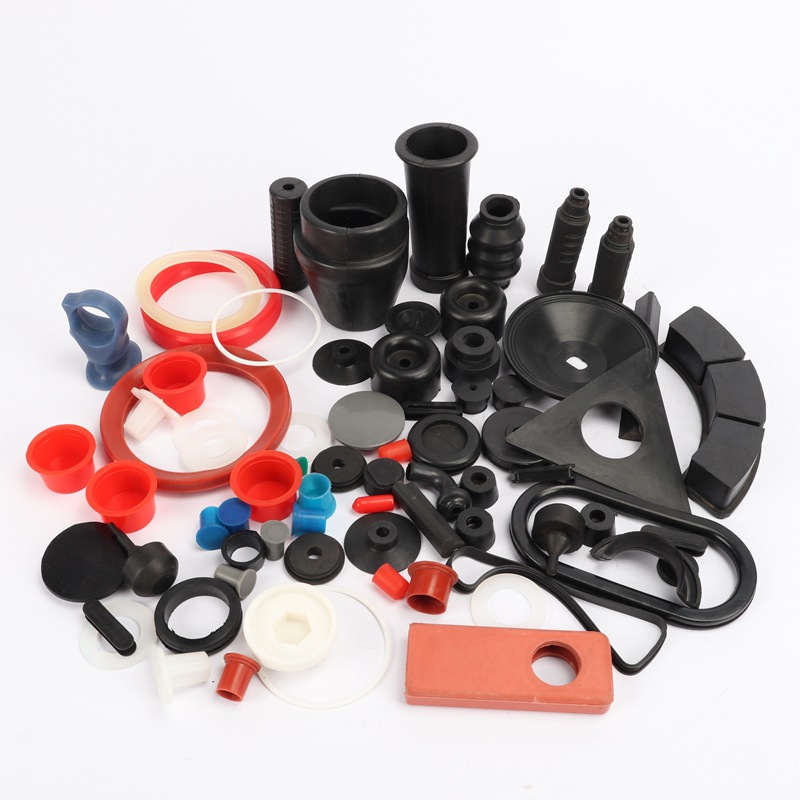
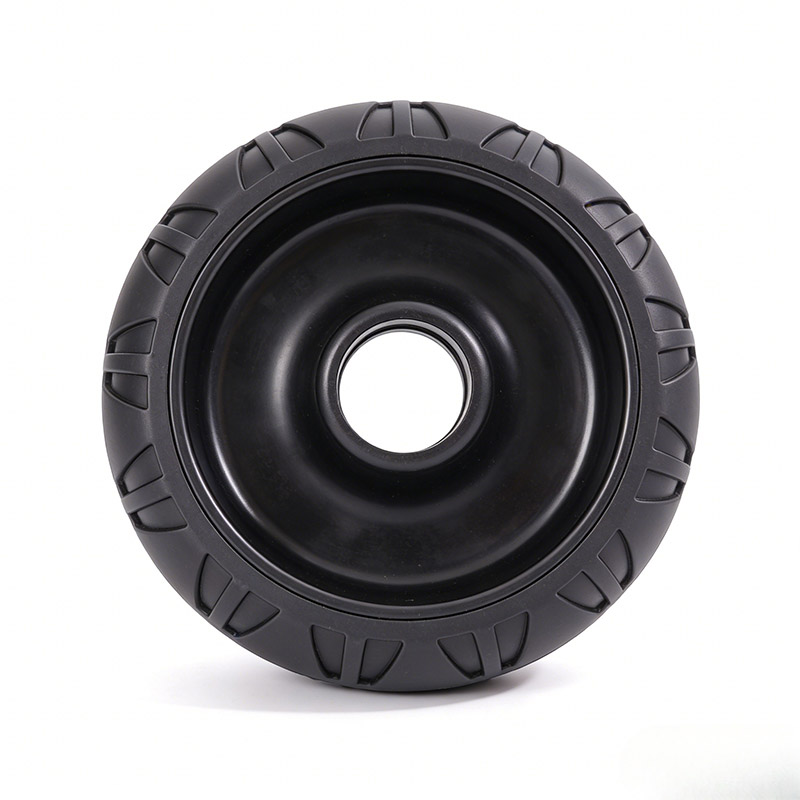
Rubber molding drew particular attention from visitors discussing automotive rubber parts and industrial components. Seals, boots, grommets, and similar parts may be small, yet they still need to handle heat, movement, compression, or contact with oil and other media.
The intended use therefore matters as much as the drawing. Details such as temperature, flexibility, hardness, sealing needs, and working conditions keep the discussion focused on the finished part.
Plastic-part appearance was another frequent topic. Surface finishing may include printing, coating, plating, laser marking, or other work completed after molding. The suitable option depends on the resin, finish, artwork, handling, and final use.
Visible areas are worth identifying early. In molding projects, the most noticeable areas are often called Class A surfaces. A reference sample, or even a short note about color, gloss, texture, or marking durability, can make the expected result much clearer.
Visitors from Vietnam and India spoke about local capacity, new product programs, machine purchases, and mold requirements. Those conversations pointed to continued manufacturing investment in both markets.
Automotive rubber parts and industrial plastic components came up repeatedly. Buyers were asking about more than the mold itself: the molded part, its material, its use, and any finishing work needed after production.
Vietnam and India have different purchasing conditions, but the starting questions were often similar. What does the part need to do? What quantity is expected? What needs to be checked before production moves ahead?
The exhibition also showed why buyers often want to discuss more than one step at once. A new tool, a molded component, and a later finishing process can affect the overall plan, even when they are separate work items.

After VietnamPlas 2026, Shenyue Technology will continue following opportunities in Vietnam and the wider Southeast Asian market. The exhibition started the conversations. The next step is to look at each project’s actual needs and decide which service route fits best.
For a plastic or rubber component, buyers can contact Shenyue Technology with an available drawing, model, sample, expected quantity, and basic application details. Those items help move the discussion toward Moldeo por inyección, Moldeo de caucho, Mold Manufacturing, or a related Surface finishing requirement.