위엄 없음, scelerisque 이전에는 euismod fermentum 증오입니다 sem semper the is erat, a feugiat leo urna eget eros. 뒤이스 에네안 웃음을 위한 헤어컷.

Insert Molding vs Overmolding: Which Process Is Right for Your Part?

  • Insert Molding vs Overmolding: Which Process Is Right for Your Part? 바이올렛 펑
  • 28th 8월 2026

Insert molding and overmolding process comparison


Multi-material parts often look simple from the outside. A soft grip wraps a rigid body, or a metal insert sits neatly inside a plastic housing. The manufacturing choice behind that feature is less obvious. Insert molding and overmolding both combine materials in one finished component, but they solve different problems and create different tooling, material, and quality-control demands.

For buyers working with a custom plastic injection molding supplier, the practical question is not which process sounds more advanced. It is which route gives the required function with a stable, repeatable production plan. Shenyue supports both processes, backed by in-house mold design, molding, secondary operations, assembly, and packaging. That makes it possible to review the part as a complete product rather than as an isolated molding job.

Insert Molding vs Overmolding: The Short Answer

Choose by the function being added

Insert molding places a pre-made component, often a metal bushing, threaded insert, pin, terminal, or reinforcement, in the mold before plastic is injected around it. The insert becomes part of the molded component. This route fits projects that need local strength, durable threads, electrical contact, accurate positioning, or fewer assembly steps.

Overmolding adds a second material over a substrate. A common combination is a soft TPE or rubber-like layer over rigid plastic. The added layer may provide grip, sealing, cushioning, impact resistance, color contrast, or a more comfortable surface. The substrate can be molded first and transferred to another tool, or the two materials can be processed in a more automated multi-shot setup when volume and part design justify it.

The distinction is useful, but it is not the whole decision. A buyer should also look at the load path, contact environment, material bond, insert retention, annual volume, cosmetic standard, and how the part will be inspected.

Compare the complete part, not just the molded feature

A product may contain both conditions. A tool handle might have a soft overmolded grip and a metal insert at the mounting point. In that case, the right production plan could involve two molding stages, dedicated fixtures, and additional inspection. Treating the project as “just an overmold” can leave important costs or risks outside the quotation.

When Overmolding Is the Better Fit

The overmolding process is usually chosen when the second material changes how the product feels, seals, absorbs impact, or meets the user. Typical examples include tool grips, protective edges, flexible seals, knobs, wheels, household accessories, and sports or leisure products.

Overmolded rigid plastic component with soft orange edge


Material compatibility comes first

Two materials touching in the mold do not automatically form a reliable bond. The exact resin grades matter, not only broad labels such as “ABS” or “TPE.” TPE suppliers publish substrate-specific bonding guidance because adhesion can change with the rigid plastic grade, additives, color carrier, moisture, surface condition, and molding settings.

When chemical adhesion is uncertain, the part may need a mechanical lock such as holes, grooves, undercuts, or wraparound geometry. That decision should be made before tooling. It affects wall sections, shut-offs, flash control, appearance, and the area available for the soft material to flow.

Overmolding mold open in an injection molding machine


Shenyue commonly works with materials such as ABS, PP, PC, and TPE. Its material selection information gives buyers a starting point, but the final combination still needs to be checked against the real service conditions and the selected commercial grades.

Define what the soft layer must do

“Soft touch” is too vague for a useful quotation. The RFQ should state whether the overmold is expected to improve grip, create a seal, resist abrasion, damp vibration, protect an edge, or provide a visual accent. Buyers should also identify target hardness, color, surface texture, contact chemicals, working temperature, cleaning method, and any outdoor exposure.

The acceptance method should match the function. A decorative layer may be judged mainly by color, coverage, flash, and surface marks. A working seal may need dimensional checks or a leak test. A high-stress grip may need a peel or retention test agreed before production.

Finished overmolded handle components


When Insert Molding Is the Better Fit

Insert molding is often the cleaner route when the part needs a rigid component built into the plastic. Threaded brass inserts, metal pins, electrical contacts, magnets, shafts, plates, and reinforcing pieces are common candidates.

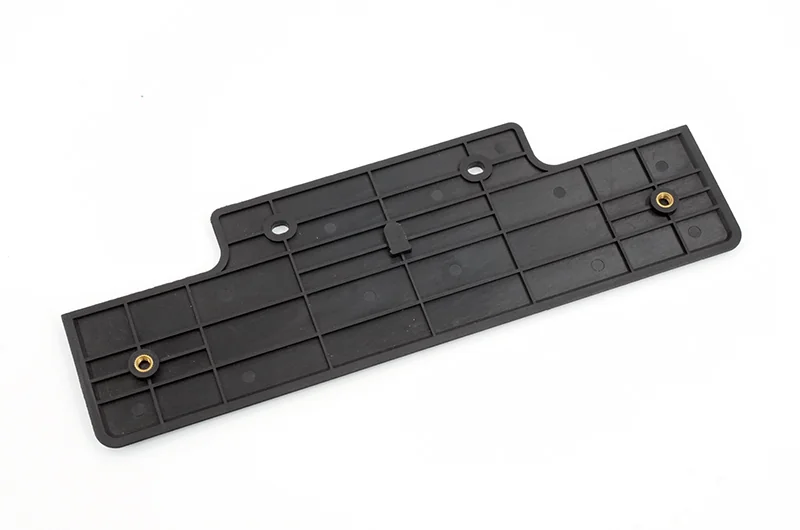
Plastic housing with molded-in brass inserts


It can remove a separate assembly operation

A well-designed molded-in insert can reduce loose hardware, manual fastening, and post-molding installation. It can also place the insert more consistently in relation to the plastic geometry. That benefit is strongest when the insert, mold, and handling method are designed as one system.

The insert still has to survive molding. It must stay in position while plastic flows around it, so the mold design must include a dedicated structure to locate the insert from the outset. Metal parts used in insert molding often require project-specific preparation to support a stable molding result. Insert tolerances, plating, surface condition, sharp edges, contamination, and orientation all deserve attention. If the insert is loaded by hand during low-volume production, the poka-yoke or locating feature should make incorrect loading difficult. Higher volumes may support fixtures or robotic loading.

Assorted insert-molded plastic parts with metal inserts


Retention requirements belong in the drawing

The drawing should show which dimensions and performance checks matter after molding. Examples include pull-out force, installation torque, rotational resistance, electrical continuity, alignment, sealing, or a critical distance between the insert and another feature. Without those requirements, suppliers may quote different inspection plans and produce proposals that appear comparable but are not.

The buyer should send the insert drawing as well as the plastic part files. The insert material, coating, supplier status, allowable variation, and whether Shenyue should source it all affect the production plan. For early trials, a small batch can reveal positioning or retention issues before the design moves into mass production.

Insert-molded plastic feet with threaded metal studs


Tooling, Volume, and Cost Change the Choice

Tool construction follows the production target

Mold cost is shaped by more than the process name. Steel grade, tool size, cavity count, part geometry, tolerance, surface finish, slide or lifter requirements, runner design, and expected service life all matter. Materials such as P20, 718, and S136 may be considered for different tooling conditions, but the right choice depends on the full project rather than a simple “better steel” ranking.

Overmolding can require a substrate tool plus an overmold tool, or a more complex multi-material tool. Insert molding may use a single molding tool but needs reliable insert location and loading. For either process, a low unit price only becomes meaningful after the tooling scope, included trials, maintenance responsibility, cavity plan, and acceptance standard are clear.

Small trials can answer expensive questions

Shenyue does not impose a minimum order quantity and can support pilot quantities from dozens to hundreds of pieces. That flexibility is useful for start-up brands, product testing, and designs with a new material combination. A trial batch can check fit, feel, bond, insert retention, color, and assembly before a buyer commits to a larger release.

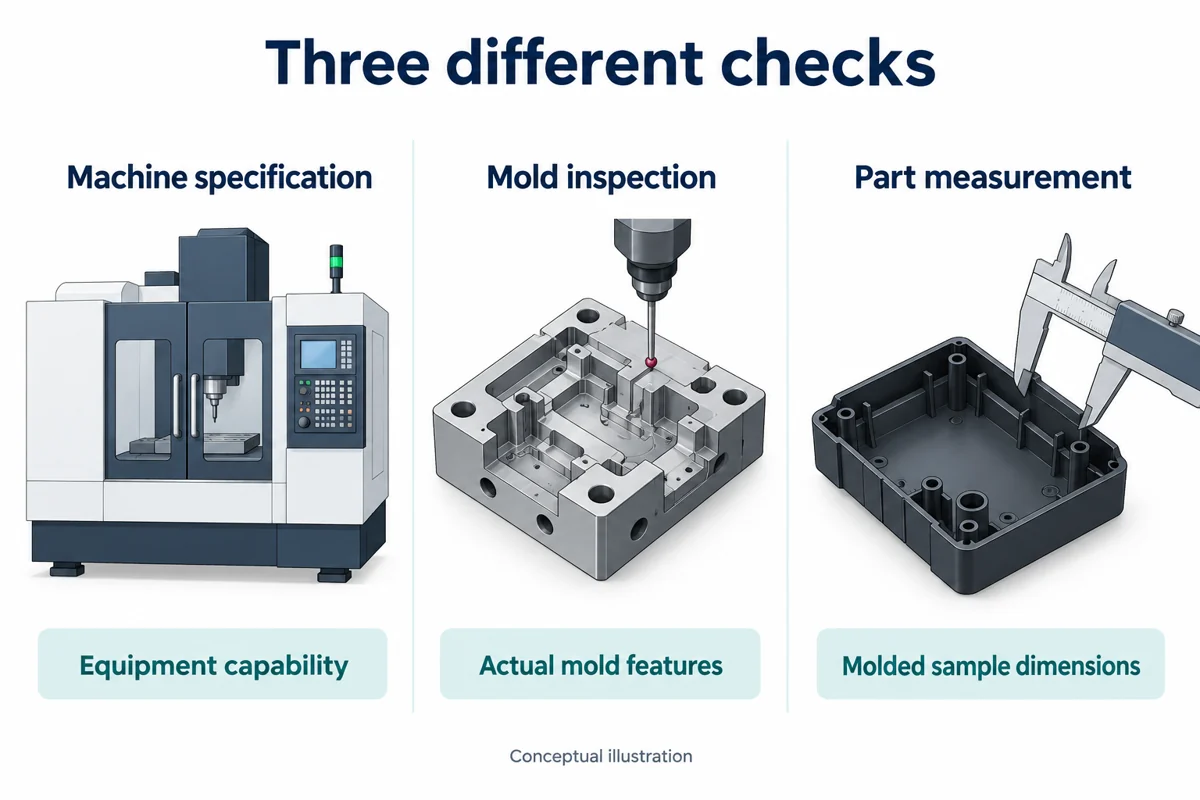
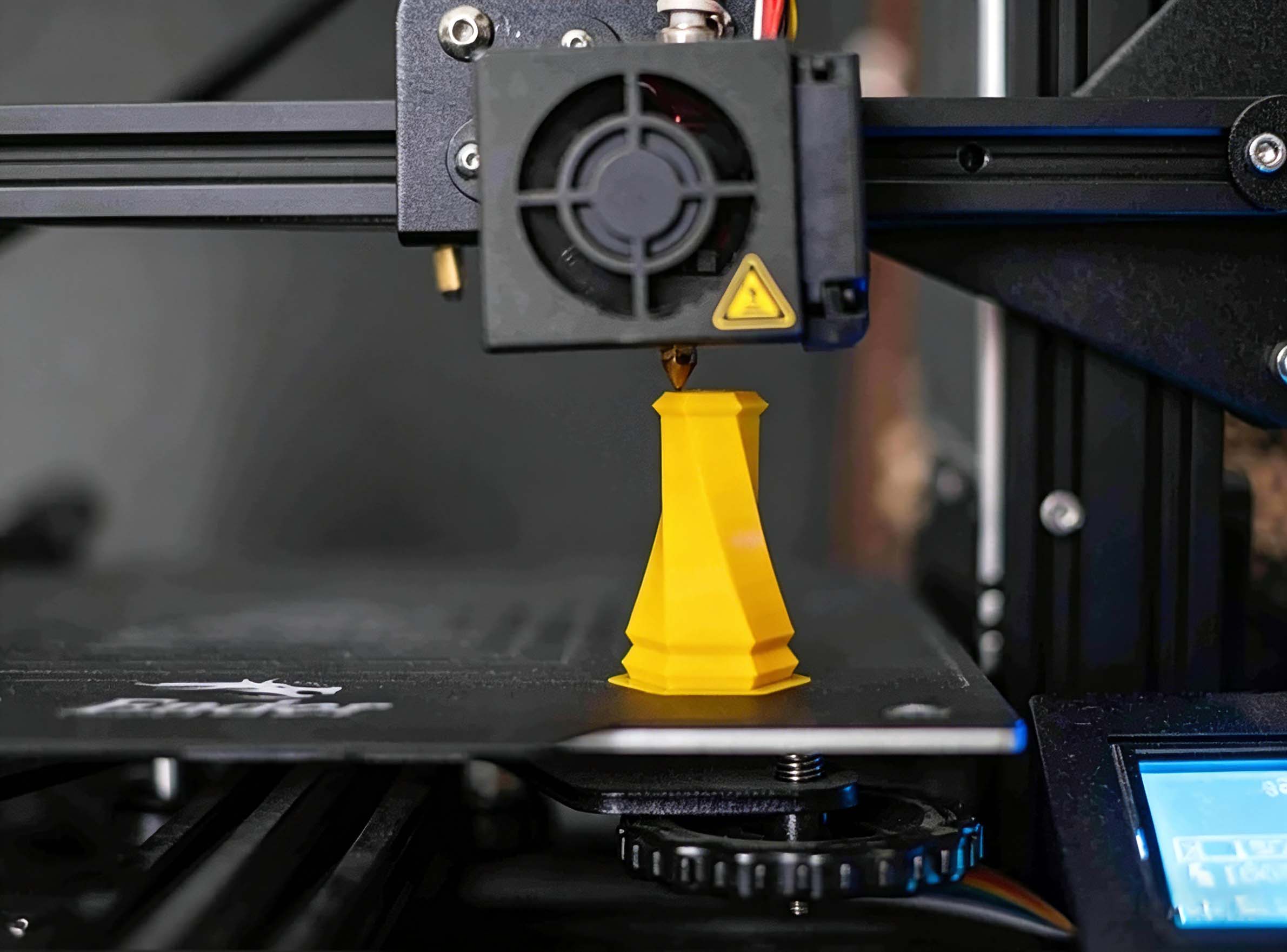
Injection molding still has an upfront tooling cost, so very early concepts may be better served by 3D printing or another prototype method, which can be more cost-effective at that stage. Once geometry and material direction are stable, injection molding gives more realistic information about production behavior.

Do Not Leave Finishing and Assembly Until the End

The molded part may be only one stage of the delivered product. Painting, plating, screen printing, pad printing, UV printing, laser marking, tapping, drilling, purchased hardware, assembly, and packaging can change the best molding approach.

For example, an overmolded surface may need masking during painting or printing. A molded-in insert may simplify assembly, but its position must suit the assembly fixture. Cosmetic faces need clear handling and packing rules so that an acceptable part does not arrive scratched. These details belong in the process review before tool approval.

Shenyue can coordinate secondary operations, component sourcing, assembly, and custom packing. Buyers can therefore request a quote for the finished, warehouse-ready item instead of comparing a molding price that excludes several later operations.

A Practical Selection Checklist

Overmolding is usually the stronger candidate when:

  • The product needs a soft grip, seal, cushion, protective edge, or contrasting surface.
  • The rigid substrate and soft material can be matched for bonding, or the design can include a mechanical lock.
  • The drawing identifies overmold coverage, hardness, texture, color, and acceptable flash.
  • The buyer can specify how the overmold’s intended function will be tested and accepted, such as a leak test for sealing or a peel test for bond strength.

Insert molding is usually the stronger candidate when:

  • The plastic part needs threads, a contact, reinforcement, a magnet, a shaft, or another rigid element.
  • Eliminating a later installation step has clear value.
  • The insert can be located securely and withstand the molding process.
  • Retention, alignment, torque, continuity, or sealing requirements are measurable.

Another route may be better when:

  • The concept is still changing and production tooling would be premature.
  • The materials cannot form a dependable bond and there is no room for mechanical retention.
  • A post-installed insert is easier to service or replace.
  • The required quantity does not support the planned tooling or handling method.

자주 묻는 질문

Is overmolding always done with TPE?

No. TPE over rigid plastic is common, but overmolding can involve other compatible material combinations. The selected grades, temperature limits, bond mechanism, hardness, and end-use environment should be reviewed together.

Can metal inserts be used in overmolding?

Yes, although a project built mainly around a pre-placed metal component is generally discussed as insert molding. A complex part can include a metal insert and a later soft overmold. The quotation should separate each stage and its inspection requirements.

Which process is less expensive?

There is no universal answer. Overmolding may need two tools or a multi-material setup. Insert molding may need special insert fixtures, loading labor, or automation. Cavity count, volume, material, tolerances, testing, finishing, and assembly determine the useful cost comparison.

What files are needed for a quotation?

Send a 3D model and a dimensioned 2D drawing if available. Add material or performance requirements, annual and first-order quantities, cosmetic areas, colors, critical tolerances, insert drawings, test requirements, secondary operations, packaging, and the delivery destination. Unknown items can be marked open for engineering review.

Prepare the Part for an Engineering Review

Before requesting a quote, identify the feature that drives the process choice. Is the goal a soft functional surface, a rigid embedded component, or both? Then gather the controlling files, expected quantities, use conditions, material preferences, critical checks, finishes, assembly details, and packaging needs.

Shenyue can review the drawing or sample, suggest practical adjustments, build the mold, run pilot quantities, move into production, and coordinate finishing and packing. Buyers with a multi-material part can send the project details for review and receive a quotation based on the complete delivered item.

태그:

목차

자주 묻는 질문

네. 20년 이상의 경력을 보유한 OEM 공급업체로서, 당사는 제품 설계 최적화, 금형 개발, 시제품 제작 및 검증, 대량 생산, 그리고 후속 포장 및 물류 지원을 포함한 완벽한 원스톱 솔루션을 제공합니다. 고객께서는 컨셉이나 도면만 제공해 주시면 최종적으로 고품질의 사출 성형 또는 고무 부품을 받아보실 수 있습니다.
저희 금형 제작 공장은 외부 금형 공장에 의존하지 않고 모든 금형 설계 및 제작을 자체적으로 진행합니다. 이는 개발 주기 단축(평균 4~5주 절약), 금형 비용 절감(외주 제작으로 인한 추가 비용 없음), 그리고 수정 유연성 향상으로 이어집니다. 금형 구조는 시제품 생산이나 양산 과정에서 신속하게 조정할 수 있어 효율적인 제품 개선이 가능합니다.
당사는 유연한 생산 솔루션을 지원합니다. 신규 프로젝트 또는 연구 개발 단계에 있는 고객의 경우, 테스트 또는 시장 검증을 위해 소량 시범 생산(예: 10~500개)이 가능합니다. 당사 영업팀은 주문 수량에 따라 단계별 가격을 제공해 드립니다. 또한, 견적 제공 시 예상 주문 수량에 맞춰 다양한 크기의 금형을 설계해 드립니다. 자세한 사항은 당사 영업팀으로 문의해 주십시오.
최신 서비스

저희 서비스를 확인해 보세요

더 보기
서비스 11

스테레오리소그래피

Stereolithography builds a resin part layer by layer using light to cure liquid photopolymer. It is valued for fine detail and a smooth appearance, making it useful for design communication, fit checks and prototype evaluation before committing to tooling.
더 읽어보기
4

맞춤형 고무 부품

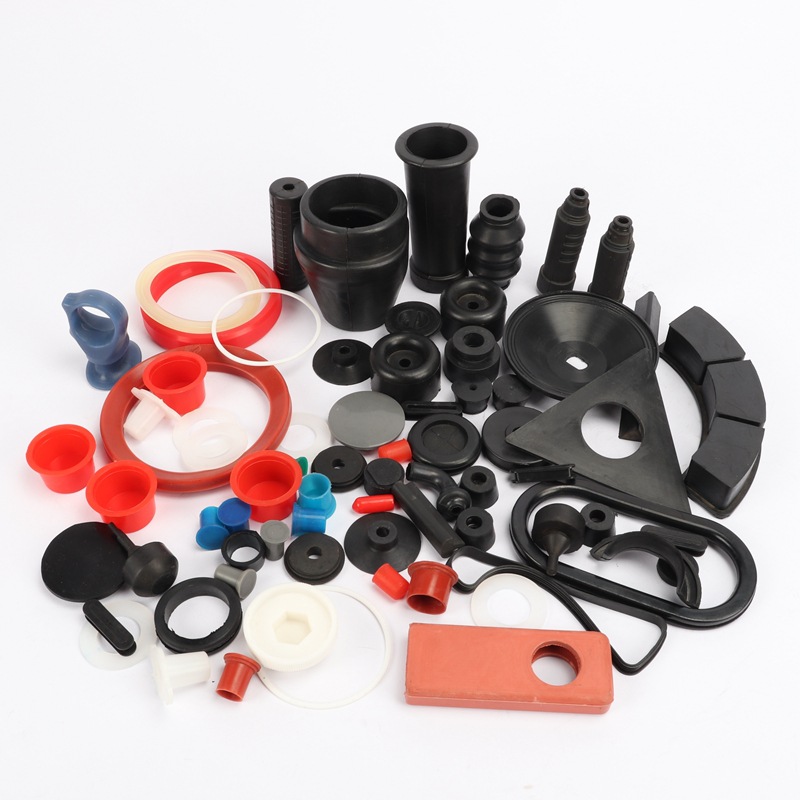
Custom rubber parts must do more than match a shape. They may need to seal, flex, isolate vibration, protect an edge or maintain contact through repeated use. We review the operating conditions first, then connect material, geometry and molding method to the job the part must perform.
더 읽어보기
1

고무 오버몰딩

Rubber overmolding combines a softer elastomer with a rigid part or insert to create grip, sealing, cushioning or protection in one component. Reliable results depend on the interface: material compatibility, mechanical retention, surface condition and tool shutoffs must all be planned.
더 읽어보기
에 대한

고무 압축 성형

Compression molding forms a measured rubber charge in a heated tool, where pressure shapes the material and heat cures it. The process is well established for many custom elastomer parts and can be a practical choice for robust geometries and suitable production volumes.
더 읽어보기
문의하기

세심하고 특별한 서비스를 즐겨보세요

문의사항, 협력 의향, 또는 의견 제안이 있으시다면 언제든지 온라인으로 연락 주십시오. 저희 전문팀은 신속한 답변과 철저한 후속 조치를 통해 고객 한 분 한 분께 세심한 맞춤형 서비스를 제공합니다. 사려 깊은 서비스 정신과 효율적인 신뢰성을 바탕으로 고객 여러분의 니즈를 끝까지 책임지고 충족시켜 드리겠습니다. 진심 어린 소통과 상호 이익이 되는 협력을 기대합니다!

    이름 *

    이메일 *

    전화번호

    왓츠앱

    어느 국가/지역에 거주하십니까? *

    웹사이트/파일 공유 링크

    또는 제품 도면을 업로드하세요(최대: 10MB).

    의견 또는 제품 메시지 *

    제품
    콘택트 렌즈
    왓츠앱
    이메일