La especificación de la herramienta comienza con el producto.
La geometría de la pieza por sí sola no define el molde. La contracción y la abrasividad de la resina, el volumen anual previsto, el número de cavidades, las zonas estéticas, las tolerancias, las limitaciones de la máquina y las expectativas de mantenimiento influyen en la construcción. Las suposiciones abiertas se registran antes del diseño detallado.
Diseño para un proceso estable
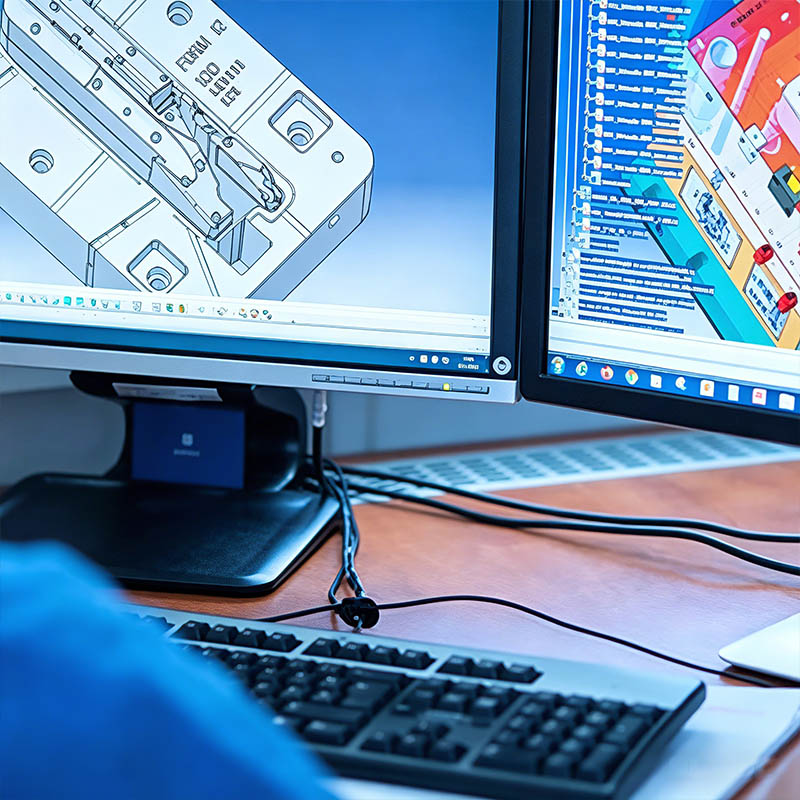
La herramienta debe llenar las cavidades, disipar el calor, ventilar el aire desplazado y liberar la pieza sin dañarla. La elección de la compuerta y el canal de alimentación afecta la apariencia y el flujo del material; la disposición del sistema de refrigeración afecta el ciclo y la distorsión; la eyección afecta las marcas y la deformación. Estas decisiones se analizan en conjunto, en lugar de considerarse de forma aislada.
Construir, ensamblar y probar
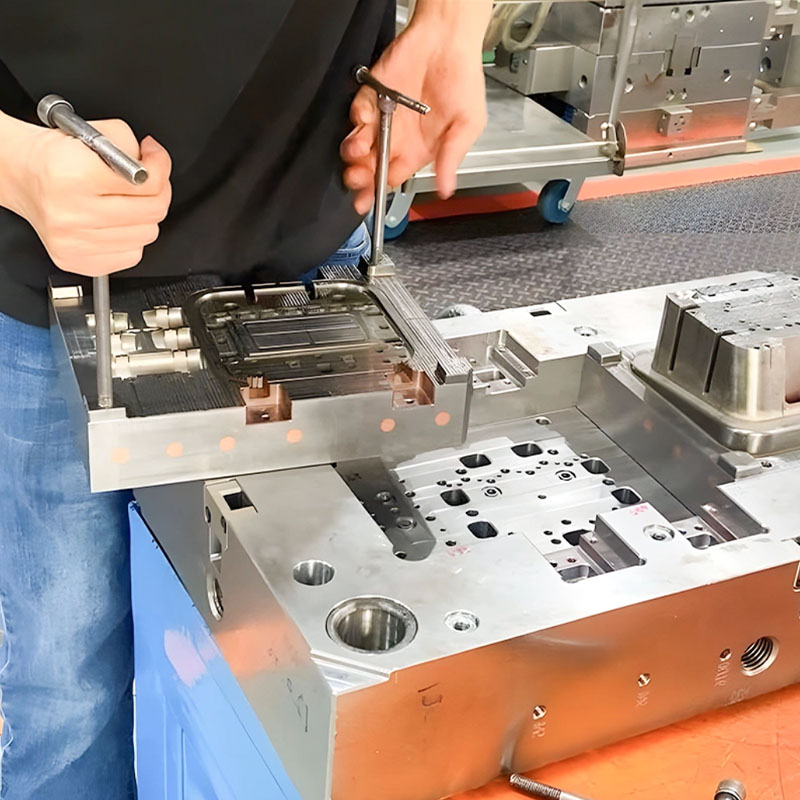
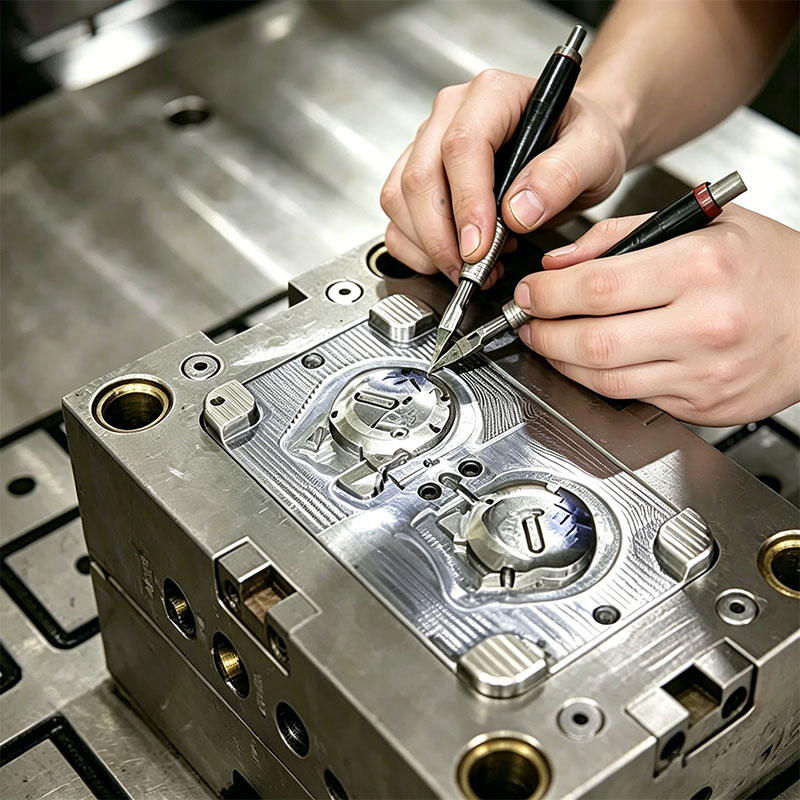
Los componentes del molde se mecanizan, ajustan y ensamblan antes de la prueba. Las pruebas iniciales revelan el comportamiento real del material y la geometría. Las muestras, las mediciones y las observaciones del proceso sirven de guía para las correcciones. Para piezas complejas o requisitos cambiantes, puede ser necesario realizar más de una ronda de muestreo.
Propiedad y uso a largo plazo
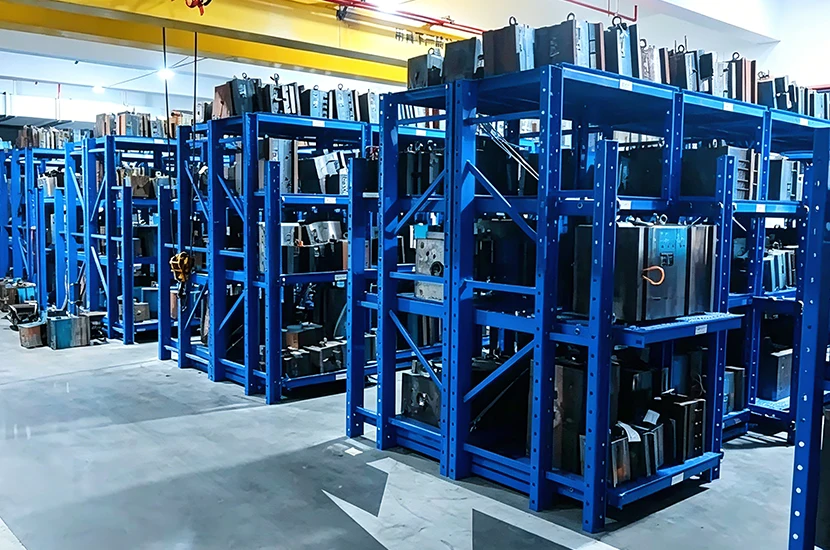
La identificación de la herramienta, el acceso para el mantenimiento, las piezas de desgaste reemplazables y los registros de cambios ayudan a mantener el activo en buen estado. La documentación relativa a la exportación, el almacenamiento, las piezas de repuesto y la aceptación debe especificarse durante la cotización, si es necesario; no debe darse por sentada una vez que la herramienta esté terminada.
Qué definir antes de la cita
Un presupuesto útil comienza con datos 3D y 2D, resina, volumen, preferencia de cavidad, máquina objetivo, acabado, dimensiones críticas, destino de la herramienta y necesidades de documentación. Estos detalles permiten al equipo de ingeniería distinguir los requisitos fijos de las preferencias e identificar decisiones pendientes antes de que afecten al coste o al cronograma. El objetivo inmediato es una herramienta de producción específica para la pieza, la resina, la producción, el plan de calidad y las necesidades de propiedad. Cuando un requisito aún no se conoce, debe marcarse como abierto en lugar de ocultarse tras una tolerancia genérica, el nombre del material o una declaración de calidad. Esto proporciona a ambas partes una base más clara para comparar opciones, planificar muestras y decidir qué evidencia será necesaria antes de la producción.
Revisión de riesgos y planificación de la calidad
La planificación del proyecto debe abordar especificaciones incompletas, acero o componentes inadecuados, refrigeración deficiente, ventilación débil, marcas visibles y mantenimiento difícil. No todos los riesgos requieren el mismo esfuerzo de inspección, por lo que el plan de calidad debe centrarse en las características que afectan el ajuste, la función, la apariencia o el ensamblaje posterior. Según el proyecto, el control puede incluir la revisión del diseño, los registros de materiales, las comprobaciones de mecanizado, el ensamblaje, las observaciones de prueba, la aprobación de muestras y el historial de cambios. Los métodos de medición, la frecuencia de muestreo, las muestras de referencia y las expectativas de informes deben acordarse antes de la producción rutinaria. Este enfoque basado en riesgos otorga a los requisitos críticos un lugar visible en el proceso sin implicar que cada característica pueda controlarse exactamente de la misma manera.
El valor de una ruta de fabricación integrada
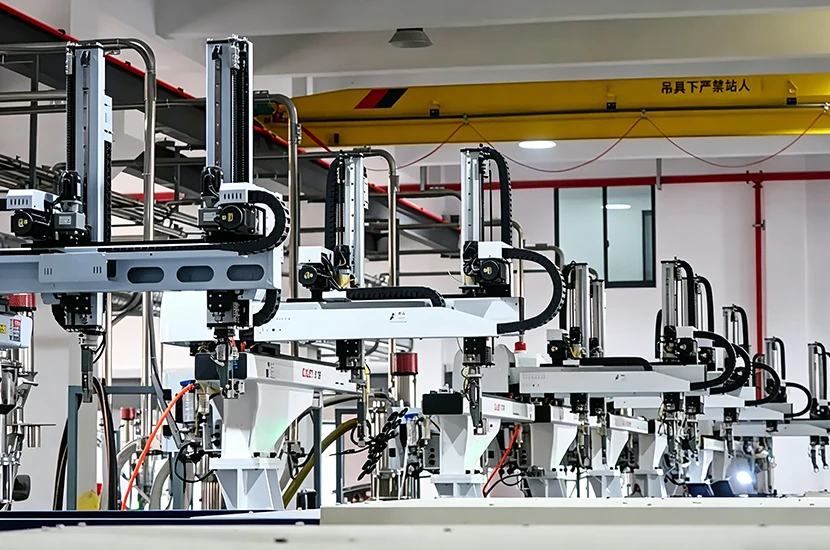
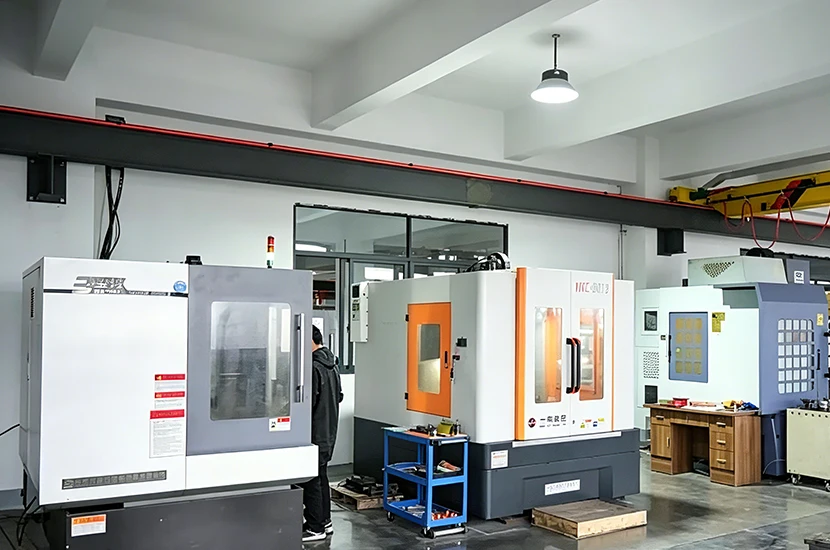
Shenyue integra el diseño para la fabricación (DFM), el diseño de moldes, el mecanizado CNC y EDM, el ajuste, el muestreo, el moldeo por inyección y el mantenimiento del ciclo de vida en un único proyecto. Esta integración es crucial, ya que una decisión tomada en una etapa suele influir en la siguiente: el material afecta al procesamiento y al acabado, las herramientas a la liberación y la apariencia, y el montaje o el embalaje pueden revelar problemas que no son visibles en un componente individual. Mantener juntas las consultas técnicas, los comentarios sobre las muestras y las revisiones reduce las transferencias innecesarias. Además, ofrece a los compradores una ruta más práctica desde los archivos iniciales hasta una línea base de producción aprobada y, cuando corresponda, soporte para pedidos repetidos.
Aplicaciones típicas / Adecuación al proyecto
Para piezas de plástico nuevas y personalizadas, herramientas de repuesto o proyectos de transferencia de producción donde la interfaz de la máquina requerida y las condiciones de propiedad estén claramente definidas.
Preguntas frecuentes
¿Qué determina el precio del molde?
El tamaño y la complejidad de las piezas, el acero y los componentes, las cavidades, los mecanismos, el acabado, la tolerancia, la vida útil prevista y la documentación son factores que influyen.
¿Soy el dueño del molde?
La propiedad y la custodia deben estar estipuladas en el contrato comercial. No se fíe de suposiciones implícitas.
¿Se puede fabricar el molde en otra fábrica?
Posiblemente, si la interfaz de la máquina, los estándares, las utilidades y la documentación son compatibles. Los requisitos de exportación deben definirse antes del diseño.
Envíenos los datos CAD, la resina, el volumen previsto, el número de cavidades deseado y el destino de la herramienta. Determinaremos las decisiones necesarias para elaborar una propuesta de utillaje útil.