لا كرامة، قبل أن تكون scelerisque هي الكراهية الحقيقية دائمًا ما يكون عصرًا، وهو فيوجيات ليو أورنا إيجيت إيروس. دويس اينيان قصة شعر من أجل الضحك.
لا كرامة، قبل أن تكون scelerisque هي الكراهية الحقيقية دائمًا ما يكون عصرًا، وهو فيوجيات ليو أورنا إيجيت إيروس. دويس اينيان قصة شعر من أجل الضحك.
 فيوليت فينغ
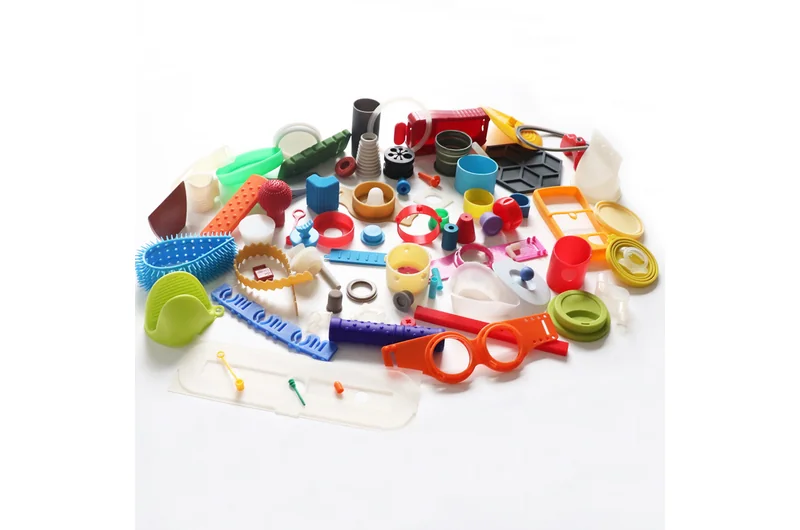
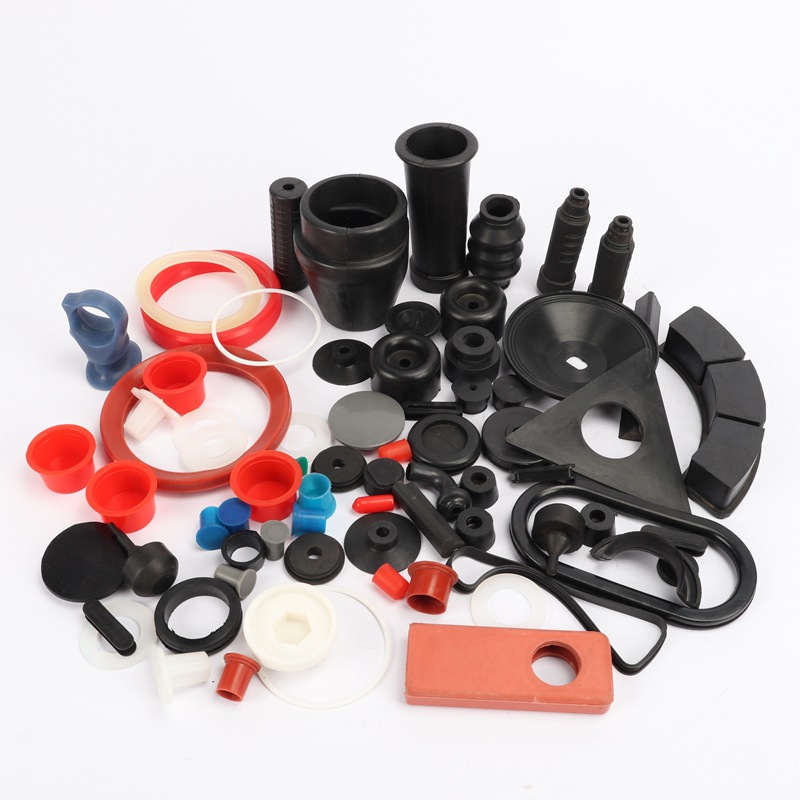
A custom rubber part may need to seal, flex, cushion, isolate vibration, protect an edge, or keep contact through repeated movement. A drawing alone shows the shape, but it does not say what the elastomer must survive. For a useful custom rubber part quotation, buyers should describe the working environment, the load on the part, the required hardness and dimensions, and the evidence that will decide whether the first samples are acceptable.
Shenyue’s rubber molding service connects rubber material review, mold design, compression molding, overmolding, trimming, inspection, and selected assembly routes. The best project brief is practical. It makes the part’s job visible before a material family or tooling route is treated as final.
Start with the function: seal a joint, cushion a stop, isolate vibration, protect a cable or edge, grip a handle, or stay compressed in an assembly. A gasket that must keep a leak-tight seal has a different priority from a pad that only reduces noise or impact. The same outline can require a different compound, hardness, thickness, or compression allowance depending on the job.
Describe the movement as well. Is the part static, compressed once, flexed repeatedly, twisted, sliding, or exposed to installation stretch? Note the contact pressure and the direction of movement when those details are known. If the load is not yet measured, mark it as an open engineering item rather than hiding it behind the word “durable.”
Rubber selection should follow the media and temperature the part will actually see. List contact with water, oil, fuel, cleaning chemicals, coolants, steam, dust, or other substances. Add minimum and maximum temperatures, outdoor exposure, sunlight, ozone, humidity, and expected time in service when relevant.
Material families are only a starting point. Shenyue’s rubber material guidance notes that EPDM is often considered for weather, ozone, and water-related exposure, while NBR is commonly considered for oil and fuel resistance. Silicone can retain flexibility across a broad temperature range, but the exact grade and documentation still need review. These are screening directions, not a blanket approval for a customer’s application.

Provide the current 3D model and a dimensioned 2D drawing if available. The drawing should identify sealing faces, critical edges, holes, grooves, parting-line limits, flash limits, and any dimensions that affect assembly. If the design is still changing, include the revision level and highlight the open features.
Rubber tolerances should be connected to function. A seal may need tighter control on one diameter or lip than on a non-contact outer surface. A pad may need a specific compression height but have more freedom elsewhere. Mark the dimensions that decide fit, sealing, movement, or contact instead of applying the same tolerance to every feature.
If a compound or commercial grade is already approved, name it and provide the available data sheet. If only a material family is known, state the required properties and allow the engineering review to identify a shortlist. Include target hardness, hardness tolerance, color, surface texture, visible flash, and any odor or appearance requirement.
Hardness is useful, but it does not define all rubber performance. It does not by itself prove tear resistance, compression set, wear, chemical resistance, or service life. The acceptance plan should connect each important property to a test method or a practical assembly check.
Compression molding places a measured rubber charge in a heated tool, closes the mold under pressure, and vulcanizes the rubber in the mold. It can suit many seals, pads, bumpers, diaphragms, and other parts with geometry and volumes that fit the method. Charge placement, mold temperature, pressure, vulcanization time, parting line, venting, and trimming all affect the result.
The process is not automatically the fastest or least expensive route. Tooling, cycle time, labor, flash, material use, and inspection should be compared with the quantity and quality requirements. Shenyue’s rubber compression molding route can be reviewed against those conditions. A quotation becomes more useful when the buyer states first-order quantity, expected annual demand, repeat pattern, and whether a trial batch is needed.
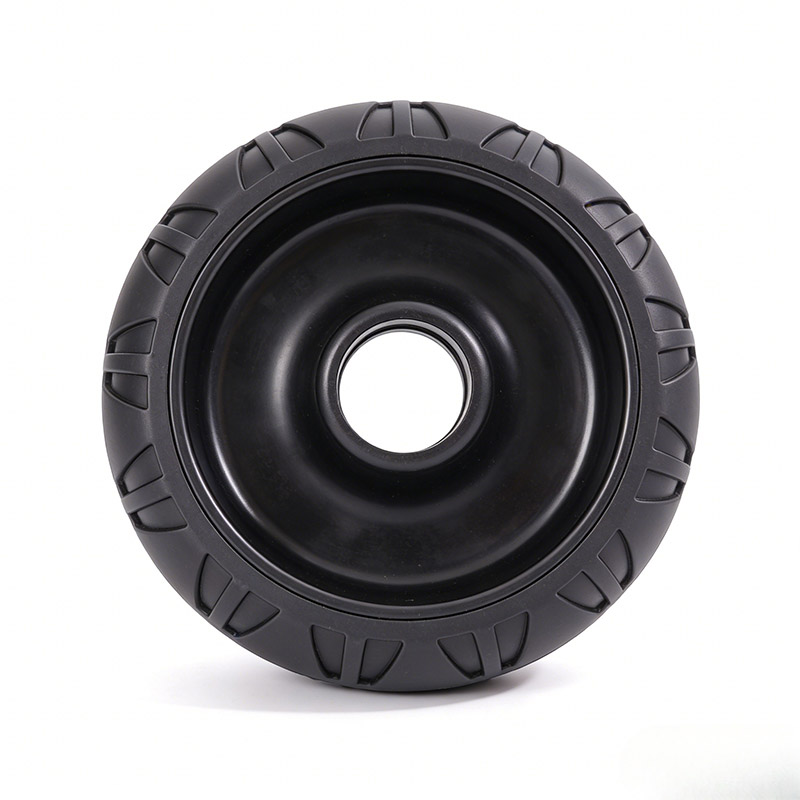
Rubber overmolding adds an elastomer layer to a rigid plastic, metal, or other prepared substrate. The layer may improve grip, sealing, cushioning, edge protection, or vibration control. Shenyue’s rubber overmolding service reviews the material pair, surface condition, retention method, tool shutoffs, loading method, and the parts that must remain exposed.
Send both the substrate model and the rubber feature definition. Mark the bond or retention objective, the exposed areas, the substrate datum surfaces, and any risk that the heat or pressure could deform the insert. Visual coverage alone does not prove the finished interface. Depending on the use, the sample may need fit, pull, peel, torque, leak, or repeated-use checks agreed before production.

A rubber sample can look correct and still fail in use. Define the measurements and checks that will close the project: dimensions, hardness, compression, leak performance, pull or retention, surface condition, flash, color, assembly fit, or another application-specific test. Identify the reference sample, inspection condition, sample quantity, and reporting format when they matter.
Not every feature needs the same inspection effort. A risk-based plan gives the seal lip, critical diameter, overmold interface, or compression height a visible place in the review. It also makes clear which tests are required for production release and which observations are only useful during early development.
Record the material or compound, color, revision, mold cavity if applicable, and key processing conditions, including vulcanization conditions where relevant. If a sample changes after a compound, drawing, or tool revision, note the change. This makes a later comparison fair and helps the project team distinguish a material effect from a geometry or tooling effect.
Send Shenyue:
Unknown items can remain open for review. The important point is to show which decisions are fixed and which still need a material, tooling, or sample check.
No. EPDM is commonly considered for weather, ozone, and water-related exposure, but the exact compound and the presence of oils, fuels, heat, or other chemicals must be reviewed. A grade-specific check is still required.
No. Hardness should be considered with temperature, media, compression, movement, wear, sealing duty, and the relevant test method. A hardness number alone cannot prove service performance.
Overmolding turns a standalone rubber part into a rubber-and-substrate assembly. The substrate must be positioned during molding, the rubber must stay attached, and the finished assembly must be checked as one part.
A strong custom rubber part brief tells the manufacturer what the part touches, how it moves, what it must withstand, and how approval will be decided. That information helps Shenyue compare material families, geometry, compression molding or overmolding, tooling, trimming, inspection, and packaging as one project route.
Send the current files, service conditions, quantity, and the most important acceptance checks. If a suitable application photo, existing test record, or short description is already available, it can be reviewed with the drawing. No special reformatting is needed.