
Sem dignidade, diante do scelerisque o ódio é euismod fermentum sem sempre o is erat, a feugiat leo urna eget eros. Duis Enéias Um corte de cabelo para dar risada.
Sem dignidade, diante do scelerisque o ódio é euismod fermentum sem sempre o is erat, a feugiat leo urna eget eros. Duis Enéias Um corte de cabelo para dar risada.
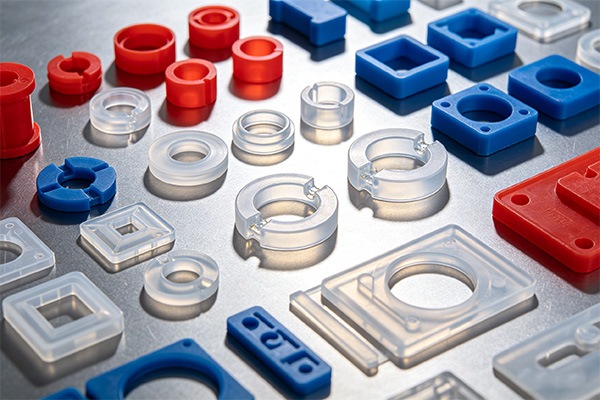
Pergunte com o que a peça entra em contato, como ela se move, por quanto tempo permanece comprimida e se funciona em ambientes internos ou externos. Temperaturas extremas, ozônio, raios UV, óleo, combustível, agentes de limpeza e vapor podem influenciar a escolha do material. Um requisito útil é mais específico do que simplesmente pedir uma borracha durável.
A borracha natural oferece alta elasticidade e é útil em aplicações selecionadas de vibração e uso geral, mas possui limitações ambientais. O SBR é uma borracha sintética econômica com bom comportamento de abrasão para usos internos ou controlados adequados. Nenhuma das duas deve ser escolhida sem verificar o meio e a exposição às intempéries.
O EPDM é amplamente considerado para exposição a intempéries, ozônio e água, mas geralmente não é a primeira escolha para óleos derivados de petróleo. O NBR é comumente selecionado para resistência a óleo e combustível, com limites de temperatura e formulação. O silicone mantém a flexibilidade em uma ampla faixa de temperatura e atende a determinadas aplicações regulamentadas, desde que a especificação possua a documentação necessária.
O FKM é considerado adequado para altas temperaturas e exposição a produtos químicos agressivos ou óleo, enquanto o HNBR pode oferecer desempenho térmico e mecânico superior ao NBR convencional em aplicações específicas. Esses materiais são mais caros e ainda apresentam limitações. Dados de composição e testes funcionais devem orientar a decisão final.
Uma cotação útil começa com informações sobre fluidos de contato, temperatura, exposição ao ar livre, compressão, movimento, dureza, cor, vida útil, regulamentações e método de teste. Esses detalhes permitem que a equipe de engenharia distinga requisitos fixos de preferências e identifique decisões pendentes antes que elas afetem o custo ou o cronograma. O objetivo imediato é uma lista restrita de elastômeros, considerando o meio de contato, a temperatura, o movimento e a função de vedação ou amortecimento. Quando um requisito ainda não for conhecido, ele deve ser marcado como "em aberto", em vez de ser ocultado por uma tolerância genérica, nome do material ou declaração de qualidade. Isso proporciona a ambas as partes uma base mais clara para comparar opções, planejar amostras e decidir quais evidências serão necessárias antes da produção.
O planejamento do projeto deve evitar confundir dureza com durabilidade, ignorar a deformação permanente por compressão, escolher EPDM para óleo, desconsiderar o ozônio e aprovar apenas um nome de família. Nem todo risco exige o mesmo esforço de inspeção, portanto, o plano de qualidade deve se concentrar em características que afetam o encaixe, a função, a aparência ou a montagem subsequente. Dependendo do projeto, o controle pode incluir a identidade do composto, o método de dureza, a rastreabilidade do lote, amostras moldadas e validação específica da aplicação. Os métodos de medição, a frequência de amostragem, as amostras de referência e as expectativas de relatórios devem ser acordados antes da produção em série. Essa abordagem baseada em riscos dá visibilidade aos requisitos críticos no processo, sem implicar que todas as características possam ser controladas exatamente da mesma maneira.
A Shenyue consegue integrar o design personalizado de peças de borracha, a moldagem por compressão, a sobremoldagem, as ferramentas e a revisão de amostras funcionais em um único fluxo de projeto. Essa integração é fundamental porque uma decisão tomada em uma etapa geralmente impacta a seguinte: o material afeta o processamento e o acabamento, as ferramentas afetam a desmoldagem e a aparência, e a montagem ou embalagem podem expor problemas que não são visíveis em um componente individual. Manter as dúvidas técnicas, o feedback sobre as amostras e as revisões em um mesmo local reduz as transferências desnecessárias. Isso também oferece aos compradores um caminho mais prático desde os arquivos iniciais até uma base de produção aprovada e, quando aplicável, suporte para pedidos subsequentes.
Esta página auxilia na triagem inicial de materiais para vedações moldadas, juntas, almofadas, coifas, ilhós e outras peças personalizadas. Ela não certifica nenhum material para a aplicação específica do cliente.
Não. A dureza afeta a deformação, mas por si só não define a resistência ao desgaste, ao calor ou a produtos químicos.
O EPDM é geralmente escolhido para condições climáticas e relacionadas à água, e não ao óleo de petróleo. A exposição exata deve ser avaliada.
Material ou composto, dureza e tolerância, cor, dimensões, ambiente, normas exigidas e métodos de ensaio.
Descreva o meio, a temperatura, o movimento, a compressão e a exposição ao ar livre. Podemos ajudar a identificar famílias de materiais adequadas para validação posterior.