
위엄 없음, scelerisque 이전에는 euismod fermentum 증오입니다 sem semper the is erat, a feugiat leo urna eget eros. 뒤이스 에네안 웃음을 위한 헤어컷.
위엄 없음, scelerisque 이전에는 euismod fermentum 증오입니다 sem semper the is erat, a feugiat leo urna eget eros. 뒤이스 에네안 웃음을 위한 헤어컷.
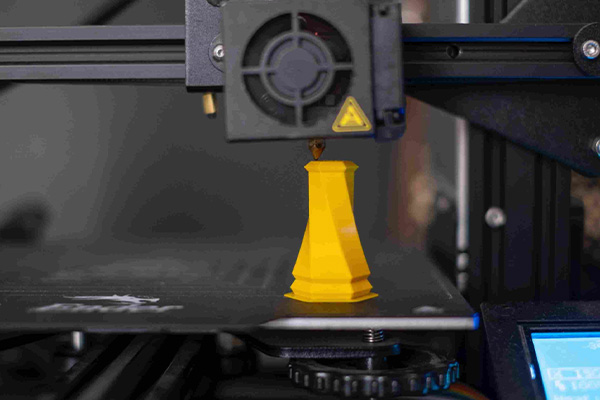
PLA는 출력하기 쉽고 다양한 시각적 모델에 적합하지만, 열과 장기적인 기능 한계를 고려해야 합니다. ABS는 적절한 조건에서 출력할 경우 기능성 프로토타입에 유용한 강도를 제공합니다. PETG는 강도, 출력성 및 내화학성이 균형 있게 갖춰져 있어 다양한 일반 부품에 적합합니다. 나일론은 내마모성과 강도가 뛰어나지만 습기를 흡수할 수 있으므로 출력 및 보관 시 제어가 필요할 수 있습니다.
일반 수지는 디테일과 외관을 중시합니다. 엔지니어링 수지는 인성이나 내열성과 같은 특성 향상을 위해 제조되지만, 각 등급마다 특정 데이터 시트가 있습니다. 투명 수지는 투명하거나 반투명한 프로토타입 제작에 사용되며, 방향, 벽 두께 및 후처리 과정에 따라 보이는 결과가 달라집니다.
출력물은 이방성을 띠므로, 방향, 층간 접착, 채움, 지지대 및 후경화 과정에 따라 강도와 크기가 달라질 수 있습니다. 따라서 재료 이름만으로는 완전한 사양을 정의할 수 없습니다. 중요한 시제품의 경우 출력 공정, 방향 및 최종 승인 목표를 명시해야 합니다.
ABS 유사 소재나 엔지니어링 수지를 3D 프린팅한다고 해서 사출 성형된 ABS, PC 또는 나일론과 완전히 동일한 품질을 보장하는 것은 아닙니다. 프로토타입을 사용하여 명확한 질문에 대한 답을 찾고, 성능이 중요한 경우에는 생산 과정을 통해 제품의 형상과 소재를 검증해야 합니다.
유용한 견적서 작성에는 3D 데이터, 수량, 부품 크기, 시각적 또는 기능적 목표, 하중, 온도, 마감, 중요 치수 및 비교 요구 사항이 포함되어야 합니다. 이러한 세부 정보를 통해 엔지니어링 팀은 확정된 요구 사항과 선호 사항을 구분하고 비용이나 일정에 영향을 미치기 전에 누락된 결정 사항을 파악할 수 있습니다. 당면 목표는 프로토타입이 입증해야 할 사항을 중심으로 3D 프린팅 재료와 공정을 선택하는 것입니다. 요구 사항이 아직 확정되지 않은 경우, 일반적인 허용 오차, 재료명 또는 품질 설명 뒤에 숨기기보다는 '미정'으로 표시해야 합니다. 이렇게 하면 양측 모두 옵션을 비교하고, 샘플을 계획하고, 생산 전에 필요한 증거를 결정하는 데 더 명확한 기준을 마련할 수 있습니다.
프로젝트 계획 시에는 명시된 강도를 기준으로 재료를 선택하고, 방향을 고려하지 않으며, 출력 재료와 성형 재료를 동일하다고 가정하고, 시각적 모델을 과도하게 구체화하는 등의 사항을 고려해야 합니다. 모든 위험 요소에 동일한 수준의 검사 노력이 요구되는 것은 아니므로, 품질 계획은 적합성, 기능, 외관 또는 후속 조립에 영향을 미치는 요소에 집중해야 합니다. 프로젝트에 따라 재료 종류, 출력 설정, 방향, 서포트, 후처리 및 학습 목표와 연계된 검사를 포함한 관리가 이루어질 수 있습니다. 측정 방법, 샘플링 빈도, 기준 샘플 및 보고 기대치는 일상적인 생산 전에 합의되어야 합니다. 이러한 위험 기반 접근 방식은 모든 특성을 정확히 동일한 방식으로 관리할 수 있다는 것을 의미하지 않으면서도 중요한 요구 사항을 프로세스에서 명확하게 드러낼 수 있도록 합니다.
Shenyue는 SLA 프린팅, 열가소성 프로토타이핑, 후가공, 조립 검토 및 생산 툴링으로의 전환을 하나의 프로젝트 경로 내에서 통합 관리할 수 있습니다. 이러한 통합은 매우 중요합니다. 한 단계에서 내린 결정이 다음 단계에 큰 영향을 미치기 때문입니다. 재료는 가공 및 후가공에 영향을 주고, 툴링은 제품 출시 및 외관에 영향을 주며, 조립 또는 포장 과정에서 개별 부품에서는 드러나지 않는 문제점이 발견될 수 있습니다. 기술적 질문, 샘플 피드백 및 수정 사항을 한곳에 모아 관리함으로써 불필요한 단계적 이관을 줄일 수 있습니다. 또한 구매자에게 초기 설계 파일부터 승인된 생산 기준선, 그리고 필요한 경우 재주문 지원까지 더욱 효율적인 경로를 제공합니다.
시각적 모델, 디자인 검토, 고정 장치, 적합성 검사 및 제한적인 기능 프로토타입 제작을 위한 실용적인 출발점입니다. 각 파일별로 재료 가용성, 달성 가능한 크기, 공차 및 마감이 확인됩니다.
비용은 부품 크기, 공정, 지원, 마감 및 수량에 따라 달라집니다. 가장 저렴한 재료 가격이 시제품 제작 목표를 충족시키지 못할 수도 있습니다.
강도는 하나의 수치로 나타낼 수 없습니다. 인장, 충격, 마모, 열, 그리고 층 방향 등이 모두 중요합니다. 먼저 하중을 정의하십시오.
이는 설계 불확실성을 줄일 수 있지만, 성형 수축, 유동, 표면 또는 생산 재료의 특성을 완벽하게 재현할 수는 없습니다.
3D 모델, 수량, 용도, 그리고 시제품이 답변해야 할 한두 가지 질문을 보내주세요. 저희가 적합한 소재를 추천해 드리겠습니다.