Définissez la tâche, pas seulement les dimensions.
Un dessin décrit la géométrie, mais omet souvent les causes de défaillance d'une pièce en caoutchouc. La plage de températures, les huiles ou produits chimiques, l'exposition aux UV, la compression, les mouvements, les surfaces de contact et la durée de vie souhaitée doivent être documentés. Ces conditions orientent le choix d'une famille de matériaux et des essais pertinents.
Choix des matériaux et compromis
L'EPDM est souvent privilégié pour les applications exposées aux intempéries et à l'eau ; le NBR pour l'étanchéité en milieu huileux ; le silicone pour sa large plage de températures et sa flexibilité ; le SBR ou le caoutchouc naturel pour certaines applications générales ; le FKM ou le HNBR pour les environnements plus exigeants. Il s'agit de points de départ, et non d'approbations automatiques. La qualité, la formulation, la dureté et la conformité doivent être vérifiées pour l'application prévue.
La géométrie influe sur les performances
Les joints d'étanchéité, les angles, les lignes de séparation, les bavures, la tolérance à la compression et l'allongement lors de l'installation influent sur le fonctionnement. Les sections très épaisses ou abruptes peuvent compliquer le durcissement, tandis que des tolérances trop serrées augmentent les coûts. Nous analysons les caractéristiques en fonction de l'installation et de la charge de la pièce.
De l'échantillon à la commande répétée
Les échantillons peuvent être évalués selon leurs dimensions, leur aspect, leur dureté ou selon des contrôles fonctionnels convenus. La validation du client demeure essentielle lorsque la pièce est intégrée à un système. Les informations relatives aux matériaux et aux procédés approuvés servent de référence pour la production en série.
Que définir avant de citer
Un devis pertinent commence par les plans des pièces, la géométrie d'assemblage, le fluide, la température, le mouvement, la compression, la dureté, l'exposition aux intempéries et les normes requises. Ces détails permettent à l'équipe d'ingénierie de distinguer les exigences fixes des préférences et d'identifier les points à trancher avant qu'ils n'impactent les coûts ou les délais. L'objectif immédiat est la conception d'un composant en élastomère moulé, optimisé pour l'étanchéité, l'amortissement, l'adhérence, l'isolation ou la réduction des vibrations. Lorsqu'une exigence est inconnue, elle doit être clairement indiquée, sans être masquée par une tolérance générique, un nom de matériau ou une déclaration de qualité. Cela offre aux deux parties une base plus claire pour comparer les options, planifier les échantillons et déterminer les preuves nécessaires avant la production.
Analyse des risques et planification de la qualité
La planification du projet doit prendre en compte les problèmes liés aux matériaux, à la déformation rémanente, au gonflement, à la fissuration, à une géométrie d'étanchéité défectueuse, aux bavures et aux dommages d'installation. Chaque risque ne justifie pas un effort d'inspection équivalent ; le plan qualité doit donc se concentrer sur les caractéristiques ayant une incidence sur l'ajustement, le fonctionnement, l'aspect ou l'assemblage en aval. Selon le projet, le contrôle peut inclure la nature du composé, la dureté, les dimensions, l'état de surface et des tests fonctionnels définis par le client. Les méthodes de mesure, la fréquence d'échantillonnage, les échantillons de référence et les modalités de reporting doivent être convenus avant la production en série. Cette approche par les risques permet d'intégrer clairement les exigences critiques au processus, sans pour autant impliquer que chaque caractéristique puisse être contrôlée de la même manière.
La valeur d'une voie de fabrication intégrée
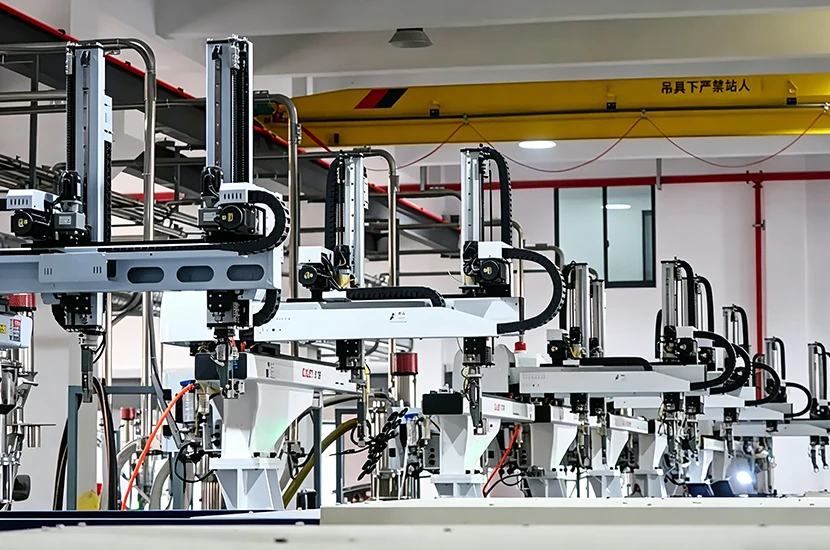
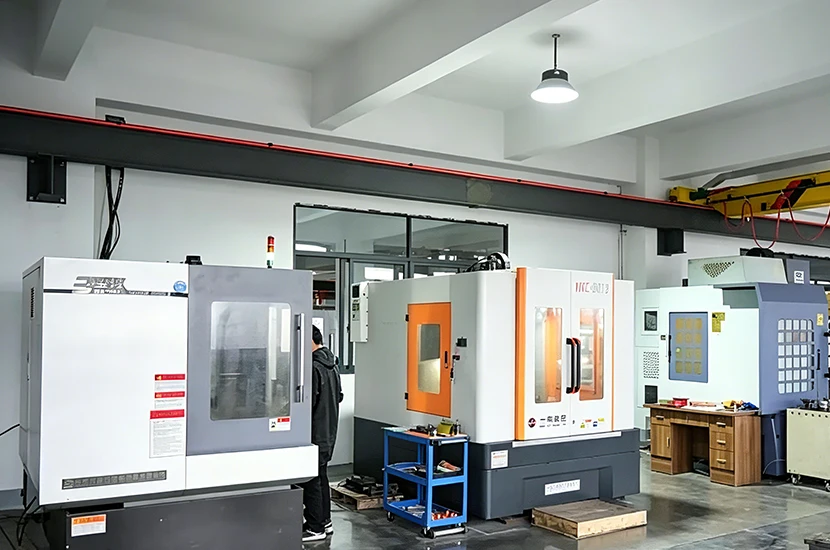
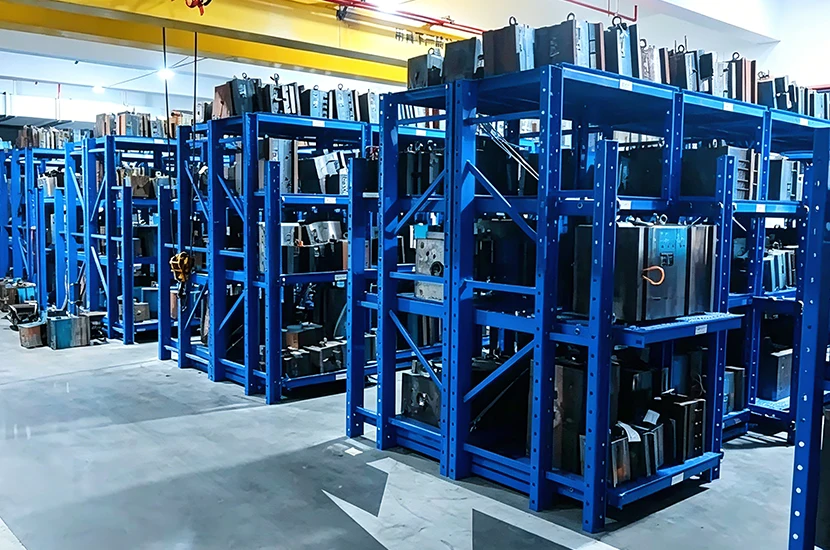
Shenyue permet d'intégrer la sélection des matériaux en caoutchouc, le moulage par compression, le surmoulage, le développement d'outillage et la validation des échantillons au sein d'un même processus. Cette intégration est essentielle car une décision prise à une étape a souvent des répercussions sur la suivante : le matériau influe sur la transformation et la finition, l'outillage sur le démoulage et l'aspect, et l'assemblage ou le conditionnement peuvent révéler des défauts invisibles sur un composant individuel. Centraliser les questions techniques, les retours sur les échantillons et les modifications réduit les transferts inutiles. Cela offre également aux acheteurs un cheminement plus direct, des fichiers initiaux à une base de production validée et, le cas échéant, à un support pour les commandes ultérieures.
Applications typiques / Adéquation au projet
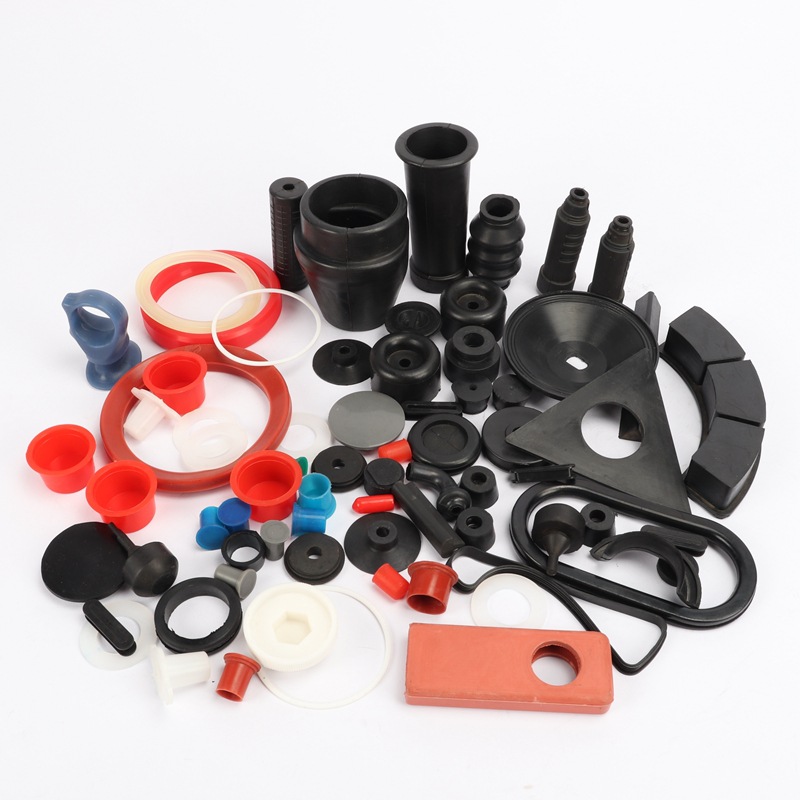
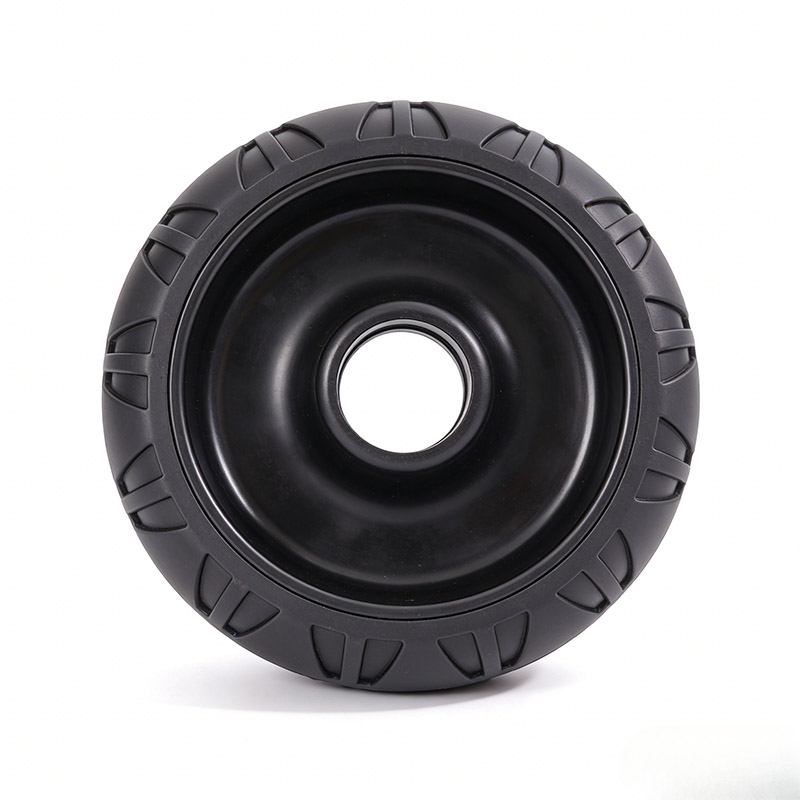
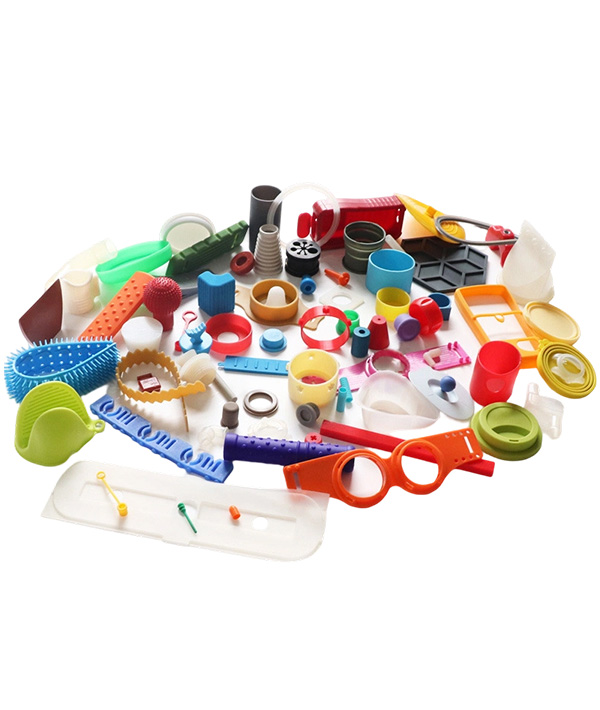
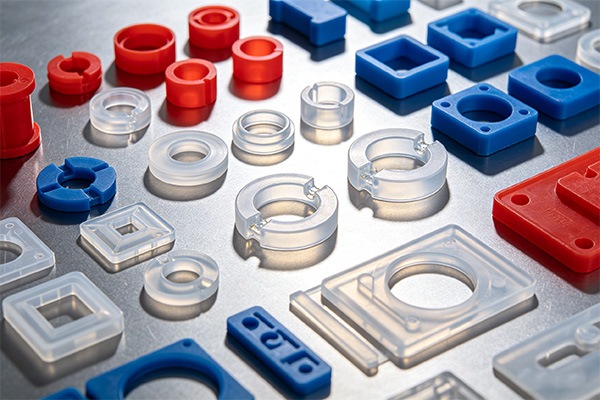
Les applications potentielles comprennent les joints, les bagues d'étanchéité, les œillets, les pieds, les butoirs, les soufflets, les diaphragmes, les poignées, les couvercles de protection et les pièces de contrôle des vibrations. Les utilisations critiques pour la sécurité ou réglementées nécessitent des normes et une validation définies par le client.
Foire aux questions
Quel caoutchouc est le mieux adapté à ma pièce ?
Cela dépend du milieu, de la température, du mouvement, des conditions météorologiques, de la dureté, du coût et de la conformité. Aucun caoutchouc n'est idéal en toutes circonstances.
Pouvez-vous trouver un échantillon similaire ?
Un échantillon peut être utile, mais des dessins, des informations sur les matériaux et les exigences fonctionnelles restent nécessaires pour un remplacement contrôlé.
Fabriquez-vous des joints de taille standard ?
Cette page concerne les pièces sur mesure. Veuillez indiquer la géométrie et la quantité souhaitées afin que nous puissions évaluer la faisabilité de la fabrication.
Veuillez envoyer le dessin, la quantité et une brève description du domaine d'application de la pièce. Indiquez la température, le fluide de contact, la dureté cible et toute norme requise.