مراجعة قابلية التصنيع
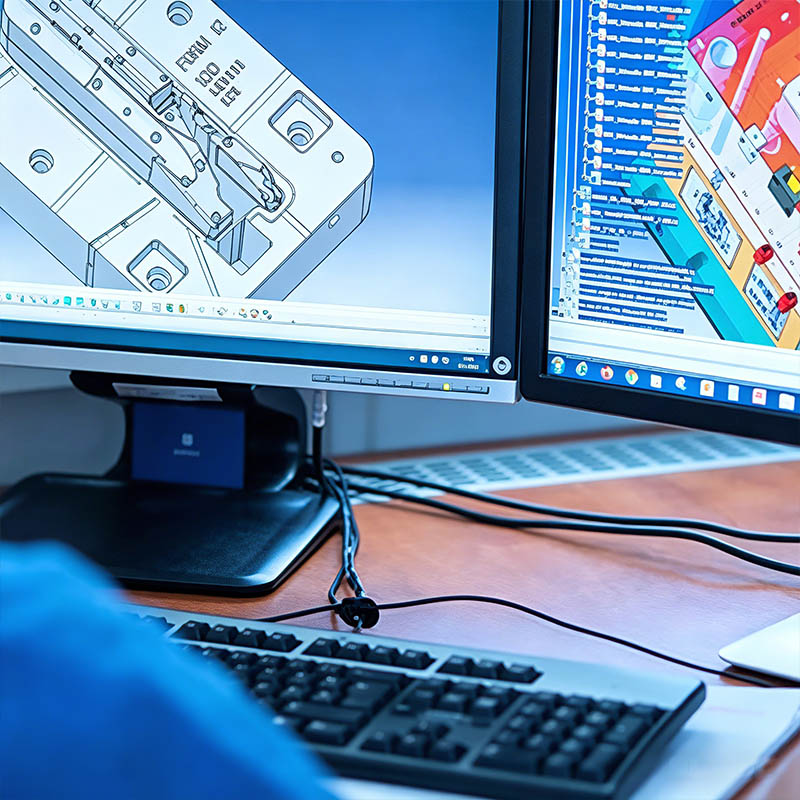
تُفحص انتقالات الجدران، والميول، والتجويفات، والأضلاع، والنتوءات، ونقاط الإغلاق، والأسطح التجميلية، والتفاوتات الحرجة فيما يتعلق بالراتنج واتجاه الأداة. يجب أن تكون المخرجات قابلة للتنفيذ: ميزة محددة، وتأثيرها المحتمل، وقرار مقترح. وتبقى وظيفة المنتج هي الفيصل بالنسبة للعميل.
تطوير مفهوم القالب
يُحدد هذا المفهوم تصميم التجويف، واتجاه الفصل، والبوابات، والمجاري، والإخراج، والتبريد، والتهوية، وأي منزلقات أو رافعات أو حشوات. كما يُراعى فيه غلاف الماكينة وقيود التشكيل. غالبًا ما يكون المفهوم سهل الشرح والصيانة أكثر قيمة من التعقيد الميكانيكي غير الضروري.
الهندسة حول التباين
يتقلص البلاستيك وتتغير درجة حرارة الأداة أثناء عملية التشكيل. يؤثر طول التدفق والضغط وتوازن التبريد والصلابة الموضعية على الأبعاد والتشوه. يهدف التصميم الهندسي إلى إيجاد نطاق تشغيل مناسب، مع إدراك أن المحاكاة أو القواعد العامة لا تزال بحاجة إلى تأكيد من خلال التجارب.
مراجعة ومراقبة التغيير
تُسهم مراجعات العملاء والتصنيع في حلّ المشكلات المتعلقة بالتوافقات قبل بدء عمليات التصنيع. ويتم تسجيل القرارات الهامة والتعديلات والبنود العالقة. وفي حال حدوث أي تغيير في المنتج، يتم تقييم تأثير ذلك على القالب لضمان توافق الجدول الزمني والتكلفة مع النطاق الفعلي.
ما الذي يجب تحديده قبل الاقتباس؟
يبدأ عرض الأسعار المفيد بنماذج المنتج، والرسومات، والراتنج، والحجم، ومساحة الماكينة، والمناطق التجميلية، والميزات الأساسية، ومكان وضع القالب. تُمكّن هذه التفاصيل فريق الهندسة من التمييز بين المتطلبات الثابتة والتفضيلات، وتحديد القرارات المفقودة قبل أن تؤثر على التكلفة أو الجدول الزمني. الهدف المباشر هو تصميم قالب واضح المعالم يُتيح نطاقًا عمليًا للمعالجة، ويمكن بناؤه وصيانته. عندما يكون أحد المتطلبات غير معروف، يجب تصنيفه على أنه مفتوح بدلاً من إخفائه وراء هامش خطأ عام، أو اسم مادة، أو بيان جودة. هذا يُوفر لكلا الطرفين أساسًا أوضح لمقارنة الخيارات، وتخطيط العينات، وتحديد الأدلة المطلوبة قبل الإنتاج.
مراجعة المخاطر وتخطيط الجودة
ينبغي أن تتناول خطة المشروع معالجة المشكلات غير المُعالجة، مثل الانحناءات غير الملحوظة، وضعف نقاط الإغلاق، وضعف البوابات، وعدم كفاية التهوية، وعدم انتظام التبريد، وصعوبة الإخراج، والآليات غير الضرورية. لا تستحق جميع المخاطر نفس القدر من الاهتمام في الفحص، لذا يجب أن تركز خطة الجودة على الخصائص التي تؤثر على الملاءمة، أو الوظيفة، أو المظهر، أو التجميع اللاحق. وبحسب المشروع، قد تشمل إجراءات التحكم مراجعات التصميم الرسمية، وتتبع العناصر المفتوحة، والتحكم في المراجعات، وفحوصات التوافق، وتوثيق قرارات العميل. يجب الاتفاق على أساليب القياس، وتواتر أخذ العينات، والعينات المرجعية، وتوقعات إعداد التقارير قبل بدء الإنتاج الروتيني. يمنح هذا النهج القائم على المخاطر المتطلبات الأساسية مكانةً واضحةً في العملية، دون أن يعني إمكانية التحكم في كل خاصية بنفس الطريقة تمامًا.
قيمة مسار التصنيع المتكامل
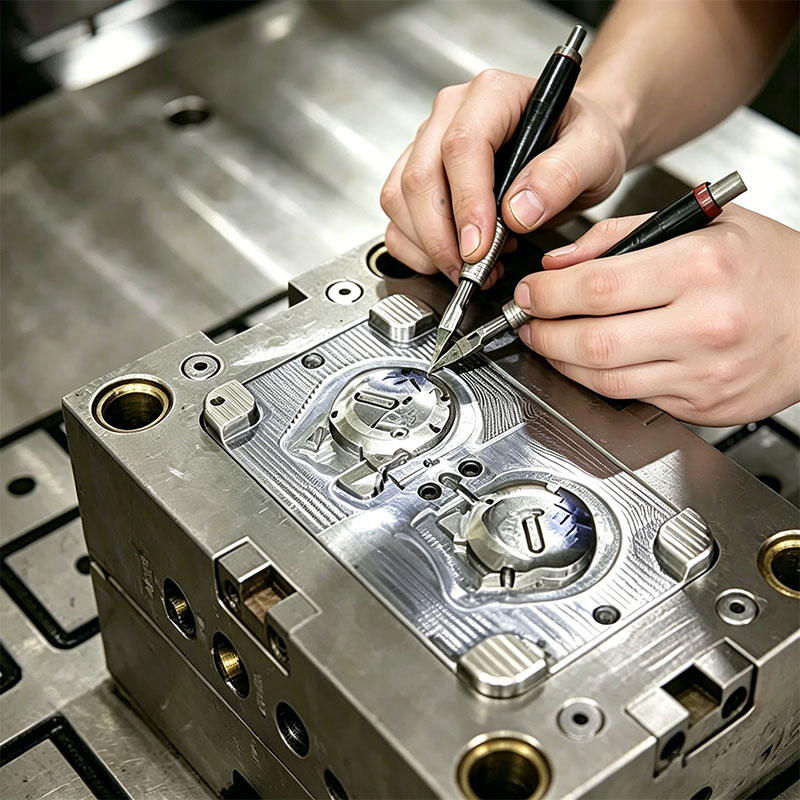
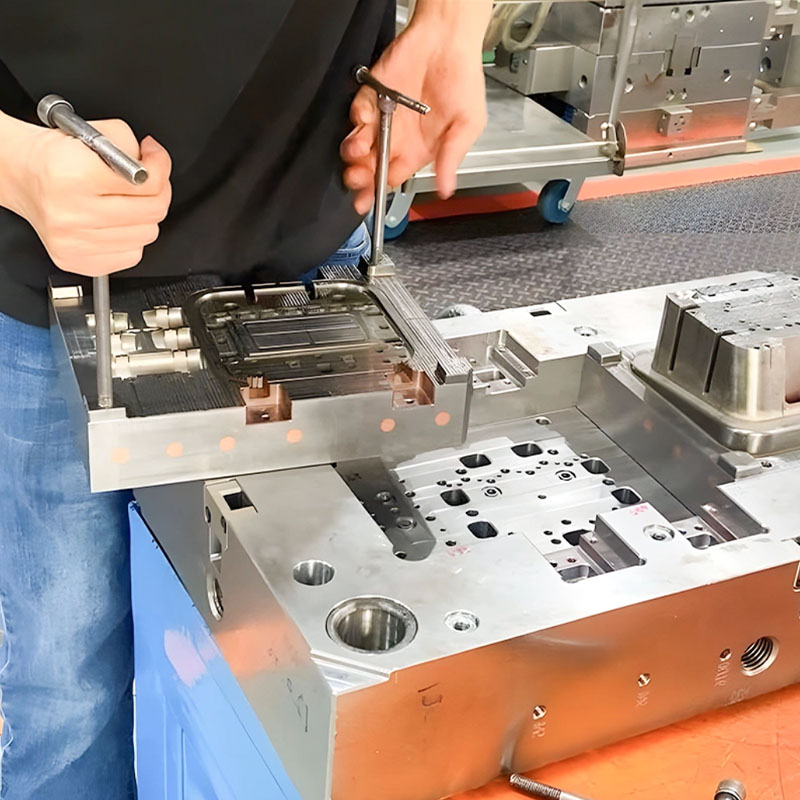
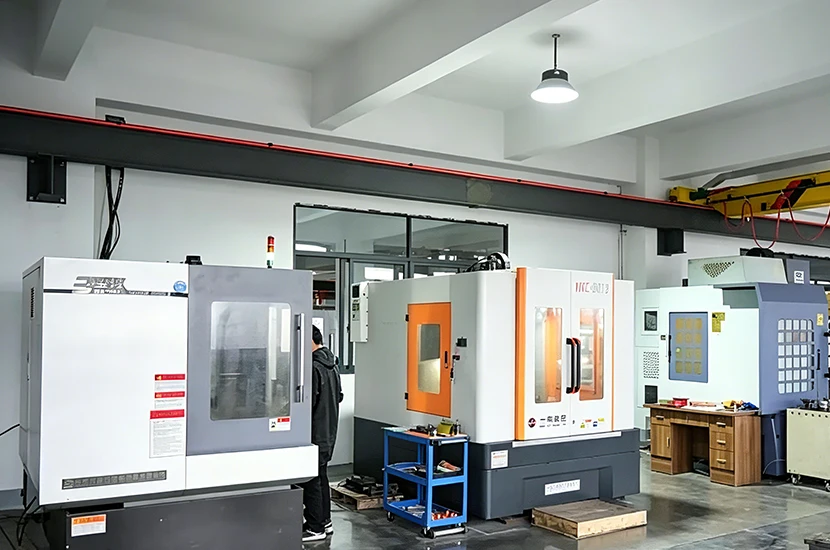
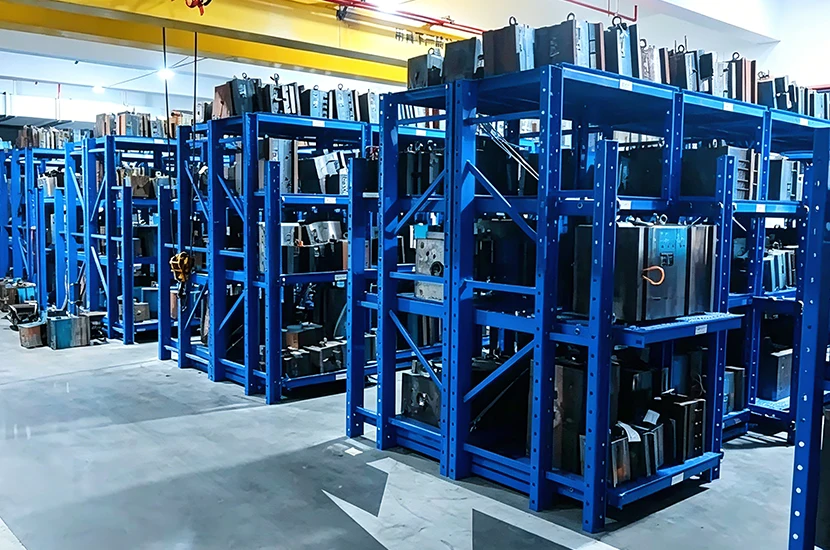
تستطيع شركة شينيو ربط مراجعة قابلية التصنيع، وتوجيه تدفق القوالب، وتصنيع الأدوات، وتجارب القوالب، والتعديلات الهندسية ضمن مسار مشروع واحد. هذا الربط مهم لأن القرار المتخذ في مرحلة ما غالبًا ما يؤثر على المرحلة التالية: فالمواد تؤثر على المعالجة والتشطيب، والأدوات تؤثر على سهولة الفك والمظهر، والتجميع أو التغليف قد يكشف عن مشكلات غير ظاهرة في المكونات الفردية. يساهم تجميع الأسئلة الفنية، وملاحظات العينات، والتعديلات في مكان واحد في تقليل عمليات التسليم غير الضرورية. كما يوفر للمشترين مسارًا أكثر عملية من الملفات الأولية إلى خط أساس إنتاج معتمد، ودعمًا لإعادة الطلبات عند الاقتضاء.
التطبيقات النموذجية / ملاءمة المشروع
يُعدّ هذا التحليل مفيدًا للقوالب الجديدة، ومراجعات الأجزاء المعقدة، ونقل الأدوات، والمشاريع التي تتطلب حلّ مخاطر التصميم قبل البدء في قطع الفولاذ. ويتم الاتفاق على عمق التحليل حسب المشروع.
الأسئلة الشائعة
ما الذي تتضمنه ملاحظات التصميم للتصنيع؟
تشمل العناصر النموذجية: السحب، والسماكة، والتجاويف، والبوابات، وخط الفصل، والطرد، والمخاطر التجميلية، والأبعاد الحرجة.
هل يضمن تحليل تدفق القالب الحصول على قطعة جيدة؟
لا. يمكن للتحليل أن يوجه القرارات، لكن النتائج تعتمد على المدخلات ويجب تأكيدها من خلال تجارب الأدوات والقياس.
من يوافق على تغييرات المنتج؟
ينبغي على العميل الموافقة على التغييرات التي تؤثر على تصميم المنتج أو وظيفته؛ ويتحكم المصنع في تفاصيل الأدوات والعمليات ضمن النطاق المتفق عليه.
شارك النموذج ثلاثي الأبعاد، والرسم ثنائي الأبعاد، ومعلومات عن الراتنج، والحجم، وملاحظات الجودة الحرجة. سنراجع المسائل الهندسية التي يجب حلها قبل البدء في عملية التصنيع.