Lo que se puede lograr con el sobremoldeo
Una capa blanda puede mejorar el manejo, reducir el deslizamiento, amortiguar impactos, formar un sello localizado o proteger un borde rígido. También puede consolidar piezas que de otro modo se unirían mediante adhesivo o ensamblaje mecánico. Este proceso solo es útil cuando el material más blando permanece adherido y el sustrato tolera las condiciones de moldeo.
La unión es una decisión de diseño.
Algunos pares de materiales pueden desarrollar una adhesión útil con un procesamiento adecuado; otros requieren fijaciones mecánicas como agujeros, ranuras o socavados. La contaminación superficial, los agentes desmoldantes y la humedad pueden reducir la unión. Evitamos prometer adhesión química sin evidencia específica del grado y recomendamos la validación en condiciones reales de carga y entorno.
Protección del sustrato
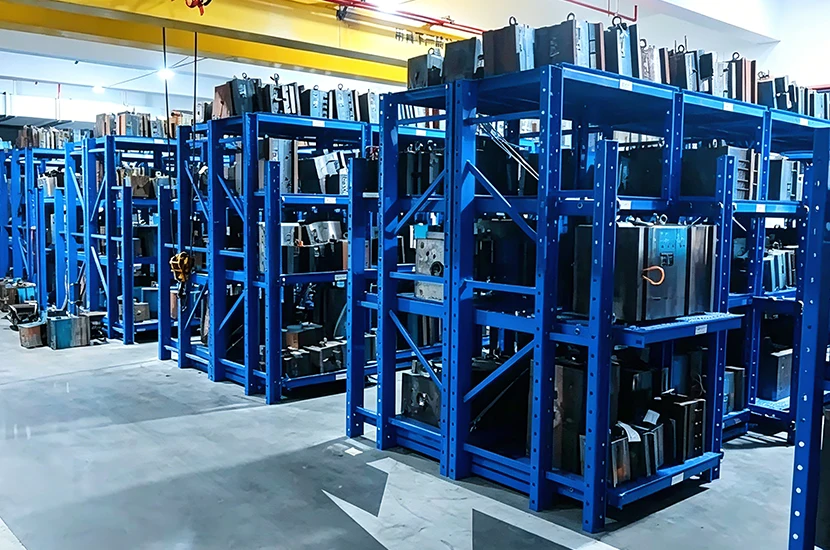
La herramienta debe sujetar con precisión la pieza rígida y sellar alrededor de las zonas que deben permanecer expuestas. El calor y la presión pueden desplazar, marcar o deformar un inserto débil. Por lo tanto, las superficies de referencia, los puntos de apoyo, la geometría de cierre y la orientación de carga se revisan como parte del diseño de la herramienta.
Probando la interfaz finalizada
La mera inspección visual no demuestra el rendimiento. Según el uso, las muestras pueden requerir pruebas de despegue, tracción, torsión, fugas, ajuste o evaluación de uso repetido. El cliente y el fabricante deben acordar un método de aceptación práctico antes de la producción.
Qué definir antes de la cita
Una cotización útil comienza con las especificaciones del material, el estado del sustrato, la geometría de la interfaz, el objetivo de la unión, las zonas expuestas, el entorno y las cargas. Estos detalles permiten al equipo de ingeniería distinguir los requisitos fijos de las preferencias e identificar decisiones pendientes antes de que afecten al coste o al plazo de entrega. El objetivo inmediato es una interfaz duradera entre un sustrato rígido y una capa de elastómero moldeado. Cuando un requisito aún se desconoce, debe marcarse como abierto en lugar de ocultarse tras una tolerancia genérica, el nombre del material o una declaración de calidad. Esto proporciona a ambas partes una base más clara para comparar opciones, planificar muestras y decidir qué información será necesaria antes de la producción.
Revisión de riesgos y planificación de la calidad
La planificación del proyecto debe abordar la adhesión débil, la deformación del sustrato, la contaminación, el aire atrapado, el levantamiento de bordes, la incompatibilidad y el espesor variable. No todos los riesgos merecen el mismo esfuerzo de inspección, por lo que el plan de calidad debe centrarse en las características que afectan el ajuste, la función, la apariencia o el ensamblaje posterior. Según el proyecto, el control puede incluir la identidad del sustrato, la ubicación, la cobertura, el estado visible, las dimensiones y las pruebas de despegue, tracción o funcionales acordadas. Los métodos de medición, la frecuencia de muestreo, las muestras de referencia y las expectativas de informes deben acordarse antes de la producción rutinaria. Este enfoque basado en riesgos otorga a los requisitos críticos un lugar visible en el proceso sin implicar que cada característica pueda controlarse exactamente de la misma manera.
El valor de una ruta de fabricación integrada
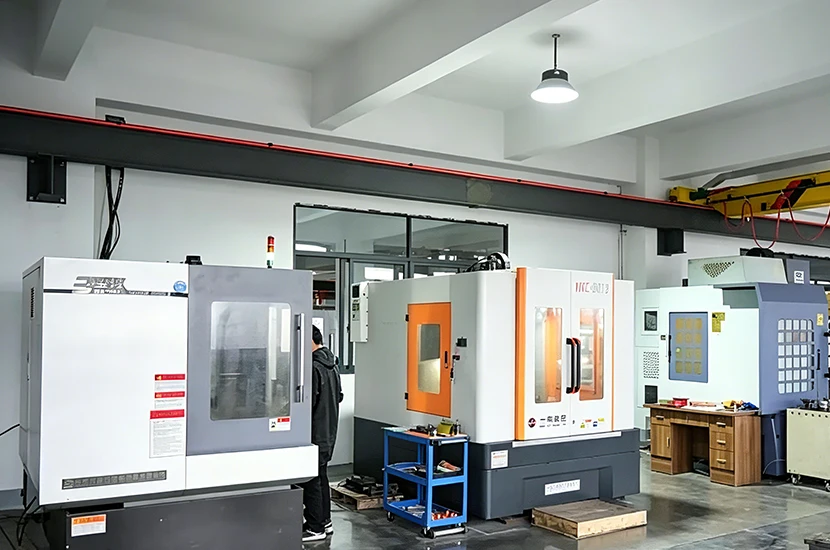
Shenyue integra la revisión de compatibilidad de materiales, el moldeo o la selección de sustratos, el utillaje para sobremoldeo, el moldeo y la validación del ensamblaje en un único proyecto. Esta integración es crucial, ya que una decisión tomada en una etapa suele influir en la siguiente: el material afecta al procesamiento y al acabado, el utillaje al desmoldeo y al aspecto, y el ensamblaje o el embalaje pueden revelar problemas que no son visibles en un componente individual. Mantener juntas las consultas técnicas, los comentarios sobre las muestras y las revisiones reduce las transferencias innecesarias. Además, ofrece a los compradores una ruta más práctica desde los archivos iniciales hasta una base de producción aprobada y, cuando corresponda, asistencia para pedidos repetidos.
Aplicaciones típicas / Adecuación al proyecto
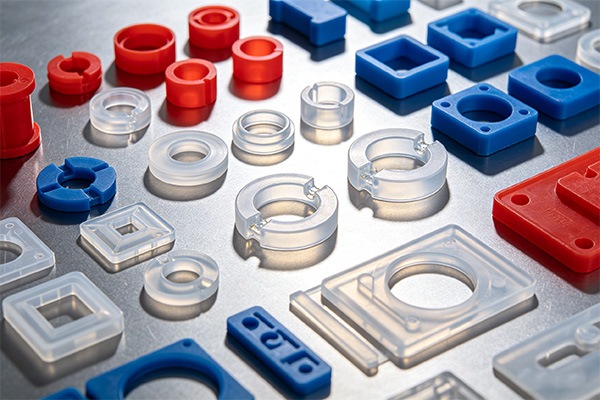
Adecuado para asas, empuñaduras, juntas, bordes protectores, pomos, patas, carcasas y otros componentes de dos materiales. La viabilidad se determina por la combinación de materiales, el grosor, los rebajes, las zonas estéticas y las condiciones de uso.
Preguntas frecuentes
¿La goma se adherirá de forma permanente?
Eso depende de los materiales exactos, el diseño de la interfaz, el estado de la superficie y el entorno. Puede ser necesario realizar pruebas y análisis mecánicos.
¿Se puede sobremoldear una pieza rígida ya existente?
Posiblemente, si se puede ubicar y sujetar en una herramienta y resistir el proceso. Se deben revisar las muestras y los planos.
¿El sobremoldeo es lo mismo que el moldeo por inserción?
Están relacionados. El sobremoldeo se centra en añadir un segundo material o capa; el moldeo por inserción suele encapsular un inserto preformado con plástico o caucho.
Proporcione los modelos del sustrato y del sobremoldeo, la información del material y la carga en la interfaz. Marque todas las superficies que deben permanecer libres de elastómero.